You open your dishwasher after a cycle and notice small puddles forming under the door. You wipe them away, only to see them again the next day. That little drip isn’t just annoying — it’s a sign that your dishwasher’s door seal, or gasket, is wearing out.
According to the Appliance Repair Institute, nearly 40% of dishwasher leaks happen because of a damaged or flattened door seal.
The door seal is a soft rubber strip that compresses when you close the dishwasher, keeping water inside during wash and rinse cycles. Over time, constant exposure to heat, detergent, and moisture causes it to lose elasticity.
The good news? You don’t need a repair technician to fix it — replacing it yourself is quick, easy, and inexpensive.
In this complete guide, you’ll learn how to install a dishwasher door seal and stop drips once and for all. You’ll understand what the seal does, which tools you’ll need, the correct installation steps, and how to test your dishwasher afterward.
Follow each step carefully, and you’ll have your dishwasher running quietly and leak-free again in under an hour.
Understanding the Dishwasher Door Seal

The dishwasher door seal — often called a gasket — creates a watertight barrier between the dishwasher door and the tub. Its flexible rubber material compresses every time the door shuts, ensuring no water escapes during a wash.
There are two main seals: the tub gasket that runs around the frame, and the bottom seal that stops leaks under the door.
Over time, heat, pressure, and detergent chemicals can cause the gasket to harden or crack. A weakened seal means water begins to slip through tiny gaps. You might see small puddles on the floor, steam escaping mid-cycle, or even smell mold forming along the edges.
Most seals are made of EPDM or silicone rubber, both designed to withstand high temperatures and moisture. Still, regular maintenance and periodic replacement — roughly every five to seven years — are key to preventing leaks.
If your dishwasher door feels loose, the seal looks flat, or you notice damp spots near the corners, it’s likely time for a replacement.
Why does a dishwasher leak from the door?
A damaged or misaligned door seal allows water to escape during the wash cycle.
How long does a dishwasher door seal last?
Usually five to seven years, depending on how often you use your dishwasher.
Can I reuse my old gasket?
No, once compressed, old seals lose shape and can’t create a watertight barrier.
Are all dishwasher gaskets the same?
No, different brands and models require specific seal sizes.
Does detergent affect the seal?
Yes, harsh or overly concentrated detergents can dry and crack the rubber.
Tools and Materials You’ll Need Before Installation
Installing a dishwasher door seal is simple if you prepare properly. Before starting, unplug the dishwasher or switch off the breaker to cut power. Shut off the water supply as well.
Gather your tools: a screwdriver (for panels if needed), a soft cloth, warm soapy water, and your new replacement seal. Keep a towel nearby to catch any leftover water when you open the door.
When purchasing a replacement, always match your dishwasher model number. You’ll usually find this inside the door frame or near the hinge. High-quality rubber seals from official manufacturers last longer and fit perfectly.
Before installing, soak the new gasket in warm water for about 10 minutes. This softens the material and makes it more flexible. Cleaning the groove where the old seal sat is equally important — residue or debris can prevent a tight fit.
With the area clean and tools ready, you’re all set to begin.
Do I need glue or adhesive to install the seal?
No, most dishwasher seals are designed to press into place without any glue.
Where can I buy a replacement door seal?
You can order online from Amazon, appliance parts websites, or your dishwasher’s brand store.
How do I identify my dishwasher model?
Check the inner frame or near the hinge area for a silver sticker or label.
Should I clean before installing the new seal?
Yes, a clean groove ensures the gasket sits evenly and seals properly.
Is this a one-person job?
Yes, installation is easy enough for one person using basic tools.
Step-by-Step Guide: How to Install the Dishwasher Door Seal
- Remove the old seal. Open the dishwasher and gently pull the existing seal from one corner. Work your way around evenly. Avoid tearing or forcing it.
- Clean the groove. Use a damp cloth dipped in warm, soapy water to remove residue, grease, and grime. Dry it completely.
- Prepare the new gasket. If it feels stiff, warm it up briefly in hot water to make it more pliable.
- Align at the top center. Start installing from the middle top of the frame to ensure the gasket sits evenly on both sides.
- Press gently around the edges. Push the seal into the groove inch by inch, making sure it’s seated fully without twisting.
- Secure the corners. These areas are leak-prone, so ensure they fit snugly.
- Close the door. Once fitted, close the door firmly and keep it shut for about 20–30 minutes so the rubber can compress into position.
- Test for leaks. Run a short rinse cycle with no dishes. Check all sides of the door for drips.
When properly installed, the new seal will feel slightly tight at first but will soften after a few washes, creating a perfect fit.
How do I ensure the seal fits evenly?
Press it into the groove uniformly around all edges; avoid stretching it.
What if the seal feels too tight?
That’s normal — it will compress and relax after several cycles.
How can I clean leftover residue from the groove?
Use vinegar or mild soap and a soft cloth to clean stubborn buildup.
Should I lubricate the new seal?
No oils — use only warm water if needed to help slide it in.
How long should I wait before using the dishwasher?
Wait at least 30 minutes to let the new gasket settle in place.
Testing the Seal to Ensure No More Drips
Once the seal is installed, the next step is testing. Load no dishes, close the dishwasher door, and run a quick rinse cycle. Observe closely during the first few minutes of operation. Check along the edges for water leaks or drips.
If you see moisture forming at a corner, stop the cycle, open the door, and re-seat that section of the gasket. Press it deeper into the groove and ensure it’s not twisted.
You can also check the alignment of the door itself — sometimes an uneven latch can cause small leaks even with a new seal.
When you close the door, it should feel firm but not overly tight. The new gasket may create more resistance at first, but it will adjust after a few uses. Keep an eye on your dishwasher for the next few washes to confirm there are no slow leaks.
Why does my door feel harder to close now?
New seals are thicker and need a few cycles to compress and soften.
Should I tighten the door latch to fix leaks?
Only slightly — over-tightening can misalign the door.
Do I need to test the dishwasher again later?
Yes, check after the first three washes to ensure the seal is seated.
What if I still notice small leaks?
Re-position the seal at corners or check for cracks in the door frame.
Should I apply silicone sealant?
Only use manufacturer-recommended sealant if the manual specifies it.
Maintenance Tips to Prevent Future Leaks
Now that your new door seal is in place, keeping it clean and flexible will extend its life. Wipe the gasket weekly with a soft cloth to remove grease, soap scum, and food residue. Once a month, clean it with a vinegar-water solution to eliminate mineral buildup and prevent mold.
Avoid using harsh cleaning agents or bleach, as these can dry out or crack the rubber. Always leave the dishwasher door slightly ajar after a wash cycle — this prevents moisture buildup and unpleasant odors.
Inspect the gasket regularly for early signs of wear, like cracking or flattening. Replace it as soon as you notice any damage. Keeping the seal healthy ensures your dishwasher stays efficient, quiet, and leak-free for years.
Can I clean the seal with vinegar?
Yes, a 1:1 mix of vinegar and water works perfectly for removing buildup.
Should I remove the seal for deep cleaning?
No, just wipe it in place to avoid stretching or misalignment.
How often should I check the gasket?
Every three months, or sooner if you notice drips or odors.
Why does my dishwasher smell bad near the door?
Food residue or trapped moisture in the seal can cause odor.
Does hard water affect the gasket?
Yes, mineral deposits from hard water can cause premature wear.
Common Mistakes to Avoid When Replacing a Door Seal
Even though replacing a dishwasher door seal is a simple DIY task, small mistakes can lead to persistent leaks or poor sealing.
One of the most common errors is stretching the new gasket during installation. The seal should fit naturally—pulling it too tightly causes uneven compression and creates gaps.
Another frequent issue is installing the seal backward or upside down. Most seals have a slightly thicker side that faces outward for proper alignment.
Always check the orientation before pressing it in. Skipping the cleaning step is another big problem—old residue or debris can stop the gasket from sitting properly, leading to hidden leaks.
Avoid using adhesives or lubricants unless your manufacturer specifically recommends them. They can damage the rubber and attract dust. Lastly, be patient when testing. Some users assume the seal failed immediately after installation when minor drips are actually normal during the first few cycles as the rubber compresses.
A careful, methodical approach ensures your seal fits perfectly and lasts for years.
Can I stretch the seal to make it fit faster?
No, stretching will distort its shape and cause leaks.
Is adhesive necessary to secure the gasket?
Not usually—modern seals stay in place without glue.
What happens if I install it backward?
It won’t seal properly, and water may leak through unevenly.
Why is my dishwasher still dripping after replacing the seal?
It may need a few cycles to compress, or the groove might have residue.
Should I trim excess gasket length?
Only if the manual specifies—most seals fit without trimming.
How to Choose the Right Replacement Door Seal
Choosing the right dishwasher door seal is essential for a leak-free fit. Every brand and model has slightly different dimensions, shapes, and sealing grooves.
Start by locating your dishwasher’s model number, typically printed on a sticker inside the door or on the frame near the hinge. Use that number when searching for replacement parts.
It’s best to purchase OEM (Original Equipment Manufacturer) parts instead of generic alternatives. OEM seals guarantee a precise fit, are made from heat-resistant materials, and last longer under repeated cycles. Aftermarket seals might be cheaper but often don’t match perfectly, leading to gaps or premature wear.
Consider the material type—EPDM rubber is durable and flexible, while silicone seals resist heat and detergent damage. Also, check the seal’s profile: some have double-lip designs for extra protection against leaks.
If your dishwasher is older and the exact part isn’t available, contact the manufacturer’s customer support for compatible alternatives. A proper-fitting gasket saves you from water damage, wasted time, and recurring leaks.
How do I find the correct seal for my dishwasher?
Use the model number printed inside the door or on the frame.
Are universal door seals safe to use?
They can work, but OEM parts fit better and last longer.
Which material is better: rubber or silicone?
Both are durable, but silicone handles heat and detergent better.
Can I reuse a seal from another dishwasher model?
No, even small dimension differences can cause leaks.
Is it worth paying extra for OEM seals?
Yes, they ensure perfect fit, durability, and manufacturer warranty support.
Signs You May Need Professional Help
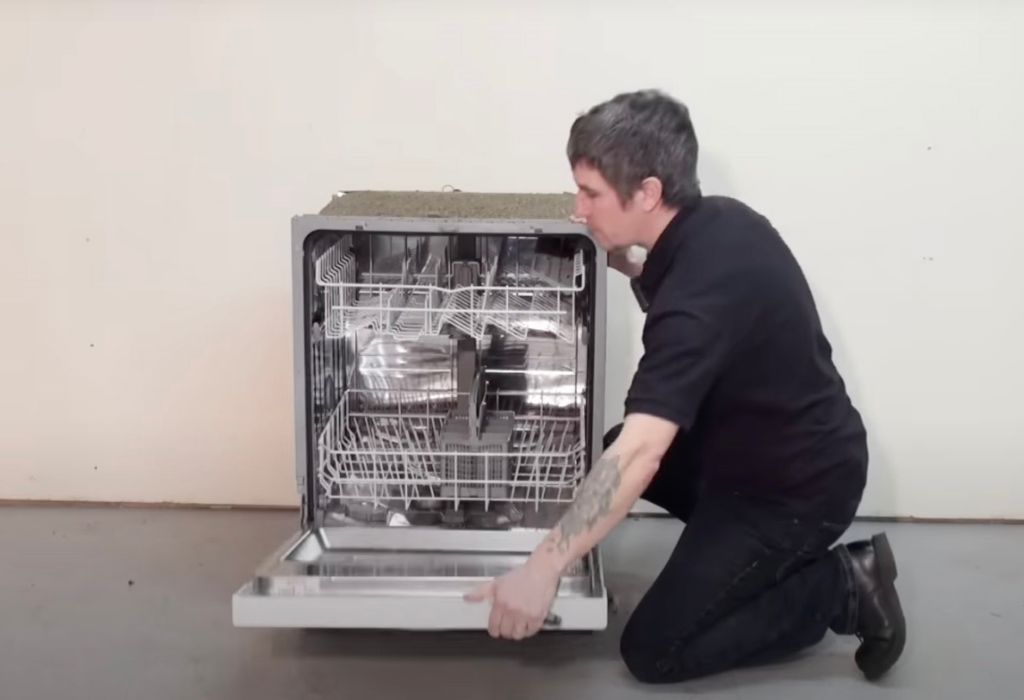
While most homeowners can replace a dishwasher door seal easily, some issues require professional expertise.
If you’ve installed a new gasket correctly and leaks persist, the problem may lie elsewhere—such as a warped door, damaged latch, or cracked inner tub. These structural issues can’t be fixed with a new seal alone.
You should also call a technician if the dishwasher door won’t close evenly or you notice water dripping underneath the appliance even when it’s off. That could signal a broken water inlet valve or misaligned hinges.
Similarly, continuous steam escaping from the top of the door could mean the door frame is bent and preventing proper compression.
If your machine is still under warranty, don’t risk voiding it. Professional service ensures your dishwasher is inspected, realigned, and tested with specialized tools. Spending a little on a repair now could prevent expensive floor or cabinet damage later.
What if the dishwasher leaks even after replacing the seal?
It might have a cracked tub, loose latch, or door misalignment.
When should I call a technician?
If you still see drips after multiple test cycles or the door doesn’t close evenly.
Can a warped door be fixed at home?
No, it requires specialized tools and professional adjustment.
Why is there water under my dishwasher when it’s off?
That could indicate a leaking water valve or hose connection.
Will professional repair void my warranty?
No, using certified technicians usually keeps your warranty valid.
Conclusion
Fixing a leaky dishwasher door is one of the easiest home repairs you can do. Replacing the old, worn-out seal with a new one prevents water damage, saves energy, and keeps your kitchen spotless. With just a few tools and careful attention to detail, you can install a new seal in under an hour.
A well-fitted gasket ensures quiet operation, proper temperature retention, and complete water containment during every wash cycle. Keep it clean, inspect it regularly, and replace it every few years to maintain efficiency.
If your dishwasher still leaks after installation, double-check the corners, latch alignment, and model compatibility. Once fitted properly, your new seal will compress perfectly and stop drips completely.
Take the time today to fix it — your floor stays dry, your dishwasher runs better, and you’ll never have to mop up leaks again.

I’m Emma J. Caldwell, the founder, lead writer, and home-cooking enthusiast behind KitchenGuideCo.com. With a background in culinary arts and over a decade of cooking experience in both professional and personal kitchens, I created this platform to demystify recipes, offer smart kitchen gadget reviews, and guide readers through meal prep with confidence and clarity.