You’ve finally bought a new dishwasher, and the excitement of a quieter, cleaner kitchen fills the air. But one small mistake during installation—especially in the drain—can quickly turn that excitement into frustration.
A poorly installed dishwasher drain is one of the leading causes of kitchen leaks and unpleasant odors. According to repair experts, over 30% of dishwasher service calls come from improper drain connections or missing air gaps.
The good news is that installing the drain correctly isn’t complicated—it just requires patience, precision, and the right information.
This guide will walk you through every step of installing your dishwasher drain properly. You’ll learn which configuration to choose, how to seal connections perfectly, and what common mistakes to avoid.
Whether you’re a first-time DIYer or replacing an old unit, this walkthrough will help you achieve a leak-free, efficient setup.
Understanding the Dishwasher Drain System
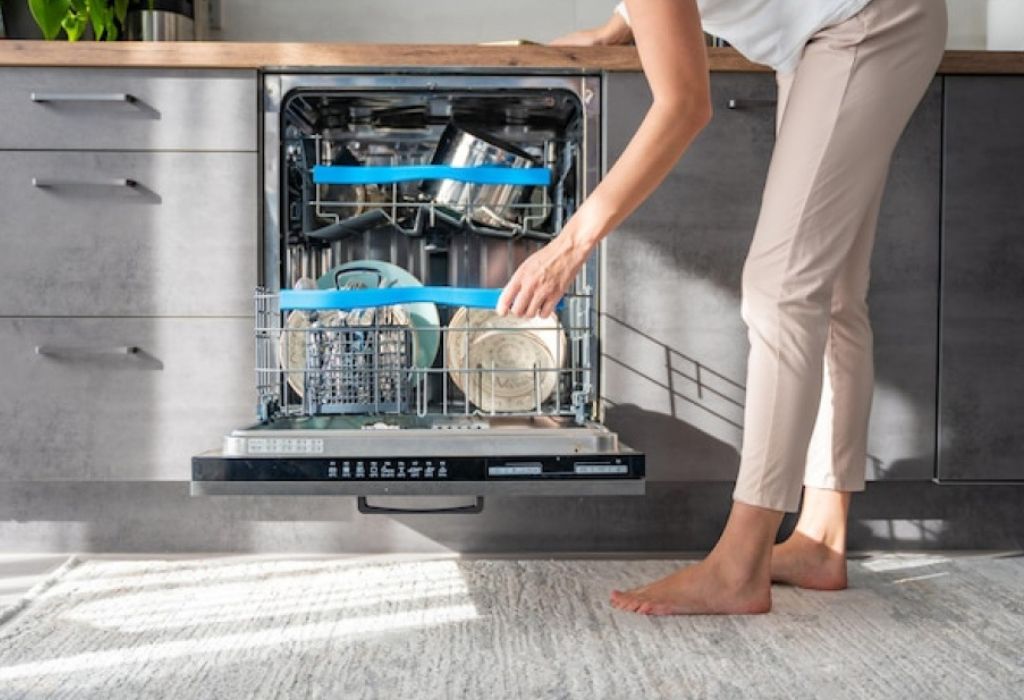
The dishwasher drain system is the heart of proper kitchen plumbing. It starts with the pump inside your dishwasher, which pushes wastewater through the drain hose and out into the sink’s plumbing or garbage disposal.
If the drain isn’t installed correctly, dirty water can backflow into the dishwasher or leak under the cabinet.
A proper drain setup includes three key components: the drain hose, the air gap or high loop, and the drain connection under the sink.
The air gap prevents contaminated water from re-entering your dishwasher, while the high loop keeps the hose elevated to block backflow. Both are essential for maintaining hygiene and preventing overflows.
Gravity also plays a role in the system. The hose must slope correctly to allow smooth water flow. If it sags or sits too low, dirty water will stagnate inside, causing odors and potential blockages.
Understanding how this system works helps you install it correctly from the start. Once everything is properly routed and sealed, your dishwasher will drain efficiently, quietly, and safely.
What is the purpose of a dishwasher drain hose?
It moves wastewater from the dishwasher to the sink drain or garbage disposal after every cycle.
How does the air gap prevent dirty water backup?
It creates a physical break between the dishwasher and drain line, blocking contaminated water from flowing backward.
Is a high loop necessary for all installations?
Yes, if your kitchen doesn’t have an air gap. It performs a similar function by keeping the hose elevated.
Can improper drain setup cause odors or leaks?
Absolutely. Standing water in the hose or loose clamps often leads to bad smells and water damage.
How does the drain connect to the garbage disposal?
It connects via a small side inlet using a hose clamp, but the knockout plug must be removed first.
Tools and Materials You’ll Need for Proper Installation
A successful installation starts with having the right tools ready. Gathering everything before you begin ensures a smooth and efficient process. You’ll need:
- Dishwasher drain hose – included with most new dishwashers.
- Hose clamps – for securing both ends tightly.
- Screwdriver or pliers – to tighten clamps.
- Bucket or towel – to catch any water spills.
- Teflon tape – for sealing threaded joints.
- Flashlight – for visibility under the sink.
- Zip ties or clips – to secure the high loop.
Turn off both water and power before starting the job. These precautions prevent electrical accidents and avoid flooding during connection. Also, make sure the old hose is completely dry before removing it.
Before you begin, inspect your new hose for any cracks or damage. A new installation should always use a fresh, flexible drain hose to ensure a proper seal and smooth water flow.
Do new dishwashers include a drain hose?
Most do, but you might need separate clamps or fittings depending on your sink setup.
What size drain hose fits most dishwashers?
A standard ⅝-inch or ¾-inch diameter hose works for most models.
Why do I need Teflon tape?
It prevents leaks at threaded joints by sealing micro gaps when tightening connections.
Can I reuse clamps from an old hose?
Only if they’re stainless steel and rust-free, but new ones are safer.
How do I know if I need an adapter for my sink or disposal?
If the connection sizes don’t match, use a rubber or metal adapter for a snug fit.
Different Dishwasher Drain Configurations You Can Choose From
Dishwasher drains aren’t one-size-fits-all. The best configuration depends on your kitchen’s layout, plumbing design, and countertop material. The three most common methods are the high loop, the air gap, and the garbage disposal connection.
The high loop method is simple. The hose is looped upward under the countertop and secured with a clamp or zip tie. This creates an elevated point that prevents dirty sink water from siphoning back into the dishwasher. It’s the most common method and works well for most kitchens.
The air gap method uses a small device mounted on top of the sink or countertop. It physically separates the dishwasher hose from the sink drain line, ensuring no contaminated water can ever reach your dishwasher. It’s required by plumbing codes in many regions.
Lastly, the garbage disposal connection is the most convenient option. The hose attaches directly to the disposal’s inlet using a clamp. However, don’t forget to remove the knockout plug inside the disposal port before connecting.
Each setup has pros and cons, but all aim to ensure smooth water flow and prevent backflow. Choose the one that best suits your plumbing layout.
Which is better: a high loop or an air gap?
Both work effectively, but an air gap offers a physical barrier for extra safety.
How does the high loop prevent backflow?
By keeping the hose elevated, it prevents dirty water from traveling backward into the dishwasher.
Can I use both a high loop and an air gap together?
You can, though it’s unnecessary; one well-installed method is enough.
Why is the knockout plug important?
If it’s not removed, your dishwasher won’t drain properly and could overflow.
Does every state require an air gap by law?
No, but some local plumbing codes mandate it for new installations.
Step-by-Step Guide: How to Install a Dishwasher Drain Correctly
Once you have your tools and chosen configuration, it’s time to install your drain hose. Follow these steps carefully for a leak-free setup.
Step 1: Turn off power and water. Always start safely to prevent electrical shocks and leaks.
Step 2: Pull the dishwasher slightly forward to access the rear drain outlet. Remove the old hose if you’re replacing it.
Step 3: Slide the new hose over the drain outlet on the dishwasher. Secure it with a hose clamp—tight enough to seal, but not enough to crack the fitting.
Step 4: Route the hose to your drain connection. Avoid sharp bends or tight loops that restrict flow.
Step 5: Create a high loop or connect the hose to the air gap. Secure it under the countertop with a clip or zip tie.
Step 6: Connect the opposite end to the sink drain or garbage disposal. Use a second clamp to secure it tightly.
Step 7: Run a rinse cycle to check for leaks. Watch all connection points during draining.
Once dry, slide the dishwasher back into place and make sure the hose remains untwisted.
How far can I extend a dishwasher drain hose?
You can extend it up to 10–12 feet with an extension kit, but ensure proper support.
Can I shorten a long hose?
Yes, trim it with a utility knife for a better fit, but leave enough slack for movement.
How tight should clamps be?
Firm but not forced—over-tightening can crack fittings.
What if the hose doesn’t reach the drain pipe?
Use a drain hose extension and secure it with dual clamps.
How do I know my hose routing is correct?
It should slope slightly downward toward the drain and include a high loop.
Common Mistakes to Avoid During Installation
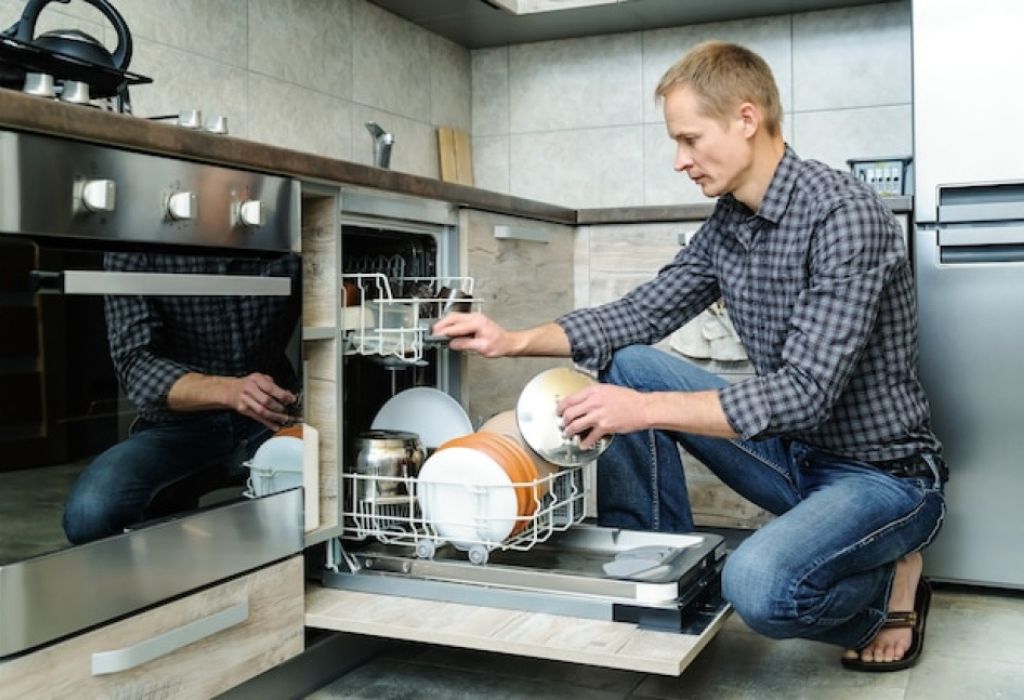
Even a well-planned installation can go wrong if small mistakes are overlooked. The most common issue is forgetting to remove the knockout plug in the garbage disposal inlet. Without removing it, the dishwasher can’t drain properly.
Another mistake is skipping the high loop or air gap, which allows dirty sink water to flow back into the dishwasher. Over-tightening clamps is another problem—it may seem secure, but it can crack fittings or crush the hose.
Using old or mismatched hoses also leads to leaks. Always choose the correct size and material for your model. Finally, avoid letting the hose sag or kink behind the dishwasher—it restricts drainage and causes noise or vibrations during cycles.
By double-checking these areas, you’ll avoid 90% of dishwasher drainage issues before they start.
Why does my dishwasher drain slowly after installation?
Usually because of a kinked or improperly routed hose.
How can I tell if the hose is pinched behind the unit?
If you hear gurgling or see water backing up, the hose may be flattened.
What causes water to leak under the sink after setup?
Loose clamps or poor sealing at the disposal connection are the main culprits.
Is duct tape a safe temporary fix?
No, duct tape can’t handle water pressure—always use proper clamps.
Can over-tightening clamps cause leaks later?
Yes, cracks from over-tightening can worsen over time, leading to slow leaks.
How to Test Your Dishwasher Drain for Leaks
Testing for leaks is the most crucial part of the installation. Start by running a short rinse cycle while keeping a flashlight and paper towels handy.
As the dishwasher drains, inspect every connection point under the sink and behind the unit. Look for even tiny drops of water—small leaks can cause long-term cabinet damage. If you spot moisture, gently tighten the clamp or reseat the hose connection.
A common trick is to place a dry paper towel beneath each joint. After the cycle, check for wet spots. Also, listen for hissing sounds or water splashes under the sink. These indicate loose fittings.
When no leaks are visible after two complete cycles, you can confidently push the dishwasher back into position.
How long should I test after installation?
At least one full rinse cycle to verify all connections.
What’s the best way to spot slow leaks?
Use paper towels or tissues under each fitting during testing.
Is a small drip normal after installation?
No, even small drips should be fixed immediately.
Why does water splash under my sink during draining?
The hose may not be seated tightly or could be missing a clamp.
What should I do if leaks appear days later?
Recheck all connections—temperature changes can loosen fittings slightly.
Maintenance Tips for Long-Term Drain Performance
Regular maintenance ensures your dishwasher continues to drain efficiently. Check hose connections every six months and retighten if necessary. Make sure the high loop or air gap stays secure and free from debris.
Avoid pouring grease or heavy food waste down the sink drain—these can clog the dishwasher’s discharge line. Once a month, run a rinse cycle with vinegar or baking soda to clear residue buildup.
Replace your drain hose every 5–7 years or sooner if it shows cracks or discoloration. During deep cleaning, verify that the hose isn’t kinked or crushed behind the dishwasher.
With proper care, your dishwasher will operate smoothly, drain efficiently, and stay leak-free for years.
How often should I inspect the drain hose?
Every six months, or after moving the dishwasher.
What are signs of a clog?
Slow draining, gurgling sounds, or standing water in the bottom.
Can I clean the hose with vinegar?
Yes, run a hot rinse cycle with vinegar to dissolve minor buildup.
Should I tighten clamps regularly?
Check them yearly—vibrations can loosen them over time.
When should I replace the hose?
Every 5–7 years or when visible damage appears.
Signs You Installed the Dishwasher Drain Incorrectly
Even after careful installation, small issues can appear that indicate the drain isn’t functioning properly. These early warning signs are easy to miss but can save you from major water damage if caught in time.
The most obvious clue is slow drainage—if you open the dishwasher after a cycle and see standing water at the bottom, your drain hose might be kinked or installed too low.
Another common sign is gurgling or bubbling sounds during draining. This often means air is trapped in the hose or the high loop wasn’t installed correctly. You might also notice foul odors coming from under the sink, signaling trapped water or backflow from a missing air gap.
If your sink backs up while the dishwasher runs, that’s a clear indication of improper connection or partial blockage.
Similarly, if leaks appear at the base of the dishwasher or under the sink, the clamps might be loose or the hose poorly sealed. Don’t ignore even small puddles—they can worsen over time.
Regularly checking for these symptoms helps prevent costly damage. If any of these issues occur, turn off the dishwasher, inspect each connection, and tighten or reseat the drain hose as needed. Catching a bad installation early means less cleanup and fewer repairs.
Why is water pooling at the bottom of my dishwasher?
This usually means your drain hose is kinked, too low, or improperly connected to the sink drain.
What causes a gurgling noise when the dishwasher drains?
Air trapped in the hose or a missing high loop often leads to gurgling sounds during drainage.
Why does my kitchen sink fill with water when the dishwasher runs?
The drain hose might be attached incorrectly or the sink trap could be partially clogged.
Why does my dishwasher smell bad even after cleaning?
A poorly installed drain allows dirty water to sit in the hose, causing foul odors to rise back into the dishwasher.
Can a loose hose clamp cause leaks under the sink?
Yes, even a slightly loose clamp can drip slowly and cause moisture damage over time.
Is it normal for my dishwasher to make loud draining sounds?
No, excessive noise often means the hose is hitting against the cabinet or water is struggling through a kink.
How can I quickly check if my installation is wrong?
Run a rinse cycle and observe for gurgling, standing water, or dampness under the sink—these are early warning signs.
When to Call a Professional for Dishwasher Drain Installation
While most homeowners can handle basic installation, some situations require professional help.
If your kitchen plumbing is outdated, corroded, or lacks a proper air gap connection, calling a plumber is the safest choice. Attempting to force modern dishwasher hoses onto old fittings can easily lead to leaks.
You should also seek professional assistance if your dishwasher sits far from the sink or garbage disposal. Longer drain runs often need special extensions, additional loops, or air admittance valves to meet plumbing codes. Professionals have the tools to make these adjustments safely.
If you’re replacing a built-in dishwasher in a tight space, or working with granite or quartz countertops, installation can get tricky.
Drilling or rerouting hoses near fragile surfaces can cause cracks or alignment issues. A technician will have experience securing the unit without damaging cabinetry or stone.
Finally, if you notice persistent leaks, slow draining, or electrical issues even after a correct install, don’t hesitate to call for help. A professional can pressure-test the drain system and detect faults you might miss.
Having a pro handle complex setups ensures your dishwasher drains safely, meets code, and performs efficiently from the start. It’s a small investment that protects your kitchen for the long run.
When should I call a plumber instead of installing it myself?
If your plumbing is old, corroded, or incompatible with new fittings, professional help ensures a safe setup.
What if my dishwasher is far from the sink?
A long drain line often needs special extensions or air admittance valves—jobs best handled by a plumber.
Can I install a dishwasher with granite or quartz countertops myself?
It’s risky; professionals know how to secure brackets without cracking stone surfaces.
What should I do if leaks keep returning after installation?
Persistent leaks may indicate hidden damage or improper routing, which requires expert inspection.
Is professional installation worth the cost?
Yes, it prevents water damage, ensures warranty compliance, and saves money on future repairs.
Can a technician fix both electrical and plumbing connections?
Licensed installers can handle both, ensuring the dishwasher meets safety codes and runs efficiently.
Do professionals test for leaks after finishing?
Yes, they always run a full cycle to confirm the drain system is tight, level, and leak-free before completion.
Conclusion
Installing a dishwasher drain may sound intimidating at first, but with the right approach, it’s a task almost anyone can handle. The key lies in understanding how each part of the drain system works and why precision matters at every step.
A well-installed drain doesn’t just prevent leaks—it protects your cabinets, floors, and electrical systems from long-term damage.
Most people make small mistakes during installation, like skipping the high loop or tightening clamps too much. These tiny errors often lead to big problems down the line, such as backflow, strange odors, or water pooling under the sink.
By learning from these common issues and taking your time, you’ll avoid unnecessary repairs and keep your dishwasher performing smoothly.
Testing for leaks after installation is just as important as the setup itself. Even a slow drip can cause mold or wood damage if ignored for too long.
Running a quick rinse cycle, inspecting each joint, and adjusting connections ensures a clean, professional finish that lasts. It’s these small checks that separate a rushed job from a reliable one.
Regular maintenance also plays a big role in long-term success. Checking the hose every few months, cleaning the air gap, and keeping the high loop secure will help you catch early signs of wear before they become major problems.
Replacing the hose every few years is a small investment for the protection it provides.
When done properly, a dishwasher drain installation becomes one of those quiet victories in home improvement—a job well done that keeps your kitchen running perfectly every day.
So grab your tools, follow the steps carefully, and take pride in knowing you’ve installed your dishwasher the right way—safe, efficient, and built to last.

I’m Emma J. Caldwell, the founder, lead writer, and home-cooking enthusiast behind KitchenGuideCo.com. With a background in culinary arts and over a decade of cooking experience in both professional and personal kitchens, I created this platform to demystify recipes, offer smart kitchen gadget reviews, and guide readers through meal prep with confidence and clarity.