Replacing an old dishwasher can feel intimidating, but it’s actually a manageable home project when approached methodically.
A new dishwasher not only makes your kitchen more efficient but also saves you money on water and energy over time. According to the U.S. Department of Energy, newer ENERGY STAR-rated dishwashers use up to 50 percent less water and 30 percent less energy than older models.
Yet, installation mistakes—like improper water line sealing or loose wiring—can lead to leaks or electrical hazards. That’s why safety must be your top priority.
In this detailed guide, you’ll learn how to install a replacement dishwasher safely at home, step by step. We’ll walk through removing the old appliance, prepping the space, setting up plumbing and electrical connections, and testing everything to ensure your installation is leak-free and reliable.
By following this process carefully, you’ll complete your installation confidently, save hundreds in labor costs, and enjoy a quieter, more efficient kitchen appliance.
Understanding Dishwasher Replacement Requirements
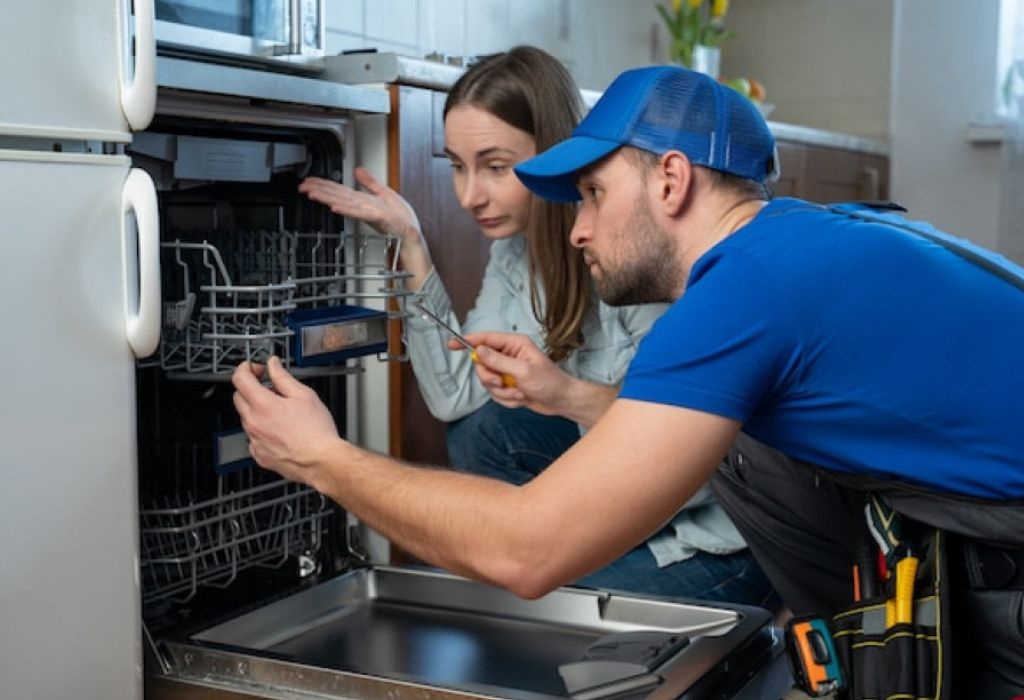
Before beginning the installation, it’s important to understand what’s required for a smooth dishwasher replacement.
Start by checking the dimensions of both your old and new units. Standard dishwashers are typically 24 inches wide, but compact models may be smaller. Ensure there’s enough clearance at the back for hoses and cords, and that the door can open fully without hitting cabinets or walls.
Next, assess your electrical setup. A dishwasher needs a dedicated 120-volt circuit with a grounded connection. If you have an older two-prong outlet or outdated breaker, it might be time to upgrade. This ensures safety and prevents tripping circuits while the appliance runs.
Then, inspect the plumbing connections. The hot water supply line should be within three feet of the installation area, and the drain connection should be easily accessible. If any pipes are corroded or leaking, replace them before connecting your new dishwasher.
Lastly, take note of local building codes. Some regions require an air gap fitting or a GFCI-protected outlet for added safety. Reviewing these ahead of time saves you trouble and ensures your installation meets modern safety standards.
Inspecting and Reusing Existing Connections
Before installing your new dishwasher, take time to inspect the existing plumbing and electrical connections. Reusing parts without checking their condition can lead to leaks, shorts, or poor performance later on.
Start by examining the water supply valve under the sink. If it’s corroded, stiff, or leaking, replace it with a new compression-type or quarter-turn valve. A reliable shut-off valve is essential for controlling water flow during maintenance or emergencies.
Next, look at your water supply line. Stainless-steel braided hoses can often be reused if they’re less than five years old and show no rust or kinks. However, rubber or plastic hoses should always be replaced—they degrade faster and are prone to bursting under pressure.
Move on to the drain hose. Check for clogs, discoloration, or cracks. If the hose feels brittle or smells foul, install a new one. Drain hoses are inexpensive, and replacing them prevents hidden leaks that can damage cabinets or floors.
Finally, inspect the electrical wiring and junction box. Make sure the wire insulation is intact and that the grounding screw is secure. Replace any frayed or burnt wires immediately.
Pro Tip: Even if connections look fine, replacing old components during installation is a smart investment. New fittings cost little compared to repairing water or electrical damage later.
Gathering Tools and Safety Equipment
Before you touch a single screw, gather all the tools and safety gear you’ll need.
A smooth installation depends on preparation — the fewer interruptions, the faster and safer your work.
You’ll need:
- Adjustable wrench and pliers
- Phillips and flat-head screwdrivers
- Cordless drill
- Level
- Bucket and towels
- Teflon tape
- Wire nuts and electrical tape
- Safety gloves and goggles
Always unplug the existing dishwasher or switch off the power at the circuit breaker. Water and electricity together pose a serious risk if not handled correctly.
Also, turn off the hot water valve under your sink to prevent accidental flooding when disconnecting the old unit.
Lay down an old towel or piece of cardboard to protect your floor from scratches and water drips.
Pro Tip: Use a bright LED work light or headlamp under the sink — shadows can hide small leaks or wiring issues during installation.
Removing the Old Dishwasher
Start by disconnecting both power and water.
If your old dishwasher uses a plug, unplug it; if it’s hardwired, switch off the breaker and verify power is off using a voltage tester.
Then, turn the water supply valve under the sink clockwise to shut off water. Place a towel or shallow pan underneath the connection — a few ounces of water will drain out when you detach the line.
Use a wrench to disconnect the water supply hose from the valve and from the dishwasher’s inlet fitting.
Next, remove the drain hose from the garbage disposal or sink drain tailpiece. Expect some residual water — drain it into your pan.
Open the dishwasher door and locate the mounting brackets securing the unit to the countertop. Remove these screws, then gently pull the dishwasher straight out of its cavity, guiding the hoses and cord carefully so they don’t snag.
Finally, open the small electrical junction box beneath the unit, loosen the wire nuts, and detach the black, white, and green wires. Cap or tape each for safety.
Safety Tip: Never assume power is off until you test the wires. Electricity can remain live on one side of a circuit even when appliances are unplugged.
Preparing the Space for Installation
Once the old dishwasher is gone, you’ll have a clear view of the cavity and utility connections.
Wipe away dust, grease, or debris left behind. Old leaks often leave mineral deposits that should be cleaned before placing the new unit.
Check that the floor beneath the opening is level. An uneven base can cause the new dishwasher to rattle, leak, or not drain properly. Use shims or adjustable feet later to fix any imbalance.
If you removed or replaced cabinetry, make sure the opening size matches your new dishwasher — typically 24 inches wide and 34 inches tall.
Drill or reuse existing access holes through the cabinet wall for the drain hose, electrical wiring, and water line. Each hole should be about 1.5 inches in diameter with smooth edges to protect the hoses.
Add sound-dampening insulation or a thin foam pad under the dishwasher for quieter operation.
Finally, position a plastic leak tray at the base of the opening. This inexpensive addition protects your flooring by catching minor drips or condensation.
Pro Tip: Spray a small amount of silicone lubricant on the floor before sliding in the new dishwasher — it helps the appliance glide in smoothly without scratching tiles.
Connecting the Water Supply Line
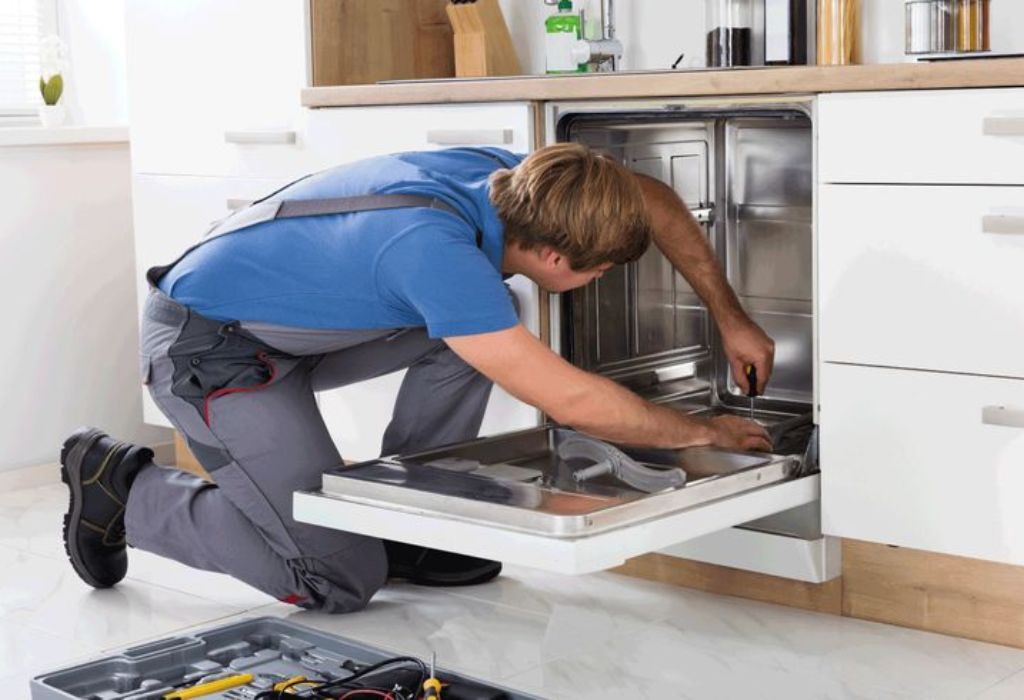
Now, it’s time to set up a clean, secure water connection.
Locate the hot water supply valve under your sink. Detach any old fittings and install a T-adapter or dual shut-off valve if needed, using Teflon tape on the threads for a tight seal.
Attach a stainless-steel braided water line (3⁄8-inch diameter) to the valve. These hoses are durable, flexible, and highly resistant to bursting — far safer than plastic lines.
Feed the water line through the access hole into the dishwasher cavity and connect it to the inlet port at the bottom front of the new machine. Hand-tighten first, then finish with a wrench, but stop as soon as you feel firm resistance.
Turn the water valve on slowly and check every joint for leaks. Even a small drip can lead to hidden floor damage over time.
If any connection leaks, shut off the valve, disconnect, rewrap with Teflon tape, and reconnect.
Pro Tip: Before final hookup, run hot water through the sink for a few seconds to clear out debris from the pipes. This prevents sediment from entering the dishwasher’s inlet valve and clogging filters later.
Connecting the Electrical Wiring Safely
With the plumbing ready, move to electrical work.
Dishwashers draw considerable power, so a dedicated 15- or 20-amp circuit is essential for safety and code compliance.
If your unit has a power cord, ensure the outlet inside the adjacent cabinet is GFCI-protected and grounded. For hardwired models, open the junction box on the dishwasher base. Feed your home’s electrical cable through a strain-relief clamp to prevent tugging.
Connect wires following color codes: black to black (hot), white to white (neutral), and green or bare copper to ground. Twist the wires together and secure them with wire nuts. Wrap with electrical tape for extra security.
Tug gently on each connection to ensure it’s tight, then close the junction box cover.
Restore power at the breaker temporarily and use a multimeter or outlet tester to confirm correct voltage and grounding.
Safety Tip: If you’re uncertain about electrical wiring, hire a licensed electrician. It’s better to spend a little more now than risk an electrical fire later.
Connecting the Drain Hose
The drain hose carries wastewater out of your dishwasher, so a secure connection is crucial.
Attach the hose to the drain outlet on the back of the dishwasher using the provided clamp. Run it through the side cabinet hole toward the sink area.
You have two standard connection points:
- Garbage disposal inlet — remove its knockout plug first and insert the hose.
- Sink drain tailpiece — install a Y-branch fitting if no disposal exists.
Whichever method you choose, form a high loop in the hose just below the countertop before connecting it. This prevents dirty water from siphoning back into the dishwasher.
Secure all ends tightly with hose clamps, and use zip ties to hold the hose in place so it doesn’t sag.
If local codes require it, mount an air-gap device on the countertop near the sink. It provides an extra layer of protection against backflow.
Run a quick water test after connection — pour a small cup of water into the dishwasher and manually start the drain cycle to check for leaks.
Pro Tip: Keep the total hose length under 10 feet. Longer hoses can reduce drainage power and increase the chance of clogs.
Positioning and Securing the Dishwasher
Carefully slide your dishwasher into the prepared opening, feeding the hoses and cords gently so they don’t snag or twist.
Align the front panel with the edges of your countertop and cabinets. Use a carpenter’s level to check both front-to-back and side-to-side alignment. Adjust the leveling legs as needed by turning them clockwise or counterclockwise.
Once leveled, secure the dishwasher to the countertop using the mounting brackets provided. Some units mount to the top, others to the sides — refer to the manual for correct placement. Tighten screws snugly but not too hard, as overtightening can damage cabinetry or warp the frame.
Open and close the door to confirm smooth movement. The door should stay open halfway without slamming or drifting closed.
Finally, organize excess drain hose and power cord behind the unit and secure them with clips or zip ties. Keep them clear of sharp edges or moving parts.
Pro Tip: Leave about a ½-inch gap at the top of the dishwasher for proper ventilation. This spacing helps the unit dry dishes more efficiently and prevents heat buildup inside the counter area.
Testing the Installation
Now it’s time for the moment of truth — testing your work.
Turn the water supply valve back on fully. Check under the sink and behind the dishwasher for leaks. If you notice any drips, tighten fittings slightly and wipe the area dry.
Next, restore power by switching the breaker back on or plugging in the cord. Close the dishwasher door and start a short rinse or test cycle.
Listen closely as the machine fills. The sound should be steady, not sputtering. Watch for any signs of water escaping beneath or behind the unit.
When the dishwasher begins to drain, observe the sink and drain hose area for leaks or backflow. Water should flow smoothly through the hose without splashing.
Once the cycle finishes, open the door and check that the base of the tub is free of standing water. A warm interior indicates the heating element and pump are functioning correctly.
Pro Tip: Run a full wash cycle without dishes before regular use. This helps flush out installation debris, clears the hose, and tests both heating and draining functions thoroughly.
Common Mistakes to Avoid During Installation
Even with careful planning, a few common errors can cause major issues later.
One of the biggest mistakes is forgetting the high drain loop. Without it, wastewater can back up into your dishwasher, leading to foul odors or contamination.
Another common issue is overtightening connections. Too much pressure on fittings can crack the plastic ports or strip threads, resulting in leaks.
Skipping leveling is also a frequent problem. A tilted dishwasher can cause uneven water distribution and poor drainage.
Finally, many DIYers make unsafe electrical connections. Always use wire nuts and ensure all connections are fully enclosed within the junction box.
Pro Tip: Keep a step checklist handy. Mark off each stage — plumbing, wiring, testing — before moving forward.
Maintenance Tips for Long-Term Safety
Now that your new dishwasher is running smoothly, maintaining it properly ensures years of efficient, safe operation.
Clean the filter and spray arms monthly to remove trapped food particles that can clog jets or cause odors.
Inspect the door gasket for grime or cracks — wipe it weekly with a damp cloth and mild soap to keep the seal flexible and watertight.
Every six months, run a cleaning cycle using white vinegar or a dishwasher cleaner tablet to dissolve grease, calcium, and detergent buildup.
Periodically check the water supply line and drain hose for signs of wear or leaks. Replace any brittle or corroded parts immediately.
Always leave the door slightly open after each wash to release moisture and prevent mold growth.
Pro Tip: Test your GFCI outlet quarterly by pressing the “Test” button. Ensuring it trips and resets properly confirms continued electrical safety for your damp kitchen environment.
Final Checks Before Regular Use
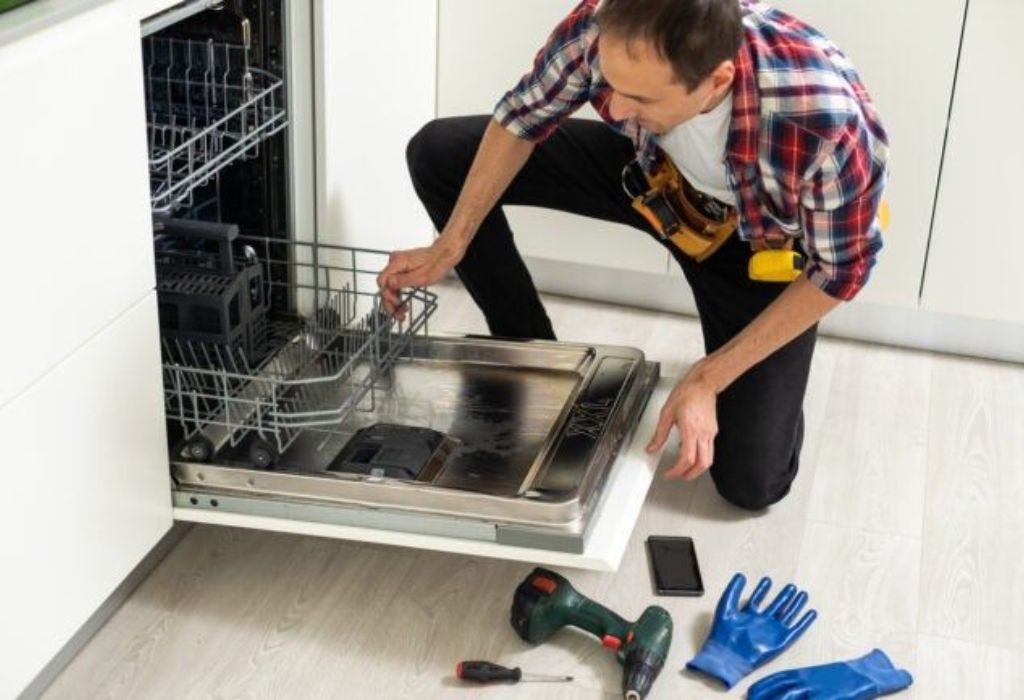
Once your dishwasher has passed initial testing and troubleshooting, there are a few final checks to complete before daily operation.
First, re-inspect every connection point. Use a dry paper towel around each joint—especially the water inlet and drain line—to confirm there are no slow leaks. Even minor drips can warp wooden cabinetry over time.
Next, confirm the door seal sits snugly around the frame. Close the door on a thin sheet of paper; if you can pull it out easily, the latch needs adjustment. Proper sealing ensures quiet performance and prevents steam from escaping.
Run one full cycle using dishwasher detergent only, with no dishes inside. This helps rinse away any manufacturing residue, dust, or debris that might remain inside from installation.
After the cycle, open the door slightly to allow moisture to escape and check that the heating element has properly dried the tub. The stainless interior should feel warm but not overly hot.
Lastly, review your owner’s manual and register the appliance for warranty coverage. Many brands require registration within 30 days for full protection.
Pro Tip: Mark the installation date on a small sticker inside the cabinet or near the valve—this makes it easy to track hose replacements and maintenance intervals over the coming years.
Frequently Asked Questions About-Installing a Replacement Dishwasher
Do I need a plumber for a replacement dishwasher?
Only if your existing water line or drain setup is damaged or outdated.
Can I reuse my old water supply line?
It’s safer to replace it. Old hoses can become brittle and leak under pressure.
How long does the installation take?
Usually between 2 and 4 hours for most homeowners.
Do I need an air gap?
It depends on local plumbing codes, but it’s always a good safety feature.
What’s the ideal distance from the sink?
Keep your dishwasher within 3 feet of the sink for easier plumbing connections.
Is a GFCI outlet mandatory?
It’s strongly recommended for safety in wet environments.
How much water does a new dishwasher use?
Typically 3–5 gallons per cycle, far less than handwashing.
Can I install it on a wooden floor?
Yes, as long as it’s level and sealed against moisture.
How often should I replace hoses?
Inspect yearly and replace every 5 years as a precaution.
What if the dishwasher leaks after installation?
Turn off the water immediately, tighten fittings, and recheck with Teflon tape.
Should I run the dishwasher empty after installing?
Yes — it flushes debris and ensures all systems work correctly.
What’s the average cost of DIY installation?
Roughly $150–$300 if tools and connections already exist.
Can I connect it to cold water?
No. Dishwashers require hot water for proper cleaning.
Does a dishwasher add home value?
Yes, especially in older homes — it’s an expected modern convenience.
How long should a dishwasher last?
With proper care, most models last 10–12 years or longer.
Conclusion
Installing a replacement dishwasher safely at home doesn’t require professional training — just patience, the right tools, and a commitment to doing things correctly.
By carefully following each step — from disconnecting power and plumbing to testing for leaks — you’ll achieve a professional-quality installation that’s safe and long-lasting.
Your new dishwasher will make everyday chores faster, quieter, and more energy-efficient. And best of all, you’ll have the satisfaction of knowing you completed the project yourself.
Keep your maintenance routine consistent, check fittings annually, and your dishwasher will continue performing flawlessly for years.
Final Tip: Register your appliance warranty online and store receipts safely. Proper documentation helps with future repairs or manufacturer support — ensuring your investment stays protected.

I’m Emma J. Caldwell, the founder, lead writer, and home-cooking enthusiast behind KitchenGuideCo.com. With a background in culinary arts and over a decade of cooking experience in both professional and personal kitchens, I created this platform to demystify recipes, offer smart kitchen gadget reviews, and guide readers through meal prep with confidence and clarity.