The kitchen feels different the moment an empty cabinet space waits for its new appliance, turning a renovation into something more exciting than routine.
Many homeowners expect the process to be as simple as sliding the oven into place, only to realize that precise wiring, correct measurements, and secure mounting decide whether the installation works safely.
Even a small mistake can lead to tripped breakers, damaged cabinets, or an oven that will not sit flush against the wall.
A wall oven changes how a kitchen looks and functions because it becomes a built-in appliance rather than something that simply rests on the floor.
Unlike freestanding ranges, wall ovens require a prepared cabinet opening that can support weight, manage heat, and meet electrical requirements. When each step is handled correctly, the installation not only looks seamless but also operates safely for many years.
Learning how to install a wall oven empowers homeowners to understand what professionals do and what must be planned before any tools come out. From measuring the cut-out space to testing electrical connections, every stage plays a role in the final result.
With the right guidance, the process becomes organized and far less stressful, helping the new appliance slide in smoothly and function perfectly on the very first use.
Understanding What a Wall Oven Installation Involves
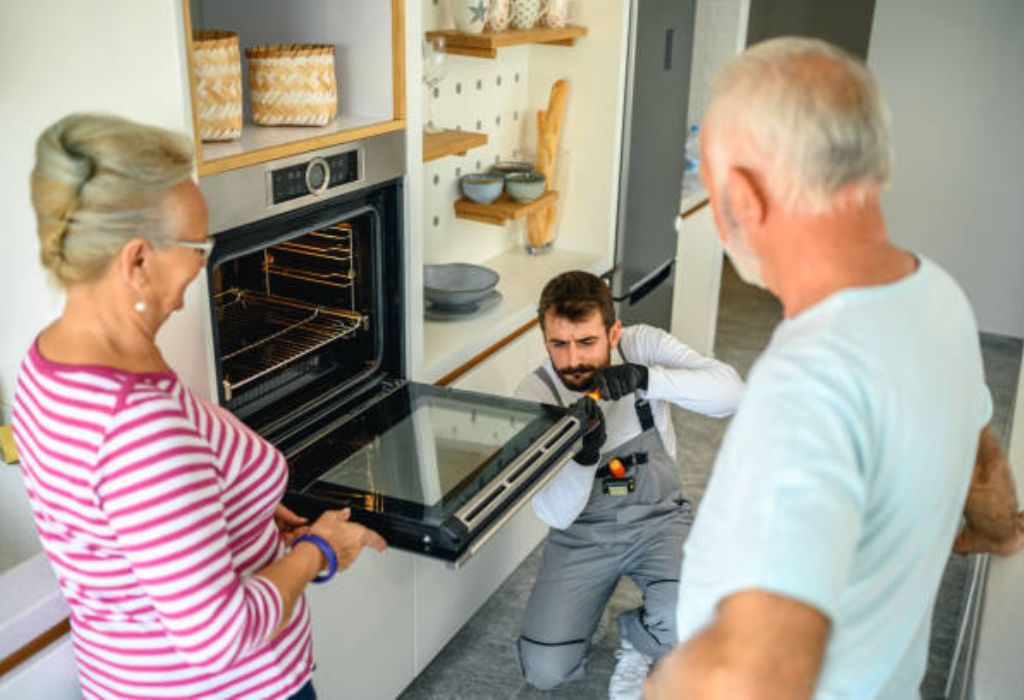
Installing a wall oven is different from placing a standard range because it requires a built-in opening that supports weight securely.
The oven must fit inside the cabinet without gaps while still leaving clearance for ventilation and heat expansion. This combination makes accurate preparation more important than the physical mounting itself.
Wall ovens come in electric and gas models, but most modern units are electric due to simpler installation and consistent performance.
Gas wall ovens require additional safety checks and licensed professional involvement depending on local regulations. Understanding which type you are working with determines the steps and tools needed before beginning.
Unlike freestanding units that sit on adjustable legs, wall ovens rely on cabinet framing for vertical support.
The opening must meet manufacturer dimensions so the oven aligns flush with surrounding surfaces. If the space is too tight, the unit may not slide in properly, and if too large, it may shift or leave visible gaps.
Ventilation plays a major role in preventing overheating inside the cabinet structure. Even though wall ovens are insulated, they still release heat that must escape safely through designed channels. Blocking ventilation paths can reduce performance and shorten the lifespan of internal components.
Installation also involves understanding electrical requirements before connecting any wires. Wall ovens typically need a dedicated circuit to prevent overload and reduce fire hazards. Skipping this step can cause breakers to trip or wiring to overheat under heavy use.
Knowing what the installation involves helps homeowners avoid rushing into the process without preparation.
Once the expectations become clear, the remaining steps feel more manageable and less confusing. Proper planning reduces mistakes and makes the final installation safer and more reliable.
Measuring the Space and Preparing the Cabinet Opening
Accurate measurement is the most critical part of wall oven installation because every model requires a specific cut-out size.
Measuring only the front trim can lead to mistakes since the internal chassis is often smaller than the visible face. Following the manufacturer’s cut-out diagram ensures the oven slides in without forcing or modification.
Standard wall oven sizes include twenty four, twenty seven, and thirty inch widths, but depth and height vary between brands.
Some replacement installations require adjusting the cabinet framing if the opening does not match the new dimensions. Understanding these differences prevents surprise trimming during installation day.
Clearance space is required around the oven to allow heat circulation and avoid cabinet damage. Tight fitting with zero airflow can trap heat and affect both performance and safety. Manufacturers specify top, bottom, and side gaps that must be respected for proper operation.
The cabinet must support the full weight of the oven, which can exceed one hundred fifty pounds depending on size.
Reinforcing weak shelves or adding support rails ensures the oven does not shift over time. Skipping reinforcement can lead to sagging, alignment problems, and unsafe mounting.
Preparing the opening includes removing doors, shelves, and any trim that obstructs insertion. Smooth surfaces prevent scratching the oven chassis during installation. Using cardboard sheets or blankets protects nearby cabinetry while positioning the unit.
Understanding how to prepare the space eliminates the trial-and-error approach that causes delays and frustration.
Once the cabinet matches the specified cut-out, the oven can be installed with confidence. Proper preparation creates a secure foundation for the remaining steps.
Can I install a new wall oven in the same opening as the old one?
Sometimes the new model fits the old cut-out but many replacements require adjusting height or width to match updated dimensions.
Do all thirty inch wall ovens have the same measurements?
No visible trim size may match but internal chassis and cut-out requirements vary between brands and models.
What happens if the opening is slightly too big?
Shims or filler trim kits can correct minor gaps but large differences may require cabinet modification for proper support.
Should the oven sit directly on the bottom shelf?
Most installations require support rails instead of resting only on a shelf to distribute weight safely inside the cabinet.
Is ventilation clearance really necessary?
Yes lack of clearance traps heat which can damage wiring insulation and shorten oven lifespan over time.
Electrical and Power Requirements for Wall Ovens
Wall ovens require a dedicated electrical circuit because they draw significant power during heating cycles.
Sharing the circuit with other appliances increases the risk of tripped breakers or overheating. Confirming electrical capacity before installation prevents unsafe conditions and costly rewiring later.
Most electric wall ovens operate on two hundred forty volts with amperage ranging from twenty to fifty amps depending on size.
Double ovens typically require higher amperage than single units due to increased heating elements. Checking the appliance specification label ensures the correct breaker and wire size are used.
Hardwiring is more common than plug-in connections because it provides a secure and permanent electrical link.
Some models include a junction box for wiring, while others require installing one separately inside the cabinet. Local electrical codes may dictate connection methods based on safety standards.
An electrician should be consulted if the existing wiring is outdated damaged or does not meet voltage requirements.
Aluminum wiring older than copper installations may need upgrading to support modern appliances safely. Attempting to connect a high-draw oven to improper wiring can result in fire hazards.
Breaker panels must accommodate the correct amperage without combining circuits that power other kitchen outlets. Installing a dedicated breaker ensures stable performance when the oven reaches peak temperature. This also prevents lights or other appliances from dimming during heating cycles.
Understanding electrical requirements removes guesswork and reduces risk during installation. Once the wiring meets proper standards the remaining steps become safer and more straightforward.
Electrical preparation is the foundation of a successful and compliant installation.
Can a wall oven plug into a standard outlet?
No wall ovens require higher voltage and dedicated circuits unlike countertop appliances that use standard one hundred twenty volt outlets.
Do single and double wall ovens need different breakers?
Yes double ovens draw more power and typically require higher amperage circuits than single units.
Can I use existing wiring from an old oven?
Only if the wiring meets current voltage and amperage requirements and shows no signs of damage or outdated material.
Is hardwiring safer than using a plug?
Hardwiring provides a secure connection and is required in many installations depending on local electrical code.
Should I install a wall oven without an electrician?
If you are unsure about wiring specifications consulting a licensed electrician prevents unsafe conditions and code violations.
Removing an Old Wall Oven Safely
Turning off power at the breaker panel is the first step before touching any part of an old wall oven. Confirming the circuit is completely de-energized prevents electrical shock during removal. Using a voltage tester adds an extra level of safety before disconnecting wires.
Old wall ovens can be extremely heavy so supporting the unit while loosening mounting screws is essential. Sliding the oven out too quickly can damage the cabinet or pull wiring unexpectedly. A second person should assist to keep the unit stable during the process.
Disconnecting wiring requires carefully opening the junction box and removing wire nuts one connection at a time.
Leaving wires labeled helps identify line neutral and ground when installing the new oven. Damaged or frayed wires should be repaired before proceeding with the new installation.
Cabinet trim or mounting brackets from the old model may not match the new appliance. Removing outdated hardware ensures the new oven sits flush and aligns correctly. Filling old screw holes may be necessary to create a clean and secure mounting surface.
Proper disposal of the old oven depends on local regulations and recycling programs. Many appliances contain metal components that can be recycled instead of thrown away. Contacting waste management services helps determine approved disposal methods.
Removing an oven safely prepares the space for smooth installation without unnecessary interruptions. Careful handling prevents injury and protects surrounding cabinetry from damage. Once the old unit is removed the opening can be inspected for structural readiness.
Unboxing and Preparing the New Wall Oven
Inspecting the oven for shipping damage ensures hidden dents or cracks are discovered before installation. Reporting issues early prevents warranty complications and avoids mounting a defective appliance.
Checking the glass door and control panel is especially important since these parts are vulnerable during transport.
Removing the oven door temporarily reduces weight and makes handling easier during positioning.
Doors typically lift off once hinges are unlocked allowing safer maneuvering through tight spaces. Racks and accessories should also be removed to prevent rattling or internal shifting.
Mounting hardware and instruction manuals must be reviewed before proceeding because not all ovens use the same bracket system.
Understanding where each screw and support piece belongs prevents mistakes during alignment. Skipping this step often leads to reinstalling components after discovering incorrect placement.
Verifying the wiring configuration helps match the oven to the existing electrical setup. Some models arrive configured for three-wire connections while homes may require four-wire systems.
Adjusting terminals according to manufacturer instructions ensures a safe and compliant connection.
Protecting surrounding cabinets with blankets or cardboard prevents scratching while lifting the oven into position. Tight spaces make maneuvering challenging without surface protection. Preparation reduces accidental damage during the most physically demanding stage.
Unboxing and preparing the oven makes the final installation efficient and organized. When all components are ready the process becomes smoother and less stressful. Proper preparation eliminates delays and supports a professional-looking finish.
Should I remove the oven door before installation?
Removing the door reduces weight and makes lifting easier especially in narrow cabinet openings.
What if the oven arrives with dents or broken glass?
Contact the retailer or manufacturer immediately because installing a damaged unit may void warranty coverage.
Do all ovens use the same mounting brackets?
No bracket styles vary so reading the manual prevents incorrect placement and alignment issues.
Can the wiring be changed if my home uses a different configuration?
Yes most ovens allow terminal adjustment but must follow manufacturer instructions to meet safety requirements.
Is it necessary to remove racks before installation?
Removing racks prevents movement and reduces weight making the oven easier and safer to position.
Securing the Oven Into the Cabinet Opening
Lifting the oven into the cabinet requires slow and controlled movement to prevent damage to the surrounding surfaces.
Positioning the unit on temporary support rails allows adjustments before sliding it fully into place. Rushing this step can cause the oven to tilt or scrape the cabinet frame unexpectedly.
Aligning the front trim so it sits flush with the surrounding cabinetry creates a clean built in appearance. If the oven sits too far forward the door may not seal correctly and heat loss can occur during operation.
Sliding the unit back in small increments ensures proper alignment without forcing pressure on the frame.
Mounting screws must be attached only after verifying the oven is level and centered. Tightening hardware too early may pull the oven off alignment and create gaps around the trim.
Checking both vertical and horizontal balance prevents uneven door closing and long term stress on internal components.
Most manufacturers require securing the oven through predrilled holes on the side or top flanges. Using the correct screw length prevents penetrating the cabinet wall or damaging hidden wiring.
Following the installation diagram ensures each connection supports the oven without over tightening.
Leaving access space for electrical or gas connections is necessary before fully seating the appliance. If the oven is pushed back too soon wires may become pinched or pull loose. Working in phases allows safe positioning and easier final adjustments.
Securing the oven properly ensures it remains stable during daily use and door operation. Once the hardware is tightened and alignment confirmed the installation looks seamless and professional. Careful mounting protects both the appliance and the cabinet structure over time.
Connecting Electrical Wiring or Gas Supply
Connecting the electrical supply begins only after verifying power remains off at the breaker panel. Working on live wires creates a serious shock risk even when the oven switch appears off. Using a voltage tester confirms that the circuit is safely de energized before starting.
Matching the home wiring to the oven terminals prevents improper grounding or reversed polarity.
Most modern installations require four wire connections with separate neutral and ground. Following the wiring diagram ensures compliance with electrical codes and manufacturer requirements.
Wire nuts must be tightened securely and placed inside the junction box to protect exposed connections.
Loose or unprotected wiring can cause overheating and electrical arcing during high temperature cycles. Securing the cover plate prevents accidental access once the oven is in place.
Gas wall ovens require licensed professional installation depending on regional safety regulations. Flexible gas lines must be inspected for leaks before connecting to the appliance inlet. Using thread sealant approved for gas fittings prevents dangerous leaks after installation.
Testing for leaks involves applying soapy water to all joints and watching for bubbles during pressure flow. If bubbles appear the line must be shut off and tightened before proceeding further. Never test gas lines with open flames under any circumstance.
Once wiring or gas connections are complete the oven can be pushed fully into the cabinet. Keeping wires organized prevents binding when the appliance slides into position. Proper connections ensure safe operation from the first heating cycle forward.
Leveling, Anchoring, and Heat Clearance Checks
Leveling the oven ensures doors close evenly and heat distributes correctly during cooking. An unlevel oven can cause racks to slide unexpectedly or food to cook unevenly across trays.
Using a bubble level on the top surface helps adjust shims or support rails until alignment is accurate.
Anchoring the oven prevents movement when opening and closing the door. Repeated pressure over time can shift a loosely mounted oven forward and strain cabinet framing. Securing all brackets firmly ensures long term stability and professional installation quality.
Heat clearance must be checked around the trim and cabinet walls to allow safe ventilation. Wall ovens release heat through designed exhaust paths that must not be blocked by insulation or stored items.
Ignoring clearance instructions can lead to overheating and reduced appliance lifespan.
Some models require additional airflow at the base or rear depending on internal cooling fan design. Reading the installation guide clarifies which areas must remain unobstructed.
Maintaining clear space ensures the oven operates within safe temperature limits during prolonged use.
Double ovens produce more heat and may require reinforced support underneath the lower unit. Cabinet flooring must be strong enough to handle combined weight without sagging. Adding support rails distributes weight evenly and prevents long term shifting.
Completing leveling and clearance checks prevents performance issues and safety risks during operation. Once alignment is correct and ventilation confirmed the installation moves confidently into the testing phase. Final adjustments guarantee smooth and reliable use for years ahead.
What happens if the oven is not leveled correctly?
An uneven oven can cause poor door sealing rack imbalance and uneven cooking results across all shelves.
Do all wall ovens require anchoring screws?
Most models require anchors to prevent shifting especially during heavy door use or long term operation.
Is extra clearance needed behind the oven?
Manufacturers specify minimum clearance and blocking airflow can trap heat and damage internal components.
Can double ovens sit on the same support as single units?
Double ovens are heavier and often require reinforced support to prevent cabinet sagging over time.
Should insulation be added around the oven?
Insulation should never be added unless specified because it can trap heat and create unsafe operating conditions.
Testing the Oven After Installation
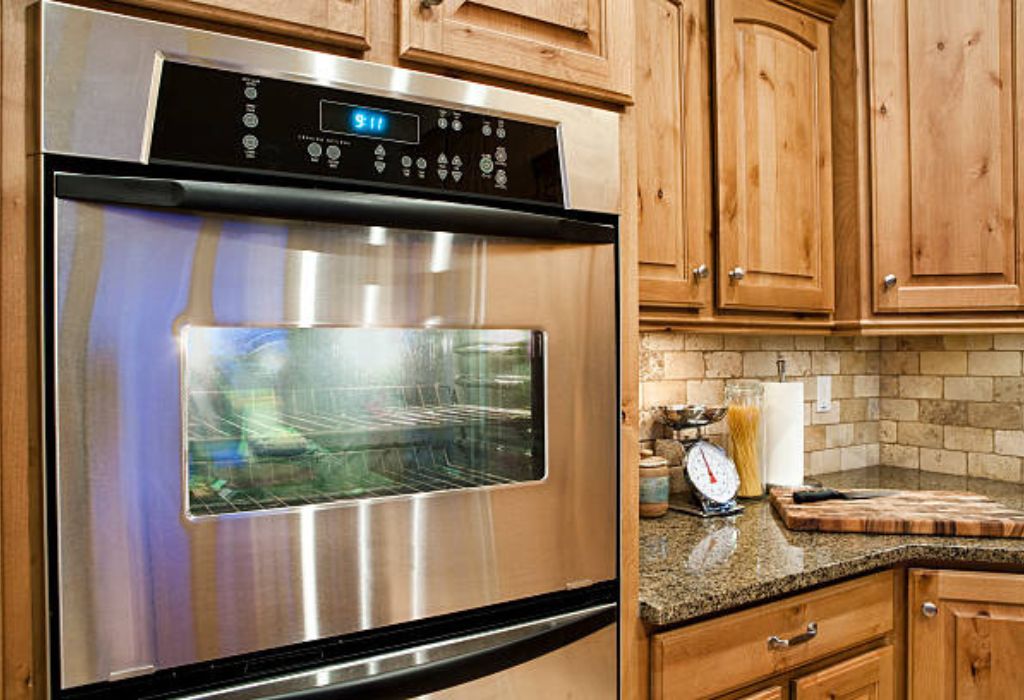
Restoring power at the breaker allows the oven to initialize and run self checks. Most modern units display startup indicators that confirm proper electrical connection. If the control panel remains unresponsive the wiring may require inspection before proceeding.
Running an empty heating cycle helps burn off manufacturing residue and verifies heating elements function correctly. A light odor during the first cycle is normal and should dissipate with proper ventilation. If smoke appears or unusual noises occur the oven should be shut off and examined immediately.
Checking interior lights and fan operation confirms that auxiliary components function as intended. Cooling fans may continue running after the heating cycle ends which indicates normal heat dissipation. Lack of fan activity could suggest wiring or internal component issues.
Testing temperature accuracy with an oven thermometer ensures proper calibration. If readings differ significantly from the set temperature recalibration may be necessary according to the user manual. Accurate temperature control is essential for reliable cooking performance.
Inspecting the door seal ensures no heat escapes during operation. Warm air leaking around the trim suggests misalignment or damaged gasket surfaces. Correcting this issue prevents energy loss and improves cooking efficiency.
Completing the testing phase confirms the installation is both safe and fully functional. Once performance is verified the oven is ready for everyday use with confidence. Proper testing prevents surprises and ensures long lasting reliability.
Maintenance, Safety, and Long-Term Operation Tips
Keeping the oven clean prevents grease buildup that can interfere with airflow and heating efficiency. Wiping spills after cooling avoids burnt residue during future cooking cycles. Regular maintenance supports consistent temperature and reduces wear on internal components.
Inspecting the door gasket periodically helps maintain proper sealing. A damaged gasket allows heat to escape and forces the oven to work harder to maintain temperature. Replacing worn seals preserves efficiency and improves cooking results.
Avoid storing items inside the oven even when it is not in use. Hidden objects can ignite during preheating or block airflow inside the cavity. Using the oven only for cooking prevents accidental hazards and protects internal surfaces.
Ensuring ventilation openings remain clear supports cooling system performance. Blocking vents with towels or nearby objects restricts heat release and raises internal temperature. Proper airflow prolongs component life and prevents overheating.
Cleaning around the electrical junction box and cabinet area helps detect early signs of wear. Loose wiring or scorch marks indicate potential problems that require professional attention. Early detection prevents major failures and safety risks.
Following long term maintenance practices keeps the oven operating smoothly for many years. Understanding how to care for the appliance reduces repair costs and improves daily performance. Consistent upkeep completes the installation process by ensuring lasting reliability.
How often should the door gasket be checked?
Inspecting the gasket every few months helps detect wear early and prevents heat loss during operation.
Can self cleaning cycles damage cabinets?
Extended high heat can affect nearby surfaces so maintaining ventilation clearance prevents heat stress on cabinetry.
Is it safe to store pans inside the oven?
Storing items increases fire risk and can block airflow so the oven should remain empty when not actively cooking.
Do wall ovens need professional servicing?
Periodic inspection by a technician helps identify electrical or component issues before they become serious problems.
Can blocked vents affect oven performance?
Blocked vents restrict cooling airflow which can lead to overheating and reduced appliance lifespan over time.
Conclusion
Installing a wall oven successfully depends on planning measurements and understanding electrical requirements before beginning.
Each stage from preparing the cabinet to securing the unit ensures the oven fits correctly and operates safely after installation. When steps are followed carefully the final result looks seamless and performs reliably for everyday cooking.
Electrical and ventilation considerations are essential because wall ovens generate significant heat during operation.
Using dedicated circuits proper wiring and correct clearance prevents overheating and reduces long term wear. Testing the oven after installation confirms all components function as intended and supports safe initial use.
With proper maintenance and periodic inspection the wall oven continues performing efficiently for many years.
Homeowners who understand the installation process gain confidence and reduce the need for costly professional corrections. A well installed wall oven transforms the kitchen both visually and functionally with long lasting benefits.

I’m Emma J. Caldwell, the founder, lead writer, and home-cooking enthusiast behind KitchenGuideCo.com. With a background in culinary arts and over a decade of cooking experience in both professional and personal kitchens, I created this platform to demystify recipes, offer smart kitchen gadget reviews, and guide readers through meal prep with confidence and clarity.