Figuring out how to juice hard vegetables can seem like a puzzle for many. It’s common to struggle with tough roots and stems, leading to frustration and less-than-perfect juice. But don’t worry! This guide breaks down the process into easy-to-follow steps. We’ll show you exactly how to prep and juice those hard veggies, so you can enjoy delicious and healthy juices. Keep reading, and we’ll get started.
Prep Work for Juicing
Before you even think about turning on your juicer, there are a few important steps. Preparing your vegetables correctly is key for great juice and keeping your machine in good shape. Rushing this stage can lead to problems like a clogged juicer and a less-than-ideal juice outcome. This section will walk you through washing, chopping, and peeling so your hard veggies are ready for the blade.
Washing and Scrubbing
The first and most important step in the process is washing your vegetables. This removes dirt, pesticides, and any unwanted residue. Even if you buy organic, it’s a good practice. Begin by rinsing each vegetable thoroughly under cold, running water. Pay close attention to any areas where dirt might cling, like crevices or the bottoms of roots. A vegetable brush can be a lifesaver for scrubbing away stubborn grime. For more fragile veggies, a gentle scrub is all you need to remove dirt without damage. Always wash your hands before handling the produce.
- Use Cold Water: Warm water can sometimes soften the vegetables too much, making them harder to chop.
- Scrub Stubborn Dirt: A firm vegetable brush works wonders on root vegetables.
- Inspect for Damage: Check for any bruises, soft spots, or signs of decay and remove them.
- Wash Immediately Before Juicing: This keeps the vegetables fresh and prevents any unnecessary wilting.
Chopping and Sizing
Once your vegetables are clean, it’s time to chop them into manageable pieces. The size you chop them depends on your juicer’s feed chute. If the chute is narrow, you’ll need smaller pieces to avoid clogging. This is important for hard vegetables, which can put a lot of strain on the machine. Uniformly sized pieces also ensure even juicing and prevent the juicer from working harder than necessary. By preparing your vegetables correctly, you’re not just creating a smoother juicing experience; you’re also safeguarding your juicer from potential damage.
- Match to Feed Chute: Cut vegetables to fit the size and shape of your juicer’s opening.
- Remove Large Seeds: Get rid of seeds from items like cucumbers that might affect flavor or texture.
- Cut Uniformly: Chop into similar-sized pieces for consistent juicing.
- Leave the Skin On (in most cases): Many skins contain valuable nutrients, so don’t peel unnecessarily.
Peeling and Stem Removal
While some vegetables can be juiced with their skins on, others may need a little extra prep. Peeling can get rid of any bitter flavors or tough textures. For example, the skin of a pineapple is too tough for juicing and can damage your machine. Removing tough stems, like those from kale or celery, can make the juice smoother and easier to drink. Pay close attention to this stage, as it can affect both the taste and texture of your final juice. Different types of vegetables require different preparation methods.
- Consider Skins: Decide which skins are edible (cucumber) and which are not (pineapple).
- Remove Woody Stems: Tough stems can add bitterness.
- Peel as Needed: Use a vegetable peeler for easy peeling of items like ginger.
- Inspect for Imperfections: Remove any brown spots or damaged parts.
Choosing the Right Juicer for Hard Vegetables
Not all juicers are created equal when it comes to dealing with tough vegetables. The type of juicer you have directly affects the ease and efficiency of juicing. Some juicers are designed for softer produce, while others can handle tough roots and fibrous greens. Knowing the differences between juicer types and their strengths will ensure you select the best fit for your needs. Picking the right juicer makes all the difference in getting the most nutrients from your hard veggies.
Centrifugal Juicers
Centrifugal juicers are the most common and often the most affordable type of juicer. They work by using a fast-spinning blade to chop the vegetables and then forcing the pulp against a mesh filter to extract the juice. These juicers are great for quickly juicing fruits and vegetables, making them good for beginners. However, they aren’t always the best choice for hard vegetables, as they can sometimes struggle with tough fibers, leading to less juice and a drier pulp. The speed of centrifugal juicers is a big plus when you need a quick juice.
- Fast Juicing: Quick for preparing juice.
- Affordable: Generally less expensive than other types.
- Less Efficient with Hard Veggies: May leave more juice in the pulp.
- Loud Operation: Can be noisy.
Masticating Juicers
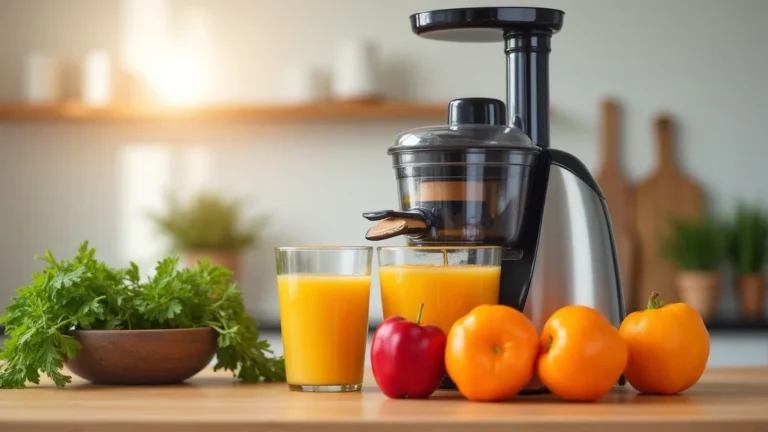
Masticating juicers, also known as slow juicers or cold-press juicers, gently crush and press vegetables to extract juice. This slow process results in a higher juice yield, and the juice often contains more nutrients and lasts longer. They work well with tough vegetables like carrots and beets because they thoroughly break down the fibers. The slow speed of masticating juicers results in less oxidation, preserving more vitamins and enzymes. This juicer type is a superb choice for juicing hard vegetables.
- High Juice Yield: Extracts more juice from the pulp.
- Preserves Nutrients: Less oxidation means more vitamins.
- Handles Hard Vegetables Well: Designed for fibrous and tough produce.
- Slower Process: Takes more time to juice.
Twin-Gear Juicers
Twin-gear juicers, the top-end juicers, use two gears that mesh together to crush and extract juice. They are incredibly efficient and deliver the highest juice yield and the most nutrients. These juicers are often used for leafy greens and hard vegetables. The two gears work to extract every last drop of juice, resulting in extremely dry pulp. Twin-gear juicers are great if you are serious about juicing and want to extract the maximum amount of nutrients from your ingredients. They are an investment but pay off with better quality juice.
- Highest Juice Yield: Gets the most juice from the produce.
- Best Nutrient Retention: Preserves the most vitamins.
- Excellent for Leafy Greens and Hard Veggies: Handles a wide variety of ingredients.
- Expensive: Usually the most costly juicer type.
Juicer Comparison Table
Here’s a comparison of different juicer types to help you make a smart choice.
| Feature | Centrifugal | Masticating | Twin-Gear |
|---|---|---|---|
| Juice Yield | Moderate | High | Very High |
| Nutrient Retention | Moderate | High | Very High |
| Speed | Fast | Slow | Slow |
| Price | Low | Moderate | High |
| Best For | Fruits, softer veggies | Leafy greens, hard veggies | Leafy greens, hard veggies, maximum nutrients |
The Juicing Process: Step-by-Step
Once you’ve prepped your vegetables and chosen your juicer, it’s time to start the juicing process. This section provides a simple, step-by-step guide to help you. Following these steps can help avoid common issues, like a clogged machine or uneven juicing. Practice makes perfect, and with a little patience, you’ll be enjoying fresh, delicious juice in no time. We will cover the specific approach for juicing hard vegetables.
Loading the Vegetables
The correct way to load vegetables into the juicer is vital for a smooth juicing experience. Start by turning on your juicer and letting it run. Feed the prepared pieces into the feed chute gradually. Overloading the chute can cause the machine to struggle or even jam. Alternating between different types of vegetables, like hard and soft ones, can also help to prevent blockages. This approach can help keep the machine running efficiently. Always follow the manufacturer’s suggestions on how to load your particular juicer. Proper loading is also key for the lifespan of your juicer.
- Start Juicer: Turn the juicer on before adding ingredients.
- Feed Gradually: Add pieces slowly to avoid overloading.
- Alternate Ingredients: Alternate hard and soft veggies.
- Use the Pusher: If your juicer has one, use it to guide produce.
Juicing Techniques
Different juicing techniques work best for hard vegetables. For example, you might need to apply a little more pressure when using a masticating juicer, but never force the ingredients. With some juicers, it can be beneficial to juice tougher veggies last. This can assist with cleaning out the juicer and improving juice flow. Knowing the best techniques for your specific juicer is key to maximizing juice yield and preventing clogging. Take a little time to study how the machine works, and you’ll become a pro in no time.
- Apply Gentle Pressure: Don’t force vegetables into the juicer.
- Juice Hardest Last: Run hard vegetables after softer ones.
- Check the Pulp: Dry pulp indicates efficient juicing.
- Pause if Needed: Turn off the juicer if it starts to struggle.
Troubleshooting Common Issues
Even with the best preparation, problems can arise. A clogged juicer or dry pulp can happen. One tip for avoiding this is to make sure you are not overfilling the machine. Another step is to alternate between different types of vegetables. If you have any problems, it is important to stop the machine, take it apart, and clean it. The right juicing techniques, like alternating ingredients and cutting them properly, will keep the juicer running smoothly. By learning the common problems and how to fix them, you can keep the process flowing and keep the juice coming.
- Clogged Juicer: Turn off and clean the juicer.
- Dry Pulp: Reduce the speed of the juicer.
- Bitterness: Adjust ingredient ratios.
- Low Juice Yield: Try smaller vegetable pieces.
Specifics for Hard Vegetable Juicing
Now, let’s explore how to juice some specific hard vegetables. Each vegetable has its own unique texture and characteristics, so understanding how to work with each one can make a big difference. This section will guide you through the process for some of the most common hard vegetables. This helps to get the best juice from each type of vegetable, ensuring maximum flavor and nutrition in every glass.
Juicing Carrots
Carrots are a common ingredient in many juices because they’re packed with nutrients. To juice carrots efficiently, wash and scrub them thoroughly to remove all traces of dirt. Carrots often have different thicknesses, so cut them into evenly sized pieces so they juice well. Feed the carrots into the juicer slowly. This helps the juicer process the tough fibers. You will find that carrot juice is naturally sweet and delicious. Carrots are a fantastic source of Vitamin A, so they make a great addition to your diet.
- Wash Thoroughly: Remove all dirt and soil.
- Cut to Size: Chop into similar-sized pieces.
- Feed Slowly: Let the juicer process each piece.
- Enjoy the Sweetness: Carrots make a naturally sweet juice.
Juicing Beets
Beets are another nutrient-rich vegetable, but they can be a bit more challenging to juice. Beets can stain everything, so wear an apron and take care around your countertop. They also have a strong, earthy flavor, so you might like to blend them with other vegetables or fruits to balance the taste. Beets also have a high sugar content, so consider the overall amount of sugar in your juice. With a few tweaks, you’ll be enjoying the healthy benefits of beet juice in no time. Beets are excellent for liver health.
- Wash Carefully: Beets can stain, so wash them well.
- Wear Protection: Wear an apron and protect your surfaces.
- Pair with Other Ingredients: Combine with other items to balance taste.
- Control Sweetness: Factor in the sugar content of beets.
Juicing Celery Root
Celery root, also known as celeriac, has a unique flavor and is packed with nutrients. Preparing celery root for juicing involves scrubbing off the dirt. Since it has a rough skin, peeling it is often needed before juicing. Celery root can be dense, so chop it into manageable pieces to prevent the juicer from working too hard. Celery root juice can be an acquired taste, so consider mixing it with other items, like carrots or apples, to make it more appealing. Celery root brings a unique flavor to juices.
- Scrub and Peel: Clean and peel the tough skin.
- Cut into Pieces: Chop into manageable-sized chunks.
- Mix with Other Veggies: Combine with other ingredients.
- Enjoy the Unique Flavor: Experience the unique taste.
Juicing Turnips
Turnips offer a slightly peppery flavor and are very healthy. Similar to other root vegetables, you’ll start by washing the turnips. Peeling is optional, but it can remove some of the slightly bitter taste. Turnips have a firm texture, so cutting them into smaller pieces will help the juicer. Turnip juice can be a strong flavor on its own, so consider combining it with sweeter ingredients like carrots or apples to balance the taste. Turnips are great for supporting your digestive health.
- Wash and Peel: Clean and peel the turnip if you choose.
- Cut into Pieces: Chop into manageable-sized pieces.
- Mix with Other Ingredients: Combine with sweeter items to balance taste.
- Note the Peppery Flavor: Consider the distinct taste of turnips.
- Carrot and Apple Juice: Start with carrots and apples for a sweet taste and gradually add other ingredients.
- Beet and Ginger Blend: Combine beets, ginger, and a little lemon for a flavorful and nutrient-rich juice.
- Celery Root and Carrot Combo: Blend celery root with carrots for a unique and savory juice.
- Turnip and Citrus Juice: Mix turnips with oranges or grapefruit to balance the flavors.
Frequently Asked Questions
Question: Can I juice hard vegetables without peeling them?
Answer: It depends on the vegetable and the juicer. Some vegetables, like carrots and cucumbers, can be juiced with their skins on. Others, like beets, may benefit from peeling to reduce bitterness.
Question: Do I need to remove the leaves from root vegetables?
Answer: It depends. Some leaves, like carrot tops, are edible and can be juiced. However, some leaves may be too bitter and can affect the flavor of your juice.
Question: How can I clean my juicer after juicing hard vegetables?
Answer: Disassemble the juicer and rinse all the parts under warm water. Use a brush to remove any pulp and residue from the blade and mesh filter. Let the parts dry completely before reassembling.
Question: How long can I store fresh vegetable juice?
Answer: Freshly made juice is best consumed immediately. If you need to store it, keep it in an airtight container in the refrigerator for up to 24-48 hours. The nutrients start to degrade over time.
Question: What’s the best way to prevent my juicer from clogging?
Answer: Feed vegetables slowly and alternate between hard and soft ingredients. Cut vegetables into appropriately sized pieces. Clean the juicer parts after each use to keep it from clogging.
Final Thoughts
Now that you know how to juice hard vegetables, you’re one step closer to making fresh and delicious juices. You’ve learned the importance of proper preparation, choosing the right juicer, and the specific techniques for various vegetables. Remember that juicing is a fun experience! Don’t be afraid to experiment with different combinations and flavors. Keep practicing, and you’ll become a pro at extracting every last drop of goodness from those tough roots and stems. Grab your favorite hard veggies, fire up your juicer, and start enjoying the benefits of fresh, homemade juice today.

I’m Emma J. Caldwell, the founder, lead writer, and home-cooking enthusiast behind KitchenGuideCo.com. With a background in culinary arts and over a decade of cooking experience in both professional and personal kitchens, I created this platform to demystify recipes, offer smart kitchen gadget reviews, and guide readers through meal prep with confidence and clarity.