Figuring out how to juice mango can seem tricky at first. Mangoes have a unique shape and a big, flat pit, making it different from juicing other fruits. This post is for anyone who wants to enjoy fresh mango juice at home, regardless of experience. We’ll break down the process step-by-step, making it easy to create a refreshing drink. You’ll soon be enjoying fresh mango juice in your kitchen. Ready to get started?
Choosing and Preparing Your Mango
The first step in any juicing adventure is selecting the right ingredients. This is especially true when learning how to juice mango. The quality of your mango directly impacts the taste and texture of your juice. Ripe mangoes are the key to the best results. A firm, unripe mango will be difficult to juice, and the flavor won’t be as good. Similarly, an overripe mango might be too soft and mushy, making juicing a messy task.
Selecting the Perfect Mango
Choosing the right mango starts with understanding what to look for. Forget about color being the best indicator. Instead, focus on touch and smell. Gently squeeze the mango. It should give a little, like a ripe avocado or a peach. If it’s rock-hard, it’s not ready. If it’s too soft, it might be overripe. Next, give it a sniff near the stem. A ripe mango will have a sweet, fruity aroma. Avoid mangoes that have bruises or dark spots, as this could indicate they’re past their prime.
- Check the Feel: Ripe mangoes should have a slight give when gently squeezed. Avoid ones that are too firm or too soft.
- Smell the Stem: A sweet, fruity aroma near the stem indicates ripeness. This is a very reliable test.
- Avoid Bruises: Look for mangoes without bruises, dark spots, or blemishes, which may mean it’s starting to spoil.
- Consider the Variety: Different mango varieties can have different tastes and textures. Experiment to find your favorites.
Once you’ve selected your mango, it’s time to prep it. This is a crucial part of the process, ensuring you get the most juice possible while avoiding any unnecessary mess or waste. Proper preparation also helps to preserve the quality and flavor of your juice.
Preparing Your Mango for Juicing
Now that you’ve got a ripe mango, you need to prepare it. Start by washing the mango thoroughly under cool running water. This removes any dirt or residue on the skin. Next, place the mango on a cutting board. The distinctive, flat pit of a mango makes cutting a bit different than other fruits. Use a sharp knife to slice down each side of the pit. You should end up with two large cheek pieces and the pit in the center.
- Wash Thoroughly: Rinse the mango under cool running water to remove any surface dirt or residue.
- Cut the Cheeks: Place the mango vertically on a cutting board and slice along both sides of the flat pit to get the cheeks.
- Score the Flesh: Take each mango cheek and score the flesh in a grid pattern without cutting through the skin.
- Scoop the Cubes: Flip the cheek inside out, and the mango cubes will pop up, making it easier to separate from the skin.
- Remove Remaining Pulp: Use a spoon or knife to scrape off any remaining pulp from the skin of the mango cheeks.
This method gives you neat cubes ready to be fed into your juicer. You can also use a spoon to scoop out the flesh, if you prefer. Then, carefully cut away any remaining pulp from around the pit using a paring knife. This ensures you extract every bit of delicious mango fruit, reducing waste and maximizing your juice yield. Some people will find that this step also reduces the amount of pulp in the final juice.
Best Methods for Juicing Mango
Once you’ve prepped your mango, the next step is juicing. There are a few different ways to get the juice out of the fruit. Learning how to juice mango using different methods can help you determine the best option for your taste and equipment. The two primary methods are using a juicer and blending and straining.
Juicing with a Juicer
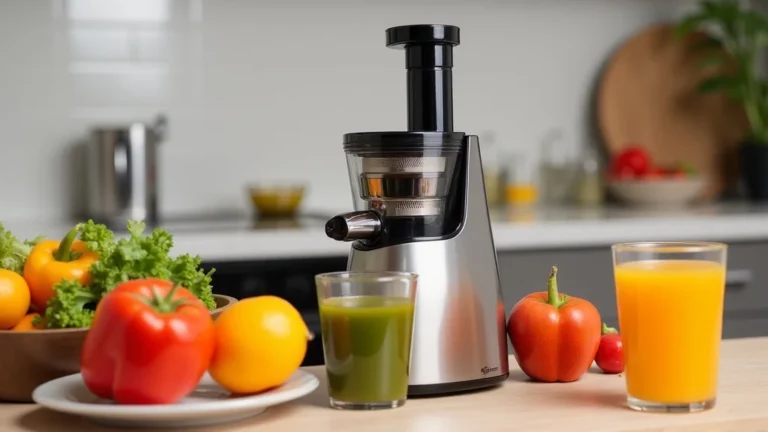
Using a juicer is probably the most common way to make mango juice. Juicers are specifically designed to separate the juice from the pulp, giving you a smooth, clear juice. There are two main types of juicers: centrifugal and slow (masticating) juicers. Centrifugal juicers are generally faster and more affordable. They work by using a spinning blade to chop the fruit and a mesh strainer to separate the juice. Slow juicers, on the other hand, crush and press the fruit, extracting more juice and nutrients.
- Centrifugal Juicers: These are fast and easy to use. The mango pieces are fed into the juicer, a spinning blade chops the fruit, and a mesh strainer separates the juice from the pulp. However, they may create a bit more heat, which could affect the nutrients slightly.
- Slow (Masticating) Juicers: These work by crushing and pressing the mango. This method extracts more juice, and it preserves more nutrients because of the low heat. The juice tends to be richer and smoother.
- Preparation is Key: Ensure the mango is properly prepared and cut into pieces that fit into your juicer’s feed chute.
- Clean Up: Juicers require cleaning after use. Follow the manufacturer’s instructions for easy cleanup.
When using a juicer, feed the mango cubes slowly into the machine. This allows the juicer to extract the most juice. You may want to alternate between mango pieces and other fruits or vegetables to help the juicer process the mango more efficiently. This can also help you vary the taste and boost nutritional value. Keep an eye on the pulp container. Empty it when it gets full to maintain the juicer’s performance.
Blending and Straining for Mango Juice
If you don’t have a juicer, don’t worry. You can still enjoy fresh mango juice by using a blender. This method involves blending the mango with a bit of water or another liquid, and then straining the mixture to remove the pulp. This method is quick, easy, and requires minimal equipment. It’s also a great way to use the whole fruit.
First, place the prepared mango cubes into a blender. Add a small amount of liquid. You can use water, but you can also use other liquids like coconut water or orange juice to boost the flavor. Blend until smooth. Next, pour the mixture through a fine-mesh strainer or cheesecloth into a glass or container. Use a spoon or spatula to press on the pulp, ensuring you extract as much juice as possible.
- Blend with Liquid: Add a small amount of water or other liquid (like coconut water) to the mango in the blender to help it blend smoothly.
- Blend Until Smooth: Blend the mango mixture until it reaches a smooth consistency.
- Strain the Pulp: Use a fine-mesh strainer or cheesecloth to strain the blended mixture, removing the pulp.
- Experiment with Flavors: You can add other fruits, spices, or sweeteners to the blender for different flavor combinations.
- Adjust Consistency: If the juice is too thick, add more liquid. If it’s too thin, you may need more mango.
Once strained, you’re left with fresh, smooth mango juice. Taste it and adjust as needed. You can add more liquid for a thinner consistency or a sweetener like honey or sugar for added sweetness. This method is great for those who don’t have a juicer or want a quick and easy solution. It gives you a slightly thicker juice than a juicer but is still incredibly tasty and refreshing.
Adding Flavors to Your Mango Juice
Once you’ve mastered how to juice mango, the real fun begins: customizing your juice to your liking. Mango juice is delicious on its own, but it also works well with other flavors. Experimenting with different ingredients can create unique and exciting juice blends. Consider what flavors work best together and start small to avoid overpowering the natural mango taste. The possibilities are vast.
Combining with Other Fruits
One of the best ways to enhance mango juice is to combine it with other fruits. This not only boosts the flavor but also increases the nutritional value. The sweetness of the mango pairs well with many other fruits, offering a range of taste profiles from tropical to tangy. Consider adding fruits that complement the mango’s natural flavor, or go for combinations that create a contrast.
- Mango and Orange: A classic pairing, blending the sweetness of mango with the citrusy tang of orange creates a refreshing and balanced juice.
- Mango and Pineapple: A tropical blend. The sweetness of mango complements the pineapple’s tartness, making a very refreshing drink.
- Mango and Berries: Strawberries, raspberries, or blueberries add a layer of sweetness and antioxidants. The berries give a bright pop of color and flavor.
- Mango and Banana: For a thicker, creamier juice, add banana. It adds thickness and provides additional nutrients.
- Mango and Apple: Apple adds a crisp, slightly tart flavor that balances the sweetness of the mango.
When mixing fruits, start with a base of mango juice and then add smaller amounts of the other fruits. Taste as you go, and adjust the ratios to your preferences. Remember that different fruits have different sugar levels, which will affect the sweetness of the final juice. The best fruit combinations are those that you enjoy and that complement the natural sweetness and flavor of the mango.
Spice and Herbal Combinations
For a more complex flavor profile, add spices and herbs to your mango juice. These ingredients can add depth, warmth, and an unexpected twist. Start with small amounts, as spices and herbs can be very potent. It’s always easier to add more than to take some out.
- Ginger: A small piece of fresh ginger adds a spicy kick and a warm flavor that enhances the mango.
- Turmeric: A pinch of turmeric adds a golden color and anti-inflammatory properties. Use sparingly, as the flavor can be strong.
- Mint: Mint provides a refreshing, cooling effect. It’s a great addition for a summer drink.
- Lime: A squeeze of lime juice enhances the flavors, adding a zesty tang.
- Chili Powder: For a touch of heat, try adding a pinch of chili powder. It adds depth and a surprising layer of flavor.
When adding spices or herbs, consider when to add them. For example, fresh herbs can be blended directly into the juice, while spices can be added after juicing, so you can control the intensity. Taste and adjust as needed, keeping in mind that the goal is to enhance the mango flavor, not overpower it. This step can transform your mango juice into a unique and personalized beverage.
Tips for Optimal Mango Juicing
To truly master how to juice mango, keep some key things in mind. The following tips will help ensure you get the best results, every time. These tips cover everything from ingredient preparation and equipment care to maximizing the freshness of your juice.
Maximizing Juice Yield
Getting the most juice out of your mangoes requires some strategy. Proper preparation is essential. Cutting the mango close to the pit and removing the flesh carefully will prevent waste. The juicing method also matters; slow juicers typically extract more juice than centrifugal juicers. These tips will help you make the most of your fresh ingredients.
- Choose Ripe Mangoes: Ripe mangoes are softer and yield more juice. Check for the right give when gently squeezing.
- Proper Cutting Technique: Slice the mango closely along the pit. Score the flesh in a grid pattern to get the most pulp.
- Juice Slowly: If using a juicer, feed the mango pieces slowly to allow the machine to extract as much juice as possible.
- Use a Reamer: A citrus reamer can help extract any remaining juice from the mango pieces after juicing.
- Don’t Waste Pulp: Save the leftover pulp. It can be used in smoothies, sauces, or even baked goods to reduce waste.
By following these tips, you can maximize the juice yield, reducing waste and getting the most out of your mangoes. Consider the type of juicer you have and make adjustments to the process to suit your equipment. Proper preparation and technique can make a real difference in the amount of juice you get.
Storage and Freshness
Proper storage is crucial to ensure your mango juice stays fresh and maintains its flavor and nutritional value. Freshly squeezed juice is always best consumed immediately, but if you have leftovers, you can take steps to store it properly. This will extend its shelf life while preserving its flavor. Juice can lose its nutrients over time, so the right storage method is helpful.
- Store in an Airtight Container: Transfer your juice to an airtight container. This helps to prevent oxidation, which can cause the juice to lose its flavor and nutrients.
- Refrigerate Immediately: Store the juice in the refrigerator. Cold temperatures slow down the degradation process.
- Consume Within 24-48 Hours: For best results, drink the juice within 24-48 hours. The flavor and nutrient content are highest soon after juicing.
- Consider Freezing: If you have more juice than you can consume in a couple of days, you can freeze it for longer storage. Pour the juice into freezer-safe containers or ice cube trays.
- Prevent Browning: Adding a bit of lime or lemon juice can help prevent browning and preserve the juice’s color and flavor.
By following these storage guidelines, you can enjoy your fresh mango juice even days after you first made it. Keep in mind that, while refrigeration and freezing preserve the juice, fresh is always best. So, if possible, juice only what you need to drink right away to get the most from your effort.
Frequently Asked Questions
Question: How can I tell if a mango is ripe?
Answer: Gently squeeze the mango. A ripe one will give slightly. Also, check for a sweet, fruity smell near the stem.
Question: Do I need to peel a mango before juicing?
Answer: Yes, you typically need to remove the peel before juicing to prevent bitterness and ensure a smooth juice.
Question: Can I juice frozen mangoes?
Answer: Yes, you can juice frozen mangoes, but it’s best to thaw them slightly first. Or use a high-powered blender.
Question: How long does fresh mango juice last?
Answer: Fresh mango juice is best consumed within 24-48 hours when stored in the refrigerator in an airtight container.
Question: What’s the best way to clean my juicer after use?
Answer: Follow the manufacturer’s instructions for your specific juicer model. Generally, rinse all parts immediately after use and use a brush to clean any pulp residue.
Final Thoughts
Learning how to juice mango is an easy way to enjoy the delicious taste of fresh fruit. From picking the perfect mango to experimenting with flavor combinations, it’s a rewarding experience. You’ve learned how to choose the right mango, prepare it efficiently, and use both juicers and blenders to extract the juice. The best part? You’ve seen ways to create custom juices with the flavors you love. Remember the tips on storage, and you can enjoy your juice over the next couple of days. So, grab a mango, get your equipment ready, and enjoy!

I’m Emma J. Caldwell, the founder, lead writer, and home-cooking enthusiast behind KitchenGuideCo.com. With a background in culinary arts and over a decade of cooking experience in both professional and personal kitchens, I created this platform to demystify recipes, offer smart kitchen gadget reviews, and guide readers through meal prep with confidence and clarity.