Cooking rice seems easy, but knowing how to keep rice warm in rice cooker can sometimes trip people up. Many beginners find it tricky to get this part right, and nobody wants to eat cold, dry rice. Don’t worry, though! It’s super simple. This post will give you straightforward steps to keep your rice warm and ready to eat whenever you are. Let’s explore how to do it!
Maintaining Warm Rice: The Basics
Keeping rice warm after cooking is a common concern. You want it to stay fluffy and at the right temperature for serving. The process involves more than just plugging in the cooker and hoping for the best. Understanding the principles behind maintaining rice temperature is important. This means managing both the heat and moisture levels within the cooker. This section covers the fundamental concepts.
The Importance of Temperature Control
Rice quality is largely determined by temperature. If the temperature is too low, the rice can become a breeding ground for bacteria, making it unsafe to eat. If it’s too hot, the rice can dry out and become hard. Most rice cookers have a “keep warm” setting that’s designed to hold the rice at a safe and palatable temperature. This setting often maintains the rice between 135°F to 170°F (57°C to 77°C), a temperature range that prevents bacterial growth while minimizing moisture loss. Keeping the right temperature is key for fresh rice.
- Safe Temperature Zone. This temperature zone ensures the cooked rice doesn’t spoil. The “keep warm” setting on most cookers maintains this zone.
- Prevents Drying. The right temperature minimizes moisture loss, avoiding hard and dry rice.
- Maintains Texture. A controlled temperature helps retain the texture of the rice, keeping it fluffy.
- Avoids Bacterial Growth. High temperatures kill bacteria and maintain the rice’s edibility.
- Consistent Quality. This ensures the rice tastes and feels good when it’s served.
Managing Moisture Levels
Moisture control is important for keeping rice warm. Too much moisture leads to mushy rice, and too little results in dry, hard rice. The “keep warm” function of a rice cooker works to regulate the moisture. The cooker is designed with a lid that traps some moisture, preventing excessive drying out. The material of the inner pot also influences the moisture retention capabilities. Cookers with thicker inner pots can often retain moisture more effectively than those with thinner pots. Regular monitoring and, sometimes, manual adjustments are needed to keep the rice in good condition.
- Preventing Mushiness. Trapping too much moisture causes rice to become mushy.
- Avoiding Dryness. The cooker’s lid helps prevent the rice from becoming hard.
- Lid Importance. The lid maintains the moisture balance. Make sure to keep it closed.
- Inner Pot Material. The pot’s material can help maintain moisture levels, influencing rice texture.
- Regular Monitoring. Check rice occasionally and make sure it doesn’t get too dry or mushy.
Understanding Rice Cooker “Keep Warm” Settings
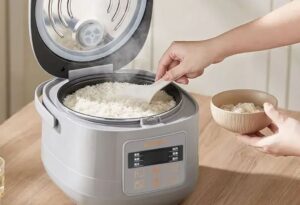
The “keep warm” setting is a critical feature, but its effectiveness depends on your model. It’s important to understand how your rice cooker’s specific “keep warm” function operates. Not all cookers are designed the same. Some might have a more advanced system for temperature and moisture control. Other models may be more basic. Familiarizing yourself with your appliance’s manual and the specifics of its features ensures that you get the best results when it comes to keeping your rice warm for hours. This part shows how the features impact the rice.
Operation of the Keep Warm Function
Most rice cookers automatically switch to the “keep warm” setting after the cooking cycle is complete. This setting usually uses a lower heating element or reduced power to maintain the rice at a warm temperature. The process is designed to prevent both bacterial growth and the drying out of the rice. The level of heat and moisture control differs depending on the manufacturer and the design. Some cookers will cycle on and off to maintain a consistent temperature. Others maintain a constant low heat. Knowing how your specific model works will help you to properly keep your rice warm.
- Automatic Transition. Cookers automatically switch to the “keep warm” setting after the cooking process.
- Lower Heating Element. The setting uses a lower heat setting to keep the rice warm.
- Preventing Spoilage. Designed to prevent the growth of bacteria.
- Moisture Control. It balances moisture to prevent rice from drying.
- Model Variation. The methods vary. Some use cycles; others, continuous low heat.
Features to Consider in Rice Cookers
When selecting a rice cooker, there are certain features that impact how well it can keep rice warm. Some cookers have advanced features like timers, which lets you delay the start of cooking. Others have specialized settings for different types of rice. The type of inner pot also matters, with thicker pots typically offering better heat and moisture retention. The quality of the lid, including its sealing capabilities, plays a crucial role. Evaluating these factors helps you choose the most effective model.
- Timer Functions. Allow you to schedule cooking, and ensure fresh rice when you need it.
- Rice Type Settings. Some cookers have settings that improve the result for specific types of rice.
- Inner Pot Quality. A thicker pot helps maintain moisture and heat.
- Lid Seal. A good seal on the lid prevents moisture loss.
- User Reviews. Check reviews to see how well the “keep warm” function works for different cookers.
Effective Strategies for Warming Rice
Knowing how to use the “keep warm” setting is only part of the process. Several things you can do influence the quality of the rice over time. Pre-fluffing rice after cooking and before switching to the “keep warm” setting helps prevent clumping and uneven moisture distribution. Adding a small amount of liquid, like water or broth, can also help to rehydrate the rice. Knowing how long rice can safely stay warm, along with monitoring the rice periodically, is key. Following these techniques will maximize your results.
Pre-Fluffing Your Rice
Fluffing rice before switching to “keep warm” helps evenly distribute moisture and prevent clumping. Immediately after the cooking cycle completes and before you engage the “keep warm” setting, gently fluff the rice with a fork or rice paddle. This separates the grains and allows the steam to escape, which helps to maintain the texture. This step is particularly helpful for cookers that may not have even heat distribution. This technique prevents areas of the rice from becoming too moist or dry. Fluffing is a quick, easy step that makes a noticeable difference.
- Prevents Clumping. Fluffing separates grains to avoid clumps.
- Moisture Distribution. Evenly spreads moisture to prevent soggy spots.
- Steam Release. Allows excess steam to escape, which avoids mushiness.
- Improves Texture. Makes the rice light and fluffy.
- Easy Process. Takes only a few seconds using a fork or rice paddle.
Adding Liquid for Better Results
Adding a small amount of liquid to the rice before you switch to the “keep warm” function can sometimes help to maintain moisture. The liquid could be water or a low-sodium broth. This is especially helpful if you are storing the rice for a longer period. Adding only a little liquid prevents the rice from drying out. Avoid adding too much liquid, as this will make the rice mushy. Use a teaspoon or two of liquid, and stir it in gently to distribute it evenly. This helps keep the rice moist and maintains its texture.
- Prevents Dryness. Adding liquid helps keep the rice from drying out.
- Types of Liquid. Water or broth can be added.
- Small Amount. Only add a little. Too much will make it mushy.
- Even Distribution. Stir the liquid to distribute evenly.
- Longer Storage. Beneficial if you plan to keep the rice warm for a while.
Monitoring and Duration
Monitor your rice periodically to make sure it’s in good condition. Check for dryness or mushiness. The amount of time you can safely keep rice warm depends on factors like the type of rice, the cooker’s effectiveness, and the surrounding environment. Most experts suggest that cooked rice is safe to keep warm for up to 12 hours. However, for the best taste and texture, it’s best to eat the rice sooner. If you notice any unusual smells or textures, it’s safer to discard the rice. Following these guidelines helps maintain rice quality.
- Regular Checks. Check the rice every few hours to make sure it looks good.
- Dryness and Mushiness. Keep an eye out for these.
- Safety Limit. Aim to eat rice within 12 hours.
- Texture and Smell. If the rice looks or smells off, it’s better to toss it.
- Environmental Factors. Humidity and temperature influence how long rice lasts.
Safety and Preventing Spoilage
Food safety is crucial when storing rice. Cooked rice can spoil quickly if not handled correctly. Bacteria like Bacillus cereus can thrive in warm environments and cause food poisoning. Knowing the potential hazards and how to prevent them ensures that your rice is safe to eat. This section provides tips for safe rice storage, covering critical aspects like temperature control and signs of spoilage.
Understanding Bacterial Growth
Cooked rice left at room temperature can quickly become a breeding ground for bacteria, particularly Bacillus cereus. This bacteria produces toxins that cause food poisoning, leading to symptoms like nausea, vomiting, and diarrhea. The longer the rice is left at room temperature, the higher the risk of bacterial growth. Even after the rice has been reheated, the toxins can still be present. To reduce the risk, it is important to cool cooked rice quickly and keep it at a safe temperature until you are ready to eat it. Maintaining the “keep warm” setting on your rice cooker can help, but it’s important to be aware of the limits.
- Bacillus Cereus. This is the main type of bacteria to worry about in cooked rice.
- Toxin Production. The bacteria create toxins that cause food poisoning.
- Room Temperature Risks. Rice at room temperature is especially at risk.
- Reheating Does Not Always Kill Toxins. The toxins can persist even after reheating the rice.
- Quick Cooling. Cool rice quickly to reduce bacterial growth.
Identifying Spoilage
Learning how to identify spoiled rice is essential for avoiding food poisoning. Spoiled rice may have a sour or off smell. The texture may feel slimy or sticky. The color may also change, appearing yellow or discolored. If you notice any of these signs, it’s safer to throw the rice out. Don’t taste it to check if it’s spoiled, as this can increase your risk of getting sick. Always trust your senses—if something doesn’t look or smell right, it’s best to be cautious. The goal is to always consume rice that is safe to eat.
- Smell. Spoiled rice often has a sour or bad smell.
- Texture. Slimy or sticky textures indicate spoilage.
- Color. Watch for yellow or discolored patches.
- Avoid Tasting. Don’t taste the rice if you think it’s spoiled.
- Trust Your Senses. If in doubt, it’s best to discard the rice.
Proper Handling Practices
To keep rice safe, follow certain handling practices. Cool cooked rice rapidly after cooking. Do not leave the rice at room temperature for extended periods. If you’re not planning to eat the rice right away, store it in the refrigerator. Use the “keep warm” setting on the cooker to maintain the rice at a safe temperature. Also, only warm rice for as long as needed. Reheating rice to a high temperature before serving can help kill bacteria, but it will not remove the toxins. Practice these habits to minimize the risk of foodborne illnesses.
- Cool Quickly. Cool the rice quickly to prevent bacterial growth.
- Room Temperature. Avoid leaving rice out at room temperature for extended times.
- Refrigerator Storage. Store leftover rice in the refrigerator to keep it from spoiling.
- Use “Keep Warm”. Utilize the “keep warm” setting on your rice cooker properly.
- Reheat Thoroughly. Reheat rice thoroughly before serving.
Alternative Warming Methods
While rice cookers are useful, there are times you may need alternatives. Other ways of keeping rice warm include using a slow cooker, a steamer, or even a microwave. Each method has its own benefits and drawbacks. Understanding these options provides flexibility when you want to warm rice. This section explores alternative solutions that help.
Using a Slow Cooker
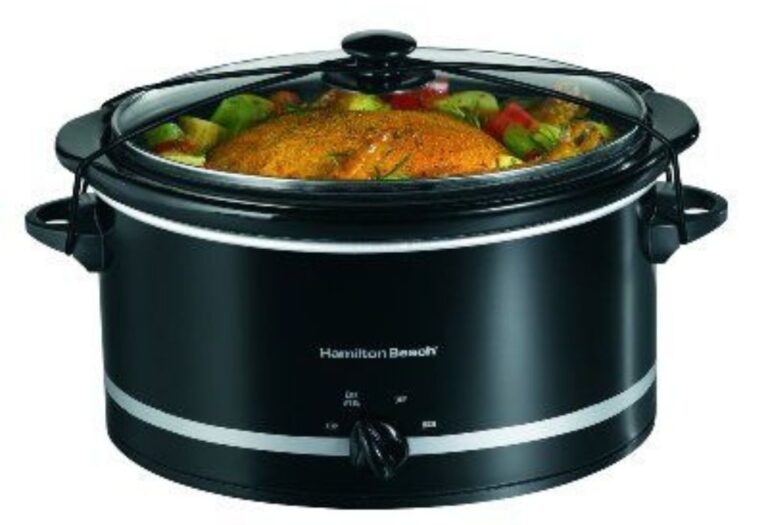
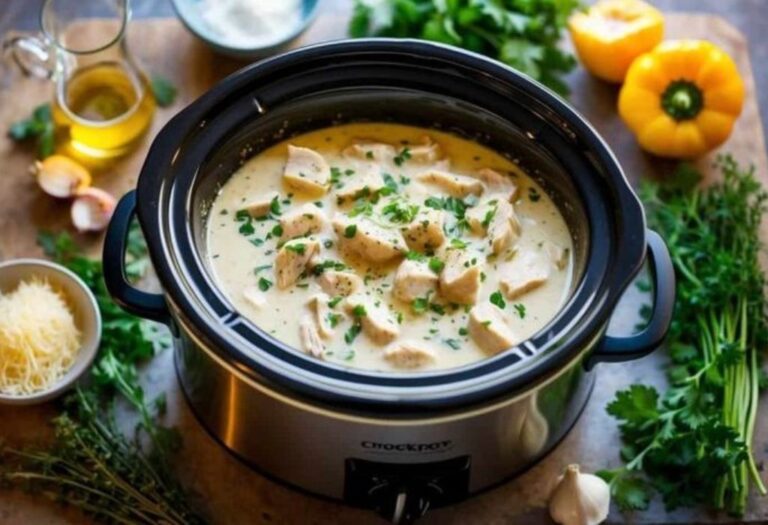
A slow cooker is a good alternative to a rice cooker for keeping rice warm. It provides a gentle, low-heat environment that helps maintain the rice’s temperature without drying it out. After cooking the rice in a rice cooker or on the stovetop, transfer it to the slow cooker and set it to the “warm” setting. This setting typically maintains the rice at a safe temperature. The slow cooker’s lid helps to retain moisture. This method is effective for keeping rice warm for extended periods, making it useful for parties or meal prepping. Using this method is beneficial.
- Gentle Heat. Slow cookers use low heat to keep rice warm.
- Transfer After Cooking. Transfer cooked rice into the slow cooker.
- “Warm” Setting. Use the “warm” setting on the slow cooker.
- Moisture Retention. The lid helps prevent the rice from drying.
- Extended Warmth. Suitable for keeping rice warm for a long time.
Steaming for Reheating
Steaming is an excellent way to reheat rice because it adds moisture, which prevents the rice from becoming dry. Place the rice in a steamer basket over boiling water. Steam it for a few minutes until it is heated through. This method is quick and effective, especially for reheating individual portions of rice. Steaming helps restore moisture, ensuring that the rice remains fluffy and delicious. Steaming is a good option.
- Adds Moisture. Steaming prevents rice from drying out.
- Use a Steamer Basket. Place the rice in a steamer basket.
- Over Boiling Water. Steam the rice over boiling water.
- Quick Process. Heats rice in just a few minutes.
- Best for Smaller Amounts. Ideal for reheating single portions.
Microwave Reheating
The microwave is a quick method for reheating small amounts of rice. Place the rice in a microwave-safe bowl and add a tablespoon or two of water. Covering the bowl with a microwave-safe lid or damp paper towel helps trap the moisture and prevents the rice from drying out. Heat the rice in short intervals, stirring in between. This prevents uneven heating. Microwaving is great when you’re in a hurry. The method is great for convenience.
- Fast and Easy. Microwaving is a speedy option.
- Add Water. Add a little water to keep the rice from drying out.
- Cover with Lid or Paper Towel. Prevents moisture loss.
- Short Intervals. Heat in short intervals, stirring between.
- Best for Small Portions. Ideal for reheating individual servings.
Frequently Asked Questions
Question: How long can I keep rice warm in the rice cooker?
Answer: It’s generally safe to keep rice warm in a rice cooker for up to 12 hours. However, the sooner you eat it, the better the taste and texture will be.
Question: What if the rice gets too dry?
Answer: If the rice starts to dry out, you can add a tablespoon or two of water and fluff it to rehydrate.
Question: Can I reheat the rice multiple times?
Answer: It’s best to reheat rice only once. Each time it’s reheated, the risk of bacterial growth and toxin formation increases.
Question: Should I stir the rice in the rice cooker?
Answer: Yes, it’s helpful to fluff the rice with a fork or rice paddle before switching to the “keep warm” setting to evenly distribute moisture.
Question: Does the type of rice matter for how long it can stay warm?
Answer: Yes, different types of rice may behave differently. Long-grain rice generally holds up better than short-grain rice.
Final Thoughts
Keeping rice warm in a rice cooker doesn’t have to be hard. By understanding the basics of temperature and moisture, along with some easy techniques, you can enjoy perfectly warm rice whenever you want. Remember to use the “keep warm” setting properly and watch out for any signs of spoilage. Use the tips, like pre-fluffing and adding a bit of liquid, to maintain the rice’s best qualities. You now know how to manage the temperature, and you also know about food safety to keep your meals great. So, next time you cook rice, use these simple steps and make it even better. Enjoy!

I’m Emma J. Caldwell, the founder, lead writer, and home-cooking enthusiast behind KitchenGuideCo.com. With a background in culinary arts and over a decade of cooking experience in both professional and personal kitchens, I created this platform to demystify recipes, offer smart kitchen gadget reviews, and guide readers through meal prep with confidence and clarity.