Figuring out how to know rice cooker capacity can be a bit tricky when you’re first getting started in the kitchen. It might seem like a simple task, but different units and cooking styles can make it confusing. Don’t worry, though! This guide will break it down in simple steps, so you can measure the right amount of rice every time. We’ll go over everything you need to know, making it easier than ever to cook perfect rice. Let’s get started!
What Is Rice Cooker Capacity and Why Is It Important?
Rice cooker capacity tells you how much uncooked rice your cooker can handle. Knowing this is important for several reasons. You wouldn’t want to cook too much rice, ending up with leftovers you might not use. Conversely, cooking too little could leave you hungry. Your rice cooker’s capacity is usually measured in cups, but it’s not always straightforward. Some cups are rice cooker cups, and some are the standard measuring cups used in kitchens. It’s also worth considering that different rice types expand at varying rates when cooked, which impacts how much cooked rice you will have.
Understanding Rice Cooker Cup Measurements
One of the first things you need to grasp is that the “cup” measurement on your rice cooker may not be the same as your regular kitchen measuring cup. Rice cookers often come with their own measuring cups, which usually equal about 3/4 of a standard US cup. This difference is key when you’re deciding how much rice to cook. When a recipe says to use a “cup,” it’s critical to know whether it refers to a standard cup or a rice cooker cup. If you’re using your cooker’s cup, you will need to add more rice to equal one regular cup.
- The Rice Cooker Cup Difference: The rice cooker cup is smaller. This design helps make cooking rice easier, especially for beginners. The measurements help prevent overfilling or under-filling the cooker.
- The Importance of Following Instructions: Always use the cup that came with your rice cooker for the most accurate results. Recipes are created with the rice cooker cup in mind.
- Why Accuracy Matters: Getting the rice-to-water ratio correct is vital. Using the right measurements ensures your rice cooks perfectly every time—not too soggy, not too dry.
Comparing Cooked Rice and Raw Rice
The amount of rice expands when cooked. One cup of uncooked rice will yield more than one cup of cooked rice. The exact ratio of expansion varies based on the type of rice. For example, long-grain rice might expand more than short-grain rice. Knowing this helps you estimate how much cooked rice you’ll have, which is useful when planning meals or managing leftovers. Be mindful that different types of rice vary greatly in water absorption. Brown rice, for example, often requires more water and longer cooking times than white rice, influencing the final yield.
- Rice Types and Expansion: Different types of rice have different expansion rates. Consider this when deciding how much raw rice to cook.
- Estimating Cooked Rice: As a general rule, one cup of uncooked white rice makes about three cups of cooked rice. Brown rice typically yields a bit less.
- Meal Planning with Rice: Understanding expansion allows you to calculate how much rice to cook based on the number of people you’re serving. Planning helps reduce food waste.
How to Know Rice Cooker Capacity in Your Kitchen
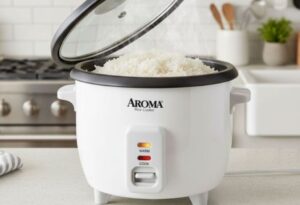
Determining your rice cooker’s capacity involves a few simple steps. The first is to examine the cooker’s manual. The manufacturer’s guide will specify the maximum amount of uncooked rice the appliance is designed to handle. Next, you can check the inside of the rice cooker pot. Many cookers have markings on the inside that indicate the appropriate amount of rice and water based on the number of cups. Finally, you can estimate capacity by measuring the volume of water the pot holds, providing a general guide to its maximum potential. Let’s explore these steps in detail to ensure you get your perfect rice, every time.
Examining the Cooker’s Manual
Your rice cooker’s manual is a treasure trove of information. It’s usually the best place to start when you’re looking to understand the cooker’s capacity. The manual will often provide exact details about the cooker’s maximum capacity, measured in cups of uncooked rice. It’ll also likely tell you the recommended ratios of rice to water, ensuring you cook rice to perfection. Always keep your manual in a safe place. If you’ve misplaced your manual, try checking the manufacturer’s website; many provide downloadable versions.
- Capacity Specifications: Look for the explicit statement on the maximum amount of rice your cooker can handle. This is the most accurate information.
- Rice-to-Water Ratios: The manual also provides the ideal water measurements for different types of rice. This is key to achieving the correct texture and consistency.
- Model-Specific Information: Manuals often contain details specific to your rice cooker model. This is important as capacity can vary between models from the same brand.
Checking the Inner Pot Markings
Most rice cookers have markings inside the inner pot to help with measuring. These markings are simple guides that show how much rice to add and how much water to use. The markings usually have numbers representing the number of cups of uncooked rice. There are usually two sets of markings. One set is for rice and one is for water. Following the directions is usually all you need to cook a perfect batch of rice. These markings are incredibly helpful, especially for those new to using a rice cooker.
- Rice Level Indicators: These lines indicate the level to which you should fill the rice. This measurement is usually in increments of cups.
- Water Level Indicators: Beside the rice lines are often water level markers. These indicate the right amount of water you need to add, measured relative to the rice.
- Using the Markings: Combine the right amount of rice and water and press the start button. It’s that easy to cook perfect rice!
Estimating Capacity with Water Measurement
If you have lost your manual, you can estimate your rice cooker’s capacity by filling the inner pot with water, but be careful not to overfill it. Pour the water into a measuring cup to determine its volume. This method helps you get a general idea of how much rice you can cook. Remember, however, that you must account for the expansion of rice during the cooking process. Overfilling the cooker can lead to a messy situation. Measuring with water should be considered as a guide. Always test the cooking process to ensure you’ve found the correct measurement.
- Precise Measurement: If you are unsure, use measuring cups to add water to the pot. Carefully note the level of each measurement.
- Safety First: Never overfill the pot. Check the manual for maximum fill lines, if available. Overfilling can cause the rice and water to overflow.
- Trial and Error: The amount of rice and water can vary depending on the type of rice. Take notes after each cooking cycle to learn the correct amounts.
Common Rice Cooker Capacity Issues and Solutions
Even with careful measurements, you may encounter issues with your rice cooker’s capacity. Two common problems are cooking too much or too little rice. Overfilling can lead to rice overflowing and making a mess, while cooking too little rice might leave you with hungry guests. These issues can be solved by following the instructions and by understanding your rice cooker’s measurements. Experimenting with different rice types can also help you learn the optimal ratio of rice to water for different recipes. It takes a little effort and attention, but it will lead to cooking the perfect amount of rice, every time!
Overfilling the Rice Cooker
Overfilling a rice cooker is a common mistake that can result in a messy situation. When you add too much rice or water, the mixture can bubble up and overflow during cooking. The overflow can lead to a sticky mess on your countertop or in your kitchen. It also reduces the cooker’s efficiency and lifespan. Avoid this by always following the manufacturer’s recommendations for capacity. Understand the measurements for your specific rice cooker model, including the correct rice-to-water ratio. Always ensure the amount of rice and water does not exceed the maximum fill line.
- Consequences of Overfilling: Overfilling leads to a messy cooking process and can potentially damage your rice cooker.
- Prevention Techniques: Always measure the rice and water accurately. Don’t go above the maximum capacity indicated in your manual or on the inner pot.
- Troubleshooting Overflow Issues: If you accidentally overfill your cooker, try removing some of the liquid. If the problem persists, reduce the amount of rice you add in the next batch.
Cooking Too Little Rice
Cooking too little rice can leave you or your guests unsatisfied. It can also lead to an inefficient use of your rice cooker, as the appliance may use the same amount of energy to cook a small batch as it would a larger one. Start by knowing the rice cooker’s capacity and the amount of rice needed to cook. You can adjust the amount of rice as needed. It can also be very helpful to learn the amount of rice needed per person or per serving. Making a note of the amount you need will help you to cook the correct amount of rice.
- The Problem of Under-Cooking: Under-cooking often leads to not enough rice, making a meal insufficient for the eaters.
- Estimating Serving Sizes: Learning how much rice each person needs helps solve this problem. Use about ½ cup of uncooked rice for each adult serving.
- Adjusting for Leftovers: If you prefer to have leftovers, you can cook a bit more rice than you typically need. That can prevent another cooking cycle and will save time.
Rice Cooker Capacity Compared to Other Appliances
When cooking, rice cookers provide specific advantages compared to other methods such as stovetop cooking or using a microwave. The primary benefit of a rice cooker is its convenience. You can set it, and you don’t have to constantly monitor it to prevent burning. However, the capacity of rice cookers varies greatly. Smaller models are better suited for singles and couples, while larger ones are made for families or gatherings. Understanding these capacity differences helps you make informed choices that fit your cooking needs.
| Appliance | Capacity Range (Uncooked Rice) | Best Suited For | Considerations |
|---|---|---|---|
| Small Rice Cooker | 1-3 cups | Singles, couples, small families | Compact size, good for small kitchens. |
| Medium Rice Cooker | 4-8 cups | Small to medium families, entertaining | Versatile, can cook for more people. |
| Large Rice Cooker | 10+ cups | Large families, gatherings, commercial use | Offers larger volumes of rice, good for a lot of people. |
| Stovetop Cooking | Variable, based on pot size | Any size, depends on pot and skills | Requires more monitoring, but offers flexibility. |
| Microwave | 1-2 cups (typically) | Small servings, fast cooking | May require special containers, less precise. |
Advantages of Rice Cookers vs. Stovetop
Rice cookers offer several advantages over stovetop cooking. The main advantage is that a rice cooker has an automated cooking process. You measure the rice and water, press a button, and the cooker handles the rest. Stovetop cooking often requires constant supervision to prevent the rice from burning or sticking to the bottom of the pot. Rice cookers have settings for different types of rice. The even heat distribution and precise temperature control ensure consistent results. Many rice cookers also include a ‘keep warm’ setting, keeping the rice hot and ready to serve for hours.
- Hands-Free Cooking: Rice cookers eliminate the need for constant monitoring, allowing you to prepare other parts of the meal.
- Consistent Results: They offer an accurate water-to-rice ratio, producing perfect rice consistently. This reduces the need for trial and error.
- Additional Features: Many models have advanced features like timers, pre-set programs, and the ability to cook other grains and foods.
Rice Cooker Capacity in the Context of Family Size
The right rice cooker capacity hinges on the size of your family and the frequency with which you cook rice. If you are a single person or a couple, a smaller cooker may be sufficient. However, for a larger family, you’ll need a rice cooker with a bigger capacity. Think about how often you serve rice at mealtimes. Do you often have guests? Considering these factors helps you pick the right size. Choosing the appropriate capacity helps you prevent food waste and also ensures you have enough rice ready for every meal.
- For Singles or Couples: A rice cooker with a capacity of 1-3 cups of uncooked rice is usually sufficient. This size prevents unnecessary leftovers.
- For Families of 3-4: A medium-sized rice cooker with a capacity of 4-8 cups of uncooked rice would be a good choice. This range will ensure you have enough rice for meals.
- For Large Families or Entertaining: A rice cooker with a capacity of 10 or more cups of uncooked rice can be beneficial. It helps provide sufficient rice for many people.
Frequently Asked Questions
Question: How do I know how many cups of rice my cooker holds?
Answer: Check your rice cooker’s manual for its capacity, usually written in cups of uncooked rice. Additionally, look for markings inside the inner pot that indicate how much rice you can add.
Question: What if I lose the measuring cup that came with the rice cooker?
Answer: You can use a standard kitchen measuring cup. Just keep in mind that the rice cooker’s cup may be a different size. The cooker’s manual should tell you the standard equivalent.
Question: Can I cook other things besides rice in a rice cooker?
Answer: Absolutely! Many rice cookers can cook quinoa, oats, and even steam vegetables. Some have specific settings for different grains and other foods.
Question: How can I tell if I’m overfilling my rice cooker?
Answer: When you add too much rice or water, the mixture can bubble up and overflow during cooking. Watch for water bubbling over the top during the cooking process.
Question: Is it necessary to wash the rice before cooking it in a rice cooker?
Answer: Washing the rice is optional, but some people think it improves the texture. It helps get rid of extra starch and debris. Follow the instructions on the rice packaging.
Final Thoughts
Getting the right rice cooker capacity is important for perfect rice every time. Knowing your cooker’s capacity, whether it’s a small or large model, will allow you to prepare the right amount of rice. Begin by reviewing the information included in the manual and checking the inner pot markings. Knowing these details will help you avoid problems, like overflowing. Remember to adjust the amounts and try different things. With a little practice, you’ll be cooking up perfect batches of rice that are suited to your family’s needs. Enjoy the process and the delicious rice you create!

I’m Emma J. Caldwell, the founder, lead writer, and home-cooking enthusiast behind KitchenGuideCo.com. With a background in culinary arts and over a decade of cooking experience in both professional and personal kitchens, I created this platform to demystify recipes, offer smart kitchen gadget reviews, and guide readers through meal prep with confidence and clarity.