You’ve just finished a cozy dinner, stacked your dishes, and confidently shut your Bosch dishwasher’s door. It hums so quietly that you almost forget it’s running. But when the cycle ends, you notice cloudy glasses and a few greasy spots left behind—frustrating, isn’t it?
The truth is, even Bosch’s world-class engineering can’t compensate for poor loading. These dishwashers rely on high-precision spray arms, heat sensors, and adjustable racks that only perform at their best when each dish is correctly positioned. One wrong plate angle can block a spray jet and ruin an entire cycle.
This guide breaks down exactly how to load your Bosch dishwasher the right way. From understanding each rack’s purpose to placing silverware correctly, you’ll discover small adjustments that deliver spotless dishes, energy savings, and long-term reliability.
Understanding Your Bosch Dishwasher Design
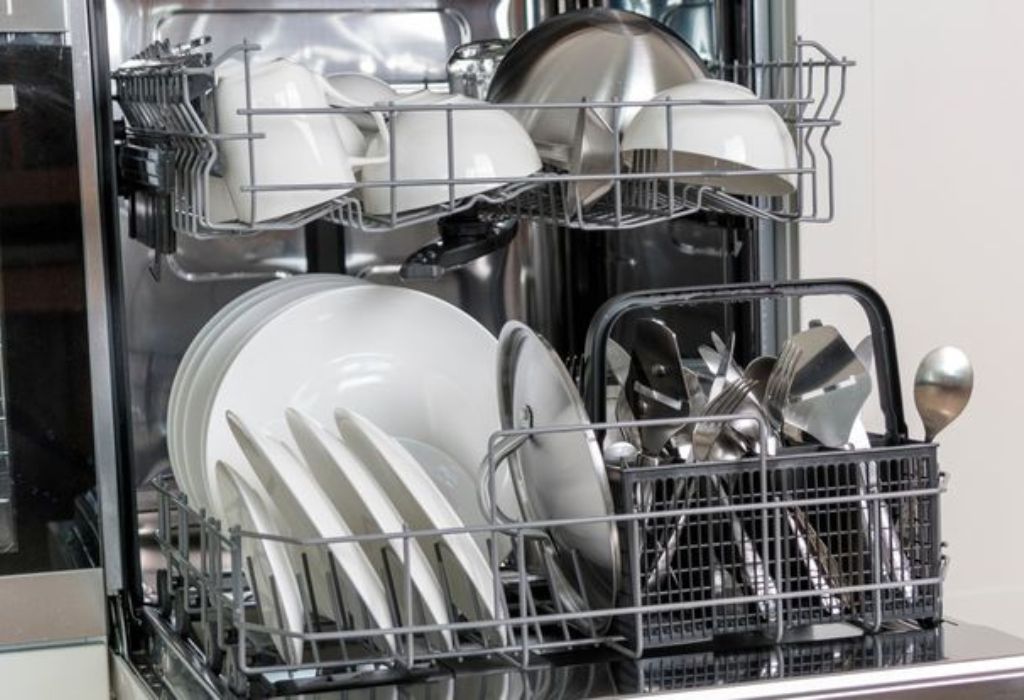
Bosch dishwashers stand out for their quiet, energy-efficient cleaning. Inside, you’ll find three racks—bottom, middle, and a third-level utensil tray—each designed to handle specific items. Knowing the purpose of every rack ensures you use water pressure and heat distribution effectively.
The bottom rack handles large items like plates, pots, and pans, where the most powerful jets operate. The middle rack is ideal for cups, bowls, and glassware that need a gentler touch. The third rack on most modern Bosch models accommodates flat utensils and small kitchen tools.
Many Bosch models feature RackMatic height adjustment, allowing you to raise or lower the middle rack. This flexibility is perfect when loading tall wine glasses or deep pots.
Understanding the spray-arm pattern is key. Each arm rotates at different speeds and angles to deliver 360-degree coverage. If a dish blocks even one arm, other items won’t clean completely.
The detergent dispenser, positioned inside the door, opens at a precise time in the cycle. Avoid placing large trays or pans in front of it. Proper clearance guarantees detergent release.
Familiarizing yourself with these design details ensures you get the most from every Bosch innovation—quiet cleaning, minimal water use, and spotless results.
Prepping Dishes Before Loading
Bosch dishwashers have soil sensors that detect food residue, but preparation still matters. Scrape, don’t rinse—removing large food bits is enough. Too much pre-rinsing can confuse the sensor into using less water than needed.
Check and clean the filter system at the bottom. Food scraps caught there reduce water flow and can cause unpleasant odors. A quick rinse after every few loads keeps it clear.
Avoid loading pans coated in thick grease. A brief warm-water rinse removes excess oil, helping detergent dissolve properly and keeping the tub spotless.
Run your sink’s hot water before starting the dishwasher. Bosch models perform best when hot water enters immediately, improving detergent activation and cutting cycle time.
Separate dishwasher-safe items from fragile ones. Cast iron, wood, and delicate crystal should always be washed by hand. These materials warp or corrode under Bosch’s high-temperature cycles.
Lastly, remove stickers or paper labels from new dishes. They can peel off mid-cycle, clog filters, and stick to other items. Proper prep ensures your dishwasher’s smart technology performs flawlessly.
How to Load the Bottom Rack Efficiently
The bottom rack handles the toughest jobs—plates, bowls, baking sheets, and pots. Proper loading here sets the tone for your entire wash cycle.
Place dinner plates vertically between tines, facing the center spray arm. Keep slight gaps between each to allow detergent and water to reach every surface. Avoid overlapping, which leaves greasy spots.
Position bowls at a slight angle facing downward. This allows water to drain quickly and prevents pooling. Larger bowls should go along the sides, never flat in the middle.
Use Bosch’s fold-down tines for flexibility. When lowered, they create space for large cookware or cutting boards. Adjust them to avoid blocking the detergent dispenser.
Avoid loading tall pans near the door. They can prevent the detergent cover from opening fully. Keep tall cookware toward the back or sides.
Heavily soiled pots should sit directly above Bosch’s IntensiveZone jets if your model includes them. These concentrated sprays tackle tough food without affecting upper racks.
Before closing, manually spin the lower spray arm. If it touches anything, rearrange the items. This simple check prevents half-cleaned dishes.
Should I rinse dishes before loading my Bosch dishwasher?
No. Just scrape solids; Bosch sensors detect residue and adjust automatically.
Can I place baking trays flat on the bottom rack?
Avoid flat placement. Stand them vertically along the sides to maintain water flow.
Why are my dishes still dirty after washing?
The spray arms may be obstructed or the detergent dispenser blocked. Check both before starting.
Is cast iron safe in a Bosch dishwasher?
Never. Detergent strips seasoning and moisture causes rust.
Why do plastic items warp on the bottom rack?
They’re too close to the heating element—place plastics only on the top rack.
How to Load the Top Rack Properly
The top rack of a Bosch dishwasher is designed for lighter and more delicate items. Cups, mugs, bowls, and glassware fit best here because this level receives gentler spray pressure. Arranging them correctly ensures crystal-clear results without streaks or chips.
Place glasses and cups upside down between the tines, leaving space between each piece. A slight tilt helps water drain completely and avoids water spots during drying. Avoid direct contact between glass rims to prevent chipping.
Use the RackMatic adjustment feature to raise or lower the rack as needed. Lower it when washing tall wine glasses and raise it to create room for larger pots below. Adjusting properly keeps water flow consistent across both racks.
Plastic containers labeled dishwasher-safe belong on the top rack only. The upper zone stays cooler and protects lightweight pieces from warping. Keep them secured with clips or tucked between tines so they don’t flip.
Avoid overcrowding this level. Evenly spaced items allow steam and air to circulate during drying, while crowding causes detergent to pool in corners. A balanced rack equals faster drying and spotless dishes.
If your model includes a Stemware Holder or fold-down shelves, use them for fragile glasses or espresso cups. These supports keep small items stable and reduce vibration during the cycle.
Before closing, spin the top spray arm to ensure nothing obstructs rotation. Free movement here guarantees sparkling glassware every time.
How to Use the Third Rack Effectively
The third rack is one of Bosch’s signature design features. It provides additional capacity for utensils, flatware, and small kitchen accessories. Using it efficiently frees space below and improves washing performance overall.
Lay flat utensils such as spatulas, serving spoons, and tongs side-by-side. Avoid overlapping pieces so water can reach every surface evenly. The upper jets deliver gentle sprays ideal for small items.
Knives, peelers, and other sharp tools should rest flat with blades facing down. This ensures safety when unloading and prevents dulling edges through contact. Spread them apart to maximize exposure to detergent.
Small cups, lids, or espresso accessories can also go here if they’re dishwasher-safe. The low water pressure on the third rack prevents tipping or movement during washing. Lightweight pieces will still come out clean and dry.
Some Bosch models offer a V-shaped third rack that dips in the center for taller utensils. Use this configuration for serving ladles or whisks. It’s designed to increase clearance without affecting spray reach.
Before starting a cycle, slide the third rack in fully and make sure it doesn’t touch the upper spray arm. Proper alignment prevents jams and allows full water coverage below.
By keeping this area organized, you’ll improve drying efficiency and keep the lower racks free for bulkier dishes.
Is the third rack only for utensils?
Mostly, but small dishwasher-safe cups or lids can also be placed there safely.
Do I need to separate metals on the third rack?
Yes, keep silver and stainless steel apart to avoid tarnish or dark marks.
Will knives dull if I wash them on the third rack?
No, laying them flat prevents collision and helps preserve sharpness.
Can I place baby bottle parts here?
Yes, it’s gentle enough for small plastic pieces that require mild cleaning.
Does loading the third rack affect spray coverage below?
Not if items stay within the rack boundaries and don’t hang over the edge.
Organizing Silverware and Utensils
Proper silverware placement ensures every utensil comes out spotless and safe. Bosch baskets are designed for flexibility with removable inserts and divided sections. Correct spacing here boosts water access and prevents nesting.
Mix forks, spoons, and knives across compartments instead of grouping them together. Alternating shapes prevents utensils from sticking and allows detergent to circulate freely. Handle direction also influences safety and cleanliness.
For sharp knives, keep handles up or use a covered section if your model includes one. This reduces the risk of accidental cuts when unloading. Forks and spoons can alternate handle positions to ensure both ends receive full water exposure.
Do not overfill any compartment. Overcrowded baskets block jets and leave food residue behind. Leave small gaps between utensils to enhance rinsing and drying.
Separate different metals before washing. Contact between stainless steel and silver under heat can cause discoloration or corrosion. Keeping them apart maintains their shine.
If your Bosch model includes a third-level cutlery tray, move flat utensils like spatulas or tongs there. It frees space below and guarantees they’re washed evenly.
Finally, check that nothing protrudes from the basket’s top edge. A stray handle can stop spray-arm rotation, compromising the entire wash.
Loading Large Cookware and Odd-Shaped Items
Bosch dishwashers handle oversized cookware with precision if loaded correctly. Baking trays, pots, and casserole dishes should be angled for optimal spray access. Proper positioning avoids trapped water and improves drying.
Always place large pans and trays along the sides or back of the bottom rack. This prevents blocking the detergent dispenser and allows the center jets to remain unobstructed. Avoid lying pans flat across the bottom.
Use foldable tines to adjust space for deep bowls, stockpots, or baking pans. These adjustable prongs keep items stable during washing. Flexibility is key when dealing with unusual shapes.
For fragile cookware like glass lids or ceramic dishes, select the Glass Care or Gentle cycle. Lower water pressure protects surfaces without sacrificing cleanliness.
Heavily soiled pots benefit from the IntensiveZone feature found in many Bosch models. It boosts lower-rack spray intensity while keeping the upper racks delicate. Place your dirtiest cookware there for best results.
Ensure all cookware faces downward or toward the center spray arm. This positioning lets water reach every crevice and improves drying afterward.
Lastly, don’t stack smaller items inside larger ones. Trapped detergent and water can leave marks or an unpleasant odor. Each item needs open exposure for thorough cleaning.
Can I place heavy pots on the top rack?
No, keep them on the bottom rack to prevent imbalance or rack strain.
Is it safe to wash baking trays?
Yes, but stand them vertically on the sides so they don’t block spray flow.
What if my large pan doesn’t fit?
Remove or raise the middle rack using RackMatic for additional clearance.
Should I wash glass lids in a Bosch dishwasher?
Yes, on the top rack using the Gentle cycle to avoid cracking.
Why do my pans come out cloudy?
Hard water or excess detergent may be the cause; use rinse aid and soften the water if possible.
Detergent and Rinse Aid Guidelines for Bosch Users
Choosing the right detergent determines how clean your dishes look after every cycle. Bosch recommends using premium pods or powders specifically designed for automatic dishwashers. These dissolve completely at high temperatures and leave minimal residue.
Avoid using ordinary liquid dish soap. It creates excessive foam that can leak through the door and damage internal sensors. Dishwasher detergents are formulated for controlled sudsing and proper drainage.
Measure detergent carefully based on your local water hardness. Hard water requires slightly more detergent, while soft water needs less. Overfilling the dispenser wastes soap and can cause streaks or dull finishes.
Rinse aid is crucial for quick drying and spotless results. It helps water slide off glass surfaces, preventing droplets that cause mineral marks. Refill the compartment whenever the indicator light glows or once every few weeks.
If your Bosch dishwasher includes a water softener, check the salt level regularly. Dishwasher salt prevents limescale buildup, ensuring jets and heaters stay efficient. Refill when the red float or display icon indicates “low.”
Eco-friendly detergents are safe but may clean best at slightly higher water temperatures. Bosch’s Auto and Eco cycles automatically adjust temperature and time to match detergent type. This saves energy without compromising results.
Finally, wipe the detergent and rinse-aid lids occasionally with a damp cloth. Clean openings allow accurate release timing and keep every load consistent.
Final Inspection Before Running the Cycle
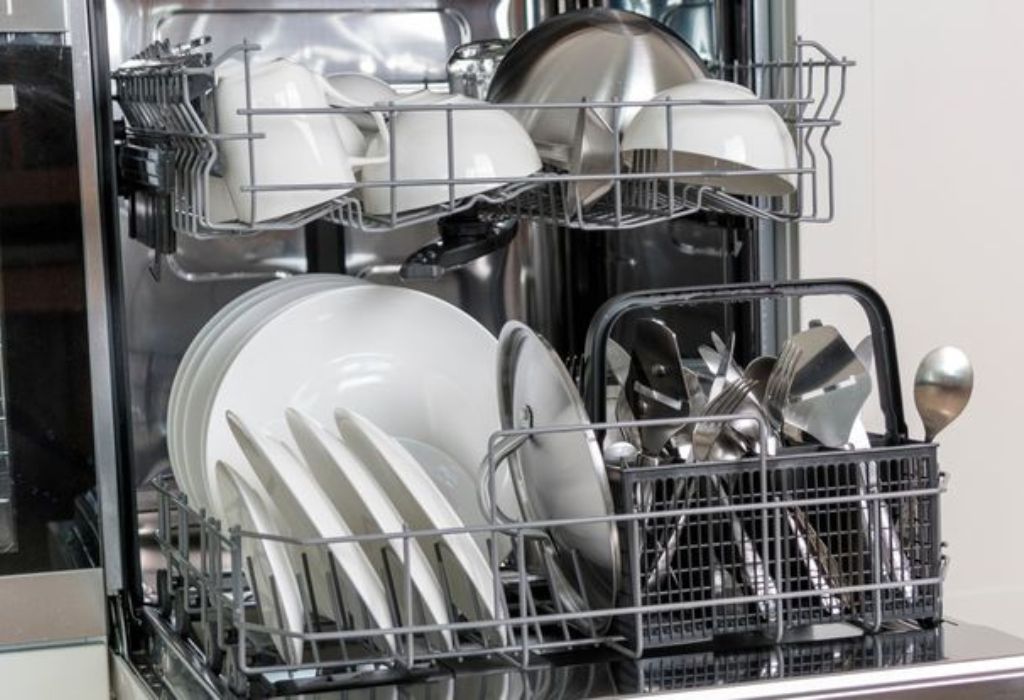
Before pressing the start button, always take a quick final look. Proper inspection prevents wasted cycles and ensures every dish comes out spotless. A 30-second check can save you an hour of rewashing later.
Spin all three spray arms by hand. If any bump into plates or utensils, reposition those items immediately. Free rotation is the foundation of full-coverage cleaning.
Verify that the detergent and rinse-aid compartments are closed securely. A half-latched cover may cause detergent to leak too early or not release at all.
Make sure nothing protrudes beyond rack edges. Pot handles or spatula tips sticking out can stop the door from sealing properly. An unsealed door causes leaks and poor wash pressure.
Choose the correct wash program. Auto mode suits everyday dishes, Heavy mode targets cookware, and Quick 45 or Express cycles handle lightly soiled items. Selecting the right program optimizes both time and water use.
For quieter nighttime runs, use Delay Start or Silence Plus functions available on most Bosch models. These minimize operational noise while maintaining performance.
Run hot water from the sink until it feels warm. Pre-heating shortens the dishwasher’s warm-up phase, reducing cycle length and improving detergent activation.
When everything looks right, close the door gently until it clicks. Your Bosch will take care of the rest—quietly and efficiently.
Maintenance and Deep Cleaning for Bosch Dishwashers
Routine maintenance keeps your Bosch dishwasher running like new. A clean interior prevents odors, improves water flow, and extends the appliance’s lifespan. Set a simple schedule to keep everything spotless.
Clean the filter system once a month. Twist it out from the base, rinse under warm water, and scrub away trapped debris with a soft brush. This ensures strong drainage and prevents foul smells.
Wipe the door gasket and edges weekly using a damp microfiber cloth. Grease and crumbs tend to settle here, creating bacteria and mold over time. Regular cleaning keeps the seal flexible and hygienic.
Once a month, perform a deep-cleaning cycle using white vinegar. Pour one cup into a dishwasher-safe bowl and place it on the top rack, then run a hot cycle without detergent. Follow with baking soda sprinkled on the tub floor for odor removal.
Inspect the spray arms every few weeks. Remove them if necessary and rinse out clogged holes with a toothpick or small brush. Free jets maintain even water pressure and thorough rinsing.
Check the drain area for standing water or residue. A clog near the outlet can reduce suction and leave the tub dirty. Keeping this clear ensures full drainage after each cycle.
For stainless-steel interiors, use a soft cloth and mild vinegar solution to polish. Avoid abrasive cleaners that scratch the surface. A shiny interior reflects heat better, aiding faster drying.
After each wash, leave the door slightly open. This allows moisture to escape and prevents musty odors. Small daily habits guarantee years of quiet, flawless cleaning performance.
How often should I clean the Bosch filter?
Once a month for average use, or every two weeks for heavy, greasy loads.
Can I use vinegar and baking soda together?
Use vinegar first, then run a short rinse with baking soda to neutralize and deodorize safely.
Why does my dishwasher smell bad?
Trapped moisture or food particles in filters and gaskets—clean these areas regularly.
What’s the best cleaner for stainless interiors?
A soft cloth with mild detergent or Bosch-approved stainless cleaner keeps it streak-free.
Do Bosch dishwashers need salt refills?
Yes, if your model has a built-in softener. Add dishwasher salt whenever the indicator shows low.
Conclusion
Loading your Bosch dishwasher the right way transforms every wash cycle into professional-grade cleaning. Each rack, spray arm, and setting has a purpose, and understanding their interaction ensures spotless dishes every single time.
A thoughtful loading process also reduces energy and water use while protecting your kitchenware.
From prepping dishes and using RackMatic adjustments to organizing the silverware basket and third-level tray, every detail matters. Proper spacing lets detergent and hot water circulate freely, preventing streaks and spots.
When combined with the correct detergent, rinse aid, and water-softening salt, Bosch’s engineering delivers perfect results effortlessly.
Routine maintenance is equally vital. Monthly filter cleaning, spray-arm checks, and quick wipe-downs of seals keep performance consistent for years. Leaving the door slightly open after cycles maintains a fresh, odor-free interior.
Follow these step-by-step guidelines, and your Bosch dishwasher will reward you with gleaming dishes, silent efficiency, and dependable operation. Every plate, cup, and utensil will come out exactly as Bosch intended, clean, dry, and ready for your next meal.

I’m Emma J. Caldwell, the founder, lead writer, and home-cooking enthusiast behind KitchenGuideCo.com. With a background in culinary arts and over a decade of cooking experience in both professional and personal kitchens, I created this platform to demystify recipes, offer smart kitchen gadget reviews, and guide readers through meal prep with confidence and clarity.