Dinner is done, the sink is full, and the dishwasher door opens with a click. You start loading plates, cups, and silverware, but something feels off. Some dishes face the wrong way, others block the spray arm, and last time a few even came out dirty.
Many people rely on dishwashers daily without realizing that loading patterns can make or break their results. The difference between spotless and streaky dishes often comes down to small positioning habits. Loading isn’t guesswork — it’s an art built on water flow and design.
Dishwashers are engineered to clean from every angle, using hot water, detergent, and air circulation. When you load correctly, you allow that system to do its job efficiently. Proper loading also prevents chips, rust, and damage over time.
In this guide, you’ll learn how to load your dishwasher like a pro. We’ll cover everything from plate placement to silverware spacing and glass protection. By the end, you’ll never have to rewash dishes again.
Understanding How Dishwashers Clean
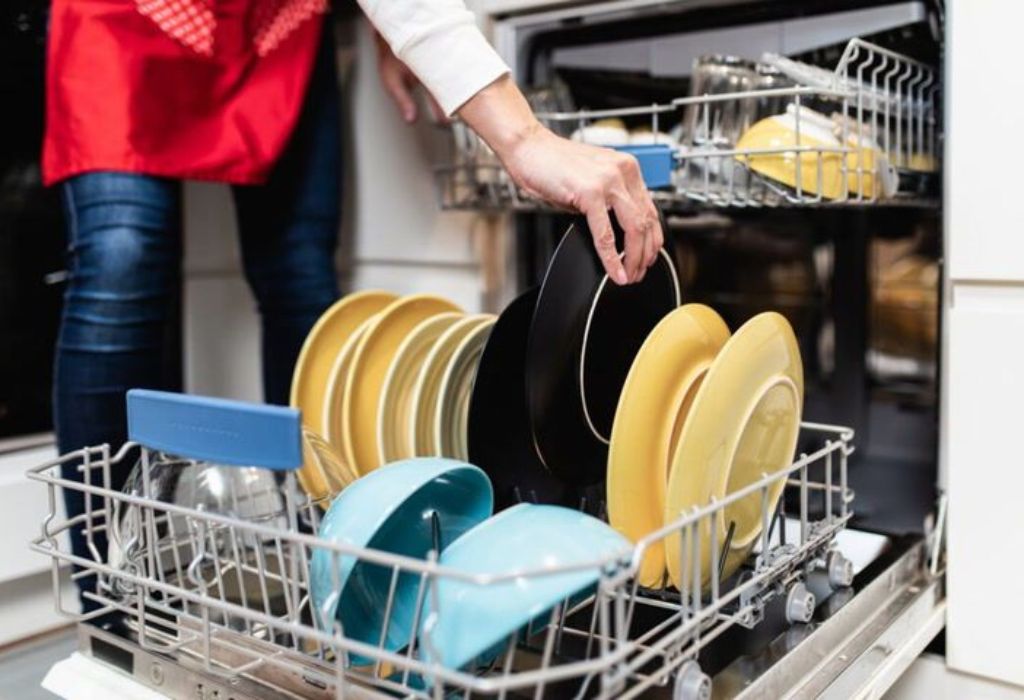
Your dishwasher isn’t a magic box — it’s a precision cleaning system. Inside, rotating spray arms distribute hot water mixed with detergent through powerful jets. This combination lifts, dissolves, and washes away food particles.
The bottom spray arm focuses on heavy-duty cleaning for plates and cookware. The middle arm targets bowls and cups, while the top jets handle delicate items like glassware. Knowing this layout helps you load items where they get the best contact.
Each cycle moves through washing, rinsing, and drying stages. Water temperature often reaches between 140°F and 150°F, hot enough to kill germs and remove grease. But for that heat to reach every dish, proper spacing and direction are crucial.
When dishes overlap, water pressure drops. Detergent can’t reach tight spaces, leaving dried food stuck after the cycle. Proper alignment ensures every drop of water and soap hits the surfaces that need it most.
Modern dishwashers even use sensors to detect how dirty your load is. They adjust cycle length and intensity based on resistance and turbidity. But if the load is uneven or overcrowded, those sensors can’t function accurately.
Understanding how dishwashers clean allows you to work with — not against — the machine. It’s about strategy, not strength, and once you master it, every cycle produces perfect results.
Preparing Dishes Before Loading
Prepping your dishes doesn’t mean scrubbing. It means giving your dishwasher the best possible starting point. A quick scrape or rinse ensures smooth water flow and prevents clogs.
Remove large food particles, bones, and seeds before loading. These items can block filters or recirculate during washing. A gentle scrape with a fork or rubber spatula is all you need.
Avoid completely prewashing, as modern dishwashers detect soil levels for detergent efficiency. If dishes are too clean, sensors may shorten the cycle, leaving grease behind. A little residue actually helps the detergent do its job better.
Check for sticky sauces, cheese, or dried rice. These can harden in heat and become tougher to remove later. Soak stubborn cookware briefly if needed before loading.
Empty liquid from cups or bowls before placing them inside. Standing water can splash during the cycle and spread residue. Keeping items prepped prevents odor and ensures cleaner final results.
Spending two minutes on preparation saves you time later. The dishwasher’s technology handles the rest once the dishes are properly prepped.
Loading the Lower Rack — The Power Zone
The lower rack handles the heavy lifting in every cycle. It’s where the strongest jets hit, ideal for plates, pots, pans, and baking dishes. Placement here determines the overall success of your wash.
Always place plates facing inward toward the spray arm. This positioning allows direct water impact on the dirtiest areas. Slightly tilt them forward for faster drainage during drying.
Arrange large plates and trays along the outer edges. Keeping them away from the middle prevents blockage of water flow. Avoid stacking — overlapping dishes shield each other from detergent.
Position pots and pans upside down with open sides facing the spray arms. This ensures grease and grime rinse out completely. Tilting cookware slightly also prevents pooling water.
Use adjustable tines or foldable racks for flexibility. Most modern dishwashers let you lower or raise tines to fit deeper cookware. Secure items so they don’t rattle during the wash cycle.
Avoid putting delicate items on the lower rack. The heat here is intense and can warp plastics or glass. Stick to sturdy ceramic, stainless steel, or aluminum cookware in this zone.
A well-loaded lower rack provides the foundation for spotless dishes. Once the bottom is balanced, you can focus on the finer details above.
Loading the Upper Rack — The Gentle Zone
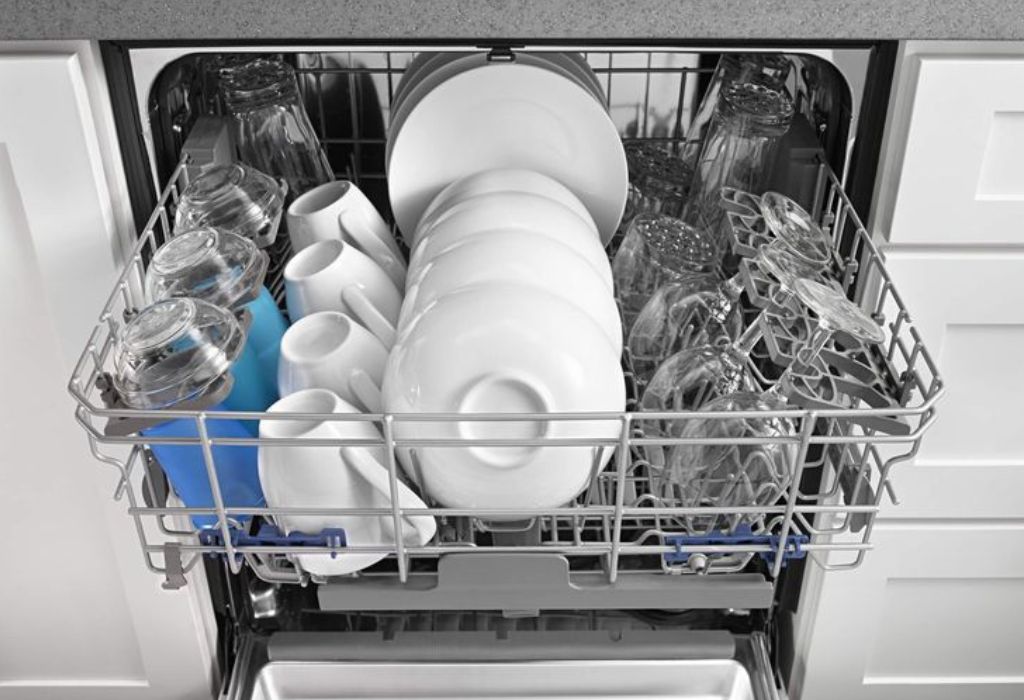
The upper rack handles lighter, delicate items that don’t need high heat or water pressure. This includes bowls, cups, glasses, and small dishes. Correct loading here prevents chips, cracks, and cloudy finishes.
Place bowls and mugs at an angle facing down. This allows water to drain easily and detergent to reach the insides. Keep them steady and spaced to avoid touching during the cycle.
Glasses should go along the sides, not the center. The sides offer more stability and protect against clinking. For tall stemware, use the adjustable stem holders if your dishwasher has them.
Small plates or saucers can fit in between cup rows. Just ensure they don’t overlap with taller items below. Balanced placement improves water circulation and drying efficiency.
For reusable bottles or baby items, place them securely upside down. Use bottle clips or upper-rack attachments if available. This ensures a thorough, sanitary clean.
Avoid overcrowding. If you hear rattling or see water dripping after a cycle, spacing is likely too tight. Every item should receive equal water contact for a spotless finish.
The upper rack’s gentle jets are designed for finesse, not force. Correct loading here keeps fragile glassware crystal clear and chip-free.
Using the Cutlery Basket and Third Rack
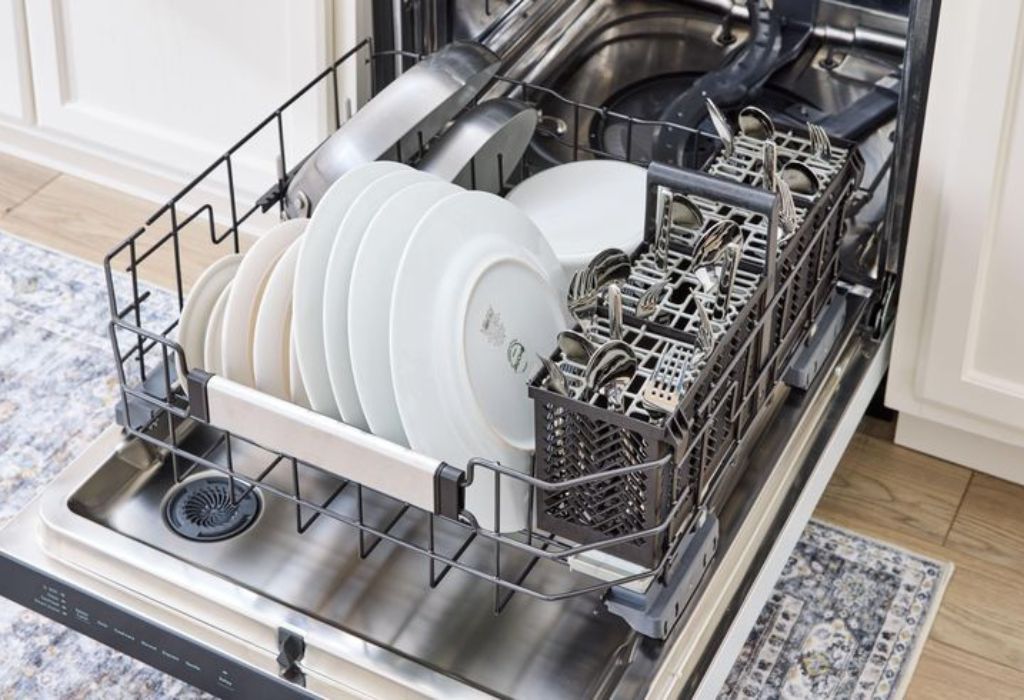
The cutlery basket is one of the most overlooked dishwasher features. How you load it directly affects sanitation and shine. It deserves just as much attention as plates or cups.
Forks and spoons should alternate direction — one handle up, one handle down. This prevents nesting, where similar shapes block water flow. Alternating ensures full detergent exposure and better drying.
Knives always go handle up for safety. Sharp blades facing down can cause injury during unloading. If you have young children, hand wash sharp knives separately.
Separate silver and stainless steel utensils if possible. When these metals touch during cycles, they can cause dark spots or tarnishing. Keeping them apart prevents chemical reactions.
If your dishwasher has a third rack, use it for long utensils or serving spoons. Flat placement in this tray improves cleaning and drying. It also frees up space in the main basket.
Avoid stuffing too much silverware into one section. Balanced spacing helps the water jets reach between handles. Clean silverware starts with proper alignment and breathing room.
Loading Plastic and Lightweight Items
Plastic items require special care because they’re heat sensitive. They belong exclusively on the top rack to prevent melting or warping. Keeping them secure also prevents water from pooling inside.
Place plastic cups and containers upside down for drainage. Make sure they’re wedged safely between rack prongs to avoid flipping during washing. Flipped items collect dirty water and detergent residue.
Avoid placing thin or flexible lids directly near heating elements. High temperatures during drying can cause deformation. Instead, secure them with clips or load them in upper-rack compartments.
Use the dishwasher’s “Plastics” or “Delicate” cycle if available. This option reduces heat intensity for safer cleaning. Always check labels for “dishwasher safe” before loading.
Keep plastic separate from metal cookware or heavy dishes. Contact between them can cause scratching or melting from residual heat. Light, careful spacing is key to protecting plastics.
Plastic items dry slower than ceramic or glass. Opening the door for a few minutes after the cycle releases steam and speeds up air drying. With proper placement, your plastic containers will stay clean and intact.
Avoiding Common Loading Mistakes
Even a powerful dishwasher can fail if you load it wrong. Small errors quickly add up to poor results and unnecessary rewashes. Recognizing these mistakes helps you avoid frustration.
The first mistake is overloading. When dishes touch or overlap, detergent and water can’t reach every surface. Space equals cleanliness — always leave a gap between each item.
The second mistake is blocking the spray arms. Long utensils or tall trays can stop them from spinning. Give the arms a gentle spin before closing the door to make sure they move freely.
Third, avoid placing dishes flat on the rack. Flat surfaces trap water and prevent draining. Always load dishes and cookware at a slight angle.
Fourth, mixing fragile and heavy items together leads to damage. Keep glassware on the top rack and heavier cookware below. The separation protects everything from vibration and heat stress.
Another common issue is blocking the detergent dispenser. If a plate or pan presses against the soap door, detergent won’t release properly. Leave a small gap so it opens fully.
Finally, skipping filter cleaning affects performance. Food buildup in the filter reduces water pressure and leaves residue. Cleaning it monthly keeps your dishwasher efficient and odor-free.
Avoiding these pitfalls ensures sparkling dishes and longer appliance life.
Maximizing Space Efficiency
Modern dishwashers are designed for flexibility. Adjustable racks, foldable tines, and dedicated zones allow you to fit more dishes efficiently. Smart use of these features saves both time and water.
Start by placing the largest items first. Arrange dinner plates, platters, and pans at the edges or back. Once the big pieces are in, fill remaining spaces with smaller dishes.
Use foldable tines to create room for deep bowls or tall cookware. These movable prongs help you load irregularly shaped items without forcing them. Adjust them depending on the type of load.
If your dishwasher has an adjustable middle rack, raise or lower it based on height. Lower it for tall glasses and raise it to fit large pots below. This flexibility prevents items from touching the spray arms.
Nest bowls and cups carefully to use space wisely, but never stack completely. Leave a gap between each layer for airflow. Overlapping reduces cleaning quality and increases drying time.
Light items like lids or spatulas can go in the corners or top tray. Use clips to secure them if necessary. Every inch counts when loading for efficiency.
A well-planned layout lets you clean a full dinner load in one cycle. Smart organization turns every wash into a time-saving, water-efficient success.
Maintaining Your Dishwasher for Consistent Cleaning
A properly maintained dishwasher cleans better and lasts longer. Regular upkeep prevents odor, buildup, and reduced efficiency. Treat your appliance like part of your kitchen routine.
Clean the filter at least once a month. Food debris collects there and clogs water flow. Rinse it under warm water and brush gently with a soft toothbrush.
Check spray arms for mineral deposits or trapped particles. Remove them if possible and rinse thoroughly. Unblocked jets improve water pressure and cleaning performance.
Run an empty cycle with white vinegar monthly. Pour a cup on the top rack and run a hot wash. Vinegar dissolves grease, deodorizes, and refreshes the interior.
Inspect the door gasket regularly. Wipe away residue with a damp cloth to prevent mildew and ensure a tight seal. Clean seals help maintain energy efficiency.
If your dishwasher smells musty, sprinkle baking soda across the base and run a short hot cycle. This neutralizes odors instantly. Fresh interior equals fresher dishes.
Routine maintenance keeps every load effective. It’s a simple habit that guarantees long-term performance and spotless results.
Cleaning the Dishwasher Interior and Accessories
Just like dishes, the dishwasher itself needs cleaning. Over time, detergent residue, grease, and limescale accumulate inside. A clean interior enhances both hygiene and performance.
Remove racks and baskets for deep cleaning. Wash them in the sink with warm, soapy water. Use a soft brush to scrub away hidden buildup between joints.
Wipe down the walls and door edges using a mix of vinegar and water. These areas often collect grime unseen during normal use. Pay attention to corners and crevices near the seals.
For stubborn stains, sprinkle baking soda on a damp sponge and scrub gently. It removes film without scratching. Always rinse thoroughly before reinstalling parts.
Clean the utensil basket regularly. Food particles trapped inside can cause odor. Rinse under running water and let it air dry fully before placing it back.
Finish by cleaning the exterior. Wipe the control panel gently and polish stainless steel with a microfiber cloth. A sparkling outside matches the cleanliness within.
Keeping the dishwasher’s interior fresh ensures every cycle starts at peak efficiency. Your dishes will come out as clean as the machine itself.
Everything You Need to Know About Loading Dishes
Should dishes face the center or sides?
Always face the dirty side toward the spray arm at the center. This ensures direct water contact and full detergent coverage.
Can I mix glass and metal cookware together?
Avoid it if possible. The vibration can cause chipping or dulling on glass surfaces.
Do I need to pre-rinse dishes before loading?
No. Scrape off large bits but let the dishwasher handle the rest. Over-rinsing can trick sensors into shorter cycles.
Why do my dishes still come out wet?
Overcrowding or blocked vents may be the cause. Open the door after the cycle and let steam escape for faster drying.
Can plastic dishes go on the bottom rack?
Never. The heat from the lower area can melt or warp them. Keep all plastic items on the top rack only.
What happens if the filter is dirty?
A clogged filter lowers water pressure and spreads debris. Clean it monthly for optimal washing performance.
Can I wash baby bottles in the dishwasher?
Yes, but use the top rack and sanitize setting if available. This ensures deep cleaning without heat damage.
Why do my plates have detergent streaks?
You may be using too much detergent or hard water. Use rinse aid and ensure proper spacing for thorough rinsing.
How often should I clean the dishwasher interior?
Once a month is ideal. Regular cleaning prevents buildup and odor.
Is it safe to wash fine china or crystal?
Only if labeled dishwasher safe. Use the delicate cycle and avoid high heat drying for fragile items.
Conclusion
Loading dishes isn’t just a chore, it’s a skill that saves time, water, and frustration. Once you understand how spray arms, racks, and heat cycles work together, perfect results become effortless. Each placement affects how efficiently your machine performs.
Always separate heavy and delicate items, angle plates toward spray arms, and never overload. Use top racks for fragile pieces and lower racks for durable cookware. Following this rhythm keeps every wash consistent and streak-free.
Maintenance is equally important. A clean filter, open spray arms, and regular vinegar rinse make a huge difference. Small habits create long-term performance.
With smart loading and care, your dishwasher becomes more than an appliance. It becomes a time-saving, energy-efficient kitchen partner.
Every cycle starts with you — load thoughtfully, and your dishwasher will do the rest perfectly.

I’m Emma J. Caldwell, the founder, lead writer, and home-cooking enthusiast behind KitchenGuideCo.com. With a background in culinary arts and over a decade of cooking experience in both professional and personal kitchens, I created this platform to demystify recipes, offer smart kitchen gadget reviews, and guide readers through meal prep with confidence and clarity.