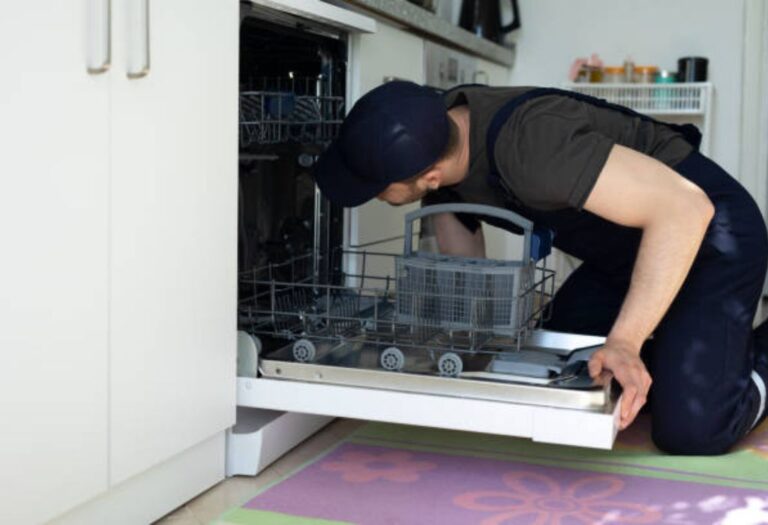
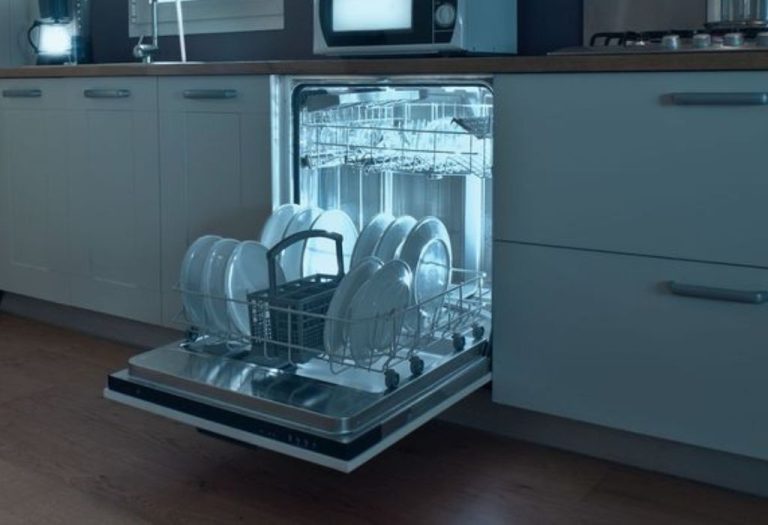
Imagine finishing dinner with friends and family, stacking your dishes, and pressing the start button on your Frigidaire dishwasher, only to find cloudy glasses and greasy plates when the cycle ends.
Many homeowners face this frustration, assuming the machine is at fault. In reality, improper loading is often the hidden culprit behind unsatisfactory cleaning.
The way you arrange dishes affects how efficiently water jets reach each surface. Even advanced Frigidaire models with multiple spray arms, soil sensors, and heated drying options can’t perform well if plates block water flow or utensils nest together.
Loading properly not only ensures spotless dishes but also extends the appliance’s lifespan by preventing strain on pumps and filters.
In this guide, we’ll walk you through every step of loading a Frigidaire dishwasher correctly. You’ll learn how to arrange racks, handle delicate glassware, place cookware efficiently, and use detergent and rinse aid for sparkling results.
Whether you own a Gallery, Professional, or standard model, these practical techniques will help your dishwasher run at peak performance, quietly, efficiently, and reliably.
Let’s get started by understanding your Frigidaire dishwasher layout and the simple loading strategies that make every wash cycle count.
Understanding Your Frigidaire Dishwasher Layout
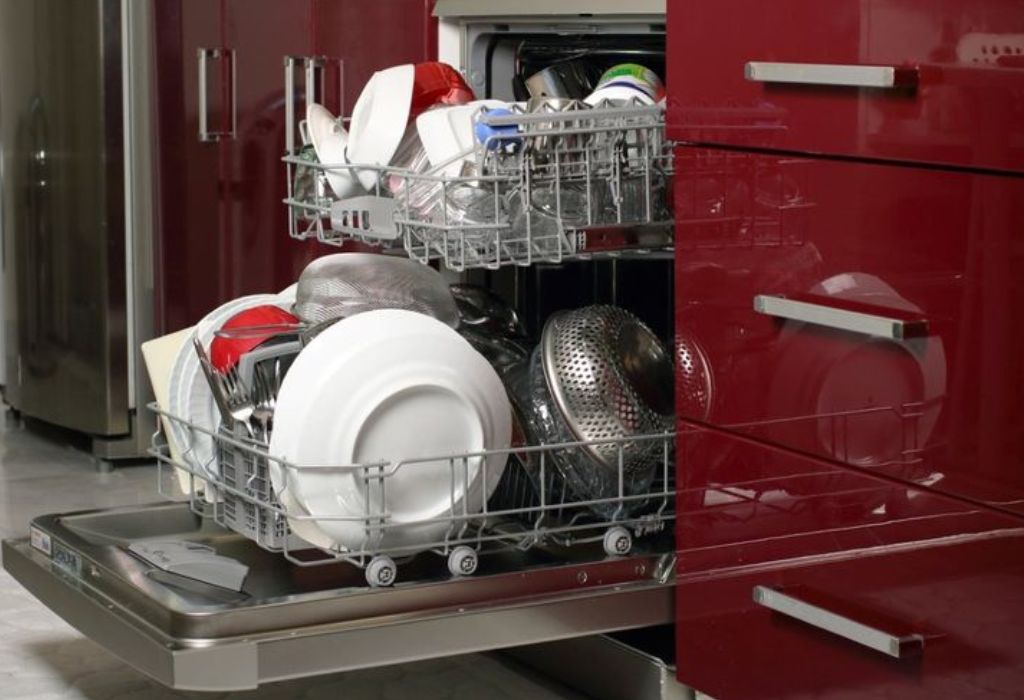
Your Frigidaire dishwasher is built with a smart interior design that ensures efficient cleaning. Inside, you’ll find two primary racks, a cutlery basket, and rotating spray arms that distribute water evenly. Each part of this layout plays a role in how clean and dry your dishes come out after a cycle.
The bottom rack is generally meant for large and heavy dishes such as pots, pans, and dinner plates. The top rack is for smaller, lighter items like cups, glasses, and bowls. Knowing what goes where ensures that every item receives the right water pressure and spray coverage.
Frigidaire dishwashers also include specialized features like adjustable racks and foldable tines. These allow you to customize the space depending on the load size or shape of your dishes. Some models even have dedicated jets for silverware or bottle washing for added precision.
Understanding how water flows through the dishwasher is equally important. The spray arms rotate to hit dishes from different angles, but if you block them with large cookware, cleaning efficiency drops. Keeping pathways clear ensures each jet reaches your dishes evenly.
The detergent dispenser is typically on the inside of the door. It releases soap at a specific time in the cycle, so make sure nothing obstructs its opening. When blocked, detergent can’t distribute properly, leading to leftover food or streaky glasses.
Take a few minutes to study your dishwasher’s manual and layout diagram. Familiarizing yourself with each component helps you avoid common mistakes and get the most out of every wash. This knowledge will make your loading routine faster, easier, and more effective.
Prepping Dishes Before Loading
Before loading, it’s important to prepare your dishes properly for best results. Many people think they should rinse everything before placing it inside, but Frigidaire models are designed to handle small food residues.
Light scraping is usually enough, as too much pre-rinsing can trick sensors and lead to poor cleaning.
Always check filters and the drain area before starting a new load. Remove large food particles or bones that might clog spray arms or the filter screen. Keeping these parts clear prevents odor and ensures consistent water pressure.
Avoid loading greasy pans without a quick rinse. While the dishwasher can handle some grease, thick layers may coat other items and reduce cleaning power. A simple warm water rinse removes excess oil and prevents buildup inside the tub.
Inspect your utensils and small items before loading. Anything with adhesive labels, wax, or paper should be cleaned manually. These materials can detach, clog filters, and damage pump components during cycles.
It’s also helpful to run hot water at your kitchen sink before starting the dishwasher. Doing so ensures that the first fill of water entering your Frigidaire is already hot, boosting detergent effectiveness. This step makes a big difference for baked-on food and grease.
Finally, check that plastic items are dishwasher-safe. Thin plastic can melt or warp under Frigidaire’s high heat drying cycles. If unsure, place plastics on the top rack only to minimize direct heat exposure.
Taking these small steps before loading guarantees cleaner results and prolongs the lifespan of your appliance. A little prep saves time, water, and frustration after each cycle.
How to Load the Bottom Rack Correctly
The bottom rack is where most heavy-duty cleaning happens. This section is designed for sturdy items like dinner plates, pots, pans, and casserole dishes. Always place items facing inward toward the spray arm for maximum water exposure.
Plates should be arranged vertically between the tines, spaced evenly apart. Overlapping prevents detergent and water from reaching every surface. For larger cookware, angle them slightly so that the water flows off easily during the rinse and dry phases.
Avoid blocking the spray arm at the bottom. Large pans or trays should be positioned along the sides or back of the rack. If you load a flat baking sheet in the middle, it can obstruct water flow and prevent other items from cleaning properly.
Frigidaire dishwashers feature special slots for pots and deep dishes. Use these to keep heavier items stable during washing. This reduces rattling and ensures all surfaces receive consistent spray coverage.
Always keep the detergent dispenser area clear. If a tall item blocks it, soap may not release or dissolve evenly. A simple check before closing the door can prevent this issue entirely.
If your dishwasher has foldable tines, adjust them for oversized cookware or bowls. These features make it easier to fit irregular shapes without compromising cleaning performance.
Once loaded, spin the bottom spray arm manually to confirm nothing obstructs its movement. This quick habit helps maintain full washing power and keeps dishes spotless after each cycle.
Should I rinse dishes before loading them into my Frigidaire dishwasher?
No, it’s usually unnecessary. Just scrape off large food bits; modern Frigidaire dishwashers are built to handle small residues efficiently.
Can I wash baking sheets on the bottom rack?
Yes, but place them along the sides or back to avoid blocking the spray arm. Position them vertically for best results.
Is it safe to put cast iron pans in a Frigidaire dishwasher?
No. Cast iron should never go in any dishwasher because the detergent can strip its seasoning and cause rust.
Why are my plates coming out dirty even after proper loading?
Check if the spray arms are free to rotate and the detergent dispenser is not blocked. Also ensure water temperature is hot enough.
Can I mix stainless steel and aluminum cookware together?
Avoid doing that. When metals mix under heat and detergent, a reaction can occur that causes discoloration or marks.
How to Load the Top Rack Properly
The top rack is designed for lightweight and delicate items. This includes cups, mugs, small bowls, glasses, and plastic containers. Place each item securely between tines so they don’t tip during the wash cycle.
Cups and glasses should face downward to allow water to drain properly. Avoid stacking them or letting them touch each other; contact can cause chipping or clouding. Frigidaire’s upper spray arm ensures these items get a gentle yet effective clean.
If your dishwasher features adjustable rack heights, take advantage of them. Lowering the top rack allows you to fit taller glassware, while raising it creates more space for pots below. This flexibility helps manage loads of different sizes.
Plastic items should always go on the top rack. The heating element at the bottom of the tub can warp or melt them if placed below. Lightweight items can be secured using foldable rack clips or lids to prevent flipping.
Avoid overcrowding the top rack. Air circulation and water access are crucial for spotless results. If you need to run a half load, keep the items evenly spaced so the spray jets can reach all surfaces.
Pay attention to utensil racks or special holders in the upper rack. These help organize small pieces like measuring spoons or baby bottle parts. Keeping these separate prevents them from falling and blocking spray arms.
Before running the cycle, give the top spray arm a quick spin. Make sure no tall glass or utensil obstructs its path. A small adjustment now saves you from half-cleaned dishes later.
Silverware Basket and Utensil Arrangement
The silverware basket is where most users make simple mistakes that affect cleaning results. Proper placement ensures every utensil gets fully exposed to water and detergent. Randomly tossing everything in the basket reduces efficiency and causes water spots.
Knives, forks, and spoons should be distributed evenly throughout the basket. Alternate handles up and down to prevent nesting and ensure water reaches both ends. Mixing different utensil types also helps improve cleaning.
For safety, always load sharp knives with handles up. This prevents accidental cuts when unloading. However, if you have small children, place knives in a separate covered compartment if your Frigidaire model includes one.
Avoid overcrowding the basket. When utensils are tightly packed, detergent can’t circulate freely. Leaving small gaps allows water and soap to move around each piece.
Frigidaire’s newer models sometimes include a third-level cutlery tray. Use this for flat items like spatulas or serving spoons. It keeps long utensils from blocking spray arms below.
Stainless steel utensils should be kept separate from silver or aluminum ones. Mixed metals can cause discoloration during high-heat drying. Keeping materials grouped reduces chemical reaction marks.
Before starting, check that no utensil is sticking out from the basket. If it interferes with spray arms, it can stop them from spinning freely, leading to incomplete cleaning.
Should I load utensils with handles up or down?
Mix both directions. Handles up improve safety, while handles down allow better cleaning coverage.
Why do my forks and spoons stick together in the basket?
They may be nesting. Alternate their positions and mix them with other utensil types to prevent this.
Can I put kitchen knives in the dishwasher?
It’s safe but not ideal. Frequent washing can dull blades over time, so handwashing is better for longevity.
Why are my utensils rusty after a few washes?
Rust often comes from mixed metals or damaged protective coating. Separate materials and check water quality.
Is it okay to wash wooden utensils in a Frigidaire dishwasher?
No. Wood absorbs water, swells, and cracks, so it’s best to handwash them.
Loading Special Items and Large Cookware
Frigidaire dishwashers can handle larger cookware if arranged properly. Baking trays, pots, and lids should be positioned along the sides or at angles that don’t block spray arms. Angled placement allows water to drain easily during drying.
Flat pans can create barriers for water flow, so avoid placing them horizontally at the bottom. Instead, position them upright against the back or sides. This ensures all other items still receive adequate water pressure.
Use foldable tines for flexible loading. Lowering these tines provides room for odd-shaped items like woks or deep mixing bowls. Flexibility ensures every load fits snugly without affecting water movement.
Frigidaire’s FlexZone and OrbitClean technologies are designed for this kind of versatility. They deliver targeted sprays to specific zones, ensuring even heavily soiled cookware gets cleaned thoroughly. Knowing how to position items to benefit from these features makes a big difference.
If you’re washing large pots, ensure they face downward with open sides toward the spray arm. This prevents pooling and improves rinsing efficiency. Avoid stacking smaller bowls or cups inside larger ones, as this traps detergent and water.
For delicate items like fine china or glass lids, use the top rack or a gentle cycle. Frigidaire’s delicate wash mode uses lower water pressure and temperature, keeping fragile pieces safe. Always verify dishwasher-safe symbols before washing.
Once everything is loaded, inspect the spray arms and ensure they rotate freely. If something blocks them, rearrange the cookware slightly. Small adjustments lead to major improvements in cleaning results.
Detergent and Rinse Aid Tips for Frigidaire Users
Choosing the right detergent is essential for spotless results. Use high-quality dishwasher detergents in either pod or powder form. Cheap detergents can leave film or residue, especially if water hardness is high.
Follow the dosage recommendations carefully. Using too much soap causes oversudsing, while too little leaves dishes dirty. Frigidaire’s dispenser releases detergent at precise times, so always fill it just below the max line.
Rinse aid plays a crucial role in drying and preventing water spots. Check its level regularly and refill when low. Rinse aid ensures smooth water runoff, giving dishes a streak-free shine.
If you notice white film or cloudy glasses, it might be due to hard water buildup. In that case, consider using a water softener or specialized detergent additive. This improves cleaning performance and protects your appliance.
Avoid mixing different detergent brands or forms at once. Inconsistent formulations can react poorly and reduce effectiveness. Stick with one reliable product that matches your local water condition.
Eco-conscious users can explore phosphate-free detergents. These are safer for the environment but may need slightly hotter water for optimal cleaning. Always choose a Frigidaire-approved detergent for best compatibility.
Lastly, wipe the dispenser area occasionally to remove residue buildup. Clean openings ensure detergent releases freely, maintaining consistent wash quality. Proper care of this simple part can significantly enhance cleaning power.
Should I use detergent pods or liquid soap?
Pods are usually more convenient and provide the correct dosage automatically, reducing waste and ensuring consistency.
How often should I refill rinse aid?
Typically once every 20–30 cycles. Many Frigidaire models have an indicator light that shows when it’s time to refill.
Why are my glasses cloudy after washing?
This often happens due to hard water or too much detergent. Adjust the rinse aid and use a softener if needed.
Can I mix powder detergent with pods for better cleaning?
No, combining types can cause chemical imbalance and oversudsing. Stick to one form per cycle.
Do eco detergents clean as well as regular ones?
Yes, but they may require hotter water and a longer cycle to match performance.
Final Loading Check Before Starting Cycle

Once everything is loaded, take a moment to check for common issues. Ensure that no item is blocking spray arms, detergent dispensers, or the door seal. A few seconds of inspection can prevent wasted cycles and half-cleaned dishes.
Manually spin both spray arms to verify free movement. If something restricts rotation, reposition the item before starting. Frigidaire machines rely on unhindered spinning for even water coverage.
Check the detergent and rinse aid compartments. Make sure they’re closed properly and not overfilled. Leaking detergent before the cycle begins reduces cleaning power during key stages.
Ensure the door closes securely without resistance. Misalignment can cause leaks or prevent the cycle from starting. If resistance occurs, adjust any protruding utensil or handle.
Choose the right wash cycle based on your load. For everyday use, the Normal Wash or Energy Saver mode works best. For tough stains or cookware, Heavy Wash offers stronger jets and longer rinse times.
Keep noise levels down by balancing items evenly. Loose pans or utensils may rattle during high-pressure sprays. Arranging them snugly helps maintain Frigidaire’s quiet operation.
Finally, run hot water in your sink for a few seconds before starting. This preheats the incoming water, helping the dishwasher reach optimal temperature faster. Cleaner dishes and faster drying will follow.
Maintenance and Cleaning After Each Load
Proper maintenance ensures your Frigidaire dishwasher stays efficient for years. After every few cycles, remove and clean the filter at the bottom of the tub. This keeps water flowing smoothly and prevents odor buildup.
Wipe the door seal and edges regularly with a damp cloth. Food particles often collect in these hidden spots, leading to mold or unpleasant smells. Regular wiping keeps your dishwasher hygienic and fresh.
Once a month, perform a deep cleaning using dishwasher cleaner or white vinegar. Run an empty hot cycle to dissolve grease and scale. This simple habit maintains sparkling interiors and prolongs performance.
Inspect the spray arms every few weeks. Remove them if necessary and rinse out any clogs caused by food or hard water deposits. Clear jets maintain consistent pressure and complete coverage.
Check the drain area for trapped debris. A clogged drain reduces efficiency and can cause standing water after cycles. Keeping it clear ensures smooth operation.
For Frigidaire models with stainless-steel interiors, polish the inside occasionally to remove water marks. This helps reflect heat better during drying and keeps your dishwasher looking new.
If you notice unusual noise or poor cleaning, check the filter, water inlet, or drain hose. Simple maintenance often resolves these issues before professional service is needed.
How often should I clean my Frigidaire dishwasher filter?
At least once a month, or more frequently if you run heavy loads or notice residue buildup.
Can I use vinegar for cleaning the dishwasher?
Yes. Run an empty cycle with a cup of white vinegar placed on the top rack to remove odors and mineral deposits.
Why does my dishwasher smell bad after a few uses?
Food particles stuck in filters or seals may cause this. Clean the interior and filters regularly to prevent odors.
Should I leave the door open after cycles?
Yes, leaving the door slightly open helps moisture escape and prevents mold growth inside.
How do I keep the stainless-steel tub shiny?
Wipe it dry after cycles and occasionally clean with a stainless-steel-friendly cleaner or vinegar solution.
Conclusion
Loading your Frigidaire dishwasher properly can make all the difference in cleaning results and appliance longevity. From understanding the layout to using the right detergent, every detail affects performance. When dishes are arranged thoughtfully, water and detergent reach every surface efficiently.
Maintaining your dishwasher through regular cleaning and inspection ensures long-term reliability. Avoid overloading, keep spray arms free, and refill rinse aid consistently. These small habits lead to spotless dishes every time.
By following this complete step-by-step guide, your Frigidaire dishwasher will deliver sparkling results after every meal. Clean, dry, and gleaming dishes will no longer depend on chance, they’ll be the result of your smart loading routine.

I’m Emma J. Caldwell, the founder, lead writer, and home-cooking enthusiast behind KitchenGuideCo.com. With a background in culinary arts and over a decade of cooking experience in both professional and personal kitchens, I created this platform to demystify recipes, offer smart kitchen gadget reviews, and guide readers through meal prep with confidence and clarity.