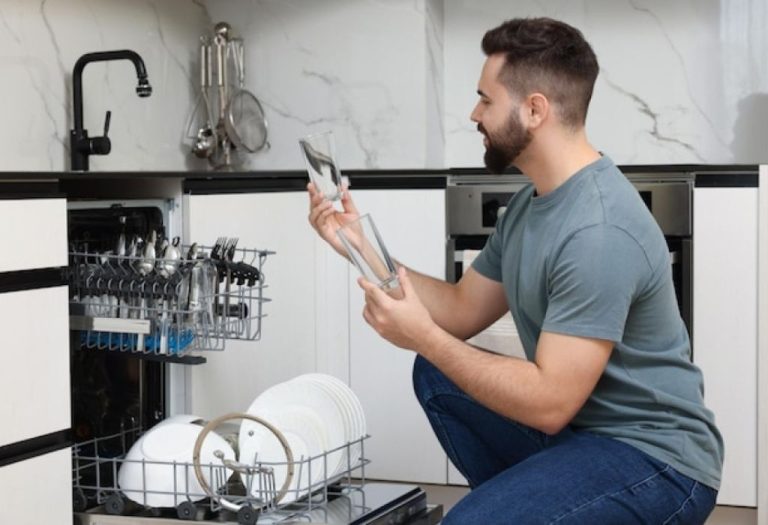
You finish a family dinner, load your LG dishwasher, and press Start with satisfaction. But when you open it an hour later, a few dishes are still wet or some glasses have food specks. You wonder if something’s wrong with the machine, yet the real issue might be how it’s loaded.
Even the most advanced dishwasher, like LG’s QuadWash TrueSteam models, depends on proper loading to work perfectly.
Each rack and spray arm is engineered to deliver powerful water jets from specific angles. When dishes block those paths, cleaning efficiency drops dramatically.
Loading might seem like guesswork, but LG’s design gives you tools to do it strategically. The EasyRack Plus system, fold-down tines, and third rack for utensils make every inch usable.
Once you learn how to use these features correctly, your dishwasher can deliver flawless cleaning with less effort.
This guide will walk you through how to load your LG dishwasher step by step — from pre-loading to smart cycle use. Whether you have a basic model or a premium TrueSteam unit, the principles remain the same.
By the end, you’ll master the simple habits that turn every cycle into a powerful, efficient clean, saving water, energy, and time while keeping your dishes spotless.
Why Loading Your LG Dishwasher Properly Matters

Even though LG dishwashers use advanced technology like QuadWash and TrueSteam, their efficiency still depends on how dishes are loaded. When items block spray arms or sit too close, water can’t reach all surfaces. The result is residue, spots, or incomplete cleaning.
Correct loading improves water distribution and detergent performance. Each jet sprays at a specific angle designed to cover certain rack areas. When dishes are placed correctly, the spray pattern reaches every plate, bowl, and utensil efficiently.
Overloading or placing dishes incorrectly can also strain the dishwasher’s motor and pump. It forces the system to work harder, increasing energy consumption and reducing lifespan. A balanced load ensures smooth operation and quiet cycles.
Improper loading often leads to food particles recirculating inside. These particles can clog filters, stick to dishes, or cause odors. Regularly cleaning and spacing dishes properly keeps the interior hygienic and fresh.
LG’s Smart Inverter technology adjusts power usage based on load size. When dishes are positioned evenly, sensors detect accurate water resistance and pressure, optimizing energy use. Correct loading directly enhances this built-in smart feature.
Loading properly also prevents damage to delicate items. Glasses, cups, and lightweight plastics can chip, warp, or flip if not placed securely. Following LG’s rack design ensures stability and safety during every cycle.
Finally, a well-loaded dishwasher simply saves time. You won’t need to rewash dishes or polish spots after drying. Each cycle becomes efficient, economical, and effortless.
Understanding the Design of Your LG Dishwasher
Before loading, take a moment to understand the design of your LG dishwasher. Most models feature three racks — bottom for heavy cookware, upper for bowls and glasses, and a slim third rack for utensils. Each section has its own spray pattern and water pressure level.
The bottom rack receives strong water jets from the lower spray arm. It’s ideal for plates, pans, and pots that need intense cleaning. This rack also has fold-down tines for flexible arrangement of larger items.
The upper rack uses moderate water pressure and angled spray arms. It’s perfect for cups, bowls, small plates, and plastic containers. LG’s EasyRack Plus system allows you to adjust the height for tall glasses or pans underneath.
The third rack is one of LG’s standout features. It’s a shallow tray at the top designed for cutlery, cooking tools, and small lids. This keeps utensils separated for thorough cleaning and easier unloading later.
LG’s QuadWash technology uses four spray arms instead of two. These multi-directional arms rotate back and forth to cover more surface area. Proper spacing of dishes ensures every corner benefits from this advanced water motion.
TrueSteam-equipped models add hot steam at the start of the cycle. This softens stubborn residue and helps sanitize dishes naturally. Leaving enough space between items allows steam to circulate fully for better results.
By understanding your LG dishwasher’s design, you’ll know where each dish type performs best. Using racks and adjustable tines correctly maximizes coverage and saves energy.
Pre-Loading Preparation: What to Do Before Loading
Proper preparation before loading helps your dishwasher perform at its peak. Start by scraping off large food chunks from plates and pans. While LG models can handle light residue, excessive debris can clog filters or cause odors.
Next, check the filter system at the bottom of the dishwasher. Remove any leftover food or debris from the fine mesh screen. Keeping the filter clean ensures strong water circulation and prevents blockages.
Adjust the rack height using LG’s EasyRack Plus lever. If you’re loading tall pots or baking sheets on the bottom, raise the upper rack slightly. For large wine glasses, lower it to make space without crowding.
Choose the right detergent and rinse aid before loading. LG recommends high-quality detergent pods or powder for optimal performance. Using rinse aid ensures faster drying and prevents water spots on glassware.
Check the spray arms by spinning them manually. Make sure nothing is obstructing their movement. This quick check guarantees water can reach all levels during the cycle.
Avoid mixing incompatible materials like aluminum and silver in close contact. Chemical reactions from heat and detergent can discolor or damage them. Group items by material for safer, more consistent cleaning.
Finally, run hot water at your sink for a few seconds before starting the dishwasher. This ensures the machine fills with preheated water immediately, improving detergent activation and cleaning power.
How to Load the Bottom Rack in an LG Dishwasher
The bottom rack handles the dirtiest and heaviest items. Place large plates, pots, and pans facing the center, where water pressure is strongest. Always angle dishes slightly downward to allow better rinsing and draining.
Avoid stacking plates tightly together. Leave at least half an inch between each to let water and detergent flow freely. Overlapping items reduce spray coverage and can leave behind stuck food.
Place pans and baking sheets along the sides or back. This positioning prevents them from blocking the detergent dispenser on the door. Flat items should stand vertically rather than lying flat.
For large pots, angle them so their open sides face the spray arm. This allows direct water contact with grease or baked-on stains. Heavy items should sit securely on fold-down tines to prevent tipping during cycles.
Avoid placing plastic containers on the bottom rack. The heat from the drying element below can cause warping. Keep all heat-sensitive items on the upper rack instead.
If your LG model includes TrueSteam, leave some space between items for steam to circulate. Steam loosens grime and improves sanitization when airflow isn’t obstructed.
Before closing the door, spin the lower spray arm by hand. If it hits any handles or edges, reposition the items. A free-spinning arm is key to perfect cleaning.
How to Load the Upper Rack Properly
The upper rack is ideal for medium-sized dishes, cups, bowls, and plastics. Arrange items so that open sides face downward or slightly angled. This allows water to drain and prevents puddles during drying.
Use the EasyRack Plus adjustment handles to customize the height. Lower the rack for taller glassware or raise it when the bottom rack holds bulky cookware. These small adjustments ensure maximum space efficiency.
Bowls should face the center of the rack for even spray coverage. Stagger them between rows to prevent water from pooling inside. Mixing bowl sizes helps distribute weight evenly and avoids shifting.
Place cups and glasses between the tines rather than over them. This prevents cracking or pressure marks. LG’s angled rack design helps position glassware perfectly for both washing and drying.
Secure lightweight plastic items using built-in clips if available. They keep containers from flipping during the wash. Make sure these pieces are dishwasher-safe and labeled as heat-resistant.
Avoid nesting small bowls or stacking cups. Water and detergent won’t reach surfaces trapped between items. Instead, load fewer dishes per cycle for guaranteed cleanliness.
If you’re using rinse aid, proper spacing also improves drying efficiency. Air circulation works best when items don’t touch each other. The result is spotless dishes without extra polishing.
Loading the Third Rack for Utensils and Cutlery
LG’s third rack is a game-changer for organization. It’s a slim tray at the very top designed for cutlery, spatulas, and small kitchen tools. This rack improves cleaning efficiency by separating utensils completely.
Place spoons, forks, and knives flat with handles alternating directions. This prevents them from nesting together. Keep sharp knives pointed sideways or handles first for safety.
If your LG model has adjustable sections, spread items out evenly across the rack. Avoid crowding one side, as this limits water flow. Balanced distribution helps every piece get equal spray coverage.
Small lids, measuring spoons, and reusable straws also fit well on this rack. It prevents them from slipping through larger rack gaps or blocking spray arms below. Using this rack makes unloading easier and safer.
Avoid stacking metal utensils directly on top of each other. Overlapping items can block detergent and water from reaching all surfaces. A single even layer always produces better cleaning results.
LG’s TrueSteam technology works perfectly with this layout. Steam reaches every utensil on the third rack, sanitizing and removing stubborn residue. When loaded correctly, you’ll never find spots or film on your cutlery again.
This rack saves time by freeing space below for larger dishes. Using all three racks effectively ensures your LG dishwasher operates at peak capacity every cycle.
Adjusting for Large or Odd-Shaped Items
Not every dish fits neatly into a rack, but LG’s flexible design makes adjustments easy. For tall pots or baking pans, lower the upper rack using the side levers. This creates extra clearance on the bottom without sacrificing space above.
Fold down adjustable tines on the bottom rack to fit large casserole dishes or trays. These movable supports give you flexibility for every load type. You can stand pans vertically or at an angle for better spray coverage.
Cutting boards or sheet pans should go along the sides, never the front. Placing them in front of the detergent dispenser blocks the soap from releasing properly. Vertical placement improves airflow and drying.
Odd-shaped bowls or pitchers can go on the upper rack at an angle. Avoid placing them upside down if they trap water. Tilting them slightly ensures they drain completely after washing.
When loading oversized cookware, ensure spray arms rotate freely. Spin them manually before closing the door. Any obstruction can stop the spray and lead to partially washed dishes.
Heavy ceramic or cast-iron cookware should never go in the dishwasher. These materials can chip racks or damage internal components. Always hand wash them to protect your appliance.
Using LG’s adjustable racks smartly gives you room for every dish, no matter how large or unique. Flexibility is one of the brand’s biggest advantages, making each cycle efficient and customizable.
LG Dishwasher Loading Tips for Best Cleaning Performance
Position all dishes so that the dirtiest surfaces face the spray arms. This allows water and detergent to reach food residues directly. Even a small misalignment can leave stubborn spots behind.
Maintain proper spacing between items on every rack. Crowded dishes block water flow and lead to streaking. A finger-width gap between plates is ideal for complete cleaning.
Balance heavy and light items evenly across the racks. Uneven loads can affect spray pressure and increase vibration. Proper distribution keeps the wash smooth and quiet.
Avoid placing tall utensils or pan handles where they block detergent doors. Check that both spray arms spin freely before closing the dishwasher. This step alone prevents 90% of common cleaning issues.
Always load dishwasher-safe items only. High heat can warp plastic, peel coatings, or discolor materials not designed for the dishwasher. When in doubt, wash delicate pieces by hand.
Clean filters and spray arms monthly for optimal water flow. Even minor buildup can reduce cleaning power. A few minutes of maintenance ensures lasting performance and lower energy use.
Finally, don’t overload the racks just to save time. A slightly lighter load gives far better results than a crammed one. Clean dishes on the first try are always more efficient than rewashing.
Eco-Friendly and Smart Cycle Tips

LG dishwashers are designed to save energy and water when used correctly. Smart loading complements eco modes perfectly. Together, they cut waste while delivering the same spotless results.
Use Eco or Auto mode for most daily loads. These settings adjust water usage and temperature automatically. They clean efficiently while consuming less energy than heavy cycles.
Avoid pre-rinsing under running water. Scraping food residue is enough because LG detergents and spray pressure handle the rest. Skipping pre-rinse can save up to 20 gallons of water per cycle.
Combine smart loading with rinse aid for faster, natural drying. This reduces the need for heated drying cycles, lowering electricity use. The result is cleaner dishes and a smaller carbon footprint.
If your LG dishwasher has Smart Diagnosis or ThinQ connectivity, use it to monitor performance. The app can recommend the best cycle based on your load and even alert you to maintenance needs.
Run full loads whenever possible. Dishwashers use roughly the same amount of energy regardless of size, so a full load maximizes efficiency. Just be sure dishes aren’t overcrowded.
Clean the filter and rubber seals monthly. A well-maintained dishwasher operates smoothly and avoids wasted water from repeat washes. Eco-friendly habits extend both appliance life and environmental benefits.
Top Questions About Loading an LG Dishwasher Answered
Should I rinse dishes before loading my LG dishwasher?
No, scraping off food scraps is enough. Rinsing wastes water and confuses the sensors that adjust wash strength. LG dishwashers are designed to handle light soil automatically.
Can I mix metal and glass in the same rack?
Yes, but avoid direct contact between them. Metal utensils can scratch or chip glassware during cycles. Keep them slightly apart for safe and spotless cleaning.
Where should I place plastic containers?
Always place plastics on the upper rack where heat is lower. The bottom rack’s drying element can warp lightweight materials. Secure them with clips if your model includes them.
How do I prevent cloudy glassware?
Use rinse aid regularly and avoid using too much detergent. Cloudiness is often caused by hard water deposits or overuse of soap. Rinse aid balances the mineral content and enhances shine.
Why does my LG dishwasher leave residue after washing?
Residue usually means blocked spray arms, incorrect loading, or low water temperature. Clean the filters and ensure dishes aren’t overcrowded. Running a hot cycle with vinegar once a month helps remove buildup.
Conclusion
Learning how to load an LG dishwasher properly turns every wash into a flawless cycle. The key lies in understanding the rack design, using space wisely, and keeping spray arms clear. When dishes are arranged for optimal water flow, you’ll always get sparkling results.
Each LG model, from basic to TrueSteam, is engineered for efficiency. Following these loading techniques ensures you’re using every feature — from QuadWash jets to adjustable tines — exactly as intended.
Good loading habits also save energy, reduce detergent waste, and extend your appliance’s life. Clean filters, balanced loads, and proper detergent use all contribute to consistent performance.
Make dishwashing easier by treating it as a smart system, not just a chore. Once you know where each item belongs, every cycle runs smoother and faster.
So the next time you press Start, you’ll do it with confidence — knowing your LG dishwasher is perfectly loaded, ready to deliver spotless dishes every single time.

I’m Emma J. Caldwell, the founder, lead writer, and home-cooking enthusiast behind KitchenGuideCo.com. With a background in culinary arts and over a decade of cooking experience in both professional and personal kitchens, I created this platform to demystify recipes, offer smart kitchen gadget reviews, and guide readers through meal prep with confidence and clarity.