Imagine coming home after a long dinner party, loading your Miele dishwasher, and expecting your dishes to come out sparkling clean, only to find half of them still greasy or with detergent residue.
It’s frustrating, but the truth is, even the best dishwasher can’t deliver perfect results if it isn’t loaded properly.
Miele dishwashers are engineered with precision, featuring advanced water jets, multiple spray arms, and intelligent sensors. But all this technology works best when every plate, cup, and utensil is placed in the right position.
Understanding how to load your Miele dishwasher correctly ensures spotless dishes, energy efficiency, and protection for your fragile glassware.
Most people assume loading is simple—just fit everything that can go inside. However, improper loading can block spray arms, waste detergent, and even cause damage to delicate items.
Whether it’s the upper rack for glassware, the cutlery tray for utensils, or the lower rack for heavy cookware, each zone has a purpose.
In this complete guide, you’ll learn how to load your Miele dishwasher step by step. You’ll discover the ideal positioning for every dish type, the best pre-cleaning practices, and how to choose the right wash cycle.
By following these simple yet effective techniques, your dishwasher will perform at its best, leaving every item spotless, shiny, and ready to use again.
Understanding Your Miele Dishwasher Design
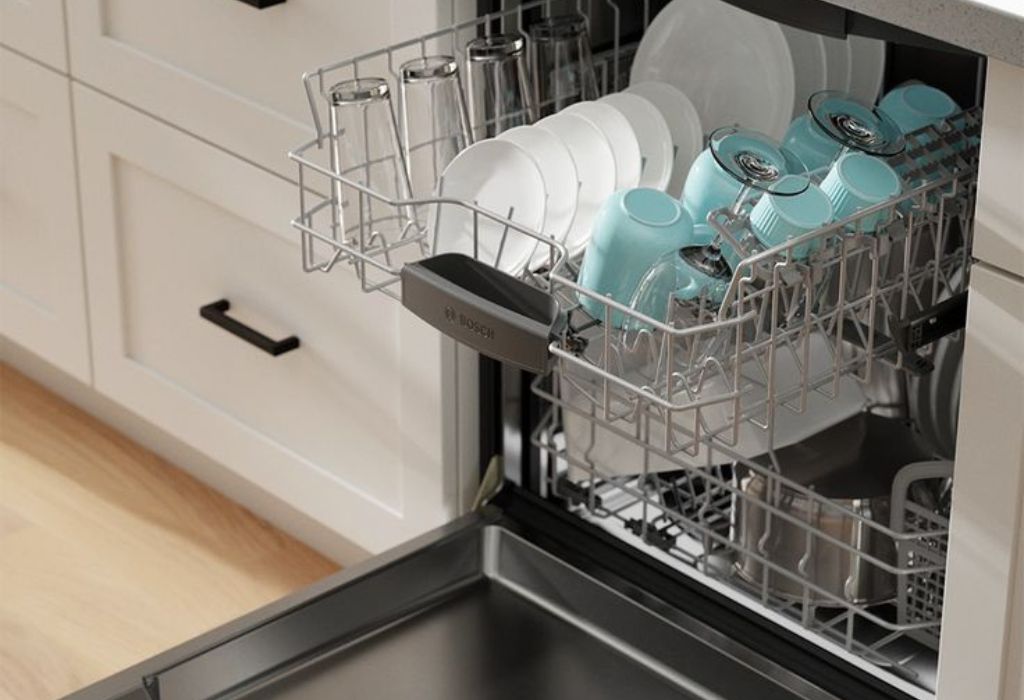
A Miele dishwasher is engineered with German precision, designed to deliver spotless results while maintaining energy efficiency. Inside, it has a detailed structure of racks, spray arms, sensors, and a dedicated cutlery tray. Understanding how each part functions will help you load it effectively.
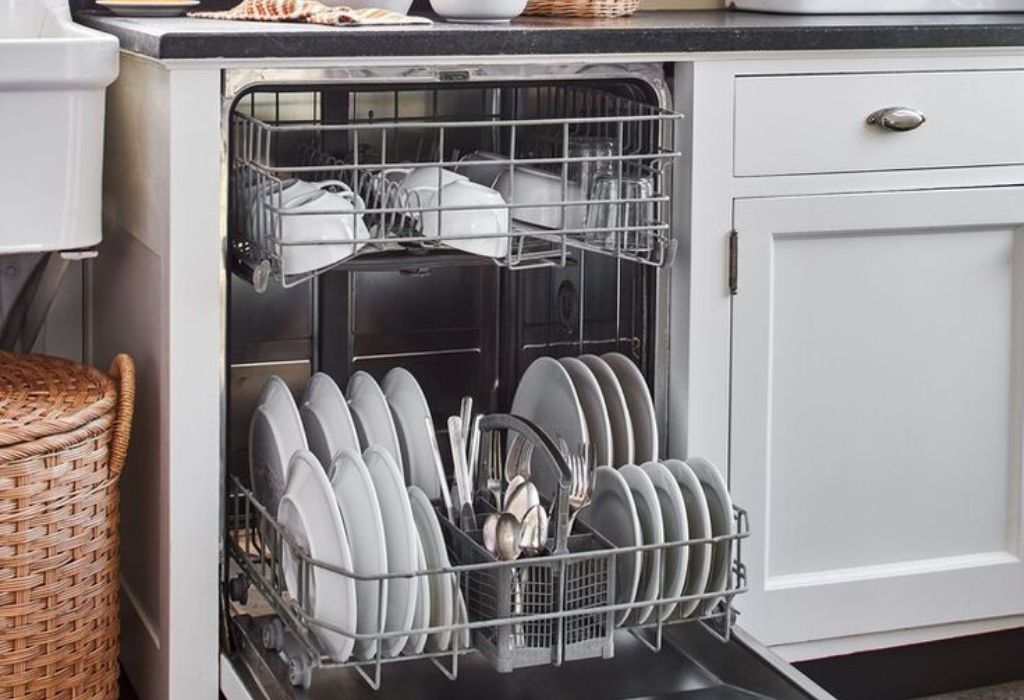
The lower rack handles heavy-duty items like plates, pots, and pans, while the upper rack accommodates cups, bowls, and glasses. The top-level cutlery tray is reserved for utensils and smaller items. When used correctly, each zone ensures that water and detergent reach every surface.
Spray arms play a crucial role in cleaning performance, distributing pressurized water evenly throughout the dishwasher. If items block these arms, water flow becomes restricted, leading to poor cleaning results. Keeping the arms unobstructed ensures that every corner of the load gets attention.
Miele’s intelligent sensors detect soil levels and adjust wash intensity automatically. However, this smart function can only perform correctly when items are arranged in a way that allows sensors to sense water clarity accurately. Overlapping dishes can interfere with this system and cause inefficient washes.
Another key aspect is detergent dispersion, which depends on open space between dishes. When plates are tightly packed, detergent may not dissolve properly. This can lead to soap marks and water spots even after a full cycle.
The design is built to encourage structured loading, not random stacking. By understanding its layout and flow pattern, you’ll make your dishwasher perform at its best. Learning this layout is the first step toward cleaner, shinier dishes every time.
Preparing Dishes Before Loading
Before you even touch the racks, preparation matters more than most people realize. Miele dishwashers are powerful, but large food scraps can block the filter or spray arms. Scrape off leftovers to prevent clogging and ensure water jets reach every surface.
There’s an ongoing debate about rinsing before loading. Miele recommends scraping rather than rinsing, as sensors detect soil levels to adjust cleaning automatically. Over-rinsing may trick the machine into using less water and detergent, resulting in incomplete cleaning.
Avoid putting cookware with burnt or baked-on residues directly into the dishwasher. Pre-soaking them in warm water with mild detergent loosens grime for better cleaning later. This helps the wash cycle work more efficiently without overworking the motor.
It’s essential to sort your dishes before loading. Separate metal, plastic, glass, and ceramic items to avoid heat damage or discoloration. This sorting system saves time and keeps delicate items from rubbing against each other.
Greasy dishes should go in after a quick wipe with a paper towel. Excess oil can form films that stick to other items during washing. Miele’s detergent efficiency increases when grease is minimized beforehand.
Never load non-dishwasher-safe items such as wood, cast iron, or crystal glassware. These materials can warp, rust, or break under high heat and strong water pressure. Always check manufacturer labels before including any item in your dishwasher.
Pre-loading preparation creates a foundation for efficient cleaning. When you spend two extra minutes setting up your dishes correctly, you save time on re-washing later. It’s a small step that guarantees better results every time.
Do I need to rinse dishes before putting them in a Miele dishwasher?
No, just scrape off large food particles. Miele’s sensors adjust the wash automatically based on detected soil levels.
Can I wash greasy pans without pre-soaking?
Lightly greasy items are fine, but burnt or thick residue should be soaked to ensure proper cleaning.
What happens if I overload my dishwasher?
Overloading blocks spray arms and prevents water from reaching all surfaces, reducing cleaning quality.
Should I use a rinse aid with every cycle?
Yes, rinse aid helps reduce water spots and speeds up drying, especially for glassware.
Can I put silver or gold-trimmed dishes inside?
Avoid them, as the strong detergent and high heat may cause fading or corrosion.
Loading the Lower Rack Properly
The lower rack is designed to handle heavy, durable items such as plates, pots, and pans. Always place them facing inward so water jets hit the dirtiest surfaces directly. Avoid stacking dishes too tightly, as it restricts spray arm rotation.
Position large plates along the outer edges, leaving space in the middle for water circulation. If you have oversized items like pans or baking trays, place them slightly angled. This ensures the water can drain off easily and prevents puddles from forming.
Avoid placing tall pots or cutting boards in a way that blocks the detergent dispenser. When detergent can’t dissolve evenly, dishes remain dirty even after a long cycle. Always double-check spray arm clearance by spinning it before closing the door.
Heavier cookware should always go on the bottom to keep the rack stable. Mixing light and heavy dishes in the same zone can cause balance issues and vibration noise. A well-balanced load ensures quiet operation and even washing.
Plastic items that can withstand heat can be placed on the bottom only if marked dishwasher-safe. Keep them far from the heating element to avoid warping. Lightweight items are generally better suited for the top rack.
Place dishware with deep bowls or curved bottoms at an angle. This allows water to reach the inner surfaces and improves drying. Standing them upright traps water, leaving stains after the drying phase.
Proper lower rack loading determines how well your heavy dishes come out. Following these placement rules ensures optimal pressure from spray arms and maximum detergent effectiveness.
Loading the Upper Rack and Cutlery Tray
The upper rack is meant for more delicate items such as cups, bowls, glasses, and smaller plates. Position glasses between prongs rather than over them to prevent cracking. Always angle them downward so water doesn’t collect inside.
If your Miele model allows adjustable rack height, use it wisely. Lower the rack to fit taller glasses or bowls, or raise it to accommodate larger plates below. This flexibility helps make full use of available space without overloading.
Cups should be placed upside down and slightly tilted to allow better drainage. If water pools on flat surfaces, it can cause water spots and dull finishes. Proper angling reduces post-wash wiping.
Miele’s signature cutlery tray replaces the traditional basket and keeps utensils separated. Lay each spoon, knife, and fork individually to avoid nesting. This design ensures better cleaning and safety, as knife blades face downward.
Avoid putting delicate wine glasses too close together. The vibration and water jets can cause them to collide and break. Use the glass support holders or special clips if your Miele model includes them.
Plastic lids and small items can go on the upper rack, but always secure them properly. Lightweight objects may flip over or block spray arms during washing. Ensuring stability helps maintain performance.
With correct arrangement, your upper rack and cutlery tray become essential for efficiency. Balanced spacing and proper angling ensure every utensil and cup emerges sparkling clean.
Can I put knives in the cutlery tray?
Yes, lay them flat with blades facing downward for safety and better cleaning.
What is the best way to wash wine glasses?
Place them in the upper rack using holders or clips, leaving space between each glass.
Should I separate silverware by type?
Yes, mix forks and spoons to prevent nesting but separate knives for safety.
Why are my cups coming out cloudy?
It’s often due to hard water or excess detergent; use rinse aid and reduce detergent.
Can I wash baby bottles on the upper rack?
Yes, but use a gentle cycle and ensure they’re dishwasher-safe plastic or glass.
Choosing the Right Cycle for Your Load
Each Miele dishwasher comes with multiple cycles designed for specific needs. Choosing the right one prevents energy waste and ensures a spotless finish. Understanding what each cycle does helps tailor the wash to your load type.
The Normal cycle works best for everyday dishes with moderate soil. It balances water temperature and duration for general cleaning. The Auto cycle uses sensors to detect dirt levels and adjust intensity automatically.
When you need speed, the Quick wash cycle completes cleaning in less time. However, it’s less effective for heavily soiled dishes. The Intensive cycle handles greasy pots and pans using high heat and pressure.
The Eco mode is perfect for saving energy and water on lightly soiled loads. Although longer, it’s highly efficient and environmentally friendly. Choosing Eco mode regularly helps reduce power bills over time.
Miele also offers specialized cycles like “GlassCare” for delicate items and “Extra Dry” for better drying. Learning these options ensures you use the right settings for each load. Combining correct loading with suitable cycles gives professional-level results.
Incorrect cycle selection can waste detergent and electricity while leaving residue on dishes. Always match your wash program to the dish type and soil level for best outcomes.
Maintenance Tips for Better Cleaning
A clean dishwasher performs better and lasts longer. Start by removing and rinsing the filter weekly to prevent buildup. Food particles trapped in the filter can restrict water flow and cause odor.
Spray arms should also be checked for blockages. Detach and rinse them under running water to remove small debris. Clean spray nozzles with a toothpick if clogged.
Limescale can form over time, especially in areas with hard water. Run a monthly cleaning cycle using Miele dishwasher cleaner or a vinegar solution. This maintains heat efficiency and removes hidden residue.
Avoid using regular dish soap in the dishwasher, as it creates excessive foam. Always stick to Miele-approved detergent or high-quality tablets. Mixing brands may reduce cleaning power.
Inspect the rubber door seal regularly and wipe it with a damp cloth. This prevents mold buildup and keeps your machine odor-free. Neglecting seals can lead to leaks and poor drying.
Finally, always leave the door slightly open after each wash. It allows moisture to evaporate and prevents mildew inside the tub. Small habits like these keep your Miele dishwasher in top condition for years.
How often should I clean the filter?
At least once a week, or more frequently if you wash heavily soiled dishes.
Can I use vinegar as a cleaner?
Yes, but use it occasionally and never mix with detergent; it can damage seals.
Why does my dishwasher smell bad?
Odor usually comes from trapped food debris in the filter or door seals; clean them regularly.
Is it safe to wash spray arms in hot water?
Yes, warm water helps dissolve grease, but handle carefully to avoid bending plastic.
Do I need to descale my Miele dishwasher?
Yes, once every one to two months, especially in areas with hard water.
Conclusion
Before pressing start, do a quick inspection to confirm everything is ready. Check that spray arms rotate freely without hitting dishes. Ensure detergent is loaded correctly and the dispenser isn’t blocked.
Confirm that all dishes are secure and won’t shift during washing. Loose items can hit spray arms and break fragile glassware. Proper spacing guarantees smooth rotation and balanced cleaning.
Check that no utensils are sticking out of the racks. Protruding items can prevent the door from sealing properly, causing leaks. Close the door gently and listen for the click to ensure it’s locked.
Always make sure your dishwasher is properly connected to water and power. If you’ve recently installed it, test for any dripping hoses or loose connections. A small check now prevents big problems later.
Overloading is a common mistake before starting. If you notice dishes stacked too close, remove a few items for better water flow. Leaving space increases cleaning power and ensures complete drying.
Finally, choose the appropriate wash cycle based on your load type. Press start, and let your Miele dishwasher do the rest efficiently. These last-minute checks ensure a perfect run every time.

I’m Emma J. Caldwell, the founder, lead writer, and home-cooking enthusiast behind KitchenGuideCo.com. With a background in culinary arts and over a decade of cooking experience in both professional and personal kitchens, I created this platform to demystify recipes, offer smart kitchen gadget reviews, and guide readers through meal prep with confidence and clarity.