You load your dishwasher after dinner, close the door, and press start. Minutes later, you hear the hum of water and expect spotless dishes when the cycle ends. Yet, when you open the door, you find cloudy glasses and greasy plates that look only half-clean.
In many homes, the issue isn’t the machine or the detergent brand — it’s how the soap is loaded. A simple mistake like using too much, too little, or placing it incorrectly can make even a premium dishwasher perform poorly.
Dishwashers are designed with precision. Every detergent compartment, water jet, and heating element works in harmony to break down food residue and sanitize dishes. When soap is added the right way, the chemical reaction and water flow achieve maximum efficiency.
This guide will show you exactly how to load soap in your dishwasher the correct way. You’ll learn about different detergent types, how much to use, where to place it, and what to avoid.
By the end, you’ll have the confidence to run your dishwasher knowing each cycle will deliver spotless, streak-free results every single time.
Why Proper Soap Loading Matters
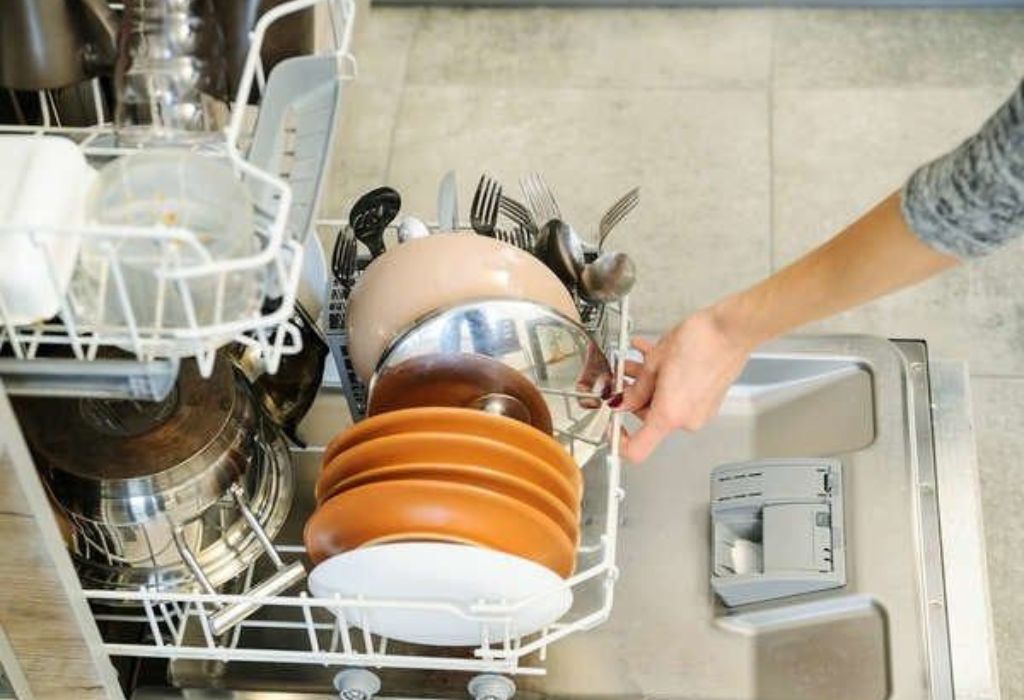
Using the right amount of dishwasher soap is more important than most people realize. Proper detergent loading ensures dishes come out clean, free from grease and residue. It also protects the internal parts of your dishwasher from buildup and mineral deposits.
When too much soap is used, it produces excess suds that reduce water pressure. These bubbles can trap food particles instead of rinsing them away. Over time, the leftover foam can clog filters and reduce overall washing performance.
On the other hand, using too little detergent means there’s not enough cleaning power to dissolve grease. Food particles and stains may remain stuck to plates and utensils. Rewashing these dishes wastes both time and energy.
Dishwasher detergents are specially designed for high-temperature cleaning. They activate best under hot water and pressure, breaking down protein and starch-based food residues. Incorrect loading disrupts this chemical process and weakens cleaning effectiveness.
Proper soap measurement also helps maintain ideal water hardness balance. Hard water needs slightly more detergent, while soft water requires less to prevent streaks. Understanding this balance keeps your dishes sparkling and prevents damage to your machine.
Incorrect detergent use can even affect the heating elements inside the dishwasher. When residue builds up, the heater takes longer to reach the right temperature, consuming more electricity. Consistent correct usage ensures efficiency and longer appliance life.
In short, how you load the soap decides whether your dishwasher performs efficiently or struggles through each cycle. Small habits here lead to big improvements in cleanliness and durability.
Understanding Different Types of Dishwasher Soap
Not all dishwasher soaps are created equal. Each type of detergent—powder, gel, pods, or tablets—has unique cleaning properties and ideal use cases. Knowing the difference helps you choose the right option for your machine and water conditions.
Powder detergents are the traditional choice and give you full control over dosage. They dissolve quickly and perform well in areas with hard water. However, they can clump if exposed to moisture, so storage in a dry place is essential.
Gel detergents are convenient and easy to pour, ideal for quick or light cycles. They dissolve faster but may not handle heavy grease or baked-on stains as effectively as powders or pods. Gels are best suited for soft water areas where less detergent is needed.
Pods or tablets have become the most popular option for their simplicity and precision. Each pod contains a pre-measured amount of detergent, rinse aid, and sometimes a water softener. This makes them perfect for consistent results without guessing measurements.
Eco-friendly and enzyme-based detergents use natural cleaning agents instead of harsh chemicals. They work effectively at lower temperatures, saving energy while protecting delicate dishes. These are excellent for households prioritizing sustainability.
When choosing a detergent, always check the manufacturer’s recommendations. Some dishwashers perform best with specific brands or formulations. Using the wrong detergent can lead to residue, streaks, or dispenser malfunctions.
Lastly, match your detergent to your water hardness. Hard water requires detergent with built-in softeners to prevent mineral buildup, while soft water benefits from low-suds formulas. This small adjustment can dramatically improve your dishwasher’s performance.
By understanding how each detergent type behaves, you can make smarter choices that clean better, protect your dishes, and extend your appliance’s lifespan.
Locating the Dishwasher Soap Dispenser
Before adding detergent, you need to know exactly where the soap goes. Every dishwasher has a built-in detergent dispenser, usually on the inside of the door. Understanding its parts helps you use the right amount of soap at the right time.
The dispenser typically has two compartments: a main detergent cup and a smaller pre-wash section. The main cup holds the majority of the detergent released during the wash cycle. The pre-wash area is for a small amount of soap that helps loosen heavy food residue early in the cycle.
Most dispensers have a small, spring-loaded cover that snaps shut before the wash begins. When the dishwasher reaches the correct point in the cycle, this cover automatically opens, releasing the detergent into the spray zone. This timing ensures optimal mixing of soap and hot water.
If you use pods or tablets, the same compartment is used, but you don’t need to fill the pre-wash slot. Place the pod directly in the main detergent cup, not in the utensil basket or bottom of the tub. This prevents premature dissolving before the wash starts.
Different brands have slightly different dispenser designs. For instance, Bosch dishwashers may have a sliding latch, while Whirlpool or GE use push-to-lock covers. Check your model’s manual once to understand the dispenser style, as forcing the lid can damage its hinge.
If detergent residue remains after washing, the dispenser might be dirty or obstructed. Grease buildup or hardened soap can prevent the door from opening fully. Wiping the inside with warm water and a soft brush once a week prevents this issue.
You’ll know the dispenser is functioning correctly if you hear a click during loading and see it open automatically mid-cycle. Keeping this small component clean and functional ensures the detergent activates exactly when needed.
Step-by-Step Guide to Loading Dishwasher Soap
Loading dishwasher soap correctly might seem simple, but each step matters for spotless results. From measuring to sealing, every action affects cleaning performance and efficiency. Follow these steps carefully to get the most from each wash cycle.
Step 1: Open the detergent dispenser properly.
Locate the soap compartment on the inside of the door and press the release tab or button to open it. Make sure it’s completely dry before adding detergent, as moisture can cause powder or pods to stick. Always check for leftover residue and wipe it clean before refilling.
Step 2: Measure the correct amount of detergent.
If you’re using powder or gel, measure according to your dishwasher manual or detergent package. Most machines need between one and two tablespoons for a full load. For light or small loads, reduce the amount slightly to prevent residue buildup.
Step 3: Add detergent to the right compartments.
Fill the main detergent cup with the full portion for normal washing. If your dishes are heavily soiled, you can also add a small amount to the pre-wash slot. Avoid filling above the line, as excess soap can foam excessively and reduce water pressure.
Step 4: Use pods or tablets correctly.
Place a single pod or tablet directly in the main detergent compartment, never loose in the tub. Close the compartment lid until you hear a firm click. This ensures it opens at the correct time in the wash cycle and doesn’t dissolve prematurely.
Step 5: Close the dispenser securely.
After adding detergent, press the lid gently until it locks in place. A proper seal ensures the detergent is released only when the water pressure and temperature are optimal. If the latch feels loose, check for debris or worn-out springs before running the dishwasher.
Step 6: Start the dishwasher promptly.
Avoid leaving detergent in the dispenser for long periods before starting the cycle. Prolonged humidity inside the dishwasher can cause detergent to clump or lose effectiveness. For best results, load, add detergent, and run the cycle immediately.
Step 7: Check the results after washing.
When the cycle finishes, open the door slightly to release steam. Inspect whether all detergent dissolved completely. If you find leftover soap, clean the dispenser and check for obstructions in the spray arms before the next cycle.
Following these simple yet precise steps ensures every wash cycle delivers maximum cleaning power. With proper loading habits, your dishwasher will perform efficiently and your dishes will always come out shining clean.
Common Mistakes When Loading Dishwasher Soap
Even with a modern dishwasher, a few small mistakes can lead to poor cleaning results. Most issues arise from improper detergent use or incorrect placement in the dispenser. Avoiding these errors ensures cleaner dishes and a longer-lasting machine.
One of the most common mistakes is using regular dish soap instead of dishwasher detergent. Regular liquid soaps create heavy foam that overflows and floods the kitchen floor. Always use detergent designed specifically for dishwashers, as it produces minimal suds while maintaining cleaning strength.
Overfilling the dispenser is another frequent error. Many people assume more detergent means cleaner dishes, but excess soap reduces water flow and leaves residue. Over time, this buildup can clog the spray arms and damage internal sensors.
Underfilling the detergent cup also causes problems. Using too little detergent leads to greasy or cloudy dishes because the cleaning power isn’t sufficient. It also forces the dishwasher to work harder, using more water and energy in repeated cycles.
Another mistake is adding detergent to a wet compartment. When moisture is present, powder or pods can stick to the sides, preventing them from dispensing correctly. Always dry the compartment with a soft cloth before loading detergent.
Many users forget to close the detergent door securely. If it doesn’t latch properly, the soap releases too early or not at all. A half-open door wastes detergent and leaves dishes dirty even after a full cycle.
Mixing different detergent types—such as powder and gel—creates chemical imbalance. They dissolve at different speeds, causing one to overperform and the other to underperform. Stick to one detergent form per wash for consistent results.
Lastly, storing detergent improperly reduces its effectiveness. Exposure to humidity or direct sunlight can harden pods and clump powders. Always store them in a cool, dry cabinet to preserve their cleaning strength.
By recognizing and avoiding these simple mistakes, you ensure that your dishwasher soap performs exactly as intended—delivering spotless dishes every single time.
Best Practices for Different Dishwasher Cycles
Every dishwasher cycle uses a different balance of time, temperature, and water pressure. Knowing how to adjust detergent amounts for each setting ensures consistent cleaning without waste. The right approach keeps your dishes spotless while extending your machine’s life.
For normal or auto cycles, use the manufacturer-recommended detergent amount. These cycles are designed to handle everyday loads with moderate soil levels. Too much soap can cause streaking, while too little can leave grease or residue behind.
For heavy or intensive cycles, slightly increase the detergent amount. These longer programs use higher heat and pressure, ideal for pots, pans, and dried food stains. The added detergent ensures full removal of baked-on residue and oily buildup.
The eco or light wash cycle uses less water and lower temperatures. In this mode, reduce your detergent amount by about 25 percent to prevent leftover suds. Eco cycles are perfect for lightly soiled dishes or quick daily loads.
Some dishwashers include a pre-wash or quick-rinse function. Adding a teaspoon of detergent to the pre-wash compartment helps soften food before the main wash. This small step improves cleaning efficiency without needing a second full cycle.
If your machine offers a rinse-only cycle, never add detergent. This feature is intended for temporary rinsing when you plan to run a full wash later. Using soap during this cycle wastes detergent and may create unnecessary foam.
Always remember that water hardness influences how much detergent you need per cycle. Hard water requires slightly more detergent to combat minerals, while soft water performs better with less. Adjusting this balance keeps glassware clear and prevents white film buildup.
By matching detergent amounts to cycle types, you not only improve cleaning performance but also lower costs and reduce environmental impact. Efficient cycles and correct soap usage go hand in hand for the best dishwasher results.
Troubleshooting Soap Dispensing Problems
Sometimes even when you load the detergent correctly, the dispenser doesn’t release soap as it should. A stuck or clogged compartment can leave dishes dirty or streaked after washing. Understanding the causes helps you fix the issue quickly without calling a technician.
If soap remains in the dispenser after a full cycle, it often means the compartment door didn’t open properly. This can happen when tall utensils or large pans block the lid from flipping open. Always check that the area in front of the dispenser is clear before starting the wash.
Water temperature and pressure are also critical. Dishwasher detergent is formulated to dissolve under hot water, usually around 120°F or higher. If the water isn’t hot enough or the pressure is weak, the soap won’t dissolve completely and can leave clumps.
A dirty or greasy dispenser can also interfere with proper release. Over time, detergent residue and food particles build up around the hinges or spring. Cleaning the inside of the compartment with warm soapy water once a week keeps it moving freely.
If the dispenser door doesn’t open at all, the latch or spring mechanism might be damaged. Try manually pressing the release to check if it clicks smoothly. If it feels loose or stuck, the component may need replacement.
Pods or tablets sticking inside the compartment are another common problem. This happens when moisture softens the pod before the wash begins. Keeping your detergent dry and starting the dishwasher right after loading prevents this issue.
In rare cases, a faulty control board may be to blame. If the dispenser motor isn’t receiving the electrical signal to open, the soap won’t release no matter how clean the compartment is. Checking voltage output or consulting a technician can confirm this problem.
Regular maintenance and awareness of these simple issues ensure smooth detergent release every time. By keeping the dispenser clean, clear, and functional, you’ll guarantee sparkling dishes after every wash.
Maintenance Tips for Long-Term Performance
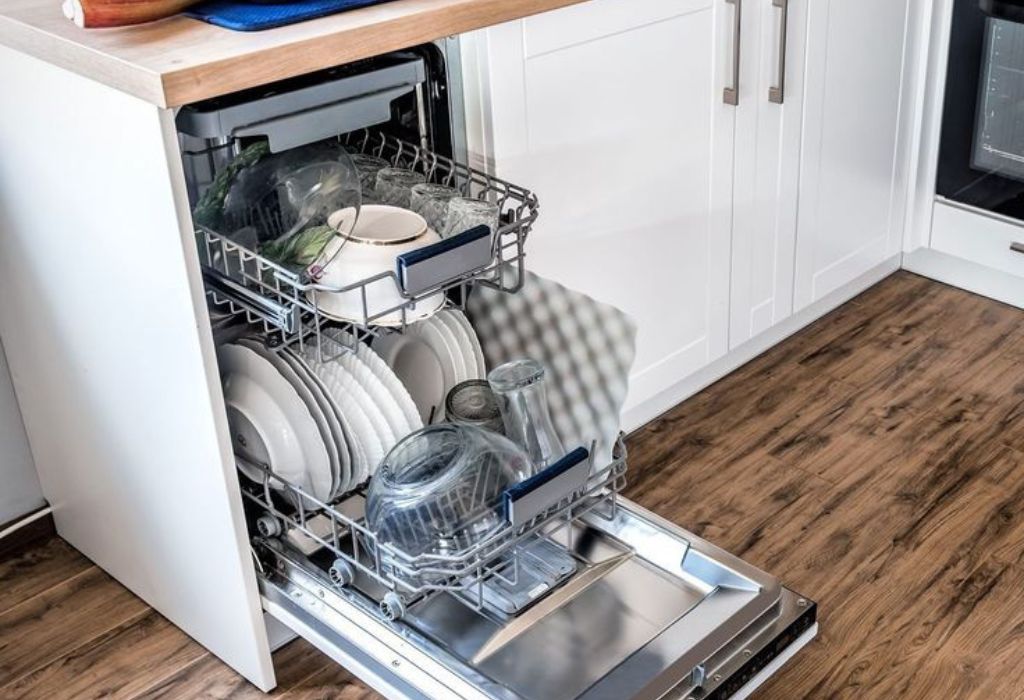
Maintaining your dishwasher’s detergent system ensures reliable cleaning results for years. Regular care prevents buildup, mechanical issues, and detergent waste. Simple habits can keep both your soap dispenser and overall appliance running efficiently.
Start by cleaning the detergent compartment weekly. Use a soft cloth or old toothbrush dipped in warm water to remove dried soap or grease. This keeps the latch and spring working smoothly so the door always opens on time.
Run a vinegar rinse cycle once a month. Place a cup of white vinegar on the top rack and run a hot wash without dishes. Vinegar breaks down mineral deposits, soap scum, and residue inside the dispenser and spray arms.
Inspect the dispenser seal and springs regularly for wear or cracks. A weak spring may fail to open the door fully, leaving detergent trapped inside. Replacing these small parts early prevents expensive repairs later.
Use only high-quality detergents that match your machine’s recommendations. Cheap or low-grade soap can clump, overfoam, or leave residue that damages the dispenser over time. Investing in reliable brands improves both performance and longevity.
Keep the interior of the dishwasher dry when not in use. Leaving the door slightly open after a cycle allows moisture to evaporate, preventing mold and detergent clumping. A dry environment also extends the life of rubber seals.
Finally, schedule deep cleaning every few months. Remove racks and spray arms, clean filters, and inspect all moving parts. Consistent upkeep keeps your dishwasher performing like new and prevents detergent waste from buildup.
A few minutes of regular maintenance ensures your detergent dispenser works perfectly and your dishes always come out spotless. Preventive care is the key to efficiency, hygiene, and long-term savings.
Quick Answers: How to Use Dishwasher Soap the Right Way
Can I use liquid dish soap in a dishwasher?
No, regular dish soap is not suitable for dishwashers. It creates excessive suds that can overflow and leak onto the floor. Always use detergents specifically formulated for dishwashers, which produce minimal foam and dissolve properly under high heat.
How much detergent should I use for soft water?
Soft water requires less detergent because it lathers easily and leaves fewer mineral deposits. Usually, one tablespoon of powder or gel is enough for a normal load. Using too much soap in soft water can cause streaking and cloudy glassware.
Why is soap residue left after a cycle?
Soap residue often means the dispenser door didn’t open fully or water pressure was too low. It can also happen if detergent clumps in a damp compartment. Always ensure the dispenser is dry before adding soap and keep the spray arms free of obstructions.
Are pods better than powder or gel?
Pods are the most convenient option since they contain pre-measured detergent and sometimes built-in rinse aid. They prevent overuse and guarantee consistent cleaning results. However, powders or gels may be more cost-effective for large households that run frequent loads.
What’s the safest way to store dishwasher soap?
Store detergent in a cool, dry cabinet away from moisture and direct sunlight. Humidity causes powder to clump and pods to soften prematurely. Keep the container sealed tightly to preserve the detergent’s cleaning strength.
Should I fill both compartments with soap?
No, the smaller pre-wash compartment is only for heavily soiled dishes or special cycles that include a pre-rinse phase. For standard washes, filling the main compartment is enough. Adding detergent to both may lead to residue and overuse.
How often should I clean the detergent dispenser?
Clean it once a week if you run your dishwasher daily, or once every two weeks for lighter use. Regular cleaning prevents soap buildup that can block the dispenser door. Wiping it with warm water and a soft brush is usually sufficient.
Can detergent expire or go bad?
Yes, dishwasher detergent can lose effectiveness over time. Check the packaging date and use it within 12 to 18 months for best results. Old detergent may not dissolve properly, leading to poor cleaning and residue.
These quick answers cover the most common concerns homeowners face. Understanding these basics helps you use detergent effectively and keep your dishwasher performing at its best.
Conclusion
Loading soap in your dishwasher correctly might seem like a small task, but it makes a big difference in how clean your dishes come out. Using the right detergent type, the proper amount, and placing it correctly ensures your machine performs efficiently. Over time, these small habits protect your dishwasher and save you from unnecessary maintenance costs.
A properly measured and well-loaded detergent cycle not only removes grease and grime but also prevents cloudy glassware and residue. It keeps your filters, spray arms, and heating elements working smoothly, reducing strain on the system. The result is consistent performance and spotless results after every wash.
Always remember that detergent and water temperature work together. If either is off, cleaning power weakens. By following the correct loading steps, you ensure both elements operate at their peak effectiveness for optimal washing.
Avoiding common mistakes like overfilling, using the wrong soap, or adding detergent to a damp compartment will keep your appliance trouble-free. Regular cleaning of the dispenser and using quality detergent makes a noticeable difference.
Good dishwasher care is not about doing more—it’s about doing it right. Following these practical steps guarantees that every cycle delivers spotless dishes, sparkling glassware, and long-term performance you can rely on.
Now every time you press that start button, you can feel confident knowing your dishwasher is set up perfectly to do its job—clean efficiently, save energy, and make your kitchen routine easier than ever.

I’m Emma J. Caldwell, the founder, lead writer, and home-cooking enthusiast behind KitchenGuideCo.com. With a background in culinary arts and over a decade of cooking experience in both professional and personal kitchens, I created this platform to demystify recipes, offer smart kitchen gadget reviews, and guide readers through meal prep with confidence and clarity.