Maya planned to bake cookies for her family and expected her self cleaning oven to stay fresh without any effort. A faint burnt smell began spreading through the kitchen even though she had not cooked anything that day.
She realized that relying only on the self clean button was not enough to keep the appliance in proper condition.
Many homeowners assume that self cleaning ovens never require maintenance after installation.
The high heat cycle removes residue but it cannot prevent spills from hardening or collecting around hidden surfaces. Without occasional care the oven may develop odors uneven heating and visible staining over time.
Understanding how to maintain a self cleaning oven protects both performance and safety in the kitchen. Simple habits like wiping fresh spills and removing racks before cleaning prevent long term damage to the interior coating.
With the right approach the self cleaning feature continues to work efficiently without causing stress to internal components.
How Self Cleaning Ovens Work
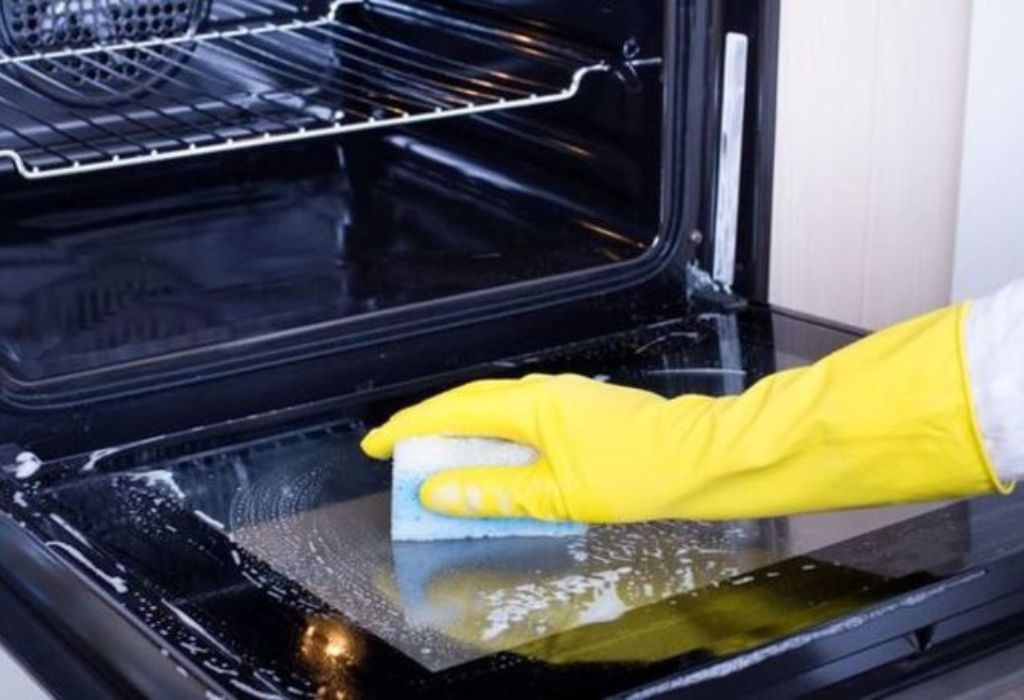
Self cleaning ovens use extremely high heat to burn away food residues inside the cavity. During the cleaning cycle the temperature rises to levels that turn grease and spills into ash. This process allows homeowners to clean the oven without using chemical products.
The oven door locks automatically when the cycle begins to prevent accidental opening. This safety feature remains active until the interior cools down to a safe temperature after finishing. The procedure keeps both users and surrounding surfaces protected from excessive heat.
Most self cleaning models rely on pyrolytic technology to complete the process. The intense heat requires several hours to complete depending on the amount of buildup inside. When finished the interior is left with a thin layer of ash that can be wiped away easily.
Some newer ovens include steam assisted features to loosen debris. These cycles use lower heat combined with water to soften residue for faster cleaning. Steam cycles are useful for light maintenance but cannot replace full self cleaning functions.
Self cleaning ovens must be empty before beginning the cycle. Leaving cookware or food inside can cause discoloration or melting during high heat. Removing racks protects them from losing their finish and becoming damaged.
The process may produce odors if heavy grease burns during the cycle. Improving ventilation by opening windows helps reduce smell and improve airflow. Pets should be kept away because animals may be more sensitive to fumes.
Understanding how the system works helps users follow proper maintenance routines. Correct usage prevents damage and keeps the self cleaning feature functioning effectively. This foundation supports long term performance and safe operation at home.
Benefits and Limitations of Self Cleaning Ovens
Self cleaning ovens save time by eliminating the need for intense manual scrubbing. The automated process reduces physical effort and keeps the interior looking clean. Homeowners benefit from maintaining a hygienic cooking space with minimal work.
The high heat removes stubborn baked on stains that are difficult to remove by hand. Grease and residue break down completely without using chemical cleaners. This makes the oven safer for families who want to avoid harsh products.
Self cleaning models help maintain consistent heating performance over time. A clean interior reflects heat more efficiently during cooking. Cleaner surfaces also prevent smoke and burnt odors from developing in the kitchen.
Despite these advantages self cleaning ovens still require proper care. The cycle cannot remove large spills or food chunks left behind after cooking. Wiping fresh messes before running the cycle prevents burning and reduces odor.
The process consumes more energy because the oven operates at very high temperatures. Running the cycle too often can increase power usage without real benefit. Most households only need to use the feature a few times per year.
Self cleaning cycles may produce heat that warms nearby surfaces in the kitchen. Keeping flammable items away reduces safety risks during operation. Good ventilation helps reduce heat buildup and odors throughout the process.
Understanding both benefits and limitations helps users manage expectations. Proper maintenance supports longer appliance life and better daily performance. Using the self cleaning cycle correctly ensures safe and effective results every time.
Safety Precautions Before Using the Self Clean Cycle
Always remove all oven racks before starting the self cleaning cycle. The high heat can discolor racks and damage their protective coating permanently. Cleaning racks separately preserves their appearance and smooth movement.
Check the oven cavity for large food pieces and spills before running the cycle. Removing loose debris prevents excessive smoke and strong odors during cleaning. Wiping the interior lightly helps reduce residue burning.
Ensure the kitchen has adequate ventilation throughout the cleaning process. Opening windows and turning on exhaust fans improves air circulation. Pets and small children should stay away from the kitchen to avoid discomfort.
Verify that the oven door seal is in good condition before using the feature. A damaged gasket can allow heat to escape and reduce cleaning effectiveness. Replacing worn seals prevents heat loss and protects nearby surfaces.
Do not use chemical cleaners inside the oven before self cleaning. Chemicals can release harmful fumes when exposed to extreme temperatures. The cycle is designed to burn residue without additional products.
Inspect nearby items on countertops and cabinets for heat sensitivity. The oven exterior may become warmer than usual during the cycle. Removing plastics and flammable objects prevents accidental damage.
Following safety steps reduces the risk of overheating or odor issues. These precautions ensure the appliance operates as designed without complications. Responsible use protects both the oven and the household environment.
Steps to Properly Use the Self Cleaning Feature
Begin by removing all racks and accessories from inside the oven cavity. Leaving these items in place can cause warping or discoloration during extreme heat. Clearing the space ensures the cycle works effectively.
Lightly wipe visible spills to prevent burning excess residue. This reduces smoke levels and minimizes odor throughout the cleaning process. A damp cloth can remove loose crumbs quickly.
Close the oven door securely and select the self cleaning function on the control panel. Most models allow users to choose cleaning duration based on soil level. Longer cycles burn heavier residue while shorter cycles work for light buildup.
The oven will lock automatically once the cycle starts for safety. This prevents accidental opening while internal temperatures rise significantly. The door unlocks only after cooling to safe levels.
Allow the oven to cool completely after the cycle finishes. Opening the door too soon can release intense heat into the kitchen. Waiting protects both users and surrounding surfaces.
Use a damp cloth to wipe away the ash left inside the oven. The residue should come off easily without scrubbing. Avoid abrasive cleaners to protect the interior coating.
Running the self cleaning feature correctly ensures long term performance. Following each step carefully keeps the appliance safe and functional. Proper use reduces the need for frequent deep cleaning.
What Not to Do When Maintaining a Self Cleaning Oven
Never use commercial oven cleaners inside a self cleaning model. Chemical products can damage the high temperature coating permanently. The interior surface is designed to clean without added substances.
Avoid using abrasive pads or metal scrapers to remove residue. These tools can scratch the protective finish and weaken the coating. Gentle wiping after the cycle is all that is required.
Do not run the self cleaning cycle repeatedly within a short time frame. Excessive high heat can stress internal components and shorten lifespan. Most ovens only need the cycle a few times per year.
Never leave racks in the oven during cleaning. High temperatures can cause discoloration and make them difficult to slide afterward. Removing them protects both function and appearance.
Avoid blocking ventilation around the oven during the cycle. Airflow is necessary to manage heat and prevent overheating. Keeping nearby items clear supports safe operation.
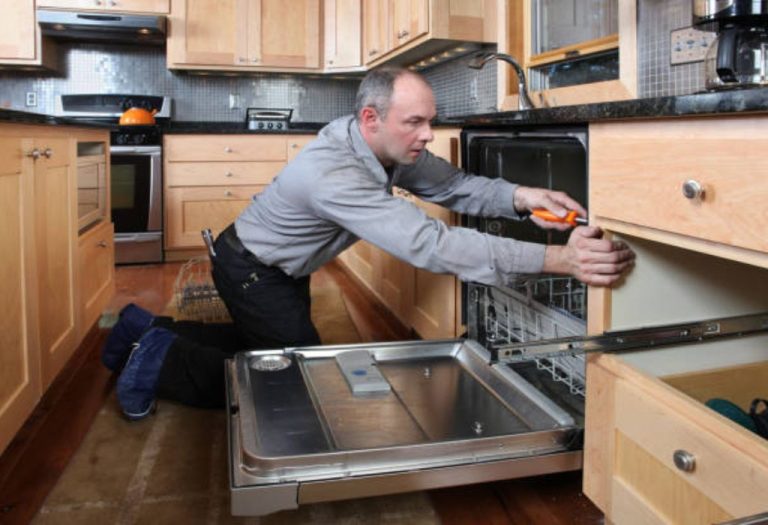
Do not attempt to repair self locking mechanisms independently. Forcing the door can break the lock and compromise safety. If the door does not unlock after cooling contact a technician.
Understanding these mistakes helps protect the oven from avoidable damage. Preventing misuse maintains performance and ensures long lasting operation. Careful handling supports reliable self cleaning results.
How to Clean Oven Racks and Components Separately
Oven racks need to be cleaned outside the self cleaning cycle because high heat can damage their coating. Removing them before cleaning protects their finish and ensures smooth sliding. Proper care keeps racks functional for many years.
Soak racks in warm soapy water to loosen baked on residue. Placing them in a bathtub lined with towels prevents scratching. Allowing them to soak for several hours makes scrubbing easier.
Use a non abrasive sponge to remove softened residue from the racks. Avoid steel wool because it can scratch the metal and remove protective layers. Rinsing thoroughly prevents soap buildup.
For stubborn stains baking soda paste can be applied to the surface. The mild abrasive action helps lift residue without damaging the rack. Let the paste sit before wiping clean.
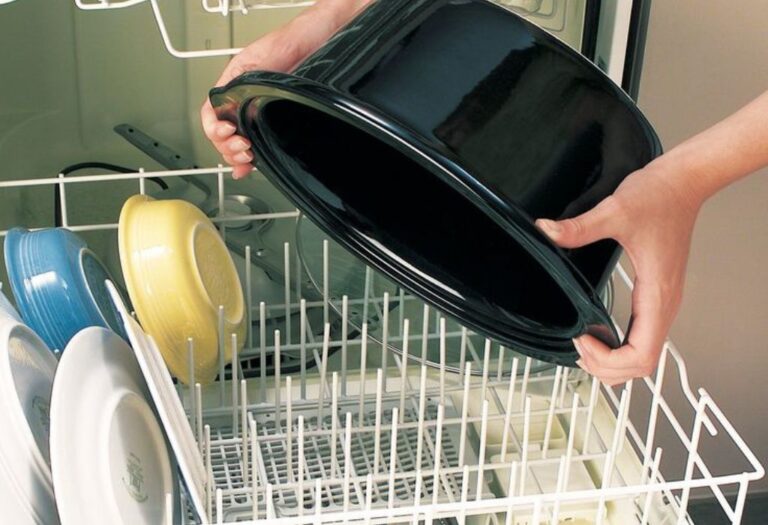
Do not place racks in a dishwasher unless the manufacturer confirms compatibility. High heat and strong detergents may cause discoloration. Hand washing remains the safest method for long term preservation.
Wipe door glass gently using vinegar and water mixture. Abrasive cleaners can scratch the transparent surface permanently. A microfiber cloth removes haze without leaving streaks.
Cleaning removable components supports better efficiency during daily cooking. Maintaining these parts separately keeps the oven operating smoothly. Proper care extends the lifespan of internal hardware.
Avoiding Damage to Oven Coatings and Interior Surfaces
The interior coating of a self cleaning oven is sensitive to harsh tools and chemicals. Scratches can weaken the surface and reduce future cleaning effectiveness. Protecting the coating preserves long term durability.
Avoid spraying cleaners directly inside the oven cavity. Chemical residue may react during the next self cleaning cycle. This can release unpleasant fumes into the kitchen environment.
Use only a damp cloth to wipe the interior after the cycle. Heavy scrubbing is not required because ash removes easily. Gentle cleaning maintains the smooth ceramic finish.
Do not place foil on the bottom of the oven to catch drips. Foil can melt and fuse to the surface under high heat. This causes permanent damage and affects temperature distribution.
Avoid using heavy cookware that may chip or scratch the interior. Sliding pans forcefully can scrape protective layers. Lifting cookware instead of dragging reduces wear.
Check the door gasket regularly for signs of cracking or tearing. A damaged seal allows heat to escape and reduces cleaning efficiency. Replacing the gasket helps maintain consistent performance.
Preventing damage requires careful handling and awareness of sensitive surfaces. Small precautions protect the oven from long term deterioration. Maintaining the coating ensures effective self cleaning results in every cycle.
How Often Should You Run the Self Cleaning Cycle
The frequency of self cleaning depends on cooking habits and residue buildup. Households that bake frequently may need to clean more often than occasional users. Observing the interior helps determine the right schedule.
Most manufacturers recommend running the cycle two to four times per year. This prevents excessive soot accumulation without stressing components. Consistent maintenance keeps the oven operating efficiently.
Running the cycle too frequently can shorten the lifespan of sensors and wiring. High temperatures place extra strain on internal parts. Limiting use preserves appliance durability.
Spot cleaning spills immediately reduces the need for full cleaning cycles. Wiping fresh messes prevents smoke and odor during future baking. Simple habits improve hygiene and performance.
Seasonal cleaning can help prepare the oven for heavy cooking periods. Many users run a cycle before holidays or large gatherings. This ensures the oven is ready for extended use.
If the oven develops a burnt smell during regular cooking it may indicate buildup. Checking the interior and wiping visible debris can delay a full cycle. Monitoring conditions avoids unnecessary cleaning.
Choosing the correct timing balances convenience and safety. Using the self cleaning feature responsibly ensures long lasting results. Proper scheduling supports both performance and energy efficiency.
Signs Your Self Cleaning Oven Needs Maintenance
A strong smoky smell during everyday cooking may indicate residue buildup. Food drips can burn repeatedly each time the oven heats. This creates unpleasant odors that signal cleaning is required.
Visible dark spots or heavy staining on the interior surface show accumulated grease. These areas become harder to remove over time. Addressing buildup early prevents stubborn residue from forming.
If the oven takes longer to preheat it may be working harder due to residue. Dirty surfaces reduce heat reflection and efficiency. Cleaning helps restore normal heating performance.
A damaged door gasket can cause heat to escape during cooking or cleaning. Cracks or gaps weaken the seal and affect temperature control. Replacing the gasket supports effective operation.
Unusual sounds during the cleaning cycle may indicate mechanical stress. Loud popping noises can happen when residue burns excessively. Monitoring the oven helps identify problems early.
If the oven fails to lock before cleaning do not start the cycle. The locking mechanism ensures safety during extreme temperature. Contacting a technician prevents risky operation.
Recognizing warning signs helps schedule maintenance before issues worsen. Early care reduces repair costs and prevents performance decline. Staying aware keeps the appliance functioning reliably.
Tips to Extend the Lifespan of a Self Cleaning Oven
Wipe spills as soon as the oven cools to prevent hard residue. Fresh stains are easier to remove than baked on grease. This reduces stress during future cleaning cycles.
Use cookware that prevents overflow during baking. Covered dishes and deep pans minimize dripping. Preventing spills supports a cleaner and safer interior environment.
Avoid slamming the oven door to protect hinges and seals. Gentle closing helps maintain proper alignment for locking mechanisms. A secure door improves temperature control during cooking.
Check the ventilation around the oven to allow proper airflow. Blocked vents may cause overheating during the self cleaning process. Good ventilation supports safe operation.
Schedule occasional professional inspection for older appliances. Technicians can identify worn components before they fail. Preventive service adds years to the oven lifespan.
Store racks safely when removed for cleaning. Avoid bending or applying pressure that may warp metal. Keeping them in good condition ensures smooth sliding when reinstalled.
Following simple maintenance habits protects the oven from unnecessary strain. Consistent care results in better performance and reliability. A well maintained appliance remains efficient for many years.
Clear Answers to Common Self Cleaning Oven Concerns
Why does my self cleaning oven smell when in use
Odors are common because residue burns during high heat and proper ventilation helps reduce the smell naturally.
Can I leave the racks inside during self cleaning
No keeping racks inside can damage their coating and make them difficult to slide after the cycle ends.
Is it safe to stay in the house during self cleaning
Yes but pets and sensitive individuals should stay away from the kitchen and improve airflow with open windows.
How long does a self cleaning cycle usually take
Most cycles last between two and four hours depending on the model and the soil level inside the oven.
Can I use commercial oven cleaner in a self cleaning oven
No chemical cleaners can damage the interior coating since it is designed to clean without added products.
Why did my oven door lock and not unlock after cooling
The locking mechanism may be malfunctioning and should be checked by a technician if it stays locked after cooling.
How often should I run the self cleaning feature
Most households only need to run the cycle two to four times per year depending on usage and spills.
Why do the control panel buttons get hot during cleaning
High temperatures travel through the oven frame and warming nearby surfaces is normal during the process.
Can a self cleaning cycle damage the heating elements
Frequent high heat may stress internal parts so avoiding unnecessary cleaning helps protect components.
What should I do if smoke comes out during the cycle
Turn on ventilation and allow the cycle to complete unless flames appear which requires turning off power immediately.
Conclusion
Maintaining a self cleaning oven properly ensures safe operation and long lasting performance in any home kitchen.
Although the feature reduces the need for manual scrubbing it still requires careful handling and regular attention. Simple habits like wiping spills and removing racks protect the interior coating and prevent odor during cleaning.
Using the self cleaning cycle responsibly prevents stress on internal components and reduces the chance of malfunction.
Following safety precautions such as ventilation and gasket inspection keeps the process smooth and secure. Knowing when to avoid chemicals and abrasive tools helps maintain the oven in its best condition.
With the right maintenance routine a self cleaning oven remains efficient and reliable for many years. Homeowners save time while keeping their appliance clean without unnecessary effort.
By understanding proper care and avoiding common mistakes the self cleaning feature continues to work effectively whenever needed.

I’m Emma J. Caldwell, the founder, lead writer, and home-cooking enthusiast behind KitchenGuideCo.com. With a background in culinary arts and over a decade of cooking experience in both professional and personal kitchens, I created this platform to demystify recipes, offer smart kitchen gadget reviews, and guide readers through meal prep with confidence and clarity.