People often search for homemade dishwasher soap when they run out of store bought detergent or want a more natural cleaning option. The idea of making dishwasher soap at home sounds simple, yet choosing the right ingredients is important for both safety and cleaning performance.
Dishwashers need cleaners that work differently from hand soaps. They must remove grease without creating large amounts of foam.
Homemade options can be effective when used correctly, but the wrong mixture may leave residue or make the dishwasher overflow with bubbles. This confusion leads many to wonder which ingredients are safe.
Most homes already have basic cleaning agents like baking soda, washing soda or vinegar. These simple products can create a safe alternative to commercial detergent.
Understanding how each ingredient behaves inside the dishwasher helps avoid mistakes. Some options improve shine while others remove food residue.
With the right recipe, homemade dishwasher soap can be affordable, natural and reliable for daily use.
What You Should Know Before Making Homemade Dishwasher Soap
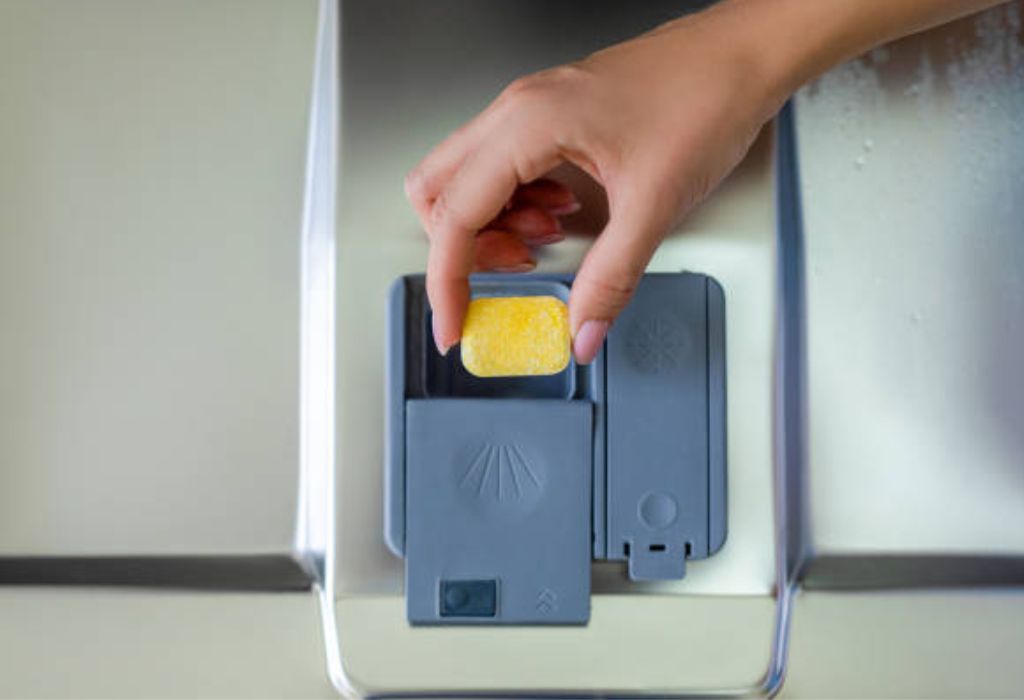
Dishwashers require low sudsing cleaners because bubbles interfere with spray power. High sudsing ingredients reduce the effectiveness of the wash cycle.
Hard water affects cleaning performance and may cause cloudy film on dishes. Adjusting ingredients helps improve clarity.
Natural cleaners like baking soda and washing soda offer gentle but effective cleaning. They break down grease without forming foam.
Citric acid removes mineral buildup and prevents spots on glassware. It is one of the most helpful ingredients for homemade dishwasher soap.
Salt softens water and improves rinsing.
Can I use normal dish soap in the dishwasher
No, it creates too many bubbles and can overflow.
Does water type change results
Hard water requires extra ingredients for clarity.
Are natural ingredients safe
Yes, when used in proper amounts.
Is citric acid helpful
It improves shine and reduces spots.
Does dishwasher soap need to be low sudsing
Yes, foam reduces cleaning power.
Simple Homemade Dishwasher Soap Powder
A basic powder uses washing soda as the primary cleaner. Washing soda cuts through grease and dried food.
Baking soda adds mild scrubbing action and reduces odors. It helps maintain a clean dishwasher interior.
Citric acid fights hard water stains and prevents cloudy film. It boosts cleaning power without chemicals.
Salt improves water softening and enhances rinse quality. It works well for glass and silverware.
Mixing these ingredients creates a balanced and effective cleaning formula.
How To Mix Homemade Powder Dishwasher Soap
Combine washing soda, baking soda, citric acid and salt in an airtight container. Keeping the mixture dry prevents clumps.
Shake the container thoroughly to ensure even distribution. Uneven mixture affects cleaning consistency.
Store the container in a cool, dry area. Moisture reduces cleaning performance.
Use one tablespoon per dishwasher load. This amount cleans most dishes effectively.
Adjust the recipe based on water hardness.
Does the powder clump easily
Moisture causes clumping quickly.
How much should I use per load
One tablespoon works for most dishwashers.
Do I need to remix often
Shaking ensures ingredients stay even.
Where should it be stored
Store it in a dry, sealed container.
Can I adjust the formula
More citric acid helps in hard water areas.
Homemade Liquid Dishwasher Soap Option
Some people prefer liquid soap because it is easier to measure. Liquid recipes need careful ingredient control to avoid foaming.
A gentle combination of water, vinegar and a tiny amount of castile soap works for lightly soiled dishes. Vinegar adds shine and helps reduce mineral buildup.
Castile soap must be used sparingly because too much causes bubbles. Foam reduces washer efficiency and may spill out.
Shake the bottle before use because ingredients settle. Natural liquid mixtures separate over time.
Liquid formulas are best for rinsed dishes or daily cleaning loads.
How Vinegar Helps Enhance Homemade Dishwasher Soap
Vinegar reduces mineral deposits and prevents cloudy spots on glasses. This makes it a natural rinse booster.
However, vinegar should not be poured directly into the detergent dispenser. Strong acid may weaken rubber seals over time.
The safest place to use vinegar is in the rinse aid compartment. It releases during the final rinse and protects the dishwasher.
A small bowl filled with vinegar on the top rack also works for deep cleaning cycles. Steam spreads the vinegar evenly.
Used correctly, vinegar improves cleaning without harming components.
Can vinegar be used with detergent
Not inside the detergent cup because seals may weaken.
Does vinegar help hard water
Yes, it removes mineral spotting.
Can vinegar replace detergent
No, vinegar aids rinsing but does not clean fully.
Where should vinegar be placed
Best used in the rinse aid section.
Does vinegar improve glass clarity
It reduces cloudiness effectively.
How To Use Homemade Dishwasher Soap Properly
Place one tablespoon of the powder mixture in the detergent compartment. This amount dissolves well inside the machine.
For heavier loads, slightly increase the amount. Extra powder boosts cleaning strength.
Fill the rinse aid dispenser with vinegar to improve drying. Vinegar helps water slide off dishes.
Run the dishwasher on hot cycles for best performance. Heat activates natural ingredients effectively.
Avoid adding extra soaps because foam reduces cleaning efficiency.
Common Problems With Homemade Dishwasher Soap
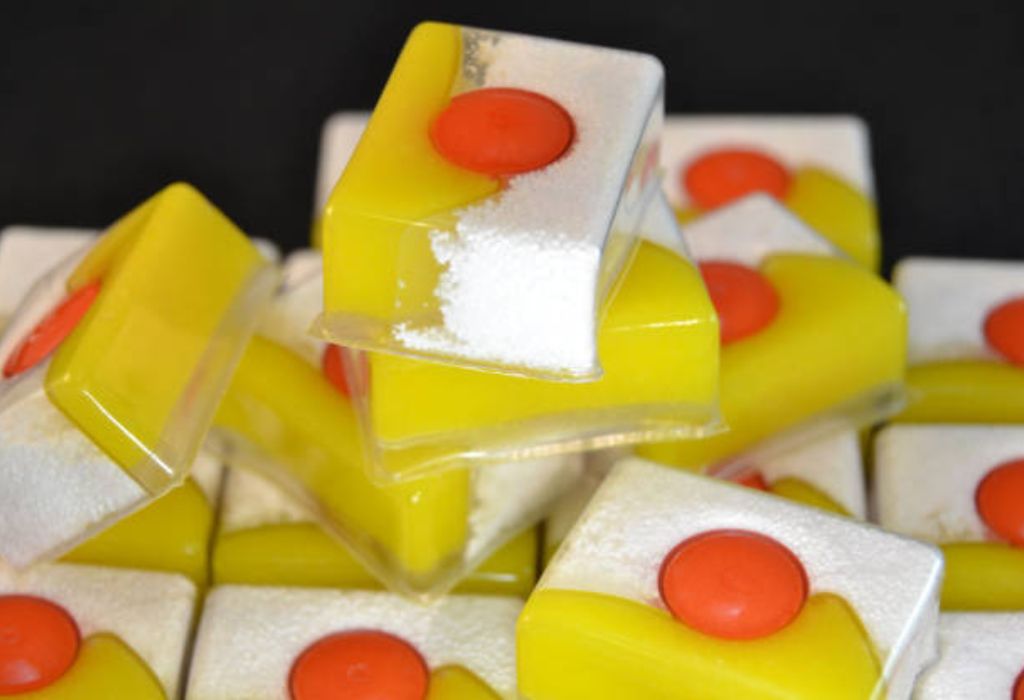
Homemade formulas may leave residue if ingredients are unbalanced. Too much baking soda can cause film on glasses.
Citric acid reduces this problem by breaking down minerals. Adjusting small amounts improves results.
Foaming issues occur when liquid soaps are added in excess. Foam traps food residue and lowers cleaning power.
Powder mixtures may clump inside the detergent drawer. Humidity and moisture cause clumping.
Testing and adjusting the recipe leads to consistent performance.
Can homemade mixtures cause residue
Yes, incorrect ratios create cloudy buildup.
Does hard water make cloudy dishes worse
Hard water requires more citric acid.
Can foam damage the dishwasher
Foam reduces power and may cause overflow.
Does clumping affect cleaning
Clumps dissolve unevenly.
Is experimenting necessary
Small adjustments improve final results.
Tips For Better Cleaning With Homemade Soap
Rinse large food particles off dishes before loading. Heavy residue increases film and spotting.
Keep the rinse aid compartment full for better drying. Homemade soap needs strong rinsing support.
Run hot water in the sink before starting the dishwasher. Preheated water improves detergent performance.
Clean spray arms monthly to maintain proper pressure. Good water flow ensures thorough cleaning.
Avoid overloading the dishwasher to keep spray coverage strong.
When Homemade Dishwasher Soap Works Well
Homemade dishwasher soap works best in homes with soft or moderately hard water. Softer water helps ingredients dissolve.
It performs well for everyday dishes that are not heavily greasy. Basic food residue washes off easily.
Natural soap options benefit families wanting chemical free solutions. Ingredients are safe and environmentally friendly.
Homes using eco cycles may need extra citric acid. Lower heat cycles require more cleaning support.
Homemade soap is affordable and easy to prepare regularly.
Conclusion
Homemade dishwasher soap can be a safe and effective cleaning option when made with the right ingredients and used correctly. Washing soda, baking soda, citric acid and salt create a powerful low sudsing formula that cleans without harming the dishwasher.
Vinegar improves rinsing and reduces mineral buildup when placed in the rinse aid compartment. Adjusting the recipe based on water hardness ensures the best results.
Homemade dishwasher soap works well for daily cleaning and offers a natural alternative to commercial detergents. With proper storage and regular dishwasher maintenance, it delivers clear, clean and odor free dishes.
Using simple ingredients helps create a cost effective, eco friendly and reliable cleaning solution for your home.

I’m Emma J. Caldwell, the founder, lead writer, and home-cooking enthusiast behind KitchenGuideCo.com. With a background in culinary arts and over a decade of cooking experience in both professional and personal kitchens, I created this platform to demystify recipes, offer smart kitchen gadget reviews, and guide readers through meal prep with confidence and clarity.