Making juice at home should be fun, but sometimes the results aren’t quite right. A common challenge for many beginners is getting the consistency just the way they like it. Whether it’s too watery or not thick enough, finding that perfect texture can feel tricky at first. Don’t worry! This is a problem many juice makers face, and there are easy solutions. We’ll explore simple, step-by-step methods to show you how to make juice thicker, so you can achieve your desired thickness with every blend. Let’s get started and turn your juice into a delicious, satisfying treat!
Choosing the Right Fruits and Vegetables
The first step in controlling juice thickness is selecting ingredients with the right properties. Some fruits and vegetables naturally contain more pectin and fiber, which act as thickening agents. These ingredients give your juice a more satisfying texture without the need for any added thickeners. The choice of ingredients is a fundamental aspect of the juice-making process. Certain components will simply yield a thicker, more desirable result compared to others. Proper ingredient selection will streamline your process. This is the foundation for creating your ideal juice consistency.
High-Pectin Fruits
Pectin, a type of soluble fiber, is a natural thickening agent found in many fruits. When pectin interacts with water, it creates a gel-like consistency, making your juice thicker. Apples are an excellent source of pectin, especially the peel. Berries, such as raspberries, blueberries, and cranberries, also contain significant amounts of pectin. Adding these fruits to your juice will naturally increase its thickness. Consider this option first. Different varieties of apples have varying pectin levels; Granny Smith apples, for example, are known for being rich in pectin. Experiment with different fruits to discover the flavor profiles and textures you enjoy most.
- Apples: A high-pectin choice, providing both thickness and a subtle sweetness.
- Berries: Raspberries, blueberries, and cranberries all offer pectin and delicious flavors.
- Quince: Though less common, quince is packed with pectin and adds a unique tang.
Adding these fruits will contribute to a naturally thicker juice. For example, if you want to create a slightly thicker apple juice, you could use a combination of different apples. This provides a balance of sweetness and pectin to the final product. A berry and apple juice mixture can also lead to great outcomes.
Fiber-Rich Vegetables
Vegetables also play a role in juice thickness, particularly those high in fiber. Fiber adds bulk and substance, which directly affects the juice’s texture. Vegetables with a denser structure tend to contribute more to thickness. In some cases, fiber-rich vegetables might even be used as a base. Carrots, celery, and beets are great additions. These ingredients will not only impact the consistency of your juice but also enhance its nutritional profile. Explore different combinations. Adjusting the ratio of your vegetables will help you manage the thickness of your juice. Experiment to find your favorite blend.
- Carrots: A common choice, offering natural sweetness and a good fiber content.
- Celery: Adds a unique flavor and contributes to the juice’s texture.
- Beets: High in fiber and adds a vibrant color and earthy flavor.
When creating a juice recipe, it’s essential to keep these attributes in mind. It’s common to see a juice recipe including ingredients from both the fruits and vegetables categories. This will give you the best chance of controlling the thickness of your final product. Using a combination of fruits and vegetables offers a balanced flavor and texture. For instance, a juice containing carrots, apples, and celery creates a perfect balance of sweetness, acidity, and fiber. This combination gives a noticeable effect on the juice’s consistency.
Blender vs. Juicer: How They Affect Thickness
The equipment you use has a significant impact on your juice’s thickness. Blenders and juicers work differently, and each method has its advantages and disadvantages regarding texture. Understanding the distinction between these appliances allows you to make informed decisions about your juice-making process. The method you choose directly influences the final result. Understanding their unique operations will allow you to make the right choice to achieve your desired consistency.
Using a Blender
Blenders are ideal if you prefer thicker juices, as they process the entire fruit or vegetable. Unlike juicers, blenders don’t separate the pulp from the juice. This means that the fiber and pulp remain intact, which directly increases the thickness of the final product. Blenders give you more control over the overall thickness. The final result will depend on the blender’s speed and the amount of water added. Adding more water makes the juice thinner. Less water produces a thicker consistency. The blending process can also integrate more air into the mixture, influencing its texture.
- Preserves Fiber: Retains all the fiber, resulting in a naturally thicker juice.
- Versatile: Allows for blending of entire fruits and vegetables, including peels and seeds (where safe).
- Easier Cleanup: Typically requires less disassembly than a juicer.
Blenders can effectively create a thicker, more pulpy juice. For instance, if you want a thicker smoothie, a blender is the best choice. In a scenario where you’re making a green smoothie and want to maintain the fiber content for a more filling drink, a blender is the way to go. The retained pulp is great for fiber intake. This results in a heartier, more filling drink. The final result is a drink that feels more substantial.
Using a Juicer
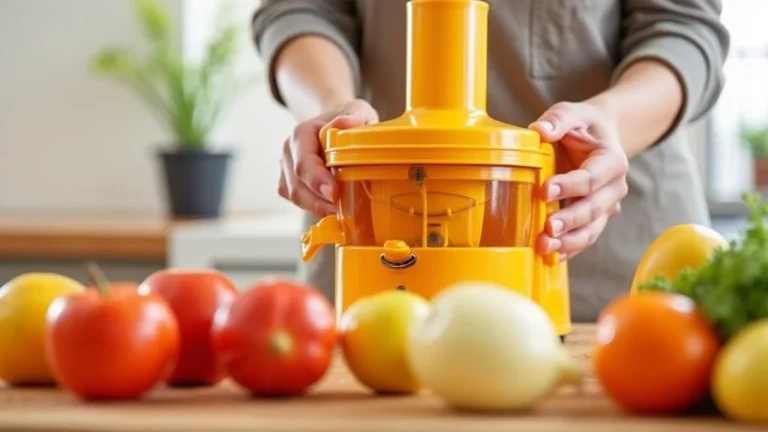
Juicers, conversely, separate the juice from the pulp. The pulp, which contains most of the fiber, is discarded. This results in a smoother, thinner juice. The type of juicer you have also matters. For example, a slow juicer extracts more juice. It also retains more of the fiber compared to a centrifugal juicer. Juicers produce a thinner consistency. Juicers are better if you prefer a smoother texture. The machine you choose significantly affects the final texture. Knowing the operational differences will make your juicing goals easier to achieve.
- Removes Fiber: Separates the pulp, leading to a thinner juice.
- Efficient Juice Extraction: Yields a larger volume of juice from fruits and vegetables.
- Smooth Texture: Ideal for those who prefer a less fibrous texture.
Juicers are more convenient if you want a clear juice with a lighter feel. Imagine someone wanting a carrot juice. They prefer it to be easy to drink. In this case, a juicer is ideal because it removes the pulp. A person seeking a less fibrous juice for digestive reasons may also use a juicer. This results in a smoother, more easily digested juice. The result is a juice that is lighter and easier to consume.
Adding Thickening Agents
If your juice is still too thin, even after adjusting your ingredients and using the right equipment, you can always add thickening agents. These are ingredients that enhance the juice’s texture. Several natural and readily available options can help you achieve your desired consistency. This approach gives you greater flexibility. Consider this a great way to fine-tune your juice to the perfect texture. Many methods are quick and easy. Many of the ingredients are easy to find.
Using Chia Seeds and Flax Seeds
Chia seeds and flax seeds are excellent thickening agents, and they are packed with nutrients. Both seeds absorb water and expand, creating a gel-like consistency. They’re also an excellent source of omega-3 fatty acids and fiber. This will boost the nutritional value of your juice. The properties of chia and flax seeds make them ideal for thickening juice. Their ability to absorb water results in a substantial increase in juice thickness. They are easy to use. The result is a richer, more satisfying texture that enhances your juice experience.
- Chia Seeds: Known for their rapid water absorption and ability to form a gel.
- Flax Seeds: Also absorbs water, contributing to thickness and adding a nutty flavor.
- Nutritional Benefits: Both seeds are rich in omega-3 fatty acids and fiber.
To use chia seeds, simply add a teaspoon or two of chia seeds to your juice. Allow the mixture to sit for a few minutes. You’ll notice the seeds start to expand. If you’re using flax seeds, it’s better to grind them first to aid in absorption. This ensures the seeds blend well. The chia seeds will create a substantial change to the juice texture. This simple step makes a huge difference. This process enhances both the texture and nutritional value.
Adding Nuts and Seeds
Nuts and seeds, when blended, can also add thickness to your juice while enhancing flavor and nutritional value. Nuts, such as almonds, cashews, and walnuts, contain oils and fiber that contribute to a richer texture. Adding these to your juice introduces different flavor notes. These will add complexity to the taste. Seeds can also be added. These include pumpkin seeds and sunflower seeds. Both can give a boost of thickness. Nuts and seeds add a variety of health benefits. These include healthy fats, proteins, and minerals.
- Almonds: Provide a creamy texture and subtle flavor.
- Cashews: Known for their creamy texture and neutral flavor.
- Walnuts: Add a slightly bitter flavor and contribute to thickness.
The results will be a more satisfying juice. For instance, blending a small handful of cashews into your juice can give a smooth, creamy texture. To incorporate them into your juice, soak the nuts for a few hours. This makes them easier to blend. Blend them until smooth. The result is a richer, creamier texture and a boost of nutrients. You will achieve a juice that is both delicious and satisfying.
Techniques to Enhance Thickness
Beyond ingredients and thickening agents, certain techniques can help you achieve the desired consistency. Proper preparation and blending methods play a key role. These will make a noticeable difference in the texture. This will make your juice exactly how you want it. This step allows you to fine-tune the juice to your personal preferences.
Proper Blending Techniques
The blending technique you use significantly influences the juice’s thickness. It’s not just about turning on the blender. The order in which you add ingredients, the blending speed, and the overall duration all play key roles. To maximize thickness, you can control these elements. Blending techniques have a significant impact on your juice’s consistency. This includes the blending speed, the order of ingredients, and the overall duration. These techniques will get the desired results.
- Order of Ingredients: Add liquid ingredients first to help the blending process.
- Blending Speed: Start slowly and increase speed gradually to break down ingredients evenly.
- Blending Time: Blend for short bursts to prevent overheating.
Begin by adding your liquid ingredients, such as water or juice, to the blender. Then, add the solids, such as fruits and vegetables. This prevents the blender from working too hard. When blending, start at a low speed. Increase the speed gradually. This helps to break down the ingredients evenly. Blend in short bursts. Over-blending can lead to a less desirable texture. By following these steps, you can create a perfect consistency. A properly blended juice results in a desirable texture.
Chilling Your Juice
Chilling your juice can also affect its thickness. Cooling it down can help to naturally thicken some ingredients. Juice that has been chilled can have a different texture. This is especially true if you are using ingredients that have thickening properties. This simple step can help you control the texture. Juice that has been chilled will have a more satisfying texture.
- Refrigeration: Place your juice in the refrigerator for at least 30 minutes to an hour.
- Impact on Fiber: Chilling can enhance the texture of juice.
Refrigerating your juice for a minimum of 30 minutes enhances its texture. You will find that the chilling process helps to improve the consistency. Ingredients like chia seeds and flax seeds will also thicken during this time. The results will create a more satisfying drink. The drink will be refreshing. You will have a great taste experience. This gives the ingredients time to interact. The flavors will get enhanced.
Real-Life Examples and Scenarios
Let’s look at a few practical examples and scenarios to show how these methods work in real life. These case studies will let you see the different methods in action. This helps illustrate how to make juice thicker. You can see how specific techniques are applied to produce the desired textures.
- Scenario 1: You want a thick berry smoothie. Use a blender and combine frozen berries with a banana, a tablespoon of chia seeds, and a splash of almond milk. The blender will break down the berries. The banana adds natural sweetness and thickness. The chia seeds will add to the overall texture. The result is a satisfying, thick smoothie.
- Scenario 2: You prefer a carrot juice, but it’s too thin. First, juice the carrots. Then add a pinch of xanthan gum and pulse for a short time to combine. Xanthan gum adds thickness to the juice. This produces a much thicker texture.
- Scenario 3: You make an apple juice, but you find it too thin. Use a blender and blend the whole apples. The blender will break down the entire apple. The pulp from the apple will be added to the final juice. The result will give you a thicker, more textured juice.
How to Make Juice Thicker: Step-by-Step Guide
To summarize, how to make juice thicker involves the right ingredients and preparation. Here’s a step-by-step guide to help you get the ideal consistency for your juice. This will get you started with ease. This guide helps organize the main points. You will be able to put these tips into practice right away.
- Choose Your Ingredients: Start with high-pectin fruits like apples and berries, and fiber-rich vegetables like carrots. These fruits will help the thickening process.
- Select Your Equipment: For thicker juice, use a blender. If you have a juicer, remember that it separates the pulp.
- Add Thickening Agents: Chia seeds and flax seeds are great choices, as are nuts.
- Use Proper Techniques: If blending, add liquids first and blend gradually. If you are using chia seeds, let the juice sit for 5 minutes.
- Chill Your Juice: Refrigerate the juice for at least 30 minutes. The chilling process will enhance the texture.
These simple steps will improve the thickness. You can quickly see the results and make any needed adjustments. This process makes it easier for everyone. This will guide you to a perfect, satisfying juice every time.
Common Mistakes to Avoid
When trying to thicken your juice, there are some common mistakes you should be aware of. Avoiding these mistakes will save you time. This will give you the best possible results. These mistakes can reduce the thickness of your juice. Recognizing these errors helps you to make more satisfying juices.
- Adding Too Much Water: Overdiluting your juice with water can make it too thin. Use water sparingly.
- Over-Blending: Blending for too long can sometimes result in a less desirable texture.
- Using Too Many Thinning Ingredients: Be careful not to use too many ingredients that can thin the juice, such as watery fruits like watermelon.
By keeping these mistakes in mind, you will create a better experience. Avoiding these mistakes will give you the best chance of success. This will increase your chances of getting the ideal texture.
Frequently Asked Questions
Question: Can I use cornstarch to thicken juice?
Answer: Yes, cornstarch can be used to thicken juice, but it’s important to use it sparingly. Add a small amount, mixed with cold water to form a slurry, and then add it to your juice while stirring constantly. Overusing cornstarch can make your juice gummy.
Question: How do I know if I’ve added enough chia seeds?
Answer: Allow your juice to sit for about 5-10 minutes after adding chia seeds. During this time, the seeds will absorb the liquid and expand. The juice will begin to thicken. The longer it sits, the thicker it gets, so start with a small amount and adjust as needed.
Question: Will adding ice make my juice thicker?
Answer: Adding ice to your juice will not make it thicker; however, it can change the perception of thickness slightly. Ice primarily affects the temperature of the juice. While it may give the impression of a thicker consistency, it doesn’t actually alter the juice’s texture.
Question: Can I freeze juice to make it thicker?
Answer: Yes, freezing juice can alter its texture. When juice freezes, ice crystals form, which can make the texture a bit different upon thawing. Some people freeze juice into popsicles. Freezing can also change the flavor, so it’s essential to be aware of how the freezing process can affect the juice quality.
Question: How do I measure xanthan gum for thickening juice?
Answer: Xanthan gum is very potent. Begin by adding a tiny pinch to your juice. Then, blend until fully integrated. A small amount goes a long way. Blend for a few seconds. Allow it to sit for a minute to determine the thickness. Adjust as needed. Start with a smaller amount. More is not better.
Final Thoughts
In short, creating the perfect juice texture is not difficult. By paying attention to your ingredients, blending techniques, and the use of thickening agents, you can achieve your desired consistency. You can get the exact thickness you want by using the right combination of fruits and vegetables. Experiment with different fruits, veggies, and thickeners like chia seeds and nuts. You can also adjust by using a blender or juicer. Remember to avoid common mistakes, such as over-diluting or over-blending. Now, explore and discover what works best for you. With a little practice, you’ll be making delicious, perfectly textured juices that you’ll love. So, start experimenting today!

I’m Emma J. Caldwell, the founder, lead writer, and home-cooking enthusiast behind KitchenGuideCo.com. With a background in culinary arts and over a decade of cooking experience in both professional and personal kitchens, I created this platform to demystify recipes, offer smart kitchen gadget reviews, and guide readers through meal prep with confidence and clarity.