Cooking pasta might seem tricky, especially if you’re new to the kitchen. You usually have to watch a pot of boiling water and make sure the pasta doesn’t stick. This can be a bit challenging, and many people wonder how to make pasta in rice cooker. The good news is, it’s easier than you think! We’re going to explore a simple, step-by-step guide that takes the stress out of pasta making. Get ready to enjoy delicious pasta with minimal effort.
Pasta Basics: Getting Started
Before exploring how to make pasta in rice cooker, it helps to know a little about pasta itself. Pasta comes in many shapes and sizes, from spaghetti to penne to farfalle. They all start with a simple mix of flour and water. The type of flour and the shape of the pasta can affect how long it takes to cook. Understanding the basics helps you get the best results. Knowing these details is key to achieving perfectly cooked pasta every time.
Choosing Your Pasta and Water
Choosing the right pasta and knowing how much water to use are the first steps. The type of pasta you pick changes how long it takes to cook. For example, thin pasta like angel hair cooks faster than thicker pasta like rigatoni. Also, the amount of water is key. Too little water, and the pasta will stick together and cook unevenly. A general rule of thumb is to use enough water to completely cover the pasta and allow it to move around freely. Make sure you use the right amount of water based on the type of pasta you’re making.
-
- Pasta Types: Different pasta shapes cook at different rates. Spaghetti, angel hair, and fettuccine cook faster. Penne, rigatoni, and shells take longer. Keep in mind the pasta type when cooking.
Different pasta shapes vary greatly in cooking time. This affects the overall time required to cook it in a rice cooker. For example, long, thin pasta cooks faster than thick, tubular pasta. Select the pasta that fits your flavor profile and desired dish.
-
- Water Ratio: Use enough water to completely cover the pasta. The general rule is about 2-3 cups of water for every cup of dry pasta. This amount keeps the pasta from sticking.
The water ratio depends on your rice cooker capacity and the amount of pasta you plan to cook. However, the water should cover the pasta completely to facilitate proper cooking. Otherwise, the pasta may become unevenly cooked or stick to the rice cooker.
-
- Salt: Adding salt to the water is important. It seasons the pasta from the inside out and enhances the flavor. A teaspoon of salt per two cups of water is usually sufficient.
Salting the water is a fundamental step in pasta preparation, even when using a rice cooker. It infuses the pasta with flavor while it cooks, improving the taste of your final dish. It also prevents the pasta from sticking.
-
- Oil: Some people add a little oil to the water to prevent the pasta from sticking. However, in a rice cooker, it’s often not needed. Oil can sometimes make the pasta too slippery.
Oil can sometimes cause pasta to slip around in the cooker, which may not always give the best results. Many people find the step unnecessary when cooking pasta this way. The primary benefit of adding oil would be preventing sticking, which might not be a major concern when using a rice cooker. Thus, oil use is optional.
Rice Cooker Preparation
Before you start cooking, you need to prepare your rice cooker. This means making sure it’s clean and in good working order. Also, it’s a good idea to know how your specific rice cooker works. Some rice cookers have special settings or buttons, while others are very simple. Understanding your cooker helps you make the best pasta. It will also help to avoid any unexpected issues during the cooking process.
-
- Clean the Rice Cooker: Make sure the rice cooker pot is clean and dry. Any lingering residue from previous meals can affect the taste of your pasta. Clean it very thoroughly, especially the inner pot.
Clean your rice cooker thoroughly to prevent food particles and oils from previous cooking affecting the pasta taste. Make sure there is no residue from previous meals. Thorough cleaning also helps prevent the development of off-flavors.
-
- Check the Settings: Many rice cookers have different settings. Choose the setting that’s closest to “cook” or “normal.” Avoid using the “warm” setting, as it won’t cook the pasta properly. If you are unsure, consult your cooker’s manual.
Most rice cookers come with a “cook” and “warm” setting. Ensure you are using the correct setting, as the warm setting is for keeping food warm, not for cooking. Use the “cook” setting for preparing your pasta.
-
- Measure the Water: Accurately measure the water. Too much water can make the pasta mushy. Too little, and it may not cook through. The amount depends on the pasta type and how much pasta you’re cooking.
Using the right amount of water is key to pasta. Too much, and the pasta may become overcooked and mushy. If there is too little water, the pasta may not cook through. Carefully follow the water ratio guidelines for the pasta type and amount.
-
- Safety First: Make sure the rice cooker is on a stable surface, away from anything flammable. Avoid touching the steam vent during cooking, as it can get very hot.
When cooking with a rice cooker, safety is very important. Always place it on a stable surface away from flammable materials. Don’t touch the steam vent as it can cause burns. Keep kids and pets at a safe distance.
How To Make Pasta in Rice Cooker: Step-by-Step
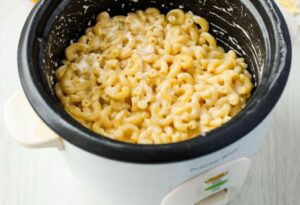
Now, let’s get into the main part: how to make pasta in rice cooker. Follow these simple steps. This method is designed to be easy, so you can enjoy delicious pasta with minimal effort. Remember to keep an eye on the pasta as it cooks, but it requires less active supervision than stovetop cooking.
Adding Water and Pasta
Begin by adding the right amount of water and pasta to the rice cooker. The ratio depends on the pasta you choose. This step helps ensure the pasta is cooked evenly and doesn’t stick together. It is an essential step for preparing great pasta in a rice cooker. It sets the stage for success. Make sure the water level is sufficient for your pasta to cook properly.
-
- Pour in the Water: Measure the water. Pour the water into the rice cooker pot. Use the ratio mentioned previously, which depends on the pasta you’re using.
Accurate measurement is critical for perfect pasta. Too much water makes the pasta mushy, and too little means it may not cook through properly. Use a measuring cup to ensure precision, using the ratio depending on your pasta type and amount.
-
- Add the Pasta: Add the pasta directly to the water. Do not break long pasta like spaghetti or fettuccine, unless it won’t fit. Make sure the pasta is submerged in the water.
Adding the pasta directly to the water ensures that it absorbs the water evenly during cooking. Make sure to fully submerge the pasta into the water. If the pasta is long, you can gently push it down as it softens.
-
- Add Salt (Optional): Sprinkle salt into the water. This step helps to season the pasta. Add about a teaspoon of salt for every two cups of water.
Adding salt to the cooking water flavors the pasta. This simple step can greatly improve the taste of the pasta. Salt is particularly useful if you are making pasta without sauce, such as buttered noodles. It helps season it from the inside out.
-
- Oil is Optional: You might want to add a teaspoon of olive oil to the water to prevent sticking. However, many find this step unnecessary, particularly if using the right water amount.
Some people add olive oil to the water. This can prevent the pasta from sticking. However, it’s generally not needed if you use enough water. Consider skipping this step if you want to lower the calorie content.
Cooking the Pasta
Now, it’s time to cook the pasta. The cooking time varies depending on the pasta. Pay attention during this step. Cooking times can vary. Keeping an eye on the pasta and checking for doneness is essential. Checking the pasta’s texture is the best way to determine when it is cooked. It helps you get the perfect al dente texture.
-
- Set the Rice Cooker: Close the lid of the rice cooker. Select the “cook” setting. Some cookers might have different settings. Choose the one that corresponds to your rice cooker model.
Always close the lid of the rice cooker. Selecting the correct setting, usually “cook”, is also essential for success. Make sure the rice cooker is set to cook before letting it run its course. This is the simplest way to start the cooking process.
-
- Cooking Time: The cooking time varies, based on the type of pasta. Generally, it’s best to check the pasta’s progress after about 8-10 minutes. Check the package instructions for the recommended cooking time.
Cooking time depends on your pasta type and your desired texture. Consult the pasta packaging for the suggested cooking time. Check the pasta after about 8 minutes. Test it for doneness to prevent overcooking.
-
- Check for Doneness: The pasta should be al dente. Al dente means “to the tooth” in Italian. It should be firm to the bite, not mushy. Taste a piece of pasta to see if it’s done.
The ideal texture for pasta is “al dente”, which means it should have a slight bite to it. Test the pasta frequently. This will prevent it from becoming overcooked. Tasting is the most accurate way to check for doneness.
-
- Adjust Cooking Time: If the pasta isn’t done, close the lid. Let it cook for a few more minutes. Check again until it reaches your desired texture.
If the pasta is not yet done after the initial cooking time, let it continue to cook. Check every couple of minutes until it reaches your preferred texture. Be careful not to let it cook for too long, to prevent overcooking.
Draining and Serving
Once the pasta is cooked, it’s time to drain it. Drain the pasta carefully and rinse it if needed. This step helps to remove any excess starch. After draining, serve your pasta with your favorite sauce and toppings. This is where you can be creative and create a meal you will enjoy. Serving it immediately ensures the best flavor and texture.
-
- Drain the Pasta: Carefully drain the pasta. Use a colander to drain the water. Be careful; the water may be hot.
Using a colander ensures you remove excess water from the pasta. Be very careful. Hot water can cause burns. Ensure you hold the colander firmly over the sink when draining.
-
- Rinse (Optional): Rinse the pasta with cold water. This stops the cooking process and removes excess starch. Rinsing is especially helpful if you’re not serving the pasta right away.
Rinsing the pasta with cold water stops the cooking process, which can help prevent overcooking. Rinsing removes excess starch, which helps prevent the pasta from sticking together. This is a crucial step.
-
- Serve Immediately: Serve the pasta with your favorite sauce and toppings. Add the sauce and toppings quickly so the pasta won’t dry out.
Serve the pasta immediately after draining and saucing. This step will guarantee the best texture and taste. Enjoy the delicious results of your efforts. Have your sauce and toppings ready.
-
- Add Flavor: Adding butter and spices is also an option. Some people add a little butter or olive oil. Add your favorite spices to enhance the flavor.
Add flavor using ingredients like butter, olive oil, and spices. These can enhance the overall taste of the pasta. Some of the most popular spices include garlic powder, onion powder, and red pepper flakes.
Troubleshooting Common Issues
Sometimes, things don’t go perfectly, even with a simple method. Knowing how to solve common problems helps you get perfect pasta. Whether it’s the pasta sticking or being overcooked, there are easy solutions. These adjustments can transform a so-so meal into a delicious one.
Pasta Sticking Together
Pasta sticking together can be a frustrating problem. Here are some solutions. These tips will help you have more control over the cooking process. Implementing these can prevent your pasta from clumping together. Remember, it’s a common issue with easy solutions.
-
- Use Enough Water: Make sure you’re using enough water. The pasta needs to move around in the water. This prevents sticking.
Using the proper amount of water is one of the easiest ways to prevent pasta from sticking. Always make sure the pasta is submerged in water, giving it enough space to move and cook properly.
-
- Stir Occasionally: Stir the pasta gently while it’s cooking. This helps to separate the pasta strands. This is particularly helpful in preventing clumping.
Gently stirring the pasta while it cooks is a great way to prevent it from clumping. This also ensures even cooking throughout. Stirring also helps the pasta move freely in the water.
-
- Don’t Overcook: Overcooked pasta is more likely to stick. Cook the pasta until it’s al dente. This will ensure that the pasta doesn’t become too soft and sticky.
Overcooking pasta is a common cause of sticking. Always cook pasta until it reaches the al dente stage. This texture will help the pasta keep its shape and prevent it from clumping together.
-
- Rinse After Cooking: Rinsing the pasta after cooking removes excess starch. This makes it less sticky. Rinsing can be very helpful.
Rinsing the cooked pasta is a quick solution for any stickiness. It helps wash away the extra starch, which can cause sticking. This is useful if you are making pasta ahead.
Pasta Too Mushy
Mushy pasta can be the result of a few things. Sometimes it’s easy to fix. Knowing the causes and how to avoid them is very helpful. It makes a big difference in the taste and texture. Adjusting the steps can help you achieve al dente pasta every time.
-
- Too Much Water: Too much water can make the pasta mushy. Measure the water carefully. The correct ratio depends on the pasta type.
Adding too much water is a common mistake that can make the pasta mushy. Careful measuring is essential, as the correct amount is crucial to the cooking. Use the right water ratio for the pasta type.
-
- Overcooking: Overcooking is a major cause of mushy pasta. Check the pasta frequently. Test the pasta often to find the perfect cooking time.
Overcooking pasta is the most common reason for it becoming mushy. Pay close attention to the cooking time, and always test the pasta until you reach your desired texture. This will prevent overcooking.
-
- Type of Pasta: Certain types of pasta cook faster. Thin pasta, like angel hair, can become mushy more easily. Be mindful of the cooking time for the pasta type you choose.
The type of pasta you choose can influence how quickly it cooks. Thinner pasta types cook faster than thicker ones. Cooking time will vary depending on the shape and thickness of the pasta.
-
- Test for Doneness: Always test the pasta for doneness. Taste it to see if it’s al dente. Then adjust the cooking time as needed.
Always check for doneness before draining the pasta. Taste the pasta for al dente texture. Adjust the cooking time based on the results. Doing this helps prevent mushy pasta.
Unevenly Cooked Pasta
Sometimes, pasta cooks unevenly. Unevenly cooked pasta is not ideal. This is often an indication of a few things. Understanding the reasons and how to fix them helps achieve perfect pasta. These easy fixes make a significant difference. Ensure your pasta cooks evenly every time.
-
- Insufficient Water: Make sure you’re using enough water. The pasta needs to be fully submerged. This prevents some parts of the pasta from cooking properly.
Ensure the pasta is fully submerged in water. This is a very common reason for uneven cooking. Proper water coverage guarantees that every part of the pasta cooks uniformly.
-
- Not Stirring: Stir the pasta gently during cooking. This helps it cook evenly. Regular stirring is helpful.
Stirring the pasta will help to ensure that every portion of it is cooked equally. This simple step can prevent some pieces from sticking to the rice cooker. Stirring also helps in even distribution of heat.
-
- Overcrowding: Don’t overload the rice cooker. Cook the pasta in batches if necessary. This will make sure that the pasta has sufficient space to cook.
Avoid overloading the rice cooker with too much pasta. Cooking pasta in smaller portions will result in more even cooking. It also gives the pasta ample room to circulate and cook uniformly.
-
- Old Pasta: Old pasta might cook unevenly. Use fresh pasta for better results. Inspect your pasta for damage.
Always use fresh pasta. Old pasta might cook unevenly, or not cook properly at all. Using fresh pasta guarantees that it will cook evenly. Make sure your pasta is of good quality.
Pasta Making Tips and Tricks
Here are some tips and tricks to improve your pasta. These tips will help you make perfect pasta every time. They range from simple adjustments to clever techniques. Incorporating these can really make a difference.
Flavor Boosters
Enhancing the flavor of your pasta is easy. These additions can make your pasta taste incredible. You can improve your pasta by adding extra elements. This will elevate the taste, smell, and appearance of your meal.
-
- Seasoning the Water: Always season the water with salt. This flavors the pasta from the inside out. This makes it taste better.
Salting the water is a fundamental step for flavoring the pasta. It makes a significant impact on the final taste. It is simple to do, but it makes a big difference.
-
- Adding Herbs: Add fresh or dried herbs to the water. Basil, oregano, and thyme are popular choices. It adds complexity.
Adding herbs is a great way to boost the flavor of your pasta. Popular herbs are basil, oregano, and thyme. This adds depth to the taste.
-
- Using Broth: Cook the pasta in broth instead of water. Chicken or vegetable broth adds a richer flavor. It is a fantastic option.
Using broth to cook pasta is a fantastic way to elevate the taste. Chicken or vegetable broth will infuse your pasta. It will provide a richer, more complex flavor.
-
- Finishing with Butter: Toss the cooked pasta with butter. Butter adds richness and helps the sauce stick to the pasta. It enhances the overall flavor.
Finishing pasta with butter is a great way to improve the flavor and texture. This helps the sauce stick to the pasta. It also adds a rich, smooth element.
Sauce Pairings
Choosing the right sauce for your pasta makes a difference. The right combination can greatly improve the flavor. You can find inspiration from many sources. Select a sauce to match the pasta shape and your preferences.
-
- Spaghetti: Pair spaghetti with a simple tomato sauce or pesto. These sauces cling to the long strands of pasta. They are delicious.
Spaghetti is a versatile pasta. It pairs well with tomato sauce and pesto. Choose a sauce that complements the pasta’s shape. This simple step will enhance the meal’s flavors.
-
- Penne: Penne pairs well with creamy sauces or chunky sauces. The ridges and hollow shape capture the sauce perfectly. They are amazing.
Penne is another versatile pasta. Its ridges and shape work well with creamy or chunky sauces. The shape of the pasta helps capture the sauce. This will make the meal more enjoyable.
-
- Fettuccine: Fettuccine goes well with creamy Alfredo or a light olive oil-based sauce. The wide shape of the pasta holds the sauce nicely. It is excellent.
Fettuccine works wonderfully with Alfredo sauce, or light olive oil-based options. Its broad shape captures the sauce well. The pasta absorbs the flavor, giving a delicious outcome.
-
- Farfalle: Bow-tie pasta (farfalle) is great with lighter sauces or sauces with vegetables. Its unique shape works well. These are excellent.
Farfalle is another versatile pasta shape that works great with lighter sauces. The shape allows sauces and veggies to adhere to its form. The result is a satisfying dish.
Making It Your Own
Personalizing your pasta dishes can make them taste even better. Experiment and discover new flavors. These suggestions can serve as a starting point. Your personal touch will make the dish your favorite.
-
- Add Vegetables: Add vegetables to the rice cooker. Cook them with the pasta, or add them at the end. It adds texture and nutrients.
Adding vegetables will make your dish even more flavorful and nutritious. You can cook them with the pasta or stir them at the end. It will create a balanced meal.
-
- Add Protein: Add protein to the rice cooker. Cook it with the pasta, or add it at the end. Chicken, shrimp, or sausage are great choices.
Adding protein can make your pasta dish even more satisfying. Options like chicken or shrimp can provide a complete and fulfilling meal. This can create a balanced and delicious meal.
-
- Use Different Sauces: Experiment with different sauces. Try pesto, marinara, or Alfredo sauce. This will let you explore different tastes.
Trying various sauces is an easy way to customize your pasta dishes. This step will enable you to explore different flavor combinations. Find the sauces you like best.
-
- Garnish: Garnish your pasta with fresh herbs, cheese, or red pepper flakes. This adds flavor and visual appeal. It can make the meal even more enjoyable.
Garnishing is a great way to add flavor and make your dish more appealing. Fresh herbs, cheese, and red pepper flakes can enhance the flavor. They also add visual appeal.
How To Make Pasta in Rice Cooker: A Deep Dive
Let’s take a closer look at how to make pasta in rice cooker and its various facets. We’ll explore the advantages of this method. We’ll also dive into the potential downsides. This will assist you in refining your pasta-making skills. The more details you have, the better your pasta will turn out.
Advantages of Rice Cooker Pasta
Cooking pasta in a rice cooker offers several benefits. This method is convenient and efficient. It can also save you time and clean-up. Rice cookers can cook pasta very easily. This makes it an attractive choice for many people. These benefits are significant.
-
- Convenience: The rice cooker is easy to use. It requires minimal supervision. It’s a great option for busy people.
The convenience of cooking pasta using a rice cooker is one of its biggest advantages. It reduces the time and effort needed for the meal. It makes it perfect for busy schedules.
-
- Easy Clean-Up: Clean-up is very simple. There’s only one pot to wash. That is very convenient.
One of the best benefits of rice cooker pasta is the simple cleanup. You only have to clean one pot. It saves time and effort, and it’s a big advantage.
-
- Versatility: You can cook various pasta shapes in the rice cooker. This offers different meal options. It also provides versatility.
The ability to use the rice cooker for many pasta shapes is a great advantage. This allows you to explore different recipes. This expands your meal variety.
-
- Energy Efficient: Rice cookers use less energy than a stovetop. This helps you save on your energy bill. It’s an important consideration.
Rice cookers tend to use less energy when compared to stovetops. Using a rice cooker is not just easier, but it also helps reduce energy consumption. This helps save money.
Potential Drawbacks of This Method
While cooking pasta in a rice cooker has many benefits, there are potential downsides. Understanding these can help you manage your expectations. It is also important to address the potential issues. Being aware of them can help you overcome any cooking issues.
-
- Overcooking: It can be easy to overcook pasta in a rice cooker. It’s important to monitor the cooking time. It can become mushy.
Overcooking pasta is a common risk with this method. Carefully watch the cooking time. Test for doneness to ensure you obtain the al dente texture. This will prevent mushy pasta.
-
- Limited Capacity: Rice cookers have a limited capacity. You can’t cook a large amount of pasta at once. This might not be suitable for large meals.
The rice cooker’s limited capacity might make cooking for many people difficult. Make sure you are aware of the cooker’s size and capacity. Cook pasta in batches if needed.
-
- Taste and Texture: The taste and texture might vary slightly. Stovetop cooking often provides better results. The results are sometimes different.
The taste and texture might be slightly different than stovetop pasta. Rice cooker pasta may not always deliver the same results. Stovetop cooking often delivers better results.
-
- No Stirring: You can’t stir the pasta while it cooks. This can sometimes lead to uneven cooking. This is something to consider.
Since you can’t stir the pasta while it cooks in a rice cooker, there’s the potential for uneven cooking. Always add the right amount of water. Stirring can solve this potential problem.
Advanced Pasta Techniques
Once you are familiar with the basics, you can explore more advanced techniques. These tips will help you create better pasta dishes. It will also help you create restaurant-quality meals. These can elevate your pasta-making abilities.
Making Pasta Sauces
The sauce is a very important part of pasta. Making your sauces is a great way to add flavor. These techniques will help you. They allow you to prepare delicious, homemade pasta sauces.
-
- Tomato Sauce: Start with fresh or canned tomatoes. Add onions, garlic, and herbs. Simmer the sauce for a long time.
Homemade tomato sauce starts with quality ingredients. Sauté onions and garlic, add fresh or canned tomatoes, then add herbs. Simmer for a while to let the flavors blend.
-
- Pesto: Blend fresh basil, pine nuts, garlic, and Parmesan cheese. Add olive oil to create a smooth sauce. This adds a bold flavor.
Pesto is a quick, flavorful sauce. Blend fresh basil, pine nuts, garlic, and Parmesan cheese. Add olive oil to create a smooth sauce. This adds a fresh and vibrant taste.
-
- Alfredo Sauce: Melt butter and add heavy cream. Stir in Parmesan cheese until the sauce thickens. This makes a rich sauce.
Alfredo sauce is a rich, creamy option. Melt butter, add heavy cream, and stir in Parmesan cheese. Cook until the sauce thickens. This makes a luxurious sauce.
-
- Arrabbiata: Make a spicy tomato sauce. Add red pepper flakes to your tomato sauce. It adds a bit of heat.
Arrabbiata is a spicy tomato sauce. It adds a kick to your pasta dishes. This is a very simple way to add some heat to the dish. The added kick will make the sauce unforgettable.
Incorporating Vegetables
Adding vegetables can make your pasta both delicious and healthy. This step adds texture and nutrients. Here are some methods to integrate vegetables into your dishes.
-
- Adding Vegetables: Sauté vegetables before adding them to your pasta. This step adds flavor. You can also add them directly to the rice cooker.
Sautéing the vegetables first brings out the flavor. Adding them to the rice cooker allows you to cook them with the pasta. This is a convenient option.
-
- Roasting Vegetables: Roast vegetables for a smoky flavor. Add roasted vegetables to your pasta after cooking. They add great flavor.
Roasting vegetables before adding them will give them a smoky flavor. This can create a new dimension of flavor for the pasta. Use roasted veggies for amazing results.
-
- Using Pureed Vegetables: Blend vegetables into a sauce. Add vegetable puree to your sauce. This adds nutrients and flavor.
Pureed vegetables can make your sauce much more flavorful. This is a great way to add nutrients, and it makes the sauce richer. Try blending a variety of vegetables.
-
- Raw Vegetables: Add raw vegetables as a garnish. Top your pasta with fresh, raw vegetables for a crunch. This will add freshness.
Adding raw vegetables as a garnish adds a fresh element. This will also give you some crunch. It is also an easy way to boost the meal’s nutritional value.
Adding Protein to Pasta
Adding protein can make your pasta dishes more satisfying. There are various ways to add protein. Here is how you can incorporate protein into your dishes. This can transform your pasta.
-
- Adding Cooked Chicken: Add cooked chicken to your pasta. Dice the chicken, or shred it. It is very simple to incorporate.
Adding cooked chicken will add protein and flavor. It is a straightforward method. Diced or shredded chicken is a simple and versatile ingredient.
-
- Adding Sausage: Cook sausage and add it to your pasta. Slice the sausage, and cook it. This will make a tasty dish.
Sausage is a good way to add a lot of flavor. Cook it before adding it to your pasta dish. Slice the sausage to integrate it effectively.
-
- Adding Shrimp: Cook shrimp. Add shrimp to your pasta dishes. Shrimp cooks quickly. It is very delicious.
Shrimp is a quick and delicious protein option. Cook it before adding it to your pasta. It will cook quickly and add flavor. It is also a very healthy option.
-
- Adding Beans: Add beans to your pasta for a plant-based protein. Use canned or cooked beans. It is a nutritious choice.
Adding beans is a wonderful plant-based way to include protein. Use canned or cooked beans, which add texture and nutrients to your dish. They are also cost-effective.
Frequently Asked Questions
Question: Can I cook different types of pasta together in the rice cooker?
Answer: It’s generally not recommended to cook different types of pasta simultaneously because they have different cooking times. The end result might have unevenly cooked pasta.
Question: What if my pasta is still hard after the cooking cycle?
Answer: If your pasta is still hard, close the lid and let it cook for a few more minutes. Check the pasta’s progress and adjust cooking time to reach your desired texture. Adding a little extra water may help.
Question: Is it necessary to rinse the pasta after cooking in a rice cooker?
Answer: Rinsing pasta after cooking is optional, but it helps to remove excess starch, which prevents sticking. It can also stop the cooking process if you’re not serving the pasta immediately.
Question: Can I add sauce to the pasta while it’s cooking in the rice cooker?
Answer: It’s better to add the sauce after the pasta has finished cooking to prevent overcooking the sauce or pasta. Add the sauce after draining the pasta.
Question: How do I prevent the pasta from sticking to the bottom of the rice cooker?
Answer: Using enough water, stirring the pasta gently while it cooks, and avoiding overcooking are key to preventing the pasta from sticking. Also, you can rinse the pasta after cooking to get rid of any sticky starch.
Final Thoughts
How to make pasta in rice cooker is a surprisingly simple process. By following these steps, you can create delicious pasta dishes without much effort. Knowing the basics, such as choosing the right pasta and water amounts, is essential. Once you’ve got those down, the cooking process itself is quite easy. Remember the key steps: adding water and pasta, cooking, draining, and serving. With practice, you can get perfect results. Don’t be afraid to experiment with sauces, vegetables, and protein to create unique and tasty meals. Get cooking!

I’m Emma J. Caldwell, the founder, lead writer, and home-cooking enthusiast behind KitchenGuideCo.com. With a background in culinary arts and over a decade of cooking experience in both professional and personal kitchens, I created this platform to demystify recipes, offer smart kitchen gadget reviews, and guide readers through meal prep with confidence and clarity.