Making porridge can seem like a simple task, but getting the right consistency can be tricky, especially for beginners. It’s easy to end up with a watery mess or a gluey lump! Don’t worry, though. This guide will show you exactly how to make porridge in rice cooker, making it a stress-free experience. We’ll break down everything step-by-step so you can enjoy perfect porridge every time. Let’s get cooking!
What You Need for Perfect Porridge
Before exploring how to make porridge in rice cooker, it is helpful to explore the necessary ingredients and equipment. The beauty of this recipe is that it’s quite flexible. You can adapt it to your preferences. Whether you like creamy oats, or something a bit thicker, or enjoy adding fruit or other toppings, you can easily change the basics. This section will get you ready to create delicious porridge with minimal fuss.
Essential Ingredients for Rice Cooker Porridge
The core ingredients are basic, but each plays a vital role in the final texture and flavor. Using fresh ingredients will greatly enhance the experience. Knowing the right ratio of liquid to grains helps create the perfect porridge. Too much liquid, and it’s thin; not enough, and it becomes a dry, clumpy mess. The type of oats you choose also influences the outcome, so understanding the different types is helpful.
- Oats: The star of the show! Rolled oats, also known as old-fashioned oats, are the most common choice. They cook relatively quickly and give a nice texture. Quick-cooking oats work too, but they can get mushy if you’re not careful. Steel-cut oats take longer, but they offer a chewier consistency.
- Liquid: Water is the simplest option, but milk (dairy or plant-based) adds creaminess and flavor. You can mix water and milk for a balanced result.
- Salt: A pinch of salt enhances the flavors and prevents the porridge from tasting bland.
- Optional Sweeteners: Sugar, honey, maple syrup, or your favorite sweetener. Add it after cooking, or as desired.
- Optional Add-ins: Fresh or dried fruit, nuts, seeds, spices (cinnamon, nutmeg), or a dollop of yogurt or peanut butter.
The type of oats greatly impacts the outcome. The cooking time and final texture differ. Rolled oats are suitable for quick, creamy porridge. Quick-cooking oats make porridge faster, but can become mushy if overcooked. Steel-cut oats offer a chewier texture. Experimenting with different types will help to find your favorite. Rolled oats generally work best for rice cooker porridge because they absorb liquid well and have a good texture without overcooking.
Equipment for Effortless Porridge Making
Preparing the right equipment will help simplify the whole process. Having the right tools makes it easy. Your rice cooker is the primary tool, so understanding its settings is important. Knowing how much your rice cooker can hold is good, too. Measuring cups and spoons are also good to have. A few other items will make everything even smoother.
- Rice Cooker: Any standard rice cooker will work, but one with a “porridge” setting is extra helpful.
- Measuring Cups and Spoons: Accurate measurements are important for getting the right consistency.
- Spoon or Spatula: To stir the porridge and ensure even cooking. A wooden spoon or silicone spatula will work perfectly.
- Serving Bowls: For enjoying your delicious porridge!
A rice cooker with a porridge setting is convenient, it is not essential. Without one, you can still make excellent porridge. Just be sure to monitor the cooking process to prevent overflow. Always make sure the cooker is clean before using it. This avoids any residue affecting the taste of your porridge. Knowing your rice cooker’s capacity will stop overfilling, which avoids problems during cooking.
Step-by-Step Guide: How to Make Porridge in Rice Cooker
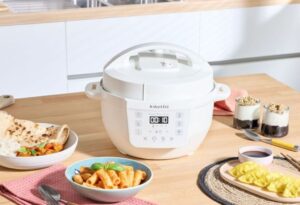
Now that you have all the necessary items and ingredients, let’s explore how to make porridge in rice cooker. This is the core of the process. It’s all about combining the right ingredients, using your appliance, and adjusting the process for your desired texture. Follow these simple steps, and you’ll have a bowl of comforting porridge in no time. This is a simple process, and you should not be nervous.
Preparing Your Rice Cooker
Before you get into the cooking, start by readying your rice cooker. This helps to ensure a smooth, problem-free process. Starting with a clean cooker avoids any flavor transfer from previous meals. It also helps to prevent any unwanted buildup on the cooking plate. Checking the cooker’s capacity will stop overfilling. Proper preparation will lead to better results.
- Clean the Rice Cooker: Before you start, ensure your rice cooker is clean. Wipe down the inner pot and the heating plate.
- Measure Your Ingredients: Use measuring cups for accurate results. Generally, a ratio of 1/2 cup of oats per 1 1/2 cups of liquid is a good starting point, but this can be adjusted to your liking.
- Add Ingredients to the Rice Cooker: Combine the oats, liquid (water, milk, or a mix), and a pinch of salt.
- Stir: Use a spoon to gently stir the mixture to combine everything. This helps prevent clumping and ensures even cooking.
Accurate measurements are important for a perfect texture. Always check your rice cooker’s capacity to prevent overflows. Stirring the mixture ensures the oats cook evenly. Getting the preparation right will lead to a better outcome.
Cooking the Porridge
The cooking stage is the most important part of making porridge in your rice cooker. The cooking time will depend on the type of oats used and your preferences. Using the porridge setting, if available, simplifies things. However, if your rice cooker lacks this setting, there are adjustments you can make to get similar results. Monitoring the porridge is also helpful, to help make sure you get it just right.
- Select the Porridge Setting (If Available): If your rice cooker has a porridge setting, select it. This setting is usually programmed for slower cooking, which is ideal for oats.
- For Rice Cookers Without a Porridge Setting: Use the “cook” setting. Monitor the porridge closely to stop it from overflowing or burning.
- Allow the Cooker to Run: Let the rice cooker run its course. Cooking times may vary depending on the cooker and the type of oats. Rolled oats generally take about 20-30 minutes. Steel-cut oats will require a longer time.
- Check for Doneness: After the initial cooking time, check the porridge’s consistency. It should be creamy and have absorbed most of the liquid. If it’s too thick, add a little more liquid and stir. If it’s too thin, let it cook for a few more minutes.
Using the porridge setting makes things easier, but is not essential. Adjust the cooking time according to the oat type used. Checking the texture is very important. After the cooking time, check the texture by stirring the porridge. Add more liquid for a thinner consistency, and cook longer for a thicker consistency. Monitoring the process makes sure you achieve the consistency you want.
Adding Sweeteners and Toppings
After cooking, it is time to add your favorite sweeteners and toppings to the porridge. This is where you can be creative and personalize the flavor. Sweeteners are optional and added to taste. There are also many different toppings available, which can be tailored to individual tastes. Consider the flavors and textures for an enhanced eating experience.
- Sweeteners: Stir in your sweetener of choice after cooking. Sugar, honey, maple syrup, or any sweetener you enjoy. Start with a small amount and adjust to taste.
- Toppings: Add your favorite toppings just before serving. Fresh or dried fruits, nuts, seeds, yogurt, or a sprinkle of spices.
- Stir Again: Gently stir the porridge after adding sweeteners and toppings to combine everything.
- Serve Immediately: Enjoy your delicious, homemade porridge!
Taste the porridge after adding sweeteners, and adjust to your preferences. Toppings will add flavor and texture to the porridge. Try to add a variety of textures and tastes for an enhanced eating experience. Do not add toppings too early, so they stay fresh. Ready your bowl, and then eat up and enjoy!
Variations and Tips for Porridge Perfection
Once you are comfortable with the basic process of how to make porridge in rice cooker, try experimenting with various recipes. By changing the oats or liquid, or by adding different ingredients, you can make porridge that is uniquely yours. From using various types of oats to exploring flavor combinations, this section will inspire you to try different methods.
Changing the Oats
The type of oats you use greatly impacts the taste and texture of your porridge. Using different oat types will let you create different meals. Each variety offers different cooking times and textures. Whether you enjoy a chewy or a creamy consistency, experimenting with oats helps you find the perfect mix.
- Rolled Oats: These are the most common. They provide a creamy texture. They cook in approximately 20-30 minutes.
- Quick-Cooking Oats: These cook faster, but they can get mushy if overcooked. They are perfect when you need a fast breakfast.
- Steel-Cut Oats: They provide a chewier texture. They take longer to cook, often requiring a longer cycle in the rice cooker.
- Oat Groats: These are whole oat kernels. They take the longest to cook and will deliver the chewiest bite.
The choice of oats can make a big difference in the taste and texture of your porridge. Rolled oats offer a reliable, creamy consistency, and are great for beginners. Quick-cooking oats make things faster but tend to get mushy if cooked for too long. Steel-cut oats offer a chewier consistency. Experimenting with different oat types helps you find your preference.
Liquid Choices for Enhanced Flavor
The type of liquid you use affects the final flavor and creaminess of your porridge. While water works fine, using milk (or a plant-based alternative) adds richness. Blending different liquids lets you customize the outcome. The right liquid creates a delicious, filling, and nutritious meal.
- Water: The simplest option. It’s neutral in flavor.
- Milk: Adds creaminess and a richer taste. Use dairy or non-dairy (almond, soy, oat, etc.)
- Half Milk, Half Water: A good balance of creaminess and lightness.
- Flavored Liquids: Use fruit juice or coffee for extra flavor (note: this may alter the cooking time).
Using milk (dairy or plant-based) provides richness and creaminess. A combination of milk and water strikes a good balance. Fruit juice or coffee add depth, but you may need to adjust the cooking time. The choice of liquid helps in customizing your porridge.
Flavor Combinations and Add-ins
Once you’ve mastered the basics, exploring various flavor combinations will make your porridge experience exciting. From fresh fruits to spices and nuts, you can create a wide range of tastes. These additions will improve both the taste and nutritional value.
- Fruit: Add fresh or dried fruit for sweetness and texture. Berries, bananas, apples, or raisins are great options.
- Nuts and Seeds: Add crunch and healthy fats. Almonds, walnuts, chia seeds, flax seeds, and pumpkin seeds are great.
- Spices: Cinnamon, nutmeg, and ginger add warmth and flavor.
- Nut Butters: Peanut butter, almond butter, or other nut butters for a creamy, protein-packed addition.
- Yogurt: A dollop of yogurt adds a tangy, creamy flavor.
Fruits, nuts, seeds, spices, and nut butters provide different tastes and textures. Berries and bananas add sweetness. Nuts and seeds add crunch and nutrients. Experimenting with different add-ins makes breakfast enjoyable. These additions will enhance the taste and nutritional content of your breakfast.
Common Challenges and Solutions
Even though making porridge in a rice cooker is simple, some problems may occur. Knowing these common challenges and their solutions ensures you have the right consistency every time. Adjusting cooking times, adding liquids, or avoiding overflows are ways to ensure a positive result. This section gives you the knowledge to handle potential issues.
Dealing with Overcooked or Burnt Porridge
Overcooking or burning is a common problem in the cooking process. Even slight differences in the process may cause issues. If the porridge is too thick or has stuck to the bottom, there are simple ways to fix it. These solutions will save your meal and help you improve the process.
- Overcooked Porridge: If the porridge is too thick, add a little more liquid (water or milk) and stir until it reaches your desired consistency.
- Burnt Porridge: Carefully check the bottom of the pot. If it’s slightly burnt, avoid scraping the burnt part into the rest of the porridge. If it’s severely burnt, it’s best to start over.
- Preventing Burning: Ensure you have enough liquid in your initial mixture. Consider using the porridge setting.
If your porridge is overcooked, adding more liquid and stirring usually fixes the issue. If it’s burnt, try to avoid scraping the burnt parts. Preventing burning can be achieved by making sure there’s enough liquid. Checking the bottom of the pot to see what happened can help you solve the problem.
Achieving the Right Consistency
Getting the right consistency is a key part of making good porridge. Porridge that is too thin or too thick is not enjoyable. Knowing how to adjust the process to fix these issues will make sure you have a pleasant eating experience.
- Too Thin Porridge: Let the porridge cook for a few more minutes, stirring frequently, until it thickens to your liking.
- Too Thick Porridge: Add a splash of liquid and stir until it reaches the desired consistency.
- Oat-to-Liquid Ratio: The oat-to-liquid ratio affects the final texture. Experiment to find your perfect balance. A common starting point is 1/2 cup of oats to 1 1/2 cups of liquid.
If your porridge is too thin, cook for a few more minutes to reduce the liquid. If it’s too thick, adding more liquid does the trick. Experimenting with the oat-to-liquid ratio helps you find your ideal texture. The right consistency depends on individual preferences.
Avoiding Overflow
Overflow is a problem when using a rice cooker. This often happens because the liquid expands during the cooking process. Knowing how to avoid overflows will keep both your rice cooker and your kitchen safe and clean. It also stops any messes from happening while cooking.
- Use the Correct Amount of Liquid: Always follow the suggested liquid-to-oat ratio. Adding too much liquid may cause overflow.
- Avoid Overfilling: Do not fill the rice cooker pot past the maximum fill line. The mixture will expand as it cooks.
- Monitor During Cooking (Especially Without a Porridge Setting): Check the porridge periodically, particularly if you’re not using a specific porridge setting.
Adding too much liquid may lead to overflow. Always keep the liquid level within the maximum fill line of your rice cooker. Checking the porridge while it cooks, especially if your cooker does not have a porridge setting, will help you avoid overflow. Following these tips keeps your kitchen clean and your porridge in the cooker.
Troubleshooting Porridge Problems
There are a few problems that might occur when preparing porridge. Knowing the cause and how to fix these will help you troubleshoot. Some problems, like a bland taste or oats that stick to the bottom, are easy to solve. Troubleshooting will stop problems and ensure you get it right every time.
Addressing Bland Porridge
Bland porridge is a problem caused by a lack of flavor. Usually, this means the porridge lacks salt or sweetness. You can enhance the flavor by adding different things to it. There are many options for fixing this problem. By using these solutions, you can make sure your porridge is delicious.
- Add Salt: A pinch of salt enhances flavors. If you skipped this step, add a small amount and stir.
- Add Sweetener: Stir in sugar, honey, maple syrup, or your favorite sweetener after cooking.
- Use Flavorful Liquids: Try using milk, flavored milk, or even a little fruit juice instead of water.
- Incorporate Flavorful Toppings: Add fruits, nuts, spices, or nut butter. These elements will boost the flavor.
A lack of salt and sweetener can cause bland porridge. A pinch of salt will make a big difference. Stirring in sweetener after cooking solves this problem. Use liquids with enhanced flavors for added depth. Include fruits, nuts, and spices to improve the taste. By using these solutions, you can improve the taste of your porridge.
Dealing with Oats That Stick to the Bottom
Oats that stick to the bottom might suggest that the porridge is burning. This usually is caused by not having enough liquid, or cooking it for too long. Checking and taking action early will stop the issue from worsening. Knowing how to fix this is important in making sure your porridge is right.
- Ensure Enough Liquid: Make sure you’re using the right ratio of oats to liquid. Not enough liquid will cause oats to stick.
- Stir Regularly: Stirring the porridge during cooking helps to prevent sticking and ensures even cooking.
- Use a Non-Stick Pot: While all rice cookers have non-stick coating, some are better than others. A well-maintained non-stick pot will minimize sticking.
- Check and Adjust Cooking Time: Avoid overcooking, as this can lead to burning and sticking.
Not enough liquid and overcooking are common causes of oats sticking to the bottom. Add more liquid, or stir the porridge during the process. Using a non-stick pot makes a difference. Adjust the cooking time to avoid burning. Addressing these points can help prevent this problem.
Troubleshooting Uneven Cooking
Uneven cooking occurs when some parts of the porridge cook better than others. This can be caused by the oats not mixing properly. This might also be due to not having the right amount of liquid. Knowing the reasons and solutions will help you make better porridge every time.
- Stir Before and During Cooking: Stirring the oats and liquid before cooking ensures all oats are soaked. Regular stirring during the cooking process helps distribute heat.
- Use the Correct Oat-to-Liquid Ratio: Make sure you’re using the correct ratio of oats to liquid. This will prevent uneven cooking.
- Check the Rice Cooker’s Heating Elements: Make sure the heating elements are clean and working correctly.
- Consider the Type of Oats: Using similar types of oats reduces uneven cooking.
Poor mixing and the wrong amount of liquid can cause uneven cooking. Stir the oats before and during cooking for an even heat distribution. Ensure the right ratio of oats to liquid. Make sure your cooker’s heating elements are clean and working properly. By following these, you can get even cooking.
Frequently Asked Questions
Question: Can I use steel-cut oats in a rice cooker?
Answer: Yes, you can. However, steel-cut oats may require a longer cooking time and possibly more liquid than rolled oats. Using the porridge setting, if available, or cooking for an extended time on the cook setting, will help.
Question: Do I need to soak the oats before cooking?
Answer: Soaking the oats is not necessary, but it may reduce cooking time. For steel-cut oats, soaking for a few minutes before cooking can soften them. Rolled oats generally cook fine without soaking.
Question: Can I add fruit while cooking?
Answer: You can add some fruits during the cooking process, such as apples or berries, but be aware that they might break down more during cooking. Adding them after cooking can keep them fresh and enhance the final taste.
Question: How do I store leftover porridge?
Answer: Store leftover porridge in an airtight container in the refrigerator for up to 3 days. Reheat it in the microwave or on the stovetop with a little extra liquid, as needed, to restore its consistency.
Question: What if my porridge overflows?
Answer: If your porridge overflows, immediately unplug your rice cooker. Carefully clean up the spill, and then check that you used the correct amount of liquid to oats. Avoid overfilling, and make sure to use the proper ratio in the future.
Final Thoughts
Making porridge in a rice cooker is a simple and versatile way to prepare a delicious and healthy breakfast. You have learned how to how to make porridge in rice cooker in detail, from the basic ingredients and equipment to step-by-step instructions. You are now equipped with the information and skills to make perfect porridge every time. Remember to experiment with different types of oats, liquids, and flavor combinations to find your favorite recipe. Don’t be afraid to try new things and see what tastes great. Get creative with your toppings, and most of all, enjoy the process of creating a comforting and nutritious meal. Happy cooking!

I’m Emma J. Caldwell, the founder, lead writer, and home-cooking enthusiast behind KitchenGuideCo.com. With a background in culinary arts and over a decade of cooking experience in both professional and personal kitchens, I created this platform to demystify recipes, offer smart kitchen gadget reviews, and guide readers through meal prep with confidence and clarity.