Never attempt to open a pressure cooker until all internal pressure is completely released. This critical safety measure involves either natural cooling, a controlled quick release, or cold water methods, followed by visually confirming the float valve has dropped and no steam escapes. Only then can you safely twist and remove the lid, ensuring a secure and injury-free experience.
Essential steps how to open a pressure cooker safely
Hey friends! Ever stood nervously over your pressure cooker, wondering if it’s *really* safe to open? I totally get it. We’ve all been there, that little voice whispering ‘what if?’ But here’s the good news: opening a pressure cooker safely is all about understanding a few simple steps and, most importantly, patience. It’s actually quite straightforward once you know the drill, and once you master how to open a pressure cooker safely, you’ll feel so much more confident in the kitchen.
The core principle? Never force it open. You need to ensure all the pressure has left the pot. This crucial step prevents steam burns and ensures your delicious meal stays inside the pot, not on your ceiling! Let’s dive into the foolproof ways to get that lid off safely every single time.
So, what are the essential steps for how to open a pressure cooker safely, and what should I keep in mind?

Think of opening your pressure cooker like unwrapping a present – you don’t just rip it open, right? You gently unwrap. The key is making sure all that built-up pressure inside has completely disappeared. This is called “depressurization,” and there are a couple of ways to do it, depending on what you’re cooking and your cooker type.
Here’s the breakdown of how to open a pressure cooker safely:
1. The Natural Release (NPR) Method:
- This is my go-to for anything that benefits from a little extra cooking time, like stews, soups, or tough cuts of meat and legumes.
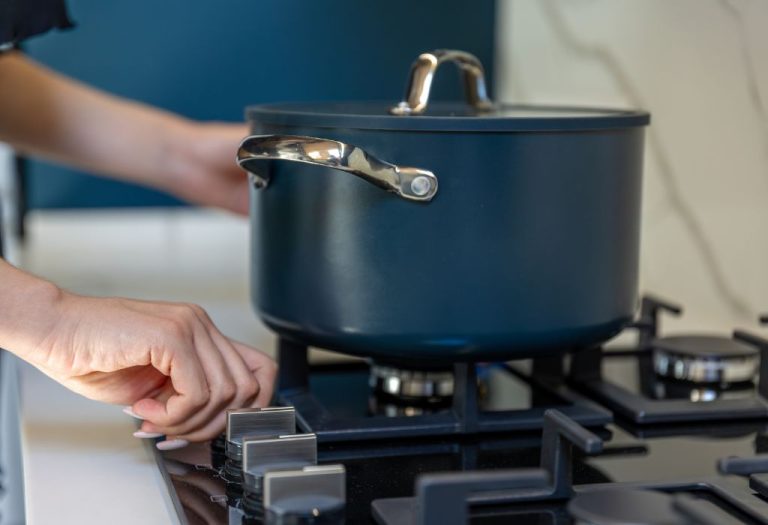
- What it is: You simply turn off the heat (or unplug your electric pressure cooker) and let the pressure come down on its own. The pressure gradually dissipates as the cooker cools.
- How long it takes: This can take anywhere from 10 to 30 minutes, sometimes even longer for larger pots or very full ones. Patience is truly a virtue here!
- When I use it: I remember making a big batch of black bean soup once, and natural release was perfect. The beans finished cooking beautifully, and the flavors really melded. It’s also ideal for foamy foods or those that might clog the vent if you use quick release.
2. The Quick Release (QR) Method:
- This method is faster but requires more caution.
- What it is: For stovetop models, you move the pressure cooker to the sink and run cold water over the lid (avoiding the vent valve) or place it under a slow stream of cold water. For electric models (like an Instant Pot), you carefully turn the steam release valve to the “venting” position.
- Caution! Always keep your hands and face clear of the steam vent. It will release a forceful jet of hot steam. Use oven mitts or a utensil to turn the valve. I once got a tiny steam burn on my hand because I wasn’t careful enough – a lesson learned the hard way!
- When I use it: This is fantastic for delicate vegetables or seafood that you don’t want to overcook. If I’m making steamed broccoli, quick release ensures it’s perfectly crisp-tender.
3. The “Wait for the Float Valve” Method (Universal Safety Check):
- Regardless of the release method you choose, this is the ultimate signal.
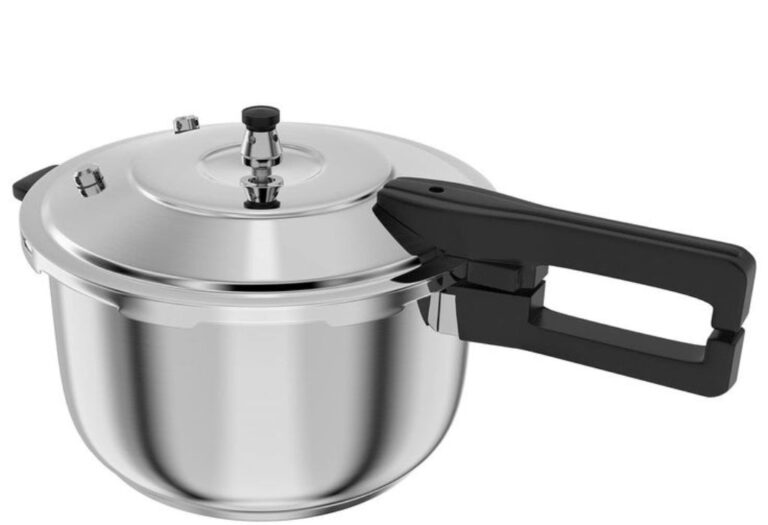
- What it is: Most modern pressure cookers have a small pin or button (often called a float valve) that rises when the cooker is pressurized. You absolutely, positively must wait for this float valve to drop down completely before attempting to open the lid.
- My experience: I always visually confirm the float valve is down. If it’s still even slightly raised, it means there’s still pressure inside. Trying to open it then would be like trying to open a can of soda that’s been vigorously shaken – not pretty!
Final Checks Before Opening:
- No Hissing: Listen carefully. There should be absolutely no steam escaping or hissing sounds.
- Lid Turns Easily: The lid should turn freely without any resistance. If it feels stuck or difficult to budge, do not force it. It means there’s still pressure. Go back to step 3 and wait longer.
My grandma always used to say, “Patience makes the best soup.” And she was right, especially when it comes to safely opening your pressure cooker. Rushing it is never worth the risk.
So there you have it! Mastering how to open a pressure cooker safely is all about understanding the different release methods and, most importantly, being patient and observant. Once you’re comfortable with these steps, your pressure cooker will become an even more indispensable tool in your kitchen, making cooking faster and more efficient without any stress. Happy cooking!