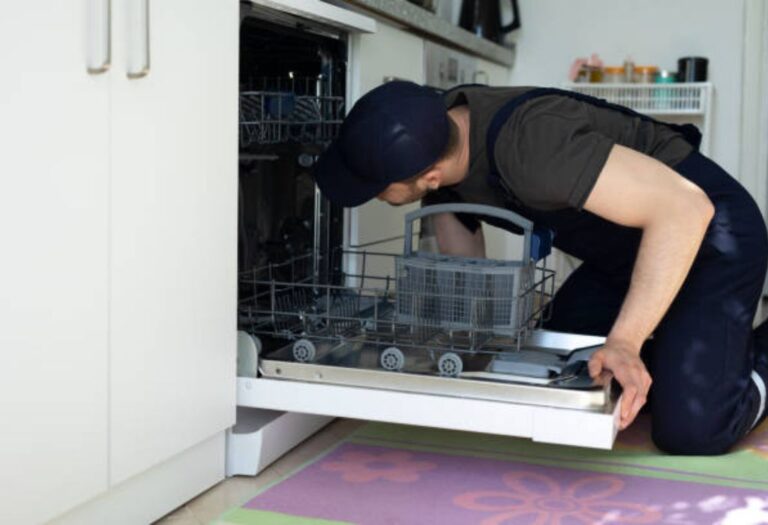
Placing dishes in the dishwasher seems simple until a cycle ends and glasses still have spots, bowls stay dirty or utensils come out stuck together. Many people blame the detergent or the machine, but the real problem often starts with improper loading.
Every dishwasher has a unique spray pattern designed to reach dishes from multiple angles. When items block these spray arms, the water cannot reach hidden surfaces.
People often overload the racks, place items too close or point dishes the wrong way. These small mistakes reduce cleaning power and waste both time and water.
Dishwashers work best when dishes have enough space and face the water jets correctly. Good placement increases efficiency and improves drying performance.
Learning how to load a dishwasher properly saves energy and makes every cycle more successful.
Once you understand how water flows inside the machine, placing dishes becomes quick and effective.
Why Proper Placement Matters In Dishwashers
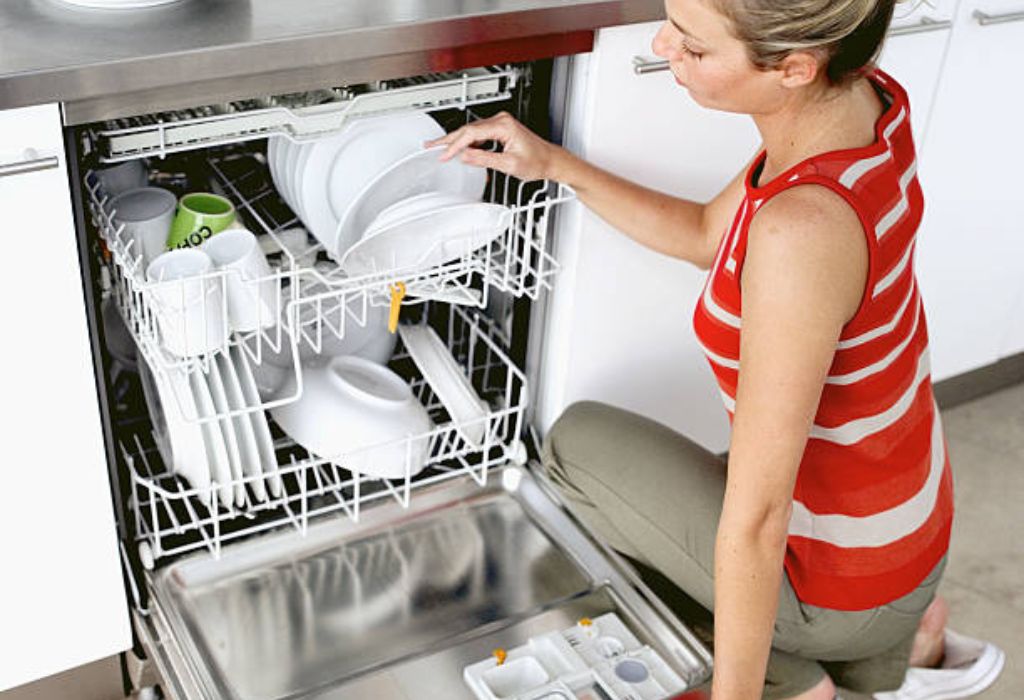
Dishwashers spray water from rotating arms located under and above the racks. When dishes block these arms, water cannot circulate correctly.
Proper placement ensures that every dish gets full exposure to detergent, hot water and rinse aid. This improves both cleanliness and shine.
Incorrect placement causes detergent residue, cloudy glasses and food stuck on bowls. These issues repeat until the loading habits change.
Overloading may save space temporarily but reduces cleaning performance. A little empty space helps water move freely.
The overall goal is to keep the spray path clear and align items toward the water source.
Does placement affect cleaning
Yes, incorrect loading reduces washing power.
Will water reach every dish
Only if the racks are spaced properly.
Can overloading reduce performance
Crowded racks block the spray arms.
Does detergent work better with proper loading
Good placement ensures even detergent distribution.
Is spacing important
Proper spacing improves both cleaning and drying.
How To Load The Bottom Rack Correctly
The bottom rack holds the largest and dirtiest items. Plates, pots and pans are placed here because they need strong water flow.
Place plates facing inward toward the spray arm. Water hits them at the correct angle for maximum cleaning.
Bowls should sit at a slight angle. Angled bowls allow detergent and water to reach all surfaces.
Large items like pots must not block the spray arm rotation. Blocked arms stop working effectively.
Keep space between items so water can move freely around them.
How To Load The Top Rack Properly
The top rack is designed for cups, glassware and small bowls. These items require gentle washing.
Place glasses upside down to prevent water from collecting inside. This helps them dry faster.
Small bowls should be angled to allow water to drain. Angles prevent pooling and streaks.
Plastic items belong on the top rack because it is further from the heating element. Heat may warp plastics on the bottom.
Light items must be secured so they do not flip over.
Should glassware go on the top
Yes, it keeps them safe and stable.
Do cups need spacing
Spacing prevents scratching and water marks.
Can small bowls go on the top
Angled placement keeps them cleaner.
Is the top rack safer for plastics
It protects them from heat damage.
Can lightweight cups flip over
Yes, secure them between rack bars.
How To Load The Cutlery Basket
Cutlery items must be spaced to prevent sticking together. Grouping them too closely reduces cleaning.
Forks should face upward for better cleaning. Water reaches the prongs more effectively.
Knives should face downward for safety. Downward placement prevents accidental cuts.
Spoons should be mixed with other utensils to prevent nesting. Nested spoons block water flow.
Alternating utensil direction improves cleaning power.
Avoid Blocking The Spray Arms
Spray arms must rotate freely for proper cleaning. Any obstruction reduces water pressure.
Large pots or cutting boards placed incorrectly block the spray path. This leads to dirty dishes.
Tall items should be placed toward the sides. Central placement blocks rotation.
After loading, spin the spray arm by hand to ensure nothing hits it. This quick check prevents poor performance.
Even lightweight objects can block arms if they shift during the cycle.
Can blocked arms reduce cleaning
Yes, water cannot reach dishes evenly.
Should you check rotation
Spin the arm before every cycle.
Do large items cause issues
Incorrect placement restricts water flow.
Can light items block arms
Shifting cups may obstruct rotation.
Is this a common mistake
Many users overlook spray arm clearance.
How To Place Bowls For Best Cleaning
Bowls must be placed at an angle for full coverage. Angled placement prevents food from sticking after the cycle.
If bowls sit straight up, water puddles inside. This reduces rinsing and increases streaks.
Place bowls around the edges of the rack. The edges receive strong water flow.
Avoid stacking bowls because stacking creates hidden surfaces. These hidden surfaces stay dirty.
Proper spacing ensures water reaches interior curves.
How To Place Pots And Pans
Pots and pans belong on the bottom rack because they require heavier water pressure. Placing them on top weakens cleaning.
Angle them so water reaches inside the pot. Direct spray contact improves washing.
Avoid covering the detergent dispenser with large pots. Blocking the door prevents detergent release.
Nonstick pans may not be dishwasher safe. Heat and detergent remove their coating.
Heavy pans should stay secure to prevent movement.
Do pots go on the bottom rack
Yes, they need strong spray power.
Can large items block detergent
Misplaced pots block detergent doors.
Are nonstick pans safe
Many nonstick surfaces require handwashing.
Should pans face downward
Angled placement cleans more effectively.
Can pots shake loose
Heavy cookware must be secured.
How To Load Plastic Items Safely
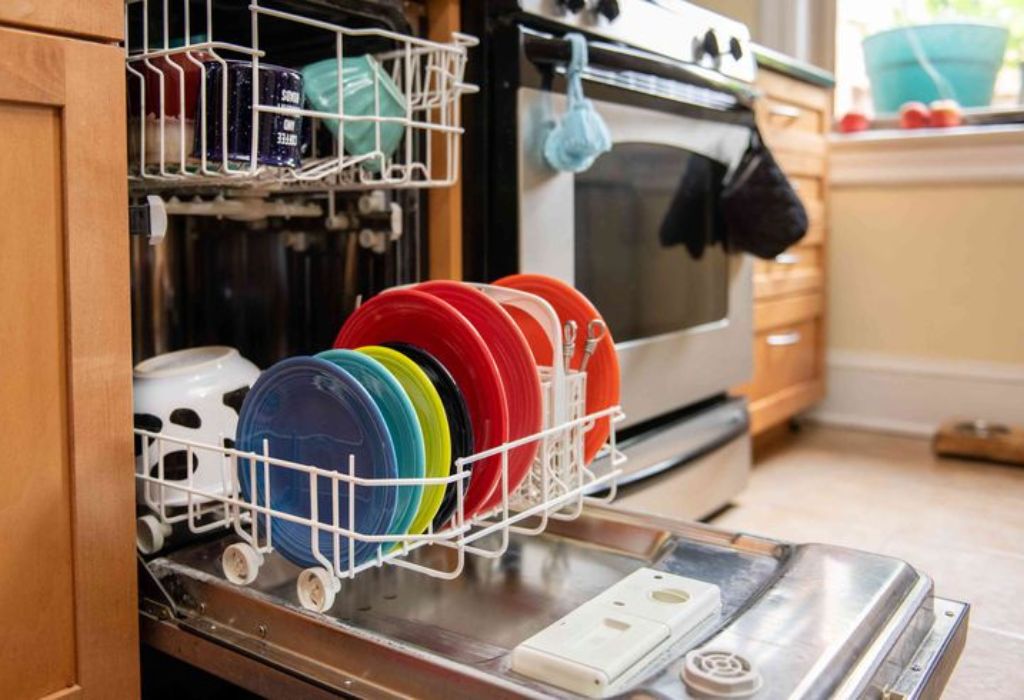
Plastic items melt or warp if placed near the heating element. The top rack keeps them away from high heat.
Lightweight plastic bowls may flip upside down. Secure them between tines to keep them steady.
Plastic lids may slide through rack gaps. Using rack clips prevents this movement.
Certain plastic containers are not dishwasher safe. Always check the label before loading.
Clear plastics become cloudy if exposed to strong detergent or heat.
How To Load Large Or Odd Shaped Items
Large trays and cutting boards can be tricky to place properly. Standing them upright against the side rack works best.
Do not place large flat items near the front because they block the detergent door. Detergent must release freely.
Odd shaped items like measuring cups should angle downward. This prevents water pooling.
Ensure unusual items do not cover the spray arm. They must not restrict rotation.
Proper arrangement keeps airflow and water flow consistent.
Can big items go in front
No, they block the detergent compartment.
Do odd shapes need special angles
Angled placement prevents water spots.
Are cutting boards dishwasher safe
Plastic boards usually are, wooden boards are not.
Can large items block water
Yes, incorrect placement blocks spray paths.
Should they be placed on the sides
Side placement improves circulation.
Tips For Better Cleaning With Proper Placement
Do not overcrowd the dishwasher because crowded spaces reduce water movement. Leaving small gaps improves performance.
Pre rinsing is not necessary but scraping off large food pieces helps. Scraps clog filters easily.
Keep utensils separated to prevent nesting. Nesting stops water from reaching hidden surfaces.
Place tall glasses on the top rack and ensure they do not touch. Touching surfaces trap residue.
Position all dishes downward or sideways to allow water to drain.
Conclusion
Placing dishes correctly inside the dishwasher is essential for getting the best cleaning results, avoiding streaks and preventing residue buildup. By spacing dishes properly, keeping spray arms clear and pointing items toward the water jets, you help the dishwasher perform at its full potential.
Understanding where each type of dish belongs improves washing efficiency and prevents damage to delicate items. With proper placement, both cleaning and drying become faster and more effective.
Careful loading also reduces energy waste because the dishwasher does not need to run extra cycles to clean missed spots.
By following these simple placement techniques, you ensure your dishwasher remains efficient, dependable and capable of delivering spotless dishes every time.

I’m Emma J. Caldwell, the founder, lead writer, and home-cooking enthusiast behind KitchenGuideCo.com. With a background in culinary arts and over a decade of cooking experience in both professional and personal kitchens, I created this platform to demystify recipes, offer smart kitchen gadget reviews, and guide readers through meal prep with confidence and clarity.