Waking up to the smell of fresh coffee is one of the simplest pleasures in daily life, yet many people never truly experience how good homemade coffee can taste.
A coffee maker seems easy to use, but the steps behind brewing a rich and balanced cup require proper preparation, the right measurements and a careful brewing process.
Once you understand how each element shapes the flavor, your morning cup becomes something you look forward to.
Many beginners think that pouring water, adding coffee and pressing a button is enough to create perfect coffee.
In reality, the grind size, filter type, water temperature and brewing time all influence how strong, smooth or bitter your coffee becomes. Small mistakes can lead to weak, sour or burnt tasting coffee that feels disappointing.
Preparing coffee with a coffee maker is one of the most convenient ways to brew, especially when you want consistency every morning.
Coffee makers automate part of the process, but you still control the flavor using the right ingredients and techniques. Understanding how your machine works helps you brew coffee that matches your taste.
Before brewing, it is important to choose the right type of coffee beans. Fresh beans always create stronger aroma and better flavor compared to old pre-ground coffee. Grinding your beans just before brewing gives the best results.
Cleanliness plays a major role in coffee quality. A coffee maker that contains old residue or mineral buildup affects flavor and causes your coffee to taste bitter or stale. Proper cleaning ensures your machine stays efficient and produces pure flavor.
This complete guide explains how to prepare coffee in a standard drip coffee maker. You will learn about the ingredients, equipment, water ratio, grind size and correct brewing sequence. By following each step carefully, you will be able to prepare flavorful coffee with consistent results.
Why Proper Preparation Matters Before Brewing Coffee
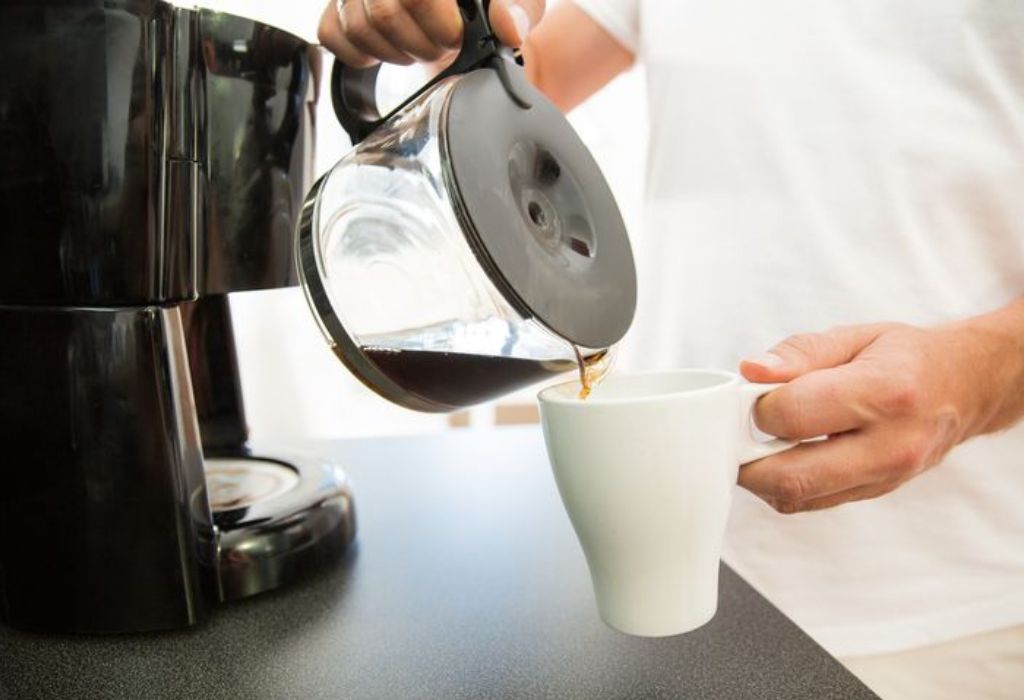
Preparation affects every part of the brewing process, starting from the moment you pick your beans. Fresh beans create rich aroma and full flavor, giving your cup depth and balance. Old beans produce flat bitterness that no coffee maker can correct.
Choosing the right grind size is essential. Coffee makers require medium grind because it allows water to flow through evenly. If the grind is too fine, the coffee becomes bitter, and if too coarse, it becomes weak.
Water quality also plays a major role. Clean filtered water prevents mineral taste and improves extraction. Tap water with chlorine or minerals affects the true flavor of the coffee.
The coffee maker itself must be clean before using. Leftover oils and residue from previous brews affect the taste. A clean machine ensures you get a fresh and smooth cup.
Proper preparation sets the foundation for a successful brewing cycle. Every step that happens before pressing the start button influences the outcome. With good preparation, your coffee becomes richer and more flavorful.
Brewing without preparation often leads to inconsistency. One day the coffee may taste too strong, another day too watery. Preparation eliminates these issues and brings a balanced result every time.
Choosing the Right Coffee Beans and Grind Size
Coffee beans are the heart of your brew, and choosing the right type dramatically affects the taste. Light roast beans bring fruity or floral notes, while dark roast beans create bold and smoky flavors. Medium roast offers a balance that most coffee drinkers enjoy.
Grinding the beans fresh is the best option. Coffee loses aroma quickly once ground, so grinding right before brewing keeps the full flavor. A medium grind works perfectly for most drip coffee makers.
Blade grinders are cheap but less consistent. They create uneven particles that affect extraction. Burr grinders create even grind size that improves taste and balance.
Store your coffee beans properly to protect their freshness. Keep them in an airtight container away from heat, air and light. Proper storage preserves flavor for several weeks.
If you buy pre-ground coffee, choose a sealed bag with a recent roasting date. Stale pre-ground coffee produces flat flavor no matter how well you brew it. Always check dates before buying.
Some coffee makers work differently depending on the grind. Machines with mesh filters can handle slightly finer grinds, but paper filter models work best with medium grinds. Choosing the correct grind ensures smooth water flow.
Understanding your beans helps you brew according to your taste preference. Experimenting with different roasts lets you discover unique flavors. With practice, you will find the perfect combination for your coffee maker.
What grind size is best for a drip coffee maker?
A medium grind works best because it allows balanced water flow and proper extraction. Too fine becomes bitter, and too coarse becomes weak. Medium grind makes the smoothest cup.
Do fresh coffee beans really make a difference?
Yes, fresh beans create stronger aroma and better flavor. Old beans taste flat and stale. Freshness is the key to rich tasting coffee.
How long do roasted beans stay fresh?
Beans stay fresh about two to four weeks after roasting. Storing them properly extends their flavor. Airtight containers help maintain aroma.
Should I buy whole bean or pre-ground coffee?
Whole bean coffee gives better flavor because it stays fresh longer. Pre-ground coffee loses aroma quickly. Grinding before brewing improves taste.
Does roast level affect strength?
Roast level affects flavor intensity but not caffeine. Dark roast tastes stronger and smokier. Light roast tastes brighter and more acidic.
Can I use espresso grind in a coffee maker?
No, espresso grind is too fine for drip coffee makers. It causes over-extraction and bitterness. Medium grind is the correct choice.
Do flavored coffee beans brew the same way?
Yes, but flavored beans contain added oils. These oils can build up in the machine. Regular cleaning prevents flavor contamination.
Measuring Coffee and Water for the Perfect Ratio
Coffee strength depends heavily on the ratio between water and grounds. A standard ratio is one to two tablespoons of coffee per six ounces of water. Adjusting the amount slightly creates stronger or milder results.
Measuring your ingredients creates consistency. Scooping coffee loosely produces different strength each time, while measuring accurately gives predictable flavor. Use the same scoop for every brew.
Your coffee maker may come with its own scoop. One scoop often equals one tablespoon, but check the instructions. Using the correct scoop size helps prevent mistakes.
Filtered water enhances the flavor of brewed coffee. Minerals in tap water sometimes overpower delicate flavors. Clean water allows the coffee’s natural aroma to shine through.
Do not fill the water reservoir beyond the recommended line. Overfilling leads to weak extraction and watery coffee. Using proper water levels ensures balanced brewing.
Measuring water correctly prevents overflow. Too much water causes the filter to flood and spill grounds into the pot. Proper measurement avoids messy situations.
Using the right coffee to water ratio ensures every cup is smooth and satisfying. With consistent measuring, you can fine tune the taste easily. This helps you achieve the perfect balance with every brew.
How much coffee should I use per cup?
Use one to two tablespoons of coffee per six ounces of water. Adjust based on taste preference. Accurate measuring ensures consistent flavor.
What happens if I use too much coffee?
Using too much causes overpowering bitterness. The brew becomes harsh and unpleasant. Balance is essential for proper flavor.
Can I use tap water in my coffee maker?
Yes, but filtered water tastes cleaner. Tap water with minerals affects flavor. Filtering improves extraction.
Why does my coffee sometimes taste weak?
Weak coffee comes from using too little grounds or too much water. Incorrect grind size also causes weak flavor. Adjusting ratio fixes this issue.
Does water temperature matter for the ratio?
Temperature affects extraction but not the ratio directly. Proper heat dissolves flavor compounds correctly. Using clean water still matters most.
How do I make stronger coffee without bitterness?
Use slightly more grounds, not longer brew time. Longer brewing increases bitterness. Adjusting the ratio keeps the flavor smooth.
Does the scoop size matter?
Yes, scoop size affects consistency. Using different scoops causes unpredictable results. Stick to one scoop type for accuracy.
Setting Up the Coffee Maker and Preparing the Filter
Coffee makers require proper setup before brewing. The carafe must be clean and positioned correctly. A misaligned carafe can cause dripping or overflow.
Choose the right filter for your machine. Paper filters are common and create clean flavor by trapping sediment. Reusable mesh filters create a richer body but may allow oils through.
Place the filter securely in the basket. A loose filter may fold during brewing, causing grounds to spill into the pot. Proper placement ensures smooth water flow.
Rinse paper filters lightly before adding coffee. A quick rinse removes paper taste and improves clarity. This step enhances overall coffee flavor.
Check the water reservoir and ensure it is clean. Dust or residue affects taste and brewing quality. A clean reservoir protects flavor and machine health.
Insert the coffee grounds evenly into the filter. Spreading them evenly helps water extract flavor uniformly. An uneven layer creates over-extracted or under-extracted spots.
Setting up the coffee maker carefully prevents brewing problems. When the machine is ready, the brewing process becomes smooth and consistent. Proper setup ensures your coffee comes out exactly how you want it.
Adding Coffee Grounds and Adjusting Strength
Adding the correct amount of coffee grounds determines how strong your coffee will taste. Using too many grounds creates overpowering bitterness. Using too few produces weak flavor.
Spread the grounds evenly inside the filter. This helps water pass through at an even rate. Uneven distribution leads to improper extraction.
For stronger coffee, add slightly more grounds. Increase slowly to avoid bitterness. Small adjustments help you find the perfect strength.
For milder coffee, reduce grounds slightly. Too little coffee, however, tastes hollow and lacks aroma. Balance is key for excellent flavor.
Different beans produce different strength levels. Dark roast tastes stronger even with fewer grounds, while light roast needs more. Adjusting based on roast type helps control flavor.
Some coffee makers include a strength setting. This feature adjusts water flow during brewing. Although helpful, proper measuring still creates better results.
Learning to adjust grounds allows you to personalize your coffee. Experimentation leads to discovering your ideal brew. This flexibility makes home brewing enjoyable.
Understanding Water Temperature and Extraction
Water temperature controls how much flavor dissolves from the coffee grounds. Ideal brewing temperature ranges between 195 and 205 degrees Fahrenheit. This temperature extracts sweetness, acidity and aroma perfectly.
If water is too cold, it under-extracts the coffee. Under-extracted coffee tastes sour and thin. Cold water fails to dissolve important flavor compounds.
If water is too hot, it over-extracts the coffee. Over-extracted coffee tastes bitter and harsh. Hot water dissolves unwanted compounds too quickly.
Most coffee makers automatically heat water to the right temperature. However, older or cheaper models may not reach consistent heat levels. Using a thermometer helps check water accuracy.
Extraction time also influences flavor. Coffee that brews too quickly may taste weak. Coffee that brews too slowly may taste over-extracted.
Water quality affects extraction as well. Filtered water provides better clarity and taste. Hard water reduces extraction and affects aroma.
Understanding temperature helps you brew better coffee. Proper heat ensures balanced extraction with smooth flavor. This knowledge helps improve every cup.
Brewing: Starting the Machine and Monitoring the Process
Press the start button once the machine is set up. The coffee maker begins heating water and dripping it through the grounds. The brewing process takes several minutes depending on the size of the pot.
During brewing, avoid removing the carafe. Interrupting the cycle causes dripping or splashing. It also affects the extraction process.
You will notice the aroma filling the room as coffee brews. This fragrance indicates that the extraction is occurring properly. A smooth aroma means well balanced brewing.
Watch the brewing cycle occasionally. Sudden sputtering sounds indicate low water or brewing issues. Smooth dripping sounds indicate steady operation.
Do not shake or move the coffee maker while brewing. Movement disturbs the flow of water through the grounds. This results in uneven extraction.
Different coffee makers brew at different speeds. Slow brewing produces more balanced flavor. Fast brewing sometimes reduces depth.
Monitoring the process ensures everything works correctly. A well controlled brew gives consistent and flavorful results. This helps you achieve a perfect cup every time.
Should I watch the entire brewing process?
You do not need to watch constantly. Checking occasionally ensures everything functions properly. Monitoring prevents overflow or errors.
Why does my machine make sputtering sounds?
Sputtering indicates low water or brewing issues. The machine may need cleaning. Smoother sound means balanced extraction.
Can I pull the carafe out early?
No, removing it early causes dripping and mess. It may also disrupt extraction. Wait until brewing completes.
Why does my coffee look cloudy sometimes?
Cloudiness comes from fine grounds escaping the filter. A damaged or folded filter often causes this. Proper filter placement solves the issue.
Should I stir the coffee while brewing?
No, stirring disturbs the extraction. Let the machine drip naturally. Stir only after brewing.
Does brew speed affect flavor?
Yes, slow brewing increases flavor depth. Fast brewing reduces extraction. Balanced speed creates the best results.
Why does the aroma change during brewing?
Aroma changes as different compounds extract. Early aroma smells lighter, and later stages smell richer. This variation is completely normal.
Letting the Coffee Finish Dripping Before Serving
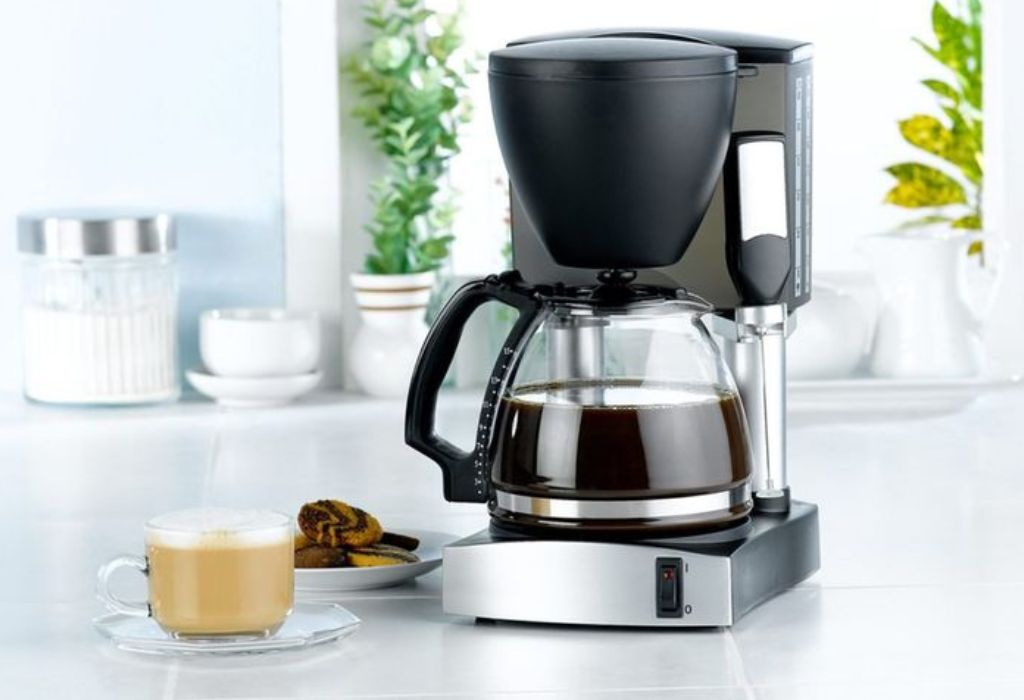
Once the machine finishes brewing, allow the coffee to rest for a moment. Resting lets the final drops fall from the filter. This ensures maximum flavor extraction.
Do not remove the carafe too early. Early removal leads to dripping and messy counters. It can also weaken the final cup.
The remaining drops contain concentrated flavor. Allowing them to drain fully enhances taste. Every drop adds richness.
The brew basket may still hold hot water after brewing stops. Waiting lets the basket empty completely. This prevents uneven flavors.
Some machines include an automatic shutoff. This keeps the coffee warm without overcooking. However, do not leave coffee on the warmer for too long.
Coffee left sitting for too long becomes bitter. Heat alters the chemical structure of brewed coffee. Freshly brewed coffee always tastes best.
Letting the process complete makes a richer cup. Patience allows all the flavors to settle. This step ensures your coffee is smooth and satisfying.
Serving Coffee and Enhancing Flavor
Pour the coffee gently into your cup. Pouring slowly prevents splashing and disturbance of sediment. A smooth pour enhances presentation.
Add milk, cream or sugar according to your preference. These additions balance coffee acidity and bitterness. Adjusting ingredients personalizes your drink.
Flavored syrups add variety. Vanilla, caramel or hazelnut syrups create specialty coffee at home. They blend easily with hot coffee.
Spices like cinnamon or nutmeg add warmth. Adding spices directly to the cup enhances aroma. These natural flavors elevate your coffee experience.
Different cups maintain heat differently. Ceramic cups retain warmth, while metal mugs cool faster. Choosing the right cup enhances drinking enjoyment.
Some prefer drinking black coffee. Black coffee lets you taste the pure flavor of the beans. It highlights the natural notes and aroma.
Serving coffee in a relaxed setting improves enjoyment. A calm atmosphere helps you appreciate each sip. Presentation adds meaning to the experience.
Cleaning the Coffee Maker After Brewing
Cleaning the coffee maker maintains taste quality. Old coffee residue affects flavor and causes bitterness. A clean machine produces better tasting coffee.
Remove the filter and discard the used grounds. Leaving grounds in the basket causes unpleasant smells. Cleaning immediately keeps the basket fresh.
Wash the carafe with warm soapy water. Coffee oils stick to the glass and must be removed. Rinse thoroughly to avoid soap taste.
Clean the filter basket after each use. Rinse until all debris and oils are gone. This keeps the machine working efficiently.
Wipe the exterior of the machine. Dust and splatters gather over time. A clean exterior maintains good hygiene.
Descale the machine regularly using vinegar or descaling solution. Minerals from water build up inside the machine. Removing buildup improves performance.
Regular cleaning extends the life of the coffee maker. It helps maintain flavor consistency. Clean equipment always makes better coffee.
How often should I clean my coffee maker?
Clean after every brew to remove oils and residue. Regular cleaning ensures fresh taste. Neglecting cleaning leads to bitterness.
Do I need to wash the carafe every time?
Yes, leftover oils affect flavor. Washing prevents stale taste. A clean carafe keeps the coffee pure.
How often should I descale the machine?
Descale once every one to three months. Mineral buildup affects performance. Regular descaling improves taste and efficiency.
Can I use vinegar to descale?
Yes, vinegar works well for removing buildup. Rinse thoroughly afterward. Vinegar is an affordable cleaning option.
Why does my coffee taste strange even after cleaning?
Mineral buildup or old residue may still remain. Deep cleaning or descaling is needed. Persistent smells also indicate mold buildup.
Is it safe to run the machine without coffee for cleaning?
Yes, running a water-only cycle helps flush internal parts. It removes old residue. Do this weekly for freshness.
Do reusable filters need special cleaning?
Yes, reusable filters need thorough washing. Oils collect in the mesh over time. Proper cleaning maintains good flavor.
Conclusion
Preparing coffee in a coffee maker becomes simple and enjoyable when you understand each step behind the brewing process.
By choosing fresh beans, measuring properly and controlling water temperature, you create a cup that tastes smooth and balanced. Small adjustments in grind size, ratio and cleaning routines improve consistency every day.
A coffee maker is easy to use, but its performance depends on preparation. Clean equipment, proper setup and careful brewing ensure rich flavor. Paying attention to these details transforms simple brewing into a satisfying routine.
By following this detailed guide, you can brew delicious coffee every time. Each step contributes to a cup that is flavorful, aromatic and enjoyable. With practice, your morning coffee becomes one of the highlights of your day.

I’m Emma J. Caldwell, the founder, lead writer, and home-cooking enthusiast behind KitchenGuideCo.com. With a background in culinary arts and over a decade of cooking experience in both professional and personal kitchens, I created this platform to demystify recipes, offer smart kitchen gadget reviews, and guide readers through meal prep with confidence and clarity.