Cooking rice can sometimes feel like a culinary gamble, especially when you’re aiming for that perfect, fluffy texture. One common challenge for beginner cooks is how to prevent mushy rice in a rice cooker. Don’t worry, it’s a super common problem, and getting perfect rice isn’t as tricky as it seems. This post is designed to help you prepare excellent rice every time! We’ll explore some simple steps that’ll transform your rice-cooking game. Let’s get started!
Understanding the Basics of Rice Cookers
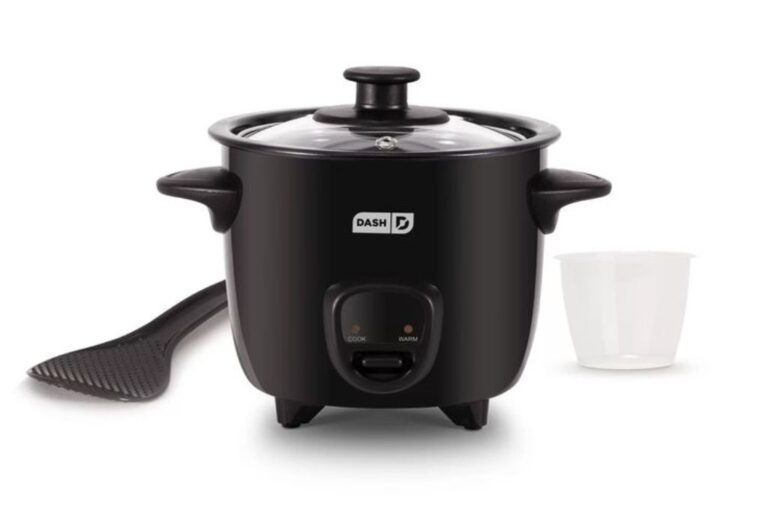
Before exploring how to get the best results, let’s look at how a rice cooker functions. A rice cooker, at its core, is a simple appliance, but its design is clever. It uses a heating element and a thermostat to cook rice evenly. The heating element is usually located at the bottom of the cooker, which heats the water and rice. The thermostat detects the temperature and switches the cooker to a “keep warm” setting when the water has been absorbed or evaporated, and the rice is cooked. This automatic feature prevents overcooking. The simplicity of the machine means that the rice cooker is easy to handle.
How the Heating Element Works
The heating element is the engine of your rice cooker. It’s typically a coil that generates heat when electricity flows through it. This heat transfers to the pot, where the rice and water are. The efficiency of this heating is important. More advanced rice cookers, sometimes use induction heating, where the heat is generated directly within the cooking pot. This type of heating can lead to more even cooking. It is important to remember that the quality of the heating element plays a big role in your final product.
- Direct Heat Transfer: The heating element directly contacts the inner pot, transferring heat efficiently. This ensures the rice gets a consistent cooking temperature from the bottom up.
- Even Cooking: A well-designed heating system ensures that the rice cooks uniformly. Even cooking prevents some rice from being mushy and other parts from being undercooked.
- Simple Design: The simplicity of the heating element’s setup makes it reliable and easy to maintain. Regular cleaning and care can extend the life of your rice cooker.
The Role of the Thermostat
The thermostat acts as the brain of the rice cooker, and it is a key component to preventing mushy rice. It constantly monitors the temperature inside the cooker. As the water is absorbed and the rice cooks, the temperature rises. When the temperature reaches a specific point, which indicates that the water has been absorbed or evaporated, the thermostat signals the cooker to switch to the “keep warm” setting. This prevents the rice from overcooking and becoming mushy. This process is crucial to get the perfect texture.
- Temperature Monitoring: The thermostat is a sensor that checks the temperature. This helps in avoiding burning the rice.
- Automatic Adjustment: The automatic change from cooking to warming mode is a main advantage. This function helps prevent the rice from burning or becoming mushy.
- Preventing Overcooking: By switching to keep-warm mode, the thermostat keeps the rice at a safe temperature until you’re ready to eat. This keeps the rice from becoming overcooked or mushy.
Avoiding Mushy Rice: Key Prevention Strategies
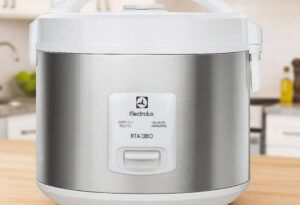
Achieving perfectly cooked rice depends on several key steps. One of the major causes of mushy rice is using the wrong ratio of rice to water. It is important to accurately measure both ingredients. Another factor is the cooking time. The cooking time should be specific for the type of rice. Washing the rice and letting it sit after cooking also plays an important role. By following these, you can vastly improve your results. Let’s get into the specifics of how to prevent mushy rice in a rice cooker.
Getting the Water-to-Rice Ratio Right
The water-to-rice ratio is the foundational element of perfect rice. This ratio changes according to the type of rice you use. White rice often needs a ratio of 1:1 or 1:2, while brown rice might require a ratio closer to 1:2 or 1:3. It’s always best to use the water measurement provided by the manufacturer. If your rice cooker has markings on the inner pot, these are a great starting point. Another important point is to use clean water. If the water is unclean, it can affect the cooking process.
- Check Rice Packaging: Always start by checking the rice packaging. The packaging will give you a recommended water-to-rice ratio for that specific type of rice.
- Use the Rice Cooker’s Markings: Most rice cookers have water level markings inside the pot. These markings often correspond to the amount of uncooked rice you’re using.
- Adjust According to Results: After the first attempt, make adjustments as needed. If your rice is too mushy, use a bit less water next time; if it’s too dry, add a little more.
- Consider Altitude: If you live at a higher altitude, you may need to use slightly more water, as water evaporates more quickly at higher altitudes.
Proper Rice Washing Techniques
Washing rice may appear unnecessary, but it is an essential step toward getting the perfect texture. Washing removes excess starch from the rice grains. Too much starch can lead to sticky or mushy rice. Start by putting the rice in a bowl. Then, add cold water and swirl the rice. Gently rub the grains together. The water will become cloudy. Pour off the water, discarding the starch. Repeat this process until the water runs clear. This process prepares the rice for optimal cooking. Remember that the water needs to run clear to ensure all the starch is removed.
- Removes Excess Starch: Washing rice removes excess surface starch. This is the main factor in preventing rice from sticking together or becoming mushy during cooking.
- Improves Texture: By removing the starch, the grains cook individually, creating a fluffy and less sticky texture. This is especially true for long-grain rice.
- Enhances Flavor: Washing can also help to get rid of any impurities or dust. This improves the overall flavor of your cooked rice.
- Prevents Clumping: Less starch also means less clumping. It makes the rice much easier to serve and eat.
Allowing the Rice to Rest
After the rice has cooked and the rice cooker has switched to the “keep warm” setting, resist the urge to open the lid immediately. Letting the rice rest for about 10-15 minutes is a good practice. During this time, the steam trapped inside the cooker will continue to cook the rice evenly. The rest period also allows the moisture to redistribute throughout the grains. This results in a better texture and prevents the rice from becoming overly mushy or dry. This is especially true for brown rice. The rest period is a key step.
- Even Steam Distribution: The rest period gives the steam more time to evenly distribute throughout the rice. This step ensures that all the grains are cooked.
- Better Texture: Resting allows the rice grains to firm up and reach their final texture, resulting in a less mushy outcome.
- Improved Flavor: The resting time allows the flavors to meld together. This step can enhance the overall taste.
- Preventing Moisture Buildup: Resting helps to prevent excess moisture from accumulating, which can lead to mushy rice.
Choosing the Right Rice: Types and Their Needs
Different types of rice have different cooking needs, affecting the water ratio, cooking time, and even the techniques you use. Understanding the characteristics of each rice type can significantly improve your results. Long-grain rice, like basmati or jasmine, tends to be less sticky than short-grain varieties, which are often used in sushi. Brown rice has a longer cooking time and requires more water because it still has the bran layer. This knowledge will guide your approach. The choice of rice directly influences the process of how to prevent mushy rice in a rice cooker.
Long-Grain vs. Short-Grain Rice
Long-grain rice, such as basmati and jasmine, is known for its fluffy and less sticky texture. These varieties have a higher amylose content, which prevents the grains from clumping. Short-grain rice, including sushi rice and Arborio, has a higher amylopectin content, which makes it stickier. Short-grain rice absorbs more water during cooking, resulting in a stickier texture. The choice between long-grain and short-grain rice depends on the type of dish you are preparing. Understanding these differences is key to getting the texture you desire.
- Long-Grain Rice (e.g., Basmati, Jasmine): This type of rice cooks up fluffy and separates easily. Its lower starch content prevents it from sticking together, making it perfect for side dishes.
- Short-Grain Rice (e.g., Sushi Rice, Arborio): Short-grain rice is stickier and chewier. Its higher starch content helps it hold its shape.
- Cooking Time and Water Ratio: Long-grain rice typically requires less water and a shorter cooking time than short-grain rice.
- Starch Content: The amount of starch directly affects the final texture. Long-grain has less starch, so it’s less sticky.
Cooking Brown Rice
Brown rice has a different nutritional profile than white rice. It takes longer to cook. It also requires a different water ratio. Brown rice retains its bran layer, which adds a nutty flavor and chewy texture. This bran layer also absorbs more water, which increases cooking time. Adding a little extra water, or letting the rice soak before cooking can help. The extra steps ensure the brown rice cooks evenly and prevents the final result from being undercooked. Cooking brown rice might take a bit more time but is worth the effort.
- Higher Water Requirement: Brown rice needs more water than white rice, often a ratio of 1:2.5 or 1:3, due to the outer bran layer.
- Longer Cooking Time: It takes longer to cook. Always check your rice cooker’s settings and time adjustments for brown rice.
- Pre-soaking: Soaking brown rice for 30 minutes before cooking can shorten the cooking time and improve the texture.
- Nutritional Benefits: Brown rice is more nutritious. It is packed with fiber and nutrients.
Specialty Rice Types (Wild Rice, Arborio)
Specialty rice types such as wild rice and Arborio often require specific techniques to achieve the desired texture. Wild rice is not actually rice but the seed of an aquatic grass. It needs more water and a longer cooking time than white rice. Arborio rice, used for risotto, releases starch during cooking. This gives it a creamy texture. You may have to adjust the water level, cooking time, and even the cooking method. The preparation steps for specialty types are different and designed to bring out their unique characteristics.
- Wild Rice: This rice has a chewy texture and nutty flavor. It benefits from a higher water ratio and longer cooking time.
- Arborio Rice: Arborio is high in starch, which creates a creamy texture. It does not require as much water as other types.
- Cooking Methods: Some specialty rice types may benefit from specific cooking methods, such as simmering.
- Texture and Flavor: Each variety has a unique texture and flavor profile. Always adjust your cooking method to fit the rice type.
Troubleshooting Common Rice Cooker Issues
Even with perfect practices, problems may still occur. Troubleshooting can help you correct these problems. Mushy rice is one of the most common issues. If your rice comes out mushy, it is often due to too much water or too long a cooking time. Dry rice is caused by not enough water. Knowing what to do when things go wrong can help you solve issues. This section will walk you through solutions to common problems to assist in how to prevent mushy rice in a rice cooker.
Dealing With Mushy Rice
If your rice comes out too mushy, don’t worry. There are ways to salvage it. First, check the water level and the water-to-rice ratio. Too much water is the most frequent cause of mushy rice. If you realize the rice is mushy during the cooking cycle, you can try opening the lid and letting some of the steam escape. After the cooking cycle, leave the lid open for 10-15 minutes to allow excess moisture to evaporate. In some cases, you can add dry rice to the mushy rice and cook it again. If the rice is only slightly mushy, you can use it in a dish. In cases like fried rice, the texture difference will not be as noticeable.
- Reduce Water: Next time, use less water. Start by reducing the water by a quarter of a cup.
- Longer Rest Time: If it’s only slightly mushy, let it rest longer with the lid off. This will help the excess moisture to evaporate.
- Use the Rice: Use the rice in a dish where the texture won’t be as noticeable, such as rice pudding.
- Preventing it Next Time: Adjust the cooking method by using less water and checking the cooker settings.
Correcting Dry Rice
If your rice is dry or crunchy, it likely didn’t have enough water. The solution is usually straightforward. Try adding a small amount of water to the rice. Use a tablespoon or two, and let it rest in the “keep warm” setting for 10-15 minutes. This process allows the rice to rehydrate and absorb the extra moisture. Another option is to add a little more water to the cooker next time you cook. If you see the rice is getting dry during cooking, add some water immediately. Remember to check your rice cooker’s markings or the package directions.
- Add Water: Add a small amount of water and let the rice steam for a few minutes.
- Check Water Levels: Make sure you are using the correct water-to-rice ratio.
- Resting Period: Allow the rice to rest in the rice cooker to rehydrate.
- Preventive Measures: Always use the correct ratio and check for any altitude adjustments.
Uneven Cooking and Other Problems
Uneven cooking occurs when some parts of the rice are overcooked while others are undercooked. This problem can be due to a number of factors. First, ensure the rice cooker is clean. A dirty heating element or inner pot can lead to uneven heat distribution. Using the correct water level and checking the rice cooker’s settings also helps. Some rice cookers have specific settings for different types of rice. If these settings are not used, it may affect the cooking process. Overfilling the rice cooker can also create this problem. Check the cooker’s capacity.
- Clean the Cooker: Clean the rice cooker’s heating element and inner pot.
- Check Settings: Make sure you are using the correct settings for the type of rice.
- Even Distribution: If cooking a large quantity, ensure the rice is spread evenly in the pot before cooking.
- Proper Amount: Make sure you are not overfilling the rice cooker.
Advanced Techniques for Superior Rice
Once you are comfortable with the basics, you can try some advanced techniques. These practices will take your rice cooking to the next level. Soaking the rice before cooking it is a simple step that can change the final texture. Adding fats, like butter or oil, can give the rice a richer flavor. Using different cooking liquids can alter the taste, leading to new flavor combinations. These techniques are steps in the quest of how to prevent mushy rice in a rice cooker and elevate your cooking.
Soaking Rice for Better Results
Soaking rice before cooking can reduce cooking time and improve the final texture. This is especially useful for brown rice, which can benefit from a longer soaking period. Soaking softens the rice grains, allowing them to absorb water more evenly. This also helps reduce the cooking time. Soaking can also improve the nutritional value of the rice by releasing nutrients. The soaking process is easy. Simply put the rice in a bowl and cover it with water. Then, let it sit for at least 30 minutes, or even longer. For some rice types, soaking can be a game changer.
- Softens Grains: Soaking the grains helps them absorb water. This leads to a more even cooking result.
- Reduces Cooking Time: Pre-soaking helps the rice to cook quicker. You’ll likely need less time in the rice cooker.
- Enhances Flavor: Soaking can help get rid of some of the starch, which can help bring out a better flavor.
- More Nutritious: Soaking can help release nutrients. This step makes the rice more easily digestible and nutrient-rich.
Adding Flavor with Fats
Adding fats, such as butter or oil, can add to the flavor and texture of your rice. A little butter can make the rice taste rich. Oil can stop the rice from sticking. When adding fat, add it to the rice before cooking. In some cases, toasting the rice in oil before adding water enhances the flavor. These techniques can be used to experiment with different flavor profiles. It adds another layer to cooking and makes the process more interesting.
- Adds Flavor: Fats like butter or olive oil can add richness to your rice. The choice of fat can affect the final flavor.
- Prevents Sticking: A small amount of oil can help prevent the rice from sticking to the bottom of the pot.
- Improves Texture: Fats can help to create a slightly creamier texture. They enhance the overall eating experience.
- Experimentation: You can experiment with different types of fats to create new flavor combinations.
Cooking Rice With Different Liquids
Instead of using water, you can use other liquids to cook your rice. This is a very simple method to add new flavors. Chicken broth or vegetable broth adds flavor. Coconut milk is also a great option to add to the flavor profile. Be mindful of the water-to-liquid ratio. If you use a broth, the sodium content can affect the rice’s flavor. Using different cooking liquids can change the texture and the flavor. This approach can turn a simple side dish into a main course. Using various liquids adds another element to how to prevent mushy rice in a rice cooker and enhance the outcome.
- Broth: Using chicken or vegetable broth adds a savory depth of flavor. This can make the rice more complex.
- Coconut Milk: Coconut milk adds a creamy texture and subtle sweetness. This is an option for certain dishes.
- Wine: You can use wine to add extra flavor. It is a good option for recipes.
- Adjustments: Remember to adjust the water-to-liquid ratio. The liquid’s properties may alter the cooking process.
Frequently Asked Questions
Question: Why is my rice always mushy?
Answer: Mushy rice is usually caused by using too much water. Make sure to use the correct water-to-rice ratio, and consider the type of rice you’re using.
Question: How can I prevent my rice from sticking to the bottom of the cooker?
Answer: Washing the rice before cooking can remove excess starch. You can also add a small amount of oil to the pot before adding the rice.
Question: Can I use different types of liquids to cook rice?
Answer: Yes, you can use broth, coconut milk, or other flavorful liquids instead of water. Keep the correct ratio in mind.
Question: What’s the best way to store cooked rice?
Answer: Store leftover cooked rice in an airtight container in the refrigerator for up to 4 days. Always make sure the rice cools down before you put it in the fridge.
Question: Should I stir the rice while it’s cooking?
Answer: No, it is best not to stir the rice while it is cooking. Stirring can release starch and alter the texture. After cooking, fluff the rice with a fork.
Final Thoughts
Cooking perfect rice with a rice cooker is simple, especially once you understand the key steps. From the right water-to-rice ratios to understanding the different rice types, each step will help. Washing the rice and letting it rest after cooking are critical. If you find your rice is sometimes mushy, you can always adjust and learn from the results. There are several ways to improve your final result. This will mean you can have fluffy, delicious rice. With practice, you’ll be enjoying perfectly cooked rice every time. Embrace the techniques and keep experimenting! You’ll be making great rice in no time!

I’m Emma J. Caldwell, the founder, lead writer, and home-cooking enthusiast behind KitchenGuideCo.com. With a background in culinary arts and over a decade of cooking experience in both professional and personal kitchens, I created this platform to demystify recipes, offer smart kitchen gadget reviews, and guide readers through meal prep with confidence and clarity.