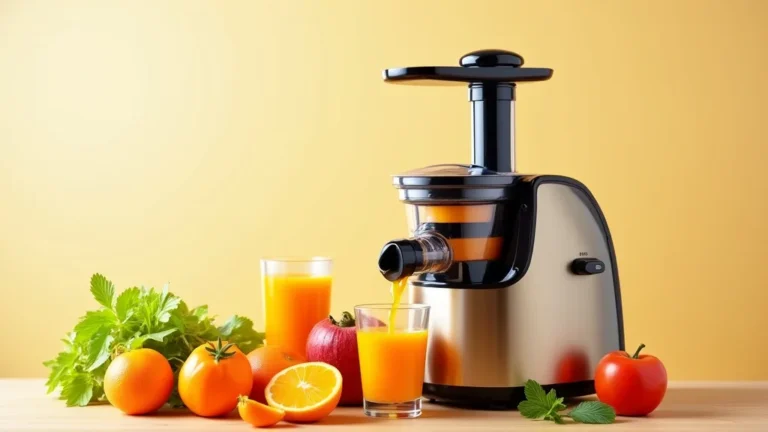
If you’re new to juicing, you might be wondering how to protect juicer motor from damage. It’s a common question! It can seem tricky, but don’t worry. This is your juicer’s most important part, so learning a few simple tricks can make a big difference. I’m going to walk you through a step-by-step guide on how to keep your juicer running smoothly. Let’s get started!
Understanding Your Juicer Motor
Your juicer’s motor is like the heart of the machine. It’s the powerhouse that spins the blades, grinds the produce, and separates the juice from the pulp. Without a healthy motor, your juicer can’t do its job. Different types of juicers have different motor designs and power ratings, but the core function remains the same: to provide the force needed to extract juice. Knowing how the motor works will help you prevent any problems from developing.
Types of Juicer Motors
Juicer motors are generally categorized based on the type of juicer they power. There are two primary categories: centrifugal and masticating (or slow juicer) motors. Each has a different approach to juicing, resulting in different motor demands. Knowing the difference is important for protecting the motor, because you’ll handle each differently.
- Centrifugal Motors: These are typically found in centrifugal juicers. They use a fast-spinning blade to chop produce and force the juice out. They often have higher-powered motors to handle the high speeds. These are usually the louder type, and require more care to avoid overloading.
- Masticating Motors: These are found in masticating or slow juicers. They operate at a slower speed, using an auger to crush and press the produce. They’re usually quieter and place less stress on the motor, but can be more sensitive to certain kinds of produce.
Understanding the motor type in your juicer can help you decide how much produce to use at a time and what kind of ingredients are most suitable. These basic differences will help you maintain your machine well and avoid any mechanical problems.
The Role of Overload Protection
Most juicers come with built-in overload protection. This safety feature is designed to shut down the motor if it’s working too hard. This is the first line of defense for a healthy motor. When the motor is overloaded, it can overheat and get damaged. The overload protection is a simple but effective measure to help keep your juicer safe and functional.
- How It Works: Overload protection often uses a thermal switch. This switch detects when the motor gets too hot and cuts off the power to prevent damage.
- Benefits: Prevents motor burnout and extends the life of your juicer.
- Limitations: While it’s a great feature, it’s still best to avoid overloading your juicer in the first place.
The overload protection is meant to prevent motor damage. The use of this function is a signal to slow down or change your juicing habits.
Effective Practices for How to Protect Juicer Motor
There are many things you can do to keep your juicer’s motor running well. It’s not just about what you juice; it’s also about how you do it. The best defense is a good offense, so take a look at the important things to keep in mind when using your juicer to prevent any problems from developing.
Preparing Your Produce
How you prepare your fruits and vegetables makes a big difference. Cutting them into the right size and removing tough parts can greatly reduce the strain on the motor. Prepping your produce is one of the easiest ways to safeguard your machine. This helps your machine’s motor run more smoothly and efficiently.
- Size Matters: Cut produce into small, manageable pieces. Large chunks are harder for the motor to process and can cause it to work harder.
- Remove Hard Parts: Remove seeds, pits, and tough skin from fruits and vegetables. These can damage the blades and overwork the motor.
- Softer vs. Harder: Alternate between soft and hard produce. This will help maintain a consistent workload on the motor, so it doesn’t get worn down or overworked.
Here’s a good example: If you’re juicing carrots (hard), alternate with apples (softer). This balances the motor’s effort, preventing any damage from overloading.
Juicing in Batches
Juicing in small batches is a great way to prevent overloading your motor. Instead of trying to process a whole load of produce all at once, work in smaller increments. This also makes it easier to keep an eye on the motor and spot any potential problems early on. This can save you from a major breakdown, and it gives you a more consistent juicing experience.
- Start with a Small Amount: Put a small amount of produce into the juicer at a time. This keeps the motor from working too hard.
- Listen to Your Juicer: Pay attention to the sound of your juicer. If the motor sounds strained or slows down, it’s a sign to reduce the amount of produce.
- Take Breaks: If you’re juicing a lot, give your juicer a break between batches. This allows the motor to cool down.
This approach prevents the motor from overheating and extends its lifespan. It also helps to ensure that you get the most juice from your produce.
Avoiding Overloading Your Juicer
The most common cause of motor issues is overloading the juicer. Overloading happens when you put too much produce into the juicer at once, or when you force it to process hard or fibrous items without proper preparation. Recognizing and avoiding overload is crucial to keeping your juicer’s motor safe and sound.
- Feed Slowly: Don’t rush the process. Feed the produce slowly and let the juicer do its job.
- Listen for Straining: If the motor slows down or struggles, stop and remove some of the produce.
- Don’t Force It: Never push produce down into the juicer with excessive force. This can damage the motor and the blades.
Overloading can lead to overheating and eventually motor failure. It is best to take your time and follow the basic guidelines.
Maintenance and Cleaning for Motor Longevity
Routine cleaning and maintenance are essential for extending the life of your juicer’s motor. This includes regular cleaning of the parts and paying attention to any signs of wear. Proper care not only keeps your juicer running efficiently but also ensures the motor functions correctly. Taking good care of your juicer is a smart idea.
Cleaning Your Juicer
Cleaning your juicer regularly isn’t just about hygiene; it’s also important for the motor. Food particles can get stuck in the blades and other parts, causing the motor to work harder. Regular cleaning prevents build-up and keeps your juicer running smoothly. Plus, a clean juicer means more flavorful juices.
- Disassemble Immediately: After each use, take your juicer apart for cleaning. Don’t let pulp and juice dry on the parts.
- Rinse and Scrub: Rinse all parts under warm water. Use a brush to remove any pulp or debris.
- Dry Thoroughly: Before reassembling your juicer, make sure all parts are completely dry. This prevents mold and rust.
A simple cleaning routine will make your juicer last for years. It protects the motor from unnecessary strain.
Recognizing Signs of Trouble
Paying attention to your juicer is important. It can alert you to any problems early on, before they cause serious damage. Be on the lookout for anything unusual, and take action if you notice a change in your juicer’s performance. Knowing how to spot these warning signs can save you money and prevent a major headache.
- Unusual Noises: Listen for any strange sounds, like grinding, knocking, or squealing. These could be signs of a problem.
- Slower Speed: If your juicer starts to run slower than usual, it could be a sign of a motor issue.
- Overheating: If the motor feels unusually hot during operation, turn it off and let it cool down.
- Burning Smell: A burning smell is a serious sign that something is wrong. Turn off the juicer immediately and unplug it.
The sooner you notice and act on these signals, the easier it will be to keep your machine in top shape. Pay attention to those warning signs. Your juicer will thank you.
Troubleshooting Common Motor Issues
Even with good care, you may encounter problems. Knowing how to troubleshoot and how to handle any potential issues is a smart way to get the most out of your juicer. You can often solve small problems on your own before they turn into bigger headaches.
The Juicer Won’t Start
If your juicer won’t start, the problem might not always be the motor. It could be something as simple as a loose power cord or a tripped circuit breaker. Here’s a basic guide to get you back to juicing fast.
- Check the Power: Make sure the juicer is properly plugged into a working outlet. Try plugging another appliance into the same outlet to confirm it’s working.
- Inspect the Cord: Look for any damage to the power cord. If the cord is frayed or damaged, replace it.
- Reset the Circuit Breaker: If the juicer trips a circuit breaker, reset the breaker in your electrical panel.
- Check the Safety Features: Ensure all parts of the juicer are correctly assembled. Some juicers have safety features that prevent them from starting if not properly assembled.
Sometimes, the solution is easy, and you can get back to juicing right away.
The Motor Overheats
Overheating is a common problem, especially if you juice frequently. It can be caused by overloading the juicer, using it for too long, or not allowing it to cool down properly. Taking quick action can prevent long-term damage and keep your juicer from breaking down.
- Turn It Off: If the motor overheats, immediately turn off the juicer and unplug it.
- Let It Cool: Allow the juicer to cool down completely before using it again. This could take 30 minutes to an hour.
- Reduce Load: Make sure you’re not overloading the juicer. Juice in smaller batches and alternate between hard and soft produce.
- Check Ventilation: Make sure the juicer has good air circulation around it. Don’t place it against a wall or in an enclosed space.
If overheating occurs often, it’s best to review your juicing habits and make any needed changes.
Motor Slows Down During Use
A slowing motor often indicates that the juicer is working too hard. This can be caused by a variety of reasons, from putting in too much produce to juicing tough ingredients. If you can understand what’s causing the slowdown, you can make changes to protect your juicer. This can save you from a complete breakdown.
- Reduce the Load: Put less produce into the juicer at a time. Overloading the juicer is the most frequent cause of slow performance.
- Alternate Produce: Switch between hard and soft fruits and vegetables. This helps to distribute the load on the motor.
- Check the Blades: Make sure the blades are clean and sharp. Dull blades can make the motor work harder.
- Inspect for Obstructions: Check for any blockages or obstructions in the juicer that might be causing the motor to strain.
A motor that slows down is a sign that something is amiss. A quick adjustment can keep your juicer running well.
How to Protect Juicer Motor: Preventative Tips
Following a few simple steps will help you protect your juicer’s motor from damage and keep it running smoothly. Preventative measures go a long way in ensuring your juicer’s long life. By following the tips, you can enjoy fresh juice for years.
Using the Right Produce
Selecting the right ingredients is key to preventing wear and tear on your juicer’s motor. Some fruits and vegetables are more difficult to process than others. This basic approach will ensure that your machine lasts longer. Choose the right ingredients for your machine and enjoy delicious, healthy juice.
- Avoid Extremely Hard Produce: Limit the use of very hard items like frozen fruits or large, unpeeled root vegetables.
- Consider Fibrous Items: Be cautious with stringy or fibrous produce, such as celery or pineapple, which can get tangled.
- Soft Fruits and Veggies: Include a variety of softer produce like berries, apples, and leafy greens, which are easier for the motor to process.
Your juicer will perform better, and your motor will thank you if you use the right ingredients. This is a simple but useful way to improve the lifetime of your machine.
Proper Storage and Handling
Storing your juicer properly will also help protect the motor. This includes keeping it in a safe place, handling it gently, and protecting it from extreme temperatures or humidity. A few simple adjustments will help keep your juicer in good shape. Make sure your juicer stays in good condition by storing and handling it well.
- Store in a Dry Place: Keep your juicer in a dry, cool place to prevent any moisture damage to the motor.
- Handle with Care: Avoid dropping or hitting the juicer. Rough handling can damage the motor and other internal parts.
- Protect from Extreme Temperatures: Don’t store your juicer where it’s exposed to extreme temperatures, as this can affect the motor’s performance.
- Unplug When Not in Use: When you’re not using the juicer, unplug it for safety and to save energy.
These simple practices will help maintain your machine’s condition and ensure its long life.
Regular Servicing and Inspection
Like any appliance, your juicer benefits from regular service and inspection. This includes checking for any signs of wear and tear, and taking it to a professional for maintenance if needed. The use of simple checks will keep your juicer in excellent condition. Proper servicing and inspection can help you keep your machine in great condition.
- Check the Parts: Examine the blades, strainer, and other parts for any wear or damage. Replace worn parts promptly.
- Professional Service: Consider getting your juicer serviced by a professional at least once a year, or as recommended by the manufacturer.
- Read the Manual: Follow the manufacturer’s recommendations for maintenance and servicing.
Regular maintenance will help prevent problems. You can keep your juicer functioning at its best.
Frequently Asked Questions
Question: Can I juice frozen fruits and vegetables?
Answer: It’s generally not recommended to juice frozen fruits and vegetables directly because they can be too hard and put extra stress on the motor. If you want to use frozen produce, allow it to thaw slightly first.
Question: How often should I clean my juicer?
Answer: Clean your juicer immediately after each use. This helps prevent pulp from drying and sticking to the parts, making it easier to clean and preventing potential motor strain.
Question: What should I do if my juicer smells like it’s burning?
Answer: If you smell a burning odor coming from your juicer, turn it off and unplug it immediately. This indicates a potential motor issue. Let the juicer cool down and contact the manufacturer or a repair specialist.
Question: How long should I let my juicer run at a time?
Answer: It’s best to juice in short bursts and avoid running your juicer continuously for long periods. Give the motor breaks every few minutes to prevent overheating. Refer to your juicer’s manual for specific recommendations.
Question: What’s the best way to clean the juicer’s motor housing?
Answer: The motor housing usually shouldn’t get wet. Wipe it down with a damp cloth. Never submerge the motor housing in water.
Final Thoughts
Knowing how to protect juicer motor is key to extending the life of your appliance and enjoying fresh juice for a long time. It starts with understanding how the motor works and what can cause it problems. We have already covered the basics, like prepping your produce and avoiding overloading the juicer. Always make sure to clean your juicer after each use and pay attention to any unusual sounds or behavior. Regular maintenance and proper storage are also important, and you should always check the manufacturer’s recommendations. By following these simple steps, you can keep your juicer running well for years. Start by making these tips a habit, and you will be on your way to enjoying healthy, homemade juices with no worries!

I’m Emma J. Caldwell, the founder, lead writer, and home-cooking enthusiast behind KitchenGuideCo.com. With a background in culinary arts and over a decade of cooking experience in both professional and personal kitchens, I created this platform to demystify recipes, offer smart kitchen gadget reviews, and guide readers through meal prep with confidence and clarity.