Conquer pressure cooker foam by proactively rinsing starchy or protein-rich ingredients and adding a touch of cooking oil or butter. Crucially, never overfill your pressure cooker; this, combined with proper ingredient preparation, will drastically reduce unwanted foam for a safer, cleaner cooking process.
How to Reduce Foam in Pressure Cooker Your Ultimate Guide
Ever opened your pressure cooker after a batch of chickpeas or dal, only to find a bubbly, foamy mess threatening to erupt from the vent? It’s a common culinary headache, trust me, I’ve been there! That stubborn foam isn’t just annoying; it can clog your cooker’s vent, leading to safety issues and a huge mess.
The good news is, learning how to reduce foam in pressure cooker is actually quite simple. It mostly comes down to a few easy steps like proper ingredient prep, using a little fat, and mindful cooking practices. Think of it as befriending your pressure cooker rather than battling it. Let’s dive into how you can keep those bubbles at bay for good!
How can I effectively reduce foam in my pressure cooker when cooking legumes and other starchy foods?
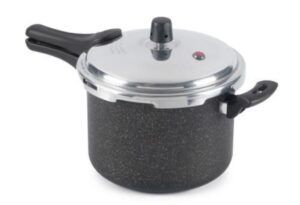
When you’re trying to keep the foam down in your pressure cooker, especially with foods like lentils, chickpeas, or beans, it’s all about a combination of preparation and technique. I’ve personally tried countless methods, and these are the ones that consistently work wonders for me.
First off, soaking is your secret weapon. For most legumes, a good soak (8-12 hours, changing water if possible) does wonders. It not only speeds up cooking but also helps wash away saponins, which are natural compounds that cause foaming. I used to skip soaking sometimes, thinking the pressure cooker would fix everything. Big mistake! A thorough rinse after soaking is equally important to remove any lingering starchy residues.
Next, let’s talk about a little bit of fat. Adding just half to one teaspoon of cooking oil, ghee, or butter before sealing your pressure cooker can make a huge difference. This fat creates a thin barrier on the surface of the cooking liquid. It effectively traps the air bubbles, preventing them from rising and forming that thick foam. This is my go-to trick for almost all dals and beans!
Water level is another critical factor. It’s a fine balance. Too little water, and your food might scorch; too much, and you’ll have excess liquid that can encourage more foaming. I’ve found that just enough water to cover the ingredients by about an inch or two is often ideal. For foods that expand a lot, like dry beans, you might need a bit more, but always stay mindful of the cooker’s fill lines.
And speaking of fill lines, never overfill your pressure cooker! This is perhaps the most important rule. For most foods, you should never fill it more than two-thirds full. For foods that expand or foam heavily (like legumes or rice), stick to half full. I once got a little ambitious with a giant batch of kidney beans, and let’s just say my kitchen needed a good scrub afterwards from the foamy overflow! Give your food space to bubble and expand safely.
Consider a slow pressure release method too. While quick release is handy, a natural pressure release often gives the foam more time to settle back into the liquid. If you must do a quick release, do it gradually and carefully to prevent a sudden eruption of foamy steam.
A few other handy tips from my own kitchen experiments include adding a tiny pinch of turmeric to legumes, especially dals. My grandmother always did this, and it really seems to help. Also, for super foamy items, you can sometimes bring the contents to a boil in the open cooker for a few minutes before sealing. Skim off any initial foam that rises, then proceed with pressure cooking. This works wonders for things like homemade bone broth or particularly starchy beans.
By bringing the cooker to pressure slowly, rather than on high heat immediately, you can also reduce the sudden surge of bubbles. It’s a gentler way to start the cooking process.
Reducing foam in your pressure cooker isn’t about one magic bullet, but rather a combination of these smart practices. Each step contributes to a smoother, safer, and cleaner pressure cooking experience. With these simple adjustments, you’ll be enjoying perfectly cooked, foam-free meals in no time, and your kitchen will thank you for it!