To master pressure cooking, drastically reduce the initial liquid compared to conventional recipes, as the sealed environment inherently retains moisture. Adjust liquid amounts based on food type and natural water content, understanding that quick release can sometimes aid in minimal evaporation post-cooking for a perfectly balanced dish.
Prevent excess liquid how to reduce liquid in pressure cooker
Ever pull the lid off your pressure cooker, excited for dinner, only to find your delicious meal swimming in a pool of liquid? Oh, I’ve been there so many times! It’s a common kitchen moment, and honestly, it used to frustrate me. But don’t worry, you absolutely can master how to reduce liquid in pressure cooker dishes. It’s all about a few simple tricks and understanding how your magical pot works.
The good news is, learning to manage that extra liquid isn’t hard at all. With a little planning and a couple of handy techniques, you’ll be serving perfectly sauced, flavorful meals every time. Let’s dive into making those pressure cooker meals just right, without all the excess water!
How can I effectively reduce liquid in my pressure cooker dishes to achieve the perfect consistency?
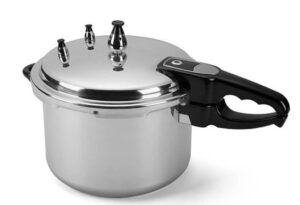
Oh, this is such a great question, and it’s something I’ve spent a lot of time figuring out in my own kitchen. When you’re trying to figure out how to reduce liquid in pressure cooker recipes, it really comes down to a few key strategies, both before you even close the lid and right after the cooking cycle finishes. Think of it like a dance between knowing your ingredients and using your cooker’s features smartly.
Start Smart: Before You Cook
- Measure Less Water: This sounds obvious, right? But it’s genuinely the first step. Pressure cookers retain almost all the moisture. So, if a traditional recipe calls for, say, 4 cups of broth, try starting with 2 to 2.5 cups in your pressure cooker. Foods don’t evaporate liquid the same way they do on the stovetop. I’ve learned to drastically cut down liquid amounts.
- Consider Your Ingredients’ Water Content: This is a big one! Vegetables like mushrooms, zucchini, onions, and even chicken or fish release a lot of their own moisture as they cook. If your recipe is packed with these, you’ll need even less added liquid. For instance, when I make a big pot of chicken and vegetables, I often add just half a cup of liquid, knowing the veggies will contribute plenty.
- Thickeners (But Be Careful!): Generally, you don’t add thickeners like flour or cornstarch *before* pressure cooking. They can actually interfere with the pressure build-up or even scorch at the bottom. The exception might be small amounts of tomato paste or pureed vegetables that naturally thicken. But for true thickening, save it for later.
- Recipe Adjustments: If you’re adapting a conventional recipe, always assume you’ll need at least 20-30% less liquid, sometimes even 50% less, depending on the ingredients. It’s better to start with slightly less; you can always add more later, but it’s harder to take it away.
Finish Strong: After Pressure Cooking
- Use the Sauté Function: This is my go-to trick for reducing liquid in my pressure cooker! Once your food is cooked and the pressure is released, simply remove the lid and switch your pressure cooker to the “sauté” or “sear” setting. Let it simmer gently, stirring occasionally, until the liquid reduces to your desired consistency. This works wonderfully for curries, stews, and sauces. I often do this for 5-10 minutes, and it makes a huge difference.
- Natural Release (NPR): If your recipe allows, opting for Natural Pressure Release (NPR) rather than Quick Release (QR) can help a bit. During NPR, the cooker stays hot for longer, allowing some of the steam and liquid to continue evaporating slowly within the sealed pot. It’s not a dramatic reduction, but every little bit helps.
- Add a Slurry (Post-Cooking): If you’re still faced with too much liquid after sautéing, you can make a quick slurry. Mix a tablespoon of cornstarch (or arrowroot powder) with an equal amount of cold water in a small bowl until smooth. Stir this into your simmering sauce a little at a time until it thickens. Remember, a little goes a long way!
- Remove Lid and Simmer: If your cooker doesn’t have a sauté function, or if you prefer, you can simply transfer your food to a regular pot on the stovetop and simmer it uncovered until the liquid reduces. It’s an extra step, but sometimes necessary for that perfect texture.
My best advice? Don’t be afraid to experiment! Start with less liquid, pay attention to your ingredients, and always be ready to use that sauté function. Soon, you’ll intuitively know exactly how to reduce liquid in pressure cooker recipes for perfect results every time.
Reducing excess liquid in your pressure cooker really transforms your meals from watery to wonderful. By using these simple, practical strategies, you’ll gain confidence and consistently create dishes with ideal textures and rich flavors. Happy pressure cooking!