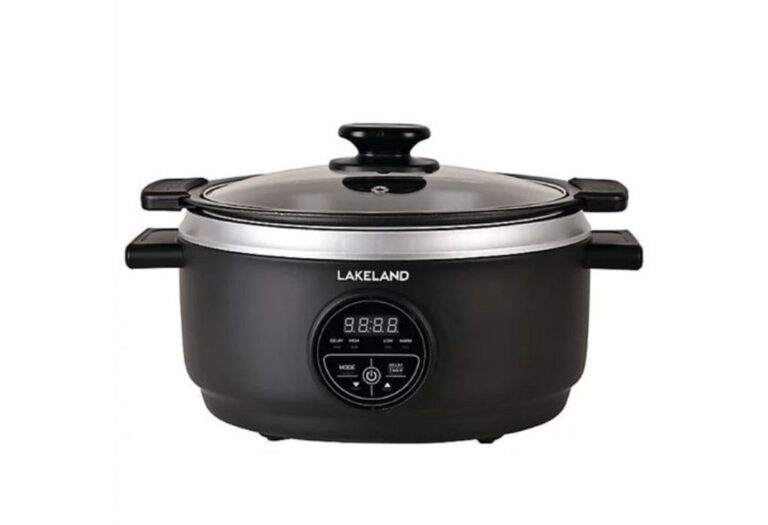
Achieving a perfectly thick sauce in your slow cooker requires strategic liquid management. Reduce initial liquid amounts in your recipes, as slow cookers don’t allow much evaporation, preventing natural thickening. For a luscious finish, consider adding thickening agents like cornstarch or flour slurries during the last hour, or transfer the sauce to a stovetop for a quick simmer and reduction post-cooking.
Ever pulled the lid off your slow cooker, excited for a cozy, flavorful meal, only to find your delicious stew or chili swimming in a sea of thin, watery sauce? Trust me, you’re not alone! It’s a super common slow cooker predicament. But don’t despair – learning how to effectively reduce liquid in slow cooker recipes is actually quite simple once you know a few tricks. You can absolutely achieve those rich, thick sauces you dream of!
The beauty of a slow cooker is its ability to tenderize food and meld flavors over hours, but that sealed environment means very little liquid evaporates. This often leads to an excess of moisture. Luckily, with a few adjustments and clever techniques, you can easily thicken things up. Let’s dive into how you can transform your watery dishes into perfectly saucy masterpieces.
How Can I Effectively Reduce Liquid in My Slow Cooker for Richer, Thicker Sauces?

It’s a question I get asked all the time, and honestly, it used to be my biggest slow cooker frustration too! But over the years, I’ve picked up some fantastic tips that make a huge difference. Here’s my comprehensive guide, packed with personal experiences, on how to truly reduce liquid in slow cooker meals and get those amazing, thick sauces we all crave:
- Start with Less Liquid Than You Think You Need: This is often the first, most impactful step. Traditional stove-top recipes need a lot of liquid because it evaporates. Slow cookers? Not so much. My rule of thumb is to cut the recommended liquid in a conventional recipe by about a third to a half when adapting it for the slow cooker. For example, if a recipe calls for two cups of broth, I’ll often start with just one or one and a quarter cups. Remember, meat and vegetables release their own moisture as they cook, adding to the overall liquid content. This simple change alone can drastically help to reduce liquid in slow cooker dishes.
- Use Thickeners, But Add Them Strategically: This is my go-to secret weapon for perfecting consistency. Adding thickeners too early can make your sauce gummy or cause ingredients to stick. Instead, wait until the last 30-60 minutes of cooking.
- Cornstarch Slurry: This is my favorite! For every cup of liquid you want to thicken, whisk together 1 tablespoon of cornstarch with 1 tablespoon of cold water until smooth. Stir this slurry into your slow cooker, turn the setting to high if possible, and cook for another 30-60 minutes, or until the sauce thickens to your liking. It creates a beautiful, glossy finish. I once rescued a very watery beef stew with this trick, and it turned out wonderfully rich!
- Flour Slurry/Roux: While cornstarch is quicker, a flour slurry (2 tablespoons flour whisked with 2 tablespoons cold water) or even a quick roux (equal parts butter and flour cooked on the stovetop) can also work. Add it the same way as cornstarch. It might give a slightly cloudier finish but works effectively to reduce liquid in slow cooker preparations.
- The “Vent the Lid” Trick for Evaporation: Sometimes, especially towards the end of cooking, you just need a little evaporation. In the last hour or so, try propping the lid slightly ajar with a wooden spoon. This creates a small gap for steam to escape, allowing some of the excess liquid to evaporate without drying out your food. I’ve used this many times for chili that was a touch too soupy, and it really helps to naturally reduce liquid in slow cooker meals.
- Embrace Absorbent Vegetables and Grains: Adding starchy vegetables like potatoes, sweet potatoes, or even lentils and barley can naturally absorb some of the excess liquid in your slow cooker meal. Just be mindful that these also add bulk, so adjust your recipe accordingly. I often throw in an extra potato if I notice too much liquid forming, and it always helps soak up the extra moisture.
- Reduce Liquid on the Stovetop (My Secret Weapon for Perfection!): If your meal is cooked, but the sauce is still too thin, don’t fret! This is my ultimate hack for guaranteed success. Carefully scoop out some of the excess liquid from the slow cooker and transfer it to a saucepan on your stovetop. Bring it to a boil and let it simmer, uncovered, for 5-15 minutes, stirring occasionally, until it reduces and thickens to your desired consistency. You can even add a cornstarch slurry to this reduced liquid for extra oomph. Then, pour the thickened sauce back into your slow cooker. This method gives you complete control and is foolproof for how to reduce liquid in slow cooker sauces to absolute perfection.
You see? Getting that perfect, thick sauce from your slow cooker isn’t a dark art. It’s about understanding how your appliance works and having a few clever techniques up your sleeve. By trying these tips, whether it’s cutting back on initial liquid or using a stovetop reduction, you’ll be able to confidently reduce liquid in slow cooker recipes and enjoy wonderfully rich, flavorful meals every time. Happy cooking!