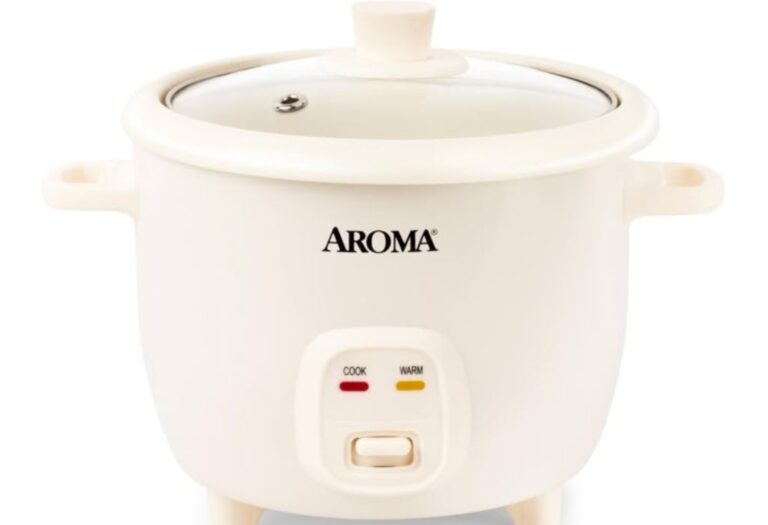
Dealing with rust in your rice cooker pot can be frustrating. It’s a common problem, especially for those new to cooking or with older appliances. Rust can make you worry about your food and how safe it is. Don’t stress! You’re in the right place. We’ll explore exactly how to remove rust from rice cooker pot in a way that’s easy to follow. Get ready for a simple, step-by-step solution to get your pot looking good as new. Next, we will cover all the steps.
Understanding Why Rust Happens in Your Rice Cooker
Rust, in simple terms, is the reddish-brown substance that forms on iron when it’s exposed to oxygen and moisture. This is a form of corrosion, and in the case of your rice cooker pot, it’s often caused by a combination of factors. The constant presence of water from cooking rice, combined with the heat, can speed up the rusting process. Even if you dry your pot after each use, small amounts of moisture can linger. Some pots might have a less durable coating that wears away over time, exposing the underlying metal and making it more susceptible to rust. Additionally, certain foods, or even tap water with high mineral content, can contribute to the formation of rust. When you see rust, it’s a sign that the iron in the pot is reacting with its surroundings. The good news is that there are many ways to resolve this issue and restore your cooker to its prime condition.
Common Causes of Rust Formation
Several factors can lead to rust developing in your rice cooker pot. Knowing these will help you prevent rust from forming in the future. Here’s a breakdown:
- Moisture Exposure: The most significant factor is the consistent presence of water. Cooking rice involves a lot of water, and some of it always remains in the pot after use, even after washing. If the pot isn’t dried properly, the moisture promotes rust.
- Damage to the Protective Coating: Many rice cooker pots have a non-stick coating to prevent food from sticking. Scratches, chips, or general wear and tear on this coating can expose the metal beneath. Once the metal is exposed, rust can easily form.
- High Mineral Content in Water: The water you use can also play a role. If your tap water has a high mineral content, such as iron, it can speed up the rusting process. These minerals can react with the metal of the pot, accelerating corrosion.
- Improper Cleaning Techniques: Using harsh cleaners or abrasive scrubbing pads can damage the pot’s protective coating. When this protective layer is damaged, the bare metal becomes more susceptible to rust.
The constant exposure to moisture during the cooking process is a primary contributor to rust. Any water left in the pot after cooking can react with the metal, particularly if the protective coating is compromised. This interaction initiates the oxidation process, leading to rust formation over time. The longer the moisture remains, the more quickly rust can develop and spread.
The non-stick coating on your rice cooker pot serves as a protective barrier. If you use metal utensils, harsh scrubbing, or abrasive cleaners, you can damage this coating. When the coating is gone, the underlying metal is vulnerable to corrosion. Regularly inspecting the pot for damage and taking care when cleaning can help prolong the life of the coating and prevent rust.
The water you use for cooking can significantly impact the pot’s condition. Water that is hard or has a high mineral content may quicken the process. If you notice a high mineral content, you may want to consider using filtered water to help prevent rust formation in the long run.
The cleaning methods used play a vital role in preventing rust. Harsh cleaners or abrasive scrubbing pads can damage the protective coating. Gentle washing and avoiding abrasive tools will help keep your pot in good shape. It’s also crucial to ensure the pot is completely dry before storing it.
Methods for Removing Rust from Your Rice Cooker Pot
Now, let’s explore the best ways to get rid of rust. We’ll start with gentle, home remedies. Then, we will look at more advanced solutions. Following these simple steps, you can return your pot to its original shape.
Using Vinegar to Remove Rust
Vinegar is a kitchen staple and a great rust remover. The acetic acid in vinegar helps dissolve rust. It’s a mild method, perfect for pots with light to moderate rust. This is a safe and effective approach that you can do with items you probably already have at home. This method will require some patience, but it will deliver results. Remember to always rinse the pot very well after using vinegar.
- Soaking the Pot: Pour enough white vinegar into the pot to cover the rusted areas. Make sure the entire rusted spot is submerged in the vinegar.
- Allowing it to Sit: Let the pot soak in the vinegar for several hours, or even overnight. The longer it sits, the more effective the vinegar will be at dissolving the rust.
- Scrubbing and Rinsing: After soaking, scrub the rusted areas with a soft sponge or cloth. For stubborn rust, you can use a paste of baking soda and vinegar. Rinse the pot thoroughly with water and dry it completely.
Ensure that all rusted spots are submerged by pouring enough white vinegar into the rice cooker pot. This ensures that the vinegar can work its magic on the rusted regions. This also allows the vinegar to dissolve the rust and start the cleaning process. If there are areas above the vinegar, it’s possible that those parts will remain unaffected.
Giving the vinegar enough time to work is important, so let the pot soak for several hours or even overnight. This gives the vinegar the time needed to break down and dissolve the rust effectively. Soaking allows the acetic acid to react with the rust, weakening its bonds and making it easier to remove. The soaking process should soften the rust and make cleaning easier.
After the pot has soaked, it’s time to scrub. Gently scrub the rusted areas with a soft sponge or cloth. The rust should come off easily after soaking. If any rust remains, mix baking soda and vinegar to create a paste and apply it to the stubborn spots. After cleaning, rinse the pot thoroughly. Proper rinsing and drying ensure that no vinegar remains, which could affect the taste of your next meal.
Using Baking Soda and Water
Baking soda is another great option, and it’s also very gentle. When mixed with water, it forms a paste that can be used to scrub away rust. Baking soda is a mild abrasive, so it’s effective without damaging the pot’s surface. This approach is very easy to do, and you likely already have these ingredients.
- Making the Paste: Mix baking soda with water to create a thick paste. The consistency should be similar to toothpaste.
- Applying the Paste: Apply the paste to the rusted areas of the pot. Make sure to cover the spots completely with the baking soda mixture.
- Scrubbing and Rinsing: Use a soft sponge or cloth to scrub the paste into the rust. Rinse the pot with water and dry it completely.
The first step is making a paste that will work on the rust. Mix baking soda with water to create a thick paste. The right consistency is important for the paste to be effective, so add water gradually until it’s similar to toothpaste. This thick paste is the key to removing the rust.
Once you’ve made the paste, cover the rusted spots entirely. This ensures that the baking soda has maximum contact with the rust. Covering the rust spots helps loosen and remove the rust.
Gently scrub the areas where the paste has been applied, using a soft sponge or cloth. Scrubbing helps loosen the rust and remove it from the pot. After scrubbing, rinse thoroughly to remove all traces of baking soda and rust. Remember to dry the pot completely.
Using Lemon Juice and Salt
Lemon juice and salt work together as a gentle abrasive and acid cleaner. The salt provides the scrubbing power, while the lemon juice helps dissolve the rust. This method is effective and uses natural ingredients. It is also safe and simple.
- Applying Salt: Sprinkle salt over the rusted areas. The salt will act as a gentle abrasive.
- Adding Lemon Juice: Squeeze lemon juice over the salt. Let the mixture sit for a few hours. The lemon juice’s acidity will help dissolve the rust.
- Scrubbing and Rinsing: After a few hours, scrub the area with a soft cloth or sponge. Rinse thoroughly and dry the pot completely.
Sprinkling salt evenly across the rusted areas is the first step. The salt creates a surface that helps with scrubbing. The salt will help remove the rust gently. Make sure you cover the areas entirely.
Squeeze fresh lemon juice over the salt-covered areas. The acidity in lemon juice will start breaking down the rust. Let the mixture sit for a few hours, allowing the lemon juice to react with the rust and loosen it.
After a few hours, start scrubbing. A soft cloth or sponge is ideal for this step. As you scrub, the rust should lift away from the pot. When all the rust is removed, rinse the pot to get rid of any residue. After rinsing, it’s essential to dry the pot entirely to stop rust from returning.
Preventing Rust in Your Rice Cooker Pot
Preventing rust is easier than removing it. Here are some key tips to keep your rice cooker pot in top shape. By following these steps, you can help protect your rice cooker pot.
Proper Drying Techniques
The most important step in preventing rust is drying your rice cooker pot thoroughly. Ensuring your pot is dry after each use is a simple but effective measure. Always give your pot a thorough drying after each use. This will prevent rust from forming in the first place.
- Washing and Drying Immediately: After each use, wash and dry the pot right away. Do not leave the pot wet or dirty for any amount of time.
- Wiping with a Clean Cloth: After washing, wipe the entire pot with a clean, dry cloth. Make sure you get into all the nooks and crannies to remove all the water.
- Air Drying if Necessary: If you want to make extra sure it’s dry, let the pot air dry for a while after wiping. This will ensure any remaining moisture evaporates.
The best time to clean the pot is after you’ve used it. Don’t leave any leftover rice in the pot. By doing this, you remove all food residue and keep the pot from rusting. This simple act can prevent rust.
Wiping the pot with a clean cloth is important. Ensure there is no moisture left. A clean, dry cloth is important to remove all moisture. This step is critical to rust prevention.
After wiping, let the pot air dry for a short time. This lets any remaining moisture evaporate. This is a good step to ensure the pot is completely dry.
Using Proper Cleaning Agents
The cleaner you use can also have an impact. Using gentle cleaners will help keep the pot’s surface intact. Avoid abrasive cleaners, and make sure to rinse away all traces of soap. Make sure you select the proper cleaning products to prevent rust.
- Avoid Abrasive Cleaners: Don’t use harsh or abrasive cleaners that can damage the pot’s surface. These cleaners can wear down the protective coating.
- Use Mild Dish Soap: Gentle dish soap is usually enough to clean your pot effectively without damaging it.
- Rinse Thoroughly: Always rinse the pot thoroughly to remove any soap residue. Soap can sometimes cause problems.
Harsh cleaners can scratch or wear down the protective layer on your pot. These types of cleaners can also make the pot more vulnerable to rust. Consider using mild dish soap.
Mild dish soap works great and will keep your pot safe. Mild soaps can remove food residue without scratching the pot. These soaps are suitable for everyday cleaning.
Rinsing thoroughly is very important. Soap residue can contribute to corrosion. Make sure that you rinse all soap, to prevent any issues.
Protecting the Pot’s Surface
Protecting the surface of your pot can help prevent rust. Protect the pot with a new coating, or consider a liner to protect the surface. The protective layer is key. This will help you keep the pot in great condition.
- Non-Stick Coating Care: Be extra careful to avoid scratching the non-stick coating. Use only plastic or wooden utensils.
- Consider a Pot Liner: If rust is a recurring problem, you can use a pot liner. These liners can create a barrier.
- Inspect Regularly: Check your pot regularly for any signs of damage or wear and tear. Address any issues as soon as possible.
Be careful of scratching the non-stick coating. Use non-scratching utensils to protect the pot. Also, do not use metal utensils.
If you’re still having issues, consider using a pot liner. This creates a barrier between the food and the pot. It helps protect the pot from rust.
Check your pot for any signs of damage. Any scratches or areas without a coating should be addressed quickly. This will protect the pot.
Water Quality Considerations
The water you use can affect rust formation. Consider using filtered water to help reduce the mineral content. This might help, especially if you have hard water. Choosing the right kind of water is important.
- Use Filtered Water: If you have hard water, consider using filtered water for cooking. This can help reduce the mineral content.
- Monitor Water Hardness: Monitor the hardness of your water. If your water is hard, you’ll need to take extra precautions.
- Clean Regularly: Clean your rice cooker pot regularly to prevent mineral buildup, which can contribute to rust.
If your tap water has a high mineral content, filtered water can help. The lower mineral content will reduce the chances of rust.
Water hardness can speed up rust formation. Monitor the hardness of your water. Use filtered water or other solutions to help with water hardness.
Clean your pot regularly to avoid mineral buildup. A buildup of minerals can cause problems. Regular cleaning will keep the pot in great condition.
Frequently Asked Questions
Question: Is it safe to use a rice cooker pot with rust?
Answer: It’s best to remove rust from your rice cooker pot. Small amounts of rust are unlikely to cause serious harm, but it’s not ideal. Rust can affect the taste of your food and it’s a sign that the metal is corroding. Removing the rust ensures your food stays safe and your appliance lasts longer.
Question: Can I use steel wool to remove rust?
Answer: It’s generally not recommended to use steel wool. Steel wool is very abrasive and can scratch the non-stick coating. This can make the pot more prone to rust. It’s better to use a soft sponge or cloth and gentle cleaning agents.
Question: How often should I clean my rice cooker pot?
Answer: Clean your rice cooker pot after every use. This removes any leftover food and prevents rust. Thorough cleaning will remove all food residue and keep the pot fresh. Routine cleaning is essential for maintaining your rice cooker.
Question: What if the rust is very bad?
Answer: If the rust is severe, and the cleaning methods don’t work, the pot may be too damaged. If the rust is widespread and deep, it might be time to replace the pot or the entire rice cooker. Deep rust indicates significant corrosion, and using the pot could become unsafe.
Question: Can I put my rice cooker pot in the dishwasher?
Answer: Generally, it’s not recommended to put your rice cooker pot in the dishwasher. Dishwashers can use harsh detergents and high heat, which can damage the pot’s non-stick coating. Always check your rice cooker’s manual for specific cleaning instructions.
Final Thoughts
You’ve learned how to remove rust from rice cooker pot with some straightforward methods. Using vinegar, baking soda, and lemon juice with salt are effective, and easy to do. Remembering to dry the pot thoroughly after each use and protecting its surface are important steps to prevent rust. By following these steps, you can keep your rice cooker pot in great shape, ensuring your food stays safe and tastes delicious. Be consistent with your cleaning and drying routine, and you’ll keep your appliance in excellent condition for a long time. You’ve got this!

I’m Emma J. Caldwell, the founder, lead writer, and home-cooking enthusiast behind KitchenGuideCo.com. With a background in culinary arts and over a decade of cooking experience in both professional and personal kitchens, I created this platform to demystify recipes, offer smart kitchen gadget reviews, and guide readers through meal prep with confidence and clarity.