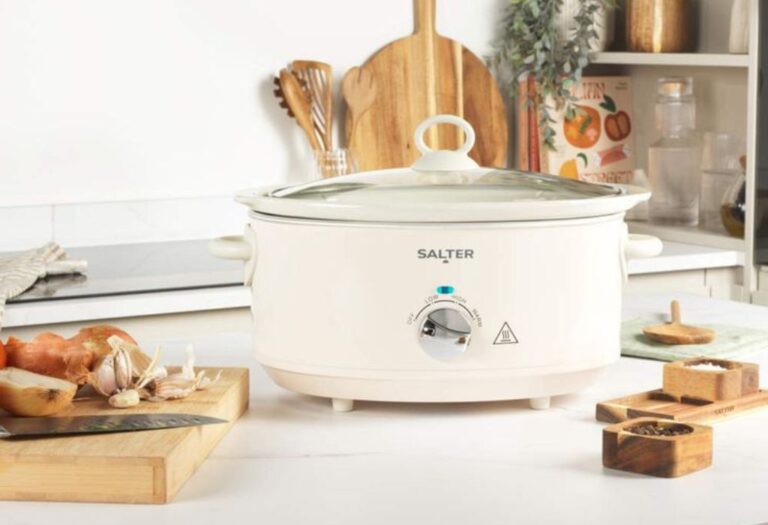
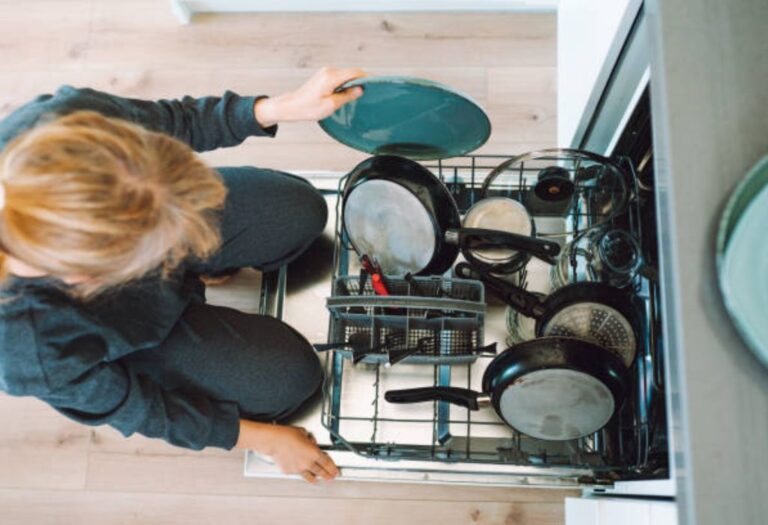
If you’re new to slow cooking, you might have noticed a lingering odor even after washing your appliance. Knowing how to remove slow cooker smell is a common challenge for beginners. Don’t worry, it’s a simple problem with easy solutions! This guide will walk you through step-by-step methods to get your slow cooker smelling fresh and ready for your next culinary creation. Get ready to say goodbye to unwanted scents and hello to delicious meals.
Understanding Why Slow Cookers Smell
Slow cookers, though simple to use, can trap odors easily. This happens because the porous materials in the cooker absorb smells from the foods you cook. Proteins, fats, and spices leave behind tiny particles that linger. Over time, these particles accumulate, causing that persistent, unwanted odor. Even after washing, some smells remain. Another factor is the high heat involved in the slow cooking process; it can cause food remnants to bake onto the surface, intensifying the odor. The lid, which can trap steam and odors, is another area where smells can be absorbed. It’s crucial to address this problem to ensure your meals taste their best and your appliance remains hygienic. Knowing the cause is the initial step to solving the problem.
Common Culprits Behind Slow Cooker Odors
Several factors contribute to those lingering smells. Understanding these is important for preventing and removing them. Remember that regular cleaning after each use is the primary method to control the odor. The build-up of food particles, the type of food cooked, and the materials used in the slow cooker all contribute to smell issues. Furthermore, the frequency of use and proper storage practices play a significant role. These things combine to determine the intensity of the unpleasant odors. Knowing these factors will help you choose the best methods to eliminate these scents.
- Food Residue: Small particles of food, especially those rich in fats and proteins (like meat or sauces), can stick to the cooker’s surface. These remnants break down during cooking and get baked onto the ceramic or other materials.
This baked-on residue can result in stubborn odors. - Specific Ingredients: Some foods are more prone to causing strong smells than others. Garlic, onions, and certain spices (like curry or chili powder) can leave potent odors behind. The intensity of these aromas can linger longer, even after cleaning. These ingredients have strong volatile compounds that get absorbed.
- Material Absorption: The ceramic insert in a slow cooker, while generally non-stick, is porous. This porosity allows it to absorb odors over time. Even if you clean it, some smells can stay trapped within the material. The lid of the slow cooker, made of glass or plastic, can also absorb the food smells.
- Improper Cleaning: Insufficient cleaning after each use can lead to the build-up of food particles, causing the smell to worsen over time. This includes not just the inner pot but also the lid and the outer shell. Simply rinsing may not be enough.
Proper cleaning helps to get rid of food particles.
Preventing Odors Before They Start
Prevention is better than a cure, and this is true when it comes to slow cooker smells. By adopting some simple practices, you can minimize the chances of odors developing in the first place. Proper cleaning and taking care of the slow cooker after each use will help to keep the smells to a minimum. Remember that small steps make a big difference in maintaining a fresh-smelling appliance. These steps should be a part of your regular cooking routine. It’s also worth noting that regular cleaning extends the life of your appliance.
- Immediate Cleaning: Always clean your slow cooker immediately after each use. Don’t let food residue sit overnight. This stops the residue from hardening and absorbing into the cooker’s materials. Waiting even a few hours can make cleaning harder and increase the chances of persistent smells.
- Lid Care: Wash the lid thoroughly after each use. Make sure you get rid of all food particles and condensation that may have accumulated. This stops the lid from absorbing smells. Regularly check the lid for cracks. Replace the lid if needed.
- Use Liners: Consider using slow cooker liners. These disposable bags fit inside your slow cooker and act as a barrier between the food and the cooker’s surface. They are easy to use and can minimize cleanup. This can dramatically decrease the absorption of smells by the ceramic.
- Proper Storage: When the slow cooker is not in use, ensure it’s completely dry and stored with the lid slightly ajar. Storing the slow cooker in a well-ventilated location helps prevent moisture from building up and causing odors. This ensures that any remaining moisture can evaporate.
Methods for Getting Rid of Slow Cooker Smell
When you’re facing a stubborn slow cooker smell, don’t worry – there are many effective methods to get rid of it. From common household items to dedicated cleaning agents, various options can effectively eliminate those unwanted odors. These methods range from simple solutions you can find in your kitchen to more specialized products designed for appliance cleaning. The key is to choose the method that best suits your needs and the intensity of the smell. Remember that persistent odors might require a few attempts or a combination of methods. Patience and consistency are your best friends here.
The Baking Soda and Water Method
Baking soda is a natural deodorizer and a safe choice for cleaning appliances. This method is effective for neutralising a wide variety of odors. Baking soda helps remove lingering smells without using harsh chemicals. It is a cost-effective and environmentally friendly way to freshen your slow cooker. The baking soda absorbs the smells. By following these steps, you can refresh your slow cooker without using harsh chemicals.
- Prepare the Mixture: Fill the slow cooker with a mixture of water and baking soda. The ratio should be about 2-3 tablespoons of baking soda per quart of water. This creates a mild alkaline solution that can effectively neutralize odors. Mix it well to help the baking soda dissolve.
- Simmer for a While: Turn on the slow cooker to a low or medium setting and let the mixture simmer for 2-3 hours. The heat will help release the baking soda’s deodorizing properties. The steam from the solution penetrates all areas of the slow cooker. This helps get rid of absorbed odors.
- Cool and Rinse: After simmering, turn off the slow cooker and let it cool completely. Carefully pour out the baking soda solution. Rinse the slow cooker thoroughly with clean water. Make sure to get rid of any residue. This stops the baking soda from leaving a film.
- Dry and Test: Allow the slow cooker to air dry completely before using it again. You can also wipe it down with a clean cloth. Give it a sniff test to check for any remaining odor. If needed, repeat the process. This method helps to ensure your slow cooker is ready for its next meal.
The Vinegar and Water Treatment
Vinegar is a powerful natural cleaning agent that’s great at eliminating odors and cutting through grease. Its acidic nature makes it effective at breaking down food particles. Vinegar also has disinfectant properties, making it great for cleaning. This is an efficient way to get rid of lingering smells in your slow cooker. This method offers an affordable and safe cleaning solution.
- Prepare the Vinegar Solution: Combine equal parts of white vinegar and water in your slow cooker. For example, use one cup of vinegar and one cup of water. Vinegar is safe and very good at removing odors. It is a natural cleaner that is effective without strong chemicals.
- Heat and Steam: Turn on the slow cooker to a low setting and allow the mixture to simmer for 1-2 hours. The steam from the vinegar solution will help to lift odors. Make sure the vinegar and water solution covers the inside of the slow cooker. Steam is very effective at getting rid of odors.
- Cool and Wash: Let the slow cooker cool down completely. Carefully pour out the vinegar solution and rinse the slow cooker thoroughly with clean water. Make sure to remove any remaining vinegar scent. This step is important to ensure that no vinegar smell is left behind.
- Air Dry: Allow the slow cooker to air dry completely. You can also wipe it with a clean cloth. Check the appliance for any remaining odors. If the smell persists, you might need to repeat the process. This ensures your slow cooker is odor-free and ready to use.
Using Lemon or Citrus Fruits
Lemons and other citrus fruits are naturally fragrant and acidic, making them an excellent choice for removing odors. Their fresh scent can eliminate unpleasant smells. The citric acid is also effective at cutting through grease and food residue. It’s a natural and refreshing option for cleaning. It’s a method that leaves your slow cooker smelling great. This method not only cleans but also adds a fresh scent.
- Prepare the Citrus Solution: Slice one or two lemons or use the juice of several citrus fruits like oranges or limes. Place the lemon slices or juice in the slow cooker and add water to cover the inside. The citrus fruits will create a fresh aroma. The citrus can work well at eliminating smells.
- Simmer the Mixture: Turn on the slow cooker to a low setting and let the citrus and water mixture simmer for 2-3 hours. The heat helps release the citrus oils. These oils have natural cleaning properties. The steam created will also help to loosen food particles.
- Cool, Rinse, and Dry: Turn off the slow cooker and allow it to cool down completely. Discard the citrus slices and the water. Rinse the slow cooker thoroughly with clean water to get rid of any remaining residue. Let it air dry or wipe it with a clean cloth.
- Test and Repeat: After the slow cooker has dried, give it a sniff test to check for any lingering smells. If the odor is still present, you might need to repeat the process. This method ensures that your slow cooker is left fresh and clean, ready for its next use.
Commercial Slow Cooker Cleaners
For tougher smells or when natural methods aren’t enough, commercial slow cooker cleaners can be effective. These cleaners are designed to handle persistent odors and stubborn food residue. They contain specialized formulas with cleaning agents that effectively break down and remove smells. These products are usually very easy to use. Commercial cleaners offer a convenient, efficient solution for odor removal.
- Follow Instructions: Always read and follow the instructions on the product label. The method will vary depending on the cleaner. This includes dilution ratios, application methods, and recommended contact times. This is key for getting the best results and preventing damage to your appliance.
- Safe Handling: Wear gloves and work in a well-ventilated area. Most cleaners contain chemicals. Be cautious when handling. Also, keep the cleaner away from children and pets. This ensures your safety while using these products.
- Thorough Rinsing: After using a commercial cleaner, rinse the slow cooker thoroughly with clean water. Make sure you remove all traces of the cleaner. This is important to ensure there is no chemical residue left behind. Always follow the manufacturer’s directions for rinsing.
- Test Run: Before using the slow cooker for food again, it is best to do a test run with water. This can help to remove any residue and confirm that the smell is completely gone. This helps to avoid any potential contamination of your meals. This step ensures that your slow cooker is clean and ready.
Deep Cleaning the Lid
The lid of your slow cooker is another spot where odors can accumulate. Regular cleaning of the lid is key to keeping your appliance fresh and odor-free. The lid absorbs smells. Washing the lid, whether it’s glass or plastic, will help in this respect. You can also use methods similar to the ones you’d use on the cooker’s ceramic insert. Making the lid clean will improve the overall freshness of your appliance.
- Manual Washing: Wash the lid with warm, soapy water after each use. Use a soft sponge or cloth to get rid of food residue. Pay attention to any edges and seals where smells might trap. Proper cleaning ensures that food particles do not accumulate on the surface.
- Vinegar Soak: For persistent odors, soak the lid in a solution of vinegar and water. Use a ratio of equal parts vinegar and water. This is good for breaking down odors. Make sure the lid is completely submerged. Allow it to soak for about 30 minutes, then rinse.
- Baking Soda Paste: Make a paste using baking soda and water. Apply this paste to the lid. Allow it to sit for a while, then scrub gently. Baking soda helps absorb odors. Rinse the lid. Then make sure you get rid of any residue.
- Steam Cleaning: You can also steam clean the lid. Put the lid into a pot of boiling water for a few minutes. Make sure to handle it with care. The steam helps release trapped odors. Let the lid cool, and then wipe it dry.
Advanced Methods and Troubleshooting
If the standard cleaning methods don’t get rid of the odor, you might need to try more advanced techniques. Persistent smells might be due to a particularly tough residue. Understanding how to approach these stubborn problems ensures that your slow cooker is restored to its fresh condition. These advanced approaches are for smells that won’t go away.
Dealing With Stubborn Odors
Sometimes, despite your best efforts, odors can be persistent. Dealing with stubborn odors needs patience and persistence. Combining various cleaning techniques and making sure you follow the directions is the key to getting it right. Remember that it might take several attempts to fully eliminate the smell. This ensures the best results.
- Extended Soaking: For stubborn smells, let the cleaning solution sit in the slow cooker for a longer time. The vinegar and baking soda solutions are usually effective. Letting the solutions sit for a longer time can get rid of the odor. Make sure to follow the safety directions.
- Multiple Treatments: It may be necessary to repeat the cleaning method several times. This is especially true if the odor is from a strong-smelling food. Repeating the cleaning is important for getting rid of the smells. Try different methods.
- Deep Cleaning Agents: Consider using a commercial cleaner designed for slow cookers. These cleaners can break down stubborn residue. Carefully follow the directions on the product label. Make sure you rinse the cooker well after using any commercial cleaner.
- Professional Cleaning: In the event that the smell remains, you might need to think about getting professional cleaning. These experts have the equipment and experience to get rid of deeply set-in odors. They can make sure your appliance is completely fresh.
When to Consider Replacing Your Slow Cooker
While most odors can be eliminated, there may be times when it’s best to consider replacing your slow cooker. This is especially true if the smell is combined with other problems, such as damage to the appliance. Making the right decision can improve your cooking experience and safety. These signs can help you make an informed decision.
- Persistent Odor: If, despite repeated cleaning attempts, the smell does not go away, this could be a sign that the smell is trapped within the cooker’s materials. This is an indicator that your slow cooker may need to be replaced. Constant odors can affect the taste of your food.
- Damage to the Insert: Cracks, chips, or other damage to the ceramic insert can trap odors. Damage can allow food particles and odors to penetrate. If the insert is damaged, the cooker may not be safe to use. Then, it might be better to get a new slow cooker.
- Deterioration of Materials: Over time, the materials of the slow cooker can degrade. This can result in increased odor absorption. If you see signs of wear and tear, this may signal the need for replacement. This makes sure that your meals are safe and that the cooker works well.
- Safety Concerns: If the appliance poses a safety risk, such as electrical issues, it’s vital to replace it. A faulty slow cooker could lead to injury. Always give priority to safety when making decisions about your appliances.
Real-Life Example: Dealing with a Fish Odor
Imagine you cooked fish in your slow cooker, and now the lingering smell of seafood has taken over. Fish odors can be very strong and challenging to get rid of. Follow these practical steps to remove the fishy smell and restore your cooker. In this situation, the intensity of the smell requires a more detailed approach.
- Initial Cleaning: After the fish cooking, start by washing the cooker and lid right away with warm, soapy water. Use a non-abrasive sponge. Make sure to remove any food particles. This should be the first step to prevent the odor from setting in.
- Vinegar Treatment: Fill the slow cooker with a mixture of equal parts of white vinegar and water. Set it to low and let it simmer for about 2 hours. The vinegar helps to break down the fish oils. After simmering, let the cooker cool.
- Baking Soda Paste: Create a baking soda paste with water. Apply it to the interior of the cooker and let it sit for about an hour. Baking soda can get rid of strong odors. Rinse the cooker thoroughly after.
- Citrus Rinse: After rinsing out the baking soda, use lemon or orange slices with water to simmer for another 2 hours. Citrus fruits can neutralize strong odors. This step adds a fresh scent to the appliance.
- Thorough Drying: Let the slow cooker air dry completely. Smell to see if any fish odor remains. Repeat any steps if needed. If the smell remains persistent, consider a commercial cleaner.
Slow Cooker Odor Case Study Results
Here’s an example of how cleaning methods can have very different effects. Let’s look at a case study of a slow cooker with a strong garlic odor that persisted after several washes. This demonstrates the impact of different cleaning methods. The results show the value of trying different approaches. The process provides evidence for cleaning strategies.
| Method | Result | Notes |
|---|---|---|
| Warm Water and Soap | Minimal Improvement | Ineffective against strong garlic odors. |
| Vinegar and Water (1 hour) | Moderate Improvement | Reduced the garlic smell but did not eliminate it completely. |
| Baking Soda Paste (3 hours) | Significant Improvement | Reduced the smell, but a slight garlic scent remained. |
| Citrus and Water (2 hours) | Complete Elimination | The citrus method eliminated the garlic smell and left a fresh scent. |
Frequently Asked Questions
Question: What’s the best way to clean the lid of my slow cooker?
Answer: Wash the lid with warm, soapy water after each use. For stubborn odors, soak it in a vinegar-water solution for about 30 minutes, then rinse well.
Question: Can I use bleach to remove odors from my slow cooker?
Answer: It’s best to avoid using bleach because it can damage the ceramic insert and leave a lingering chemical smell. Stick to natural alternatives like vinegar and baking soda.
Question: How often should I clean my slow cooker?
Answer: Clean your slow cooker immediately after each use. Remove food residue to keep odors from developing. Deep clean occasionally, depending on how often you use it.
Question: What if the odor persists after several cleaning attempts?
Answer: If the odor won’t go away, consider using a commercial slow cooker cleaner or the possibility of replacing the appliance, especially if the insert is damaged.
Question: Are slow cooker liners effective at preventing odors?
Answer: Yes, slow cooker liners can be effective because they create a barrier. This helps stop food from direct contact with the cooker, and therefore, it stops the odors.
Final Thoughts
Getting rid of lingering slow cooker smells doesn’t have to be a struggle. We explored several methods, from the basic baking soda and vinegar solutions to the benefits of citrus fruits and commercial cleaners. Regular cleaning after each use is the key to preventing odors. This helps to prevent smells from taking hold. If you do find yourself with a stubborn smell, don’t worry. Using the right techniques, such as a baking soda paste or a vinegar-water simmer, can often solve the problem. Remember, each appliance can be different. The most efficient way is a test of a few methods until the odor is gone. You can enjoy delicious, flavorful meals from your slow cooker. Keep experimenting until you find the perfect method for your needs. Happy cooking!

I’m Emma J. Caldwell, the founder, lead writer, and home-cooking enthusiast behind KitchenGuideCo.com. With a background in culinary arts and over a decade of cooking experience in both professional and personal kitchens, I created this platform to demystify recipes, offer smart kitchen gadget reviews, and guide readers through meal prep with confidence and clarity.