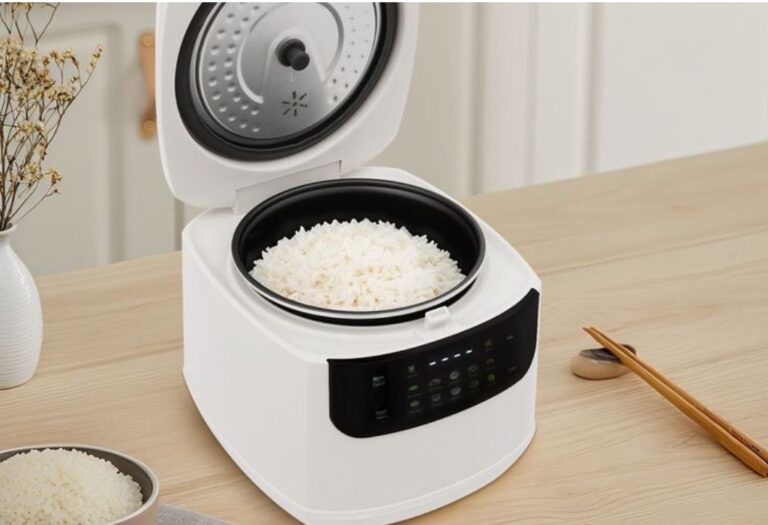
Smells lingering in your rice cooker? It’s a common problem, especially for people new to cooking rice. From burnt rice to other foods, various odors can stick around. Luckily, getting rid of that unwanted aroma doesn’t have to be hard. This guide explains exactly how to remove smell from rice cooker, providing easy steps and tips. Ready to restore that fresh rice smell? Let’s get started, and you will learn some easy solutions for a fresh-smelling rice cooker.
Understanding Why Rice Cookers Retain Odors
Rice cookers, designed for moist cooking environments, are prone to holding onto smells. The appliance traps steam and condensation during cooking, making it an ideal place for odors to linger. Different types of foods release various scents, with some rice varieties having stronger fragrances. Over time, these smells can build up, affecting the taste of your freshly cooked rice and making you wonder about removing them. This section will explore the key factors that contribute to this problem.
The Science Behind Smell Absorption
The interior of a rice cooker, especially the non-stick surfaces and the lid, can absorb odors. These smells are often caused by volatile organic compounds (VOCs) released by the cooked food. VOCs are tiny particles that float in the air and stick to surfaces. Materials like plastic and certain metals in your cooker have tiny pores that trap these compounds. High heat and humidity intensify this absorption process, making smells more persistent. Think of it like a sponge soaking up water, but in this case, the sponge is your rice cooker.
- Material Composition: Rice cookers are usually made from materials with varying levels of porosity, impacting how much odor they absorb.
- Heat and Humidity: The heat and humidity inside the cooker speed up the process of odor absorption.
- Food Types: Different foods release different smells, some more potent than others.
- Cleaning Frequency: Less frequent cleaning can mean more buildup of odors in your cooker.
Common Culprits of Rice Cooker Odors
Many things can cause unwanted odors in a rice cooker. Burnt rice is a frequent problem. Other foods, like stews or grains, can leave lasting traces. Strong spices and sauces contribute to stubborn scents. Even if you’re only cooking rice, any residue left behind can foster odor development. Regular cleaning and care are important to prevent buildup and maintain a fresh-smelling appliance. Knowing the usual suspects helps you take preventive action.
- Burnt Rice: The most common source, burnt rice creates a strong, lingering smell.
- Other Foods: Cooking anything other than rice can transfer smells to the cooker.
- Strong Spices: Spices and herbs used in cooking are major odor contributors.
- Improper Cleaning: Failure to clean your cooker thoroughly after each use accelerates odor build-up.
Factors Affecting Smell Persistence
Several factors can determine how long a smell remains in your rice cooker. How often you use it, how thoroughly you clean it, and the materials the cooker is made from all play a part. Older cookers and those with less durable materials might retain smells more easily. The type of food cooked and the cooking temperature also affect smell persistence. Taking these elements into consideration can help you get a handle on the problem. This can assist in improving the process of how to remove smell from rice cooker.
- Cooker Age and Materials: Older cookers might retain smells more due to material degradation.
- Frequency of Use: More frequent use can lead to more odor accumulation.
- Cleaning Methods: Proper cleaning is key to reducing odor persistence.
- Cooking Habits: The foods you cook and the cooking temperatures influence smells.
Effective Strategies on How to Remove Smell From Rice Cooker

You can use different methods to eliminate smells from your rice cooker. These methods range from simple cleaning steps to more detailed deodorizing techniques. The best way to get rid of odors involves regular cleaning, with the right approach based on how strong the smells are. These strategies not only eliminate smells but also help maintain your cooker’s overall performance. Let’s delve into these methods to give you a clean, fresh-smelling rice cooker.
Step-by-Step Cleaning Process
The basic cleaning of your rice cooker is the first line of defense against odors. Always unplug the cooker and let it cool completely before you begin. Remove the inner pot, lid, and any removable parts. Wash these pieces with warm, soapy water. Rinse them thoroughly and let them air dry. Wipe down the cooker’s exterior and interior with a damp cloth. Using a gentle dish soap helps remove food residues without damaging the surfaces. Regular cleaning prevents odors from building up.
- Disassembly: Remove the inner pot, lid, and any removable parts from the cooker.
- Washing: Use warm, soapy water to wash the inner pot and other removable parts.
- Rinsing: Rinse each component thoroughly to remove all soap residue.
- Drying: Air dry all parts completely before reassembling the cooker.
- Wiping: Wipe the cooker’s interior and exterior with a damp cloth.
Vinegar and Baking Soda for Odor Removal
White vinegar and baking soda are excellent for removing odors. Vinegar is a natural deodorizer and can cut through grease and lingering smells. Baking soda is a gentle abrasive that absorbs odors. For a simple vinegar treatment, fill the cooker with a mixture of water and vinegar and let it sit. For baking soda, make a paste with water and apply it to the interior. These approaches work to eliminate persistent smells and are a chemical-free way to refresh your cooker.
- Vinegar Treatment: Fill the cooker with a solution of water and white vinegar, then simmer for a short time.
- Baking Soda Paste: Mix baking soda with water to make a paste and apply it inside the cooker.
- Soaking: Let either solution sit for a while to allow it to work on the odors.
- Rinsing and Drying: After the treatment, rinse all parts and let them dry thoroughly.
Citrus and Other Natural Deodorizers
Citrus fruits, like lemon and lime, are known for their fresh scents and ability to neutralize odors. You can boil citrus peels in water within the cooker to help remove smells. Another option is to use activated charcoal, a substance with high absorption properties. Simply place a bowl of charcoal inside the cooker. Both methods are effective at reducing lingering odors and leaving a pleasant aroma. These are natural and safe ways of how to remove smell from rice cooker.
- Citrus Peels: Boil water with lemon or lime peels inside the cooker.
- Activated Charcoal: Place a bowl of activated charcoal inside the cooker overnight.
- Herbs and Spices: Some herbs like cloves can also help absorb odors.
- Air Drying: Always air dry the cooker parts after each cleaning or treatment.
Advanced Techniques to Tackle Stubborn Odors
Sometimes, basic cleaning isn’t enough to remove strong, persistent odors. Several advanced techniques can help eliminate tougher smells. These methods often involve deep cleaning and the use of stronger agents. These solutions are intended for situations where regular cleaning fails. Always take the necessary precautions and follow the manufacturer’s instructions. By using these advanced methods, you can give your rice cooker a renewed freshness.
Steam Cleaning for Deep Deodorization
Steam cleaning helps remove odors by using high heat to loosen stubborn particles. You can create a steam cleaning session by putting water and a small amount of vinegar or lemon juice in the cooker. Turn it on and let it steam for about 15-20 minutes. The steam will permeate the appliance, reaching all areas and helping to lift away trapped smells. This technique is especially useful after cooking foods that leave strong odors.
- Preparation: Add water and a small amount of vinegar or lemon juice to the inner pot.
- Steam Cycle: Run the cooker as if you were cooking rice, letting it steam for a set time.
- Wipe Down: After the steam cycle, wipe down the inside of the cooker to remove any remaining residue.
- Airing Out: Allow the cooker to air out completely after steaming.
Using Essential Oils for Freshening
Essential oils can add a pleasant scent to your cooker and also help neutralize odors. Some oils, such as tea tree and eucalyptus, have natural antibacterial and deodorizing properties. You can add a few drops of these oils to the water when steam cleaning. Be careful to use only small amounts, as too much oil can leave a residue. This approach adds a fresh smell and helps to disinfect the cooker, creating a more pleasant cooking experience.
- Oil Selection: Choose essential oils with deodorizing properties, such as tea tree or eucalyptus.
- Dilution: Dilute the essential oils with water before use.
- Application: Add a few drops of the diluted oil to the water during a steam cycle.
- Testing: Always test a small area first to ensure that the oil does not damage the surfaces.
Odor-Absorbing Products and Materials
Various commercial products can help absorb odors. These include odor-absorbing packets, specially designed for appliances, or activated charcoal packets. You can also make your odor absorbers using items you have around your home. Place these materials in the rice cooker after cleaning. They will soak up lingering smells, leaving your appliance fresh and ready to use. These solutions can be highly effective in tackling persistent odors and can enhance the process on how to remove smell from rice cooker.
- Odor-Absorbing Packets: Use commercially available odor-absorbing packets.
- Activated Charcoal: Place a bowl of activated charcoal inside the cooker.
- Baking Soda Pouches: Create small pouches of baking soda and place them inside the cooker.
- Regular Replacement: Replace or refresh the odor-absorbing materials regularly.
Preventive Measures: Maintaining a Fresh Rice Cooker
Prevention is key when it comes to keeping your rice cooker fresh and odor-free. Regular cleaning and attention to how you use the appliance can make a big difference. These practices prevent odors from accumulating in the first place, saving you the effort of deep cleaning. Adopting good habits ensures your rice cooker remains a clean, welcoming place for cooking rice and other foods.
Proper Cleaning After Each Use
Cleaning your rice cooker after each use is a key step to prevent odor buildup. Always remove and wash the inner pot, lid, and other removable parts right after you finish cooking. Use warm, soapy water and a soft sponge to remove food residues. Thoroughly rinse all parts to eliminate soap. This immediate cleaning action prevents food particles from drying and sticking to surfaces, which is a major source of odors. Proper, immediate cleaning is a significant part of keeping it fresh and will assist in the procedure of how to remove smell from rice cooker.
- Immediate Action: Clean your cooker immediately after each use.
- Warm, Soapy Water: Use warm, soapy water and a soft sponge.
- Thorough Rinsing: Rinse all parts to remove soap residue.
- Complete Drying: Ensure all parts are completely dry before reassembling.
Avoid Overfilling and Burning Rice
One common cause of odors is burning rice or overfilling the cooker. Follow the manufacturer’s instructions for the correct rice-to-water ratio. Avoid overfilling, as this can cause rice to spill over and burn. If rice does burn, remove the burnt portion as quickly as possible. Regularly checking the cooking process and adjusting as needed prevents burning and keeps your cooker clean and fresh. These precautions go a long way in preserving your cooker and reducing the need for extensive cleaning.
- Follow Instructions: Always adhere to the manufacturer’s directions for rice-to-water ratios.
- Prevent Overfilling: Do not overfill the cooker.
- Monitor Cooking: Keep an eye on the cooking process.
- Quick Removal: Remove any burnt rice immediately.
Ventilation and Airflow
Proper ventilation helps to keep your rice cooker and your kitchen fresh. When using the cooker, ensure the area is well-ventilated. Open windows or use an exhaust fan to remove steam and lingering odors. After cooking, let the rice cooker cool down with the lid open. This practice allows air to circulate, reducing moisture and preventing smells from lingering. Excellent airflow will promote a fresh smell and is an important step to understand when finding how to remove smell from rice cooker.
- Good Ventilation: Cook in a well-ventilated area.
- Exhaust Fans: Use exhaust fans to remove steam and odors.
- Lid Open: Allow the cooker to cool with the lid open.
- Proper Storage: Store the cooker in a dry, well-ventilated space when not in use.
Addressing Specific Odor Issues
Different types of odors might require different approaches. From burnt rice to other food smells, knowing how to tackle them will help you. Here, you’ll find solutions for the most common odor problems. Specific strategies can greatly improve how well you can remove unwanted smells. Knowing the right approach makes the process of refreshing your rice cooker easier.
Dealing With Burnt Rice Odor
Burnt rice odor is a frequent issue, but you can usually handle it effectively. First, carefully remove the burnt rice and any residue. Next, try the vinegar and baking soda method. If the smell is very strong, you might have to repeat these steps. Steam cleaning with vinegar and water can help eliminate the lingering smell. Consistent and thorough cleaning usually helps in removing any traces of burnt rice and keeps your cooker odor-free. This knowledge is important in learning how to remove smell from rice cooker.
- Remove the Burnt Rice: Discard any burnt rice and clean the pot thoroughly.
- Vinegar Treatment: Use vinegar and water to help remove the remaining odor.
- Baking Soda Paste: Apply baking soda paste to absorb lingering smells.
- Steam Cleaning: Use steam cleaning with vinegar for stubborn odors.
Removing Other Food Odors
If you’ve cooked other foods in your rice cooker, the scents can linger. Start with a thorough cleaning of all parts. Then, use vinegar or baking soda treatments. For very stubborn odors, try a steam-cleaning session with lemon or lime peels. Using a deodorizing agent, like activated charcoal, can help. The process typically involves using a combination of cleaning and deodorizing methods to restore freshness. This can eliminate those strong smells that are not rice-related.
- Thorough Cleaning: Begin with a thorough cleaning of all removable parts.
- Vinegar or Baking Soda: Use vinegar or baking soda for the initial treatment.
- Citrus Steam Cleaning: Try a steam cleaning cycle with citrus peels.
- Activated Charcoal: Place activated charcoal inside the cooker to absorb smells.
Addressing Mild and Persistent Odors
Mild odors are easier to deal with, but persistent ones might need more attention. For mild smells, regular cleaning and immediate action are often sufficient. If the smell persists, try using vinegar or baking soda treatments. Persistent odors may benefit from a steam-cleaning session. Activated charcoal can absorb lingering smells. Regularly checking and cleaning the appliance will help. Applying multiple methods ensures a fresh and clean rice cooker.
- Regular Cleaning: Clean the cooker after each use to prevent smells.
- Vinegar Treatment: Use vinegar for mild to moderate odor issues.
- Baking Soda Application: Apply a baking soda paste to the interior.
- Odor-Absorbing Packets: Use odor-absorbing products as a last resort.
Frequently Asked Questions
Question: Why does my rice cooker smell after every use?
Answer: Your rice cooker might retain smells because of the steam and moisture during cooking, which can absorb odors from the food. Also, food residue and improper cleaning contribute to lingering smells. Cleaning the cooker thoroughly and immediately after each use helps.
Question: Can I use bleach to remove smells from my rice cooker?
Answer: It’s best to avoid bleach. It can damage the cooker and may leave harmful residues. Instead, use natural deodorizers like vinegar and baking soda or the steam-cleaning method.
Question: How often should I clean my rice cooker?
Answer: Clean your rice cooker after every use. This will help prevent food particles from building up and causing odors. Also, disassemble and clean all removable parts.
Question: What is the best way to get rid of burnt rice smell?
Answer: Remove all burnt rice residue. Then, use vinegar, baking soda, or a steam-cleaning cycle with lemon peels to eliminate the smell. Thorough cleaning and deodorizing are key.
Question: How can I prevent odors from coming back?
Answer: Always clean the rice cooker after each use, avoid overfilling, and ensure good ventilation during and after cooking. Also, you can use odor-absorbing packets if the smell is still present.
Final Thoughts
Maintaining a fresh-smelling rice cooker is achievable with the right techniques. You can avoid those pesky odors by understanding why smells stick around, using simple cleaning steps, and trying advanced deodorizing methods. Remember, a combination of regular care and targeted strategies is often the most effective. Whether it’s the vinegar and baking soda method or a citrus-infused steam cycle, you’ve got the tools you need. So, embrace these simple solutions, keep your cooker clean, and look forward to perfectly cooked rice, without any unwanted smells. Start implementing these tips today, and make your rice-cooking experience more enjoyable.

I’m Emma J. Caldwell, the founder, lead writer, and home-cooking enthusiast behind KitchenGuideCo.com. With a background in culinary arts and over a decade of cooking experience in both professional and personal kitchens, I created this platform to demystify recipes, offer smart kitchen gadget reviews, and guide readers through meal prep with confidence and clarity.