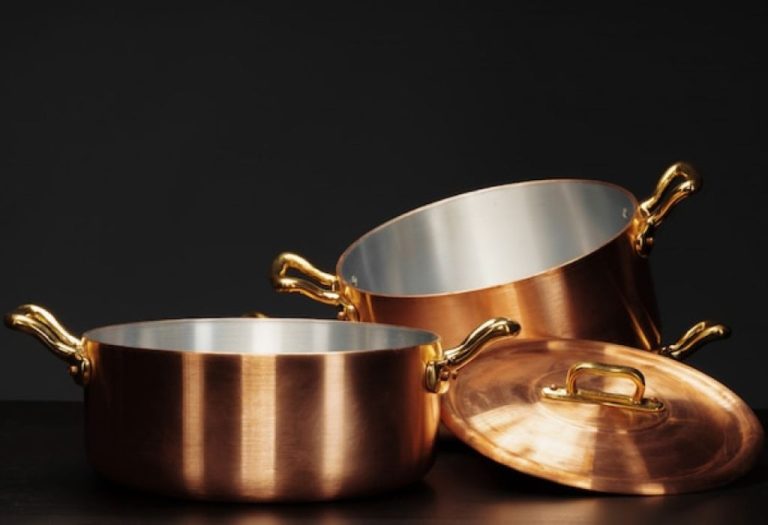
A favorite enamel pot wears the signs of countless meals, yet one stubborn burn‑mark can erase memories of savory risottos and family dinners. A dull, stained surface hides the cookware’s former glory and raises concerns about food residue, health, and kitchen aesthetics.
The problem packs more than just an eyesore—it disrupts kitchen pride and daily cooking joy.
What if a simple, non‑toxic solution could revive that beloved pan without harsh chemicals? Curiosity builds around natural ingredients already in the pantry that may unlock a gleaming finish. Discovering the perfect cleaning method holds the promise of saving money and extending the cookware’s lifespan.
Nearly a quarter of people report that household cleaning feels harder than a full‑time job, underscoring the stress of tackling tough stains in everyday life nypost.com. Choosing safe, environmentally friendly cleaners also matters—green, fragrance‑free products emit up to eight times fewer hazardous VOCs than conventional cleaners ewg.org.
Understanding Enamel Cookware and Why Stains Happen
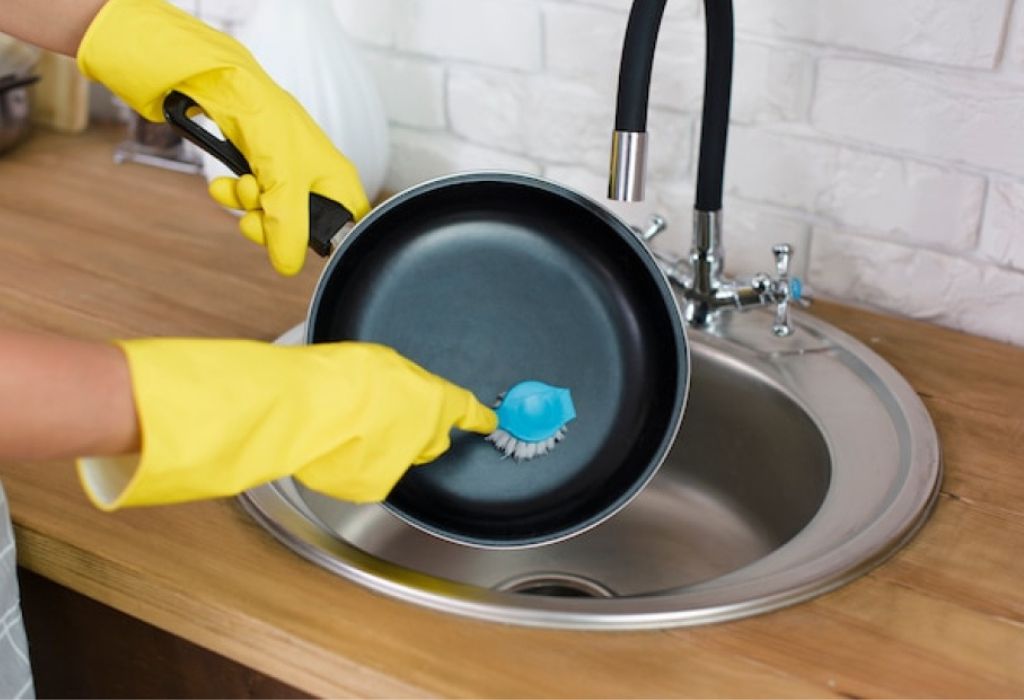
Enamel cookware has earned a place in modern kitchens for its durability, heat retention, and elegant look. A heavy metal core, usually cast iron or steel, is coated with smooth porcelain enamel, creating a non-reactive surface perfect for cooking acidic foods like tomatoes or wine sauces.
Despite its glossy finish, enamel cookware is not immune to staining. Over time, high heat, oil residues, and mineral deposits from water leave marks that seem impossible to remove. Many home cooks wonder if they have damaged their cookware permanently or if the stains signal deeper problems.
Understanding the root causes of discoloration helps identify safe, effective cleaning methods. It also prevents accidental damage from harsh scrubbing or the wrong cleaning products.
What is enamel cookware?
Enamel cookware features a metal base coated with porcelain enamel for a smooth, non-reactive cooking surface.
Why does it stain?
Stains occur from burnt food, high heat, oils, and mineral deposits in water.
Are stains permanent?
Most stains are removable with the right cleaning techniques.
Does hard water affect staining?
Yes. Calcium and magnesium in hard water create white or gray marks on enamel.
Can stains damage enamel?
No. Stains are mostly aesthetic, but harsh cleaners used to remove them can scratch or weaken the enamel surface.
Preparing for Stain Removal – Safety & Supplies
Before tackling stubborn stains on enamel cookware, the right preparation makes all the difference. Using the wrong tools or cleaners risks scratching the smooth enamel surface or weakening the coating over time.
Many home cooks discover too late that aggressive scrubbing pads or harsh chemicals do more harm than good. A few simple supplies and safe practices help protect the cookware’s finish while achieving a deep clean.
Choosing natural, non-abrasive cleaners reduces the risk of toxic residues on surfaces where food is prepared. It also preserves the vibrant colors and glossy shine of enamel cookware for years to come.
What supplies are safe?
Soft sponges, baking soda, vinegar, lemon juice, mild dish soap, and non-abrasive brushes are safe choices.
What should be avoided?
Steel wool, harsh bleaches, and abrasive powders can scratch or dull enamel coatings.
Do gloves help?
Yes. Gloves protect skin from irritation caused by prolonged contact with cleaners, even mild ones.
Can I use dishwashers for enamel cookware?
Some enamel cookware is dishwasher-safe, but frequent high-heat cycles may shorten its lifespan.
Are commercial cleaners safe for enamel?
Only those labeled “non-abrasive” or “safe for enamel” should be used to avoid damage.
Step-by-Step Methods to Remove Stains from Enamel Cookware
Stubborn stains on enamel cookware often need more than just soap and water. The good news is that proven, kitchen-safe methods can restore the cookware’s shine without damaging its surface.
Each technique uses simple ingredients or gentle cleaners found in most homes. Whether the problem is burnt food, discoloration, or mineral buildup, these methods provide safe, effective solutions.
Method 1 – Baking Soda and Vinegar Soak
A mixture of baking soda and vinegar breaks down tough stains while remaining gentle on enamel.
How long should I soak cookware?
Soak for 15–20 minutes, then rinse thoroughly.
Will vinegar damage enamel?
No, as long as it is diluted with water.
Can this method remove burnt stains?
Yes, but deep burns may require repeating the process.
Do I need boiling water?
Warm water helps vinegar and baking soda work better.
Is this safe for colored enamel?
Yes, it will not fade or discolor the coating.
Method 2 – Lemon and Salt Scrub
Lemon’s mild acidity and salt’s gentle abrasiveness lift stains naturally.
Is lemon safe for enamel?
Yes, it is a natural cleaner and leaves no harmful residue.
Does salt scratch enamel?
No, as long as fine salt and a soft sponge are used.
Can this method remove grease?
Yes, it works well on oil-based stains.
Should I rinse afterward?
Always rinse thoroughly with warm water.
Is this eco-friendly?
Yes, it uses fully natural ingredients.
Method 3 – Hydrogen Peroxide for Tough Stains
Hydrogen peroxide handles deep stains without harsh scrubbing.
Will it bleach enamel colors?
Use carefully; prolonged contact may affect lighter shades.
How long should it stay on?
Apply for 10–15 minutes before rinsing.
Is it safe for cookware?
Yes, when diluted with water.
Does it remove black burn marks?
It can lighten them significantly after multiple uses.
Can it be mixed with baking soda?
Yes, for added cleaning power on very tough stains.
Method 4 – Commercial Non-Abrasive Cleaners
Some non-abrasive cleaners are designed specifically for enamel cookware.
Which cleaners work best?
Look for labels mentioning “safe for enamel surfaces.”
Are they expensive?
Most are affordable and long-lasting.
Do they require scrubbing?
Usually minimal effort is needed after application.
Can they be used regularly?
Yes, as long as they are non-abrasive.
Do they remove discoloration?
Yes, especially yellowing or brown heat marks.
Method 5 – Boiling Water with Mild Detergent
This method loosens food residues and surface stains effectively.
How long should I boil the mixture?
Let it simmer for 10 minutes, then cool before scrubbing.
Does it remove burnt food?
Yes, but may need a follow-up cleaning method.
Is it safe for all enamel cookware?
Yes, if moderate heat is used.
Can I add baking soda?
Yes, it enhances the cleaning power.
Does this prevent future stains?
No, but it helps maintain cleanliness after each use.
Removing Burnt or Black Stains Effectively
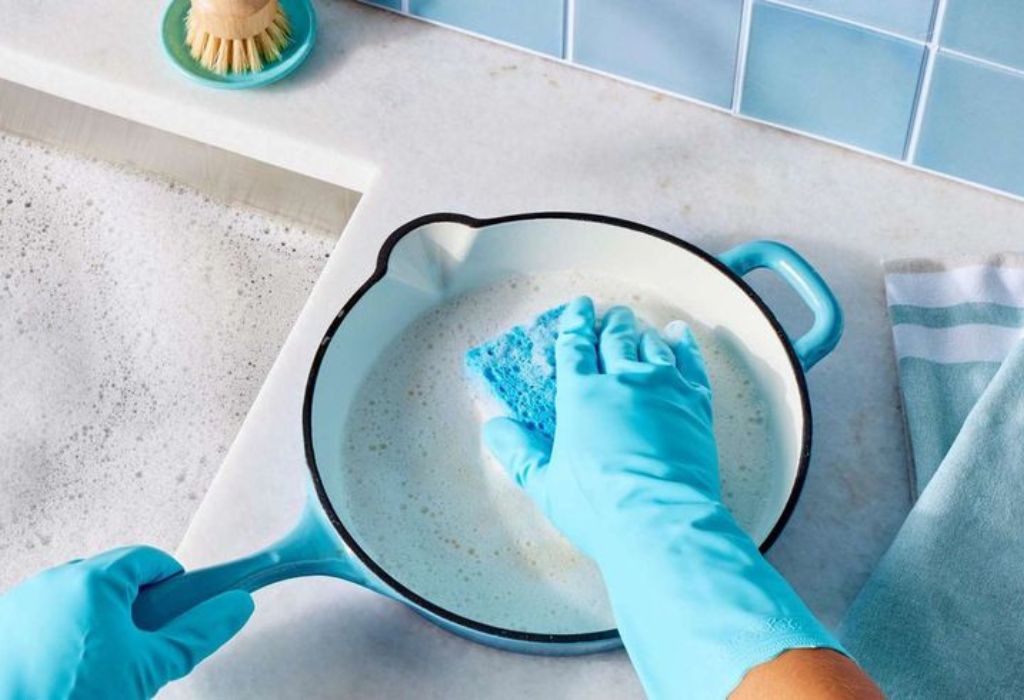
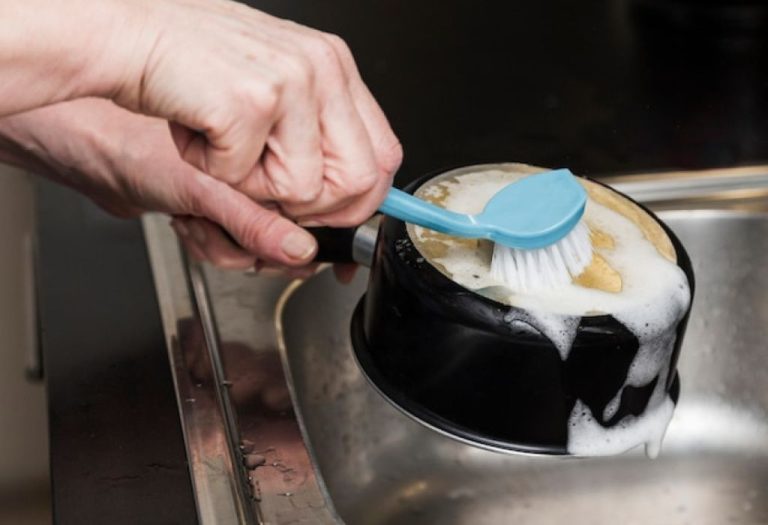
Burnt or black stains on enamel cookware often happen when food sticks at high heat or cooking oil reaches its smoke point. These marks are tougher than ordinary discoloration and need targeted cleaning techniques.
Many cooks worry that blackened areas mean permanent damage. In reality, most of these stains sit on the surface and can be safely removed without harming the enamel coating.
The best methods combine soaking, mild abrasives, and natural cleaners to break down carbonized residues. These techniques work slowly but effectively, preserving the glossy finish while restoring the cookware’s appearance.
What causes black stains?
High heat burns oils and food particles, leaving carbonized layers.
Can enamel burn off completely?
No, but prolonged overheating can discolor or weaken the surface.
Is soaking overnight safe?
Yes, using mild ingredients like baking soda and vinegar is safe for long soaks.
Do burnt stains affect food safety?
No, they only affect appearance, not cooking performance.
What is the most effective method?
A combination of boiling water, baking soda, and gentle scrubbing works best for deep stains.
For severe cases, alternating between natural soaks and non-abrasive commercial cleaners often gives the best results. Patience and consistency are key since aggressive scrubbing risks scratching the surface.
Preventing future burns by lowering cooking temperatures and stirring frequently helps keep cookware looking new longer.
Natural and Eco-Friendly Cleaning Alternatives
Many households now prefer natural cleaning methods that protect both cookware and the environment. Enamel cookware responds well to eco-friendly options because they clean effectively without harsh chemicals.
Switching to natural cleaners also keeps kitchens safer. Children and pets stay away from harmful residues while cookware retains its original luster.
Simple ingredients like lemon, baking soda, and vinegar have been used for generations to clean cookware naturally. These options save money, reduce chemical waste, and keep harmful toxins out of the home.
Why go natural?
Natural cleaning avoids harmful chemicals and protects enamel coatings.
Is baking soda eco-friendly?
Yes, it is biodegradable, non-toxic, and widely available.
Does lemon disinfect as well as clean?
Lemon offers mild antibacterial properties alongside its cleaning power.
Can essential oils be added?
Yes, oils like tea tree or lavender provide fragrance but not stronger cleaning power.
Is boiling water an eco-friendly method?
Yes, it relies on heat rather than chemicals for stain removal.
Natural cleaning methods often work as well as commercial products when used regularly. A mixture of lemon juice and salt lifts grease, while vinegar dissolves mineral deposits and water stains.
These techniques preserve enamel cookware’s appearance while supporting sustainable household habits.
Preventing Future Stains on Enamel Cookware
Stains on enamel cookware are easier to prevent than to remove. Simple cooking habits and regular maintenance keep the glossy finish looking like new for years.
Many stains form because of high heat, leftover oil residues, or food sitting too long in the pot. Adjusting a few daily cooking practices protects both the cookware and the food prepared in it.
Proper care ensures enamel coatings stay smooth and resistant to scratches or discoloration. This not only improves appearance but also extends the life of the cookware significantly.
Can seasoning help protect enamel?
No, seasoning is for cast iron, while enamel does not absorb oils.
Should metal utensils be avoided?
Yes, use wooden or silicone utensils to prevent scratches.
Is drying important after washing?
Yes, it prevents water spots and mineral deposits from forming.
Do oil residues lead to stains?
Yes, leftover oils turn sticky and dark when exposed to heat repeatedly.
Can food be stored in enamel cookware?
Avoid long-term storage since acids in foods may cause discoloration over time.
Cooking on moderate heat, cleaning cookware soon after use, and storing it dry are the simplest ways to keep enamel surfaces looking bright. Regular maintenance saves time later and reduces the need for heavy cleaning methods.
Common Mistakes to Avoid When Cleaning Enamel Cookware
Even the best cookware loses its shine when cleaned the wrong way. Many people make simple mistakes that cause scratches, discoloration, or even cracks in the enamel surface.
Harsh chemicals and rough tools often do more harm than good. Sudden temperature changes can also stress the coating, leaving it vulnerable to future damage.
Avoiding these errors protects both the cookware’s beauty and its durability. Taking care during each cleaning session prevents small issues from becoming permanent problems.
Can bleach ruin enamel cookware?
Yes, strong chemicals like bleach can strip color and weaken enamel layers.
Is using high dishwasher heat a problem?
Yes, repeated exposure to extreme heat may shorten the lifespan of enamel coatings.
Why avoid cold water on hot enamel surfaces?
Rapid temperature changes can cause hairline cracks in the enamel.
Do abrasive pads scratch enamel?
Yes, steel wool and rough sponges leave permanent marks on the glossy surface.
Is air drying cookware a good idea?
No, water spots form easily, so towel drying is recommended instead.
Gentle care, mild cleaners, and steady temperatures help enamel cookware stay strong and vibrant for decades. A few simple precautions go a long way toward preventing damage and keeping cookware looking like new.
Expert Tips to Restore Shine and Longevity
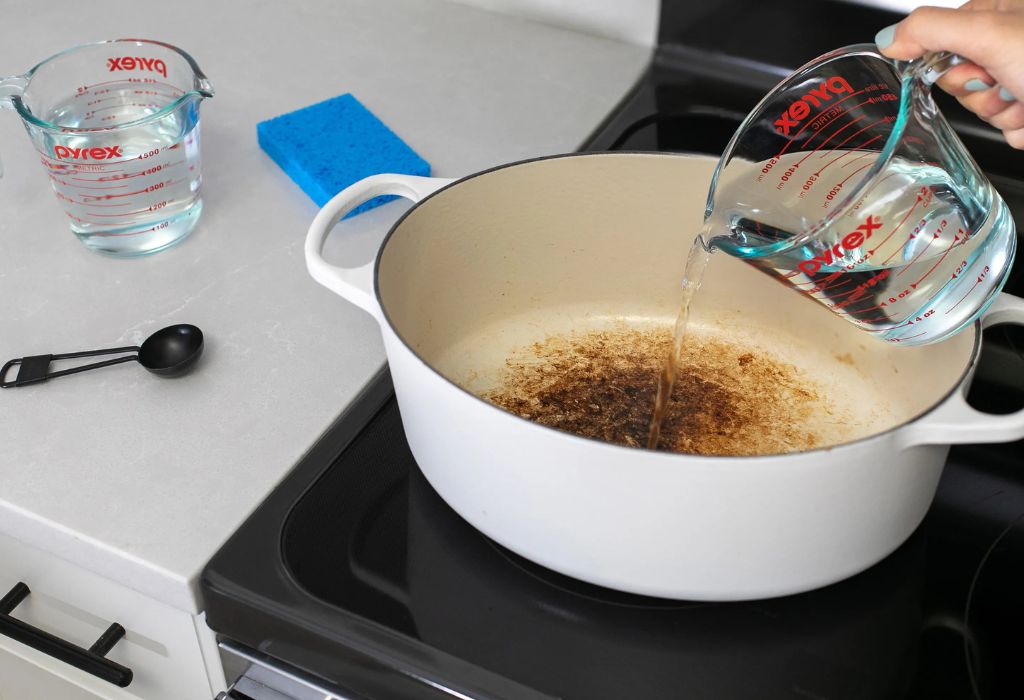
Enamel cookware can last for decades when treated with the right care. Over time, however, even the best pieces lose some of their shine and need a little extra attention to look new again.
Restoring the glossy finish is simple with regular cleaning, gentle polishing, and safe storage practices. These steps keep the surface smooth, reduce staining, and extend the life of the cookware.
Experts recommend mild, food-safe cleaners for both cleaning and occasional polishing. Harsh methods may deliver quick results but risk damaging the protective enamel coating.
How can the enamel shine be restored?
A mild polish or a mixture of baking soda and water brightens the surface safely.
Can scratches on enamel be repaired?
No, scratches are permanent, so prevention is essential for long-term durability.
Does polishing remove stains completely?
No, polishing only enhances the surface shine after stains are already removed.
Is enamel cookware durable with proper care?
Yes, it can last decades when cleaned and stored correctly.
Do professional cleaners work better?
Professional services help with stubborn discoloration but are not needed for routine care.
Polishing cookware periodically, storing it carefully to prevent chips, and using only non-abrasive cleaning methods keep enamel cookware beautiful for many years. The combination of prevention, gentle care, and correct cleaning products ensures both shine and strength remain intact.
Conclusion
Enamel cookware brings beauty, durability, and performance to modern kitchens. Yet even the strongest pieces lose their charm when stains, discoloration, or burnt marks begin to appear.
Thankfully, safe and effective cleaning methods can restore cookware to its original shine. Natural ingredients like baking soda, vinegar, and lemon offer simple solutions that protect enamel surfaces while cutting through tough residues.
Preventing stains is just as important as removing them. Cooking at moderate temperatures, avoiding harsh chemicals, and cleaning cookware soon after use reduce the risk of future discoloration.
Small daily habits, like drying cookware thoroughly and storing it carefully, extend its lifespan significantly. These steps save money and preserve the cookware’s glossy appearance for years.
Professional cleaners or specialized products may help with severe stains, but routine care at home keeps most enamel cookware looking bright and clean. Regular polishing adds an extra layer of shine without causing damage.
The secret lies in patience, prevention, and choosing safe cleaning methods over quick but abrasive fixes. With the right care, enamel cookware can remain a trusted companion in the kitchen, ready for countless meals and memories.
Restoring its beauty not only improves kitchen aesthetics but also ensures healthier, safer cooking for everyone who gathers around the table.

I’m Emma J. Caldwell, the founder, lead writer, and home-cooking enthusiast behind KitchenGuideCo.com. With a background in culinary arts and over a decade of cooking experience in both professional and personal kitchens, I created this platform to demystify recipes, offer smart kitchen gadget reviews, and guide readers through meal prep with confidence and clarity.