It’s super common to see stains in your rice cooker. Whether it’s from rice sticking to the pot or other foods splattering around, getting those marks off can seem tricky. Don’t worry, though! The good news is that learning how to remove stains from rice cooker doesn’t have to be hard. We’ll explore simple methods to get your cooker shining. Get ready for a step-by-step guide to bringing back the gleam!
Understanding Why Your Cooker Gets Stained
Your rice cooker faces a tough job daily. It cooks starchy rice, which tends to stick and leave behind residue. Oils and fats from other foods you cook can also splatter, leading to stubborn stains. Over time, these marks can become baked on, making them harder to remove. Plus, the heat from cooking can worsen the staining, bonding it more firmly to the cooker’s surface. A little awareness of the reasons behind the staining can go a long way in effectively cleaning it.
The Science Behind Rice Stains
Rice is mainly starch. When starch is heated, it undergoes a process called gelatinization. This process makes the rice soft and fluffy. However, it also makes the starch sticky. This stickiness is what causes rice to cling to the inner pot of your cooker. When the rice dries out and is exposed to the cooker’s heat during repeated cooking cycles, the starch hardens. This hardened starch forms a sticky, often brown stain.
The type of rice can also influence staining. For example, sticky rice varieties, like sushi rice or glutinous rice, contain more amylopectin, a starch that makes them stickier than long-grain rice like basmati. Similarly, the cooking process impacts the stains. Overfilling the cooker or letting rice sit too long after cooking can also worsen staining.
- Starch’s Properties: Starch molecules are hydrophilic, which means they attract water. When rice cooks, water gets absorbed, making the rice plump and sticky. This stickiness is the primary cause of stains inside your cooker.
- Heat’s Role: The heat applied during cooking causes starch to gelatinize and then dehydrate if it stays in the cooker for too long. This creates a hard, caramelized residue that is difficult to remove.
- Rice Types: Different types of rice have varying starch contents. Sticky rice types, with higher amylopectin levels, tend to produce more significant stains than less sticky varieties.
- Food Residues: Beyond rice, other foods like soups and stews often splatter during cooking, leaving behind fats, proteins, and sugars that bake onto the cooker’s surface, also forming stains.
Common Culprits That Cause Stains
Many things, other than just rice, can stain your cooker. Knowing these helps you prevent and remove stains more effectively. Oils used for cooking can splatter, creating hard-to-clean marks. Similarly, sauces and other flavorful ingredients like soy sauce or tomato-based mixtures can also leave their mark. Even minerals in your water can contribute to discoloration, gradually affecting the appearance of your cooker’s interior. Regular cleaning, along with avoiding these culprits, helps keep your cooker looking clean.
- Rice Residue: Rice, the main ingredient, is the top stain producer. It contains starch that dries and sticks to the inner pot.
- Cooking Oils: Using oils for sauteing or other cooking methods creates greasy residue that sticks and can burn onto the surface.
- Sauces and Flavors: Sauces like soy sauce, teriyaki, or tomato-based sauces often splatter, staining the cooker and contributing to baked-on marks.
- Mineral Deposits: Hard water can leave mineral deposits that look like stains, especially if not addressed with frequent cleaning.
- Food Splatter: When cooking other foods such as vegetables or meats, the splatter from these foods contributes to staining.
Effective Ways to Clean Your Rice Cooker
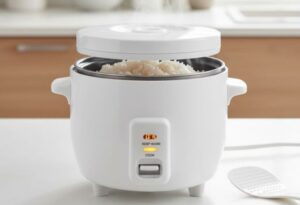
Several methods help you clean your cooker. Some involve items you likely have in your kitchen. Others might require a bit more effort. By knowing different options, you can choose the best one for your situation. Whether the stains are fresh or old, understanding these methods lets you tackle the problem effectively.
Gentle Cleaning Methods
Start with the simplest methods first. For instance, soapy water and a soft sponge work well for routine cleaning. Then, for tougher stains, a paste made of baking soda and water can be useful. These gentle methods are often sufficient for daily cleaning and preventing the build-up of more stubborn stains. It’s always best to try the gentlest approach first before you try more abrasive methods.
- Soapy Water: Add a bit of dish soap to warm water. Then, use a soft sponge to wipe down the inner pot and the cooker’s exterior. This is ideal for light stains and regular cleaning.
- Baking Soda Paste: Mix baking soda with a little water to make a paste. Apply this paste to the stained areas, let it sit for a few minutes, then scrub gently with a soft sponge. This works great for most stains.
- Vinegar Solution: Mix equal parts of water and white vinegar. Soak the inner pot or wipe down the cooker with this solution. Vinegar’s acidity helps break down stains and is great for removing odors.
- Rinsing and Drying: After cleaning, always rinse the inner pot and other removable parts thoroughly with water to remove any soap or cleaning solution residue. Allow everything to air dry completely before reassembling and using your cooker again.
Tackling Stubborn Stains
For more challenging stains, you may need a bit more power. Try boiling water with vinegar in your cooker. Alternatively, you might use specialized rice cooker cleaners if the stains are persistent. Always follow the manufacturer’s instructions. With some extra effort, even the most stubborn stains can be removed, and your cooker will be restored to its original state.
- Boiling Vinegar Solution: Fill the cooker with a mixture of water and white vinegar. Then, turn it on to cook, allowing the mixture to boil for a few minutes. This process helps loosen tough, stuck-on stains.
- Baking Soda Soak: Fill the inner pot with warm water. Add a few tablespoons of baking soda and let it soak for a few hours or overnight. This soaking period helps loosen stubborn stains.
- Commercial Cleaners: Use cleaners specifically designed for rice cookers. Follow the product instructions for best results. These cleaners often contain agents that can tackle tough stains effectively.
- Non-Scratch Scrubbing: When scrubbing, avoid abrasive scrubbers that may damage the non-stick coating. Opt for soft sponges or cloths to remove stains without scratches.
Step-by-Step Cleaning Guide
Here’s a clear step-by-step approach to cleaning your rice cooker, regardless of the method you choose. Following these steps helps ensure your cooker is both clean and safe to use. From the initial inspection to the final drying, each step is critical to maintaining your appliance in the best shape possible. This guide is tailored for all cleaning methods, from gentle to more intense cleaning.
- Preparation: Unplug the rice cooker and allow it to cool completely before starting. This is crucial for your safety and allows for easier handling.
- Disassembly: Remove the inner pot, lid, and any removable parts. This allows you to clean each component separately and thoroughly.
- Inspection: Examine the cooker for stains, food residue, and any noticeable damage. This will help you decide which cleaning method to use.
- Cleaning: Use the chosen cleaning method. If using a solution, apply it and let it sit. For scrubbing, do so gently using a soft sponge or cloth.
- Rinsing: Rinse all parts thoroughly with clean water to remove any cleaning solution residue. This will prevent any taste transfer to your food.
- Drying: Allow all parts to air dry completely before reassembling the cooker. Proper drying prevents the growth of mold or mildew.
- Reassembly and Testing: Put the cooker back together and, before using it again, test it with water to ensure it’s functioning correctly.
Preventing Future Stains in Your Rice Cooker
While removing stains is important, preventing them is also key. Simple habits like rinsing the rice before cooking, using proper measurements, and cleaning the cooker after each use can significantly reduce staining. By incorporating these steps into your routine, you can keep your cooker cleaner for longer periods. Preventing future stains means fewer cleaning sessions down the line.
Best Practices for Regular Use
Here’s how to ensure your rice cooker stays cleaner. Start by rinsing your rice, which reduces the starch. Then, use the right amount of water for the rice. Clean the cooker immediately after use to avoid stains. Follow these habits every time you cook, and the build-up of stains will be less likely.
- Rinse the Rice: Rinsing removes excess starch, which helps minimize sticking and staining. This simple step can drastically reduce the number of stains.
- Measure Water Accurately: Use the correct water-to-rice ratio. Too much or too little water can cause the rice to stick and stain the pot.
- Clean After Each Use: Clean your rice cooker after every use. Remove any food residue immediately to prevent it from baking onto the surface.
- Use a Non-Stick Coating Safe Utensil: Avoid scratching the non-stick coating on the inner pot. Use a plastic or silicone spatula instead of metal utensils.
- Avoid Overfilling: Don’t overfill the cooker. This can lead to spills and splashes that cause staining on the exterior and interior of your rice cooker.
Things to Avoid to Reduce Staining
Some habits can worsen staining. Avoid using excessive oil and never store food in the cooker. Ensure you’re not using harsh chemicals that could damage the cooker’s surface. Being mindful of these things can help keep your cooker in excellent condition. By preventing certain things, you make your cleaning tasks simpler.
- Excessive Oils: Minimize the use of oil, which can splatter and cause stains. When cooking, use only the necessary amount.
- Storing Food: Don’t store cooked food in the rice cooker. Leftover food can cause odors and potential staining if it remains for extended periods.
- Abrasive Cleaning Agents: Avoid harsh chemicals or abrasive cleaners that can damage the non-stick surface. Always choose gentle cleaning options.
- Cooking Without Water: Ensure that water is present in the inner pot during cooking. Cooking dry can cause the rice to burn and stick, leading to stubborn stains.
- Using Metal Utensils: Metal utensils can scratch the non-stick coating of your inner pot, making it more prone to staining and damage.
Maintenance Tips for Longevity
To keep your rice cooker in top shape for years, remember regular upkeep. Clean the cooker’s exterior to prevent build-up. Always check the power cord for any damage. And, if you notice anything unusual, follow the manufacturer’s instructions. By following these steps, you can prolong the life and performance of your rice cooker.
- Exterior Cleaning: Wipe down the cooker’s exterior regularly to keep it clean. Remove any dust or spills that could affect its operation.
- Cord Inspection: Inspect the power cord for any signs of damage or wear and tear. A damaged cord poses a safety risk, so it should be promptly replaced.
- Follow Manufacturer’s Guidelines: Always refer to the manufacturer’s manual for specific cleaning and maintenance instructions. Each model might have unique requirements.
- Proper Storage: When not in use, store your rice cooker in a clean, dry place to protect it from dust and potential damage.
- Regular Checks: Periodically check the cooker’s functions to ensure it is operating correctly. If you notice any issues, troubleshoot them immediately to prevent further problems.
Frequently Asked Questions
Question: Can I use steel wool to clean my rice cooker?
Answer: No, avoid steel wool or any abrasive scrubbers, as they can scratch and damage the non-stick coating of the inner pot.
Question: How often should I clean my rice cooker?
Answer: Clean your rice cooker after each use to prevent stains from building up. A quick rinse and wipe-down are usually sufficient.
Question: Is it safe to put the inner pot in the dishwasher?
Answer: It depends on the manufacturer’s instructions. Some inner pots are dishwasher-safe, while others are not. Always check the manual.
Question: What’s the best way to remove burnt rice from the bottom of the pot?
Answer: Try soaking the pot in warm water with baking soda overnight. Then, gently scrub the burnt rice away with a soft sponge.
Question: Can I use bleach to clean my rice cooker?
Answer: Bleach is generally not recommended as it could damage the cooker’s surface. Stick to mild soaps, baking soda, and vinegar.
Final Thoughts
Keeping your rice cooker clean is an easy way to enjoy perfectly cooked rice every time. You now know the reasons behind those annoying stains, the tools to remove them, and ways to prevent them from happening in the first place. Whether it’s the gentle approach with soapy water or the stronger methods using vinegar and baking soda, you have several options for cleaning your cooker. Remember, the key to success is regular maintenance and a bit of care. With these insights, you can preserve your cooker’s lifespan and the quality of your meals. So, embrace these cleaning methods and tips to keep your rice cooker spotless and in great shape for years to come!

I’m Emma J. Caldwell, the founder, lead writer, and home-cooking enthusiast behind KitchenGuideCo.com. With a background in culinary arts and over a decade of cooking experience in both professional and personal kitchens, I created this platform to demystify recipes, offer smart kitchen gadget reviews, and guide readers through meal prep with confidence and clarity.