A clogged dishwasher often announces itself with standing water, slow draining or dishes that come out dirtier than before.
At first, homeowners assume it must be a pump failure or a major internal problem, but most clogs begin with small food particles and grease hidden in places that are easy to miss.
When these blockages grow over time, they restrict water flow and leave the dishwasher struggling to complete its cycle.
People usually notice the problem when they open the door after a wash and find water pooled at the bottom. Seeing water that refuses to drain creates stress because a dishwasher is expected to work silently in the background.
As confusion grows, many users wonder whether they should call a technician or try solving the issue themselves.
The good news is that clogged dishwashers are often easy to repair with the right steps and careful inspection.
Understanding where blockages form, how water flows through the system and which parts frequently become obstructed helps make troubleshooting simpler. With a little patience, most drain issues can be fixed without expensive repairs or replacements.
Understanding How Dishwasher Drainage Works
A dishwasher drains water through a pump system that pushes dirty water out of the appliance and into the sink drain or garbage disposal. This system must stay clear of debris for water to move smoothly. When any part of this pathway becomes blocked, water backs up inside the tub.
During the wash cycle, the dishwasher collects food particles, grease and small debris. The filter catches most of these materials, but some can slip through and travel toward the drain pump. If too much buildup forms, the pump cannot move water effectively.
The drain hose carries wastewater from the pump to the sink drain. This hose often bends behind the dishwasher, and its narrow opening makes it vulnerable to clogs. A single obstruction in this hose can stop draining completely.
Garbage disposals also influence dishwasher drainage. If the disposal inlet becomes clogged, dishwasher water has nowhere to go. This backup pushes water back into the dishwasher instead of allowing it to exit.
Many dishwashers rely on an air gap or high loop to prevent backflow. When these devices clog, they block air movement and slow down draining. Understanding these components helps identify where the blockage might be hiding.
Knowing how water travels through the dishwasher makes diagnosing clogs easier. Each part plays a specific role in moving water, and a failure in one area affects the entire system. Repairing a clogged dishwasher begins with identifying which part is restricted.
Identifying Early Signs of a Clogged Dishwasher
One of the first signs of a clogged dishwasher is water pooling in the bottom after a cycle. This standing water indicates that the drain pump could not push out all the liquid. When water remains still, the blockage may be partial or complete.
Slow draining is another early warning sign. If you notice less water leaving the tub after each cycle, debris is likely accumulating somewhere in the drain pathway. This gradual slowdown often appears before full failure.
Bad odors inside the dishwasher also point to clogging. Food particles trapped in the filter or drain components begin to decompose. This smell becomes stronger the longer the blockage remains.
Gurgling sounds may occur during draining. These sounds come from air struggling to move through a partially blocked hose. When air cannot pass freely, the dishwasher fights to maintain proper flow.
Dishes may also come out dirty or cloudy. Clogs prevent fresh water from circulating properly, leaving residue behind. Even when detergent is working, poor drainage disrupts cleaning.
Sometimes the dishwasher stops mid cycle. A severe blockage triggers safety mechanisms that prevent further operation. This prevents flooding or pump damage until the clog is removed.
Recognizing early symptoms helps prevent bigger problems. Acting quickly reduces strain on the pump and prevents water damage. Knowing what to watch for makes troubleshooting much easier later.
Cleaning and Inspecting the Dishwasher Filter
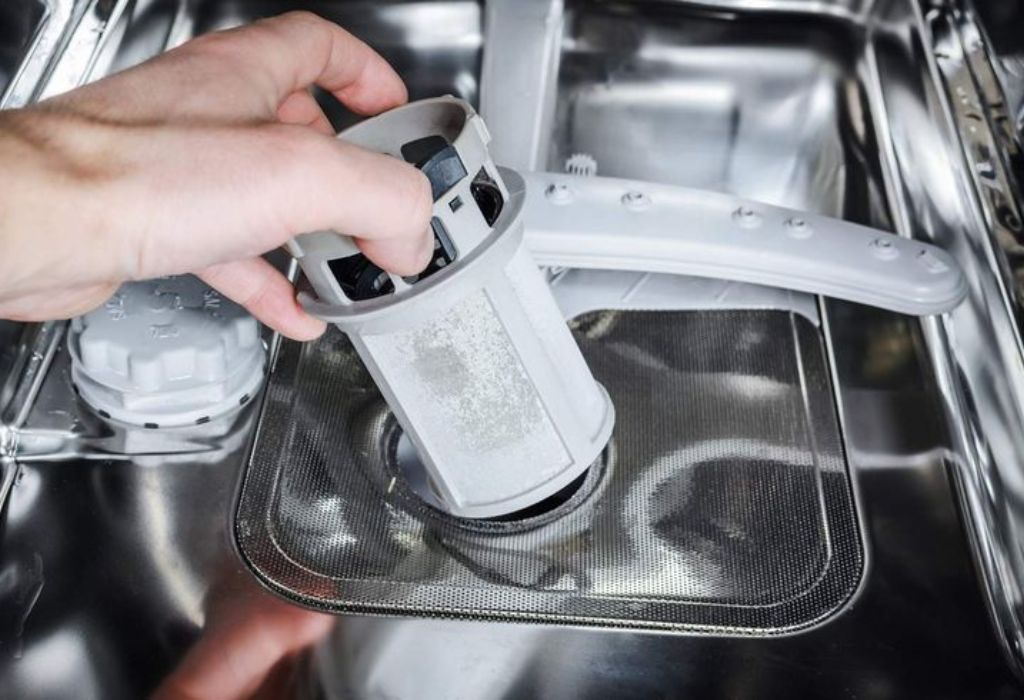
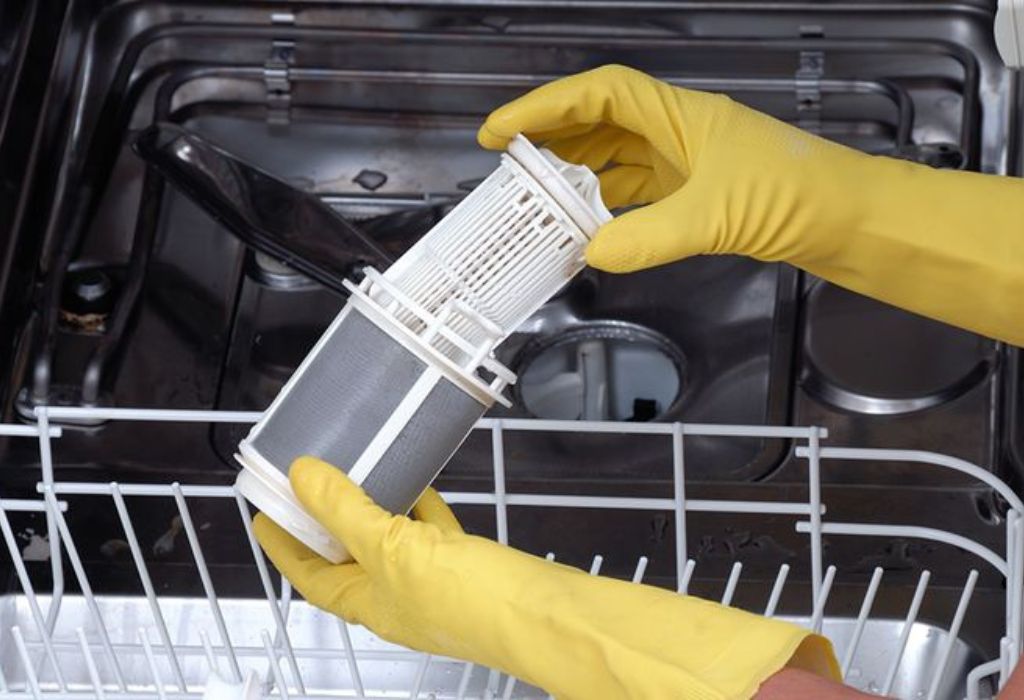
The dishwasher filter is the most common source of clogs. This filter catches food particles, grease and solid debris before they reach the pump. When the filter becomes overwhelmed, water struggles to pass through.
Removing the filter is usually simple. Most filters twist and lift out from the bottom of the tub. Once removed, rinsing it under warm water clears out trapped debris.
Grease buildup can be more stubborn. Using a soft brush helps remove sticky residue. Avoid using sharp tools that might damage the mesh.
Look closely for tears or deformities. A damaged filter cannot trap debris effectively. Replacing it ensures long term protection against future clogs.
After cleaning, inspect the filter housing. Small food particles often hide in corners of the filter compartment. Wiping these areas keeps the drain pathway clear.
A clean filter keeps water flowing efficiently. It also protects the pump from unnecessary strain. Regular maintenance prevents clogging and improves wash performance.
Inspecting and Cleaning the Drain Pump
The drain pump is responsible for pushing dirty water out of the dishwasher. When debris blocks its impeller, water cannot exit the tub properly. This leads to standing water and slow draining after every cycle.
Removing the bottom front panel gives access to the pump. Once the panel is off, the pump becomes visible near the center of the unit. A small flashlight helps identify moisture, debris or loose connections.
The pump often clogs with seeds, shredded labels or hardened grease. These materials restrict the impeller’s movement and cause vibrations. Clearing visible debris restores normal pump operation.
Sometimes the pump makes humming or buzzing sounds. This noise indicates the motor is trying to spin but cannot move due to blockage. Cleaning the pump interior usually stops this noise.
Inspect the pump seal for leaks. A worn seal allows water to escape and weaken pump performance. Replacing the seal prevents future clogs and protects the motor.
If the pump impeller spins freely but draining remains slow, the blockage may be further down the line. This situation requires checking the hose and other components. A healthy pump ensures strong and steady drainage.
After cleaning, run a short cycle to test the pump’s performance. Water should drain quickly without gurgling or hesitation. Consistent drainage confirms that the pump is restored.
Checking the Drain Hose for Blockages
The drain hose carries wastewater from the pump to the sink or garbage disposal. Because the hose is long and narrow, it often becomes clogged with grease and food debris. Even a small obstruction can stop water flow completely.
Start by removing the hose from both ends. One end connects to the dishwasher while the other attaches to the sink plumbing. Once removed, flushing the hose with warm water helps loosen buildup.
Grease is a common culprit inside the hose. Over time, grease hardens and creates a thick layer along the inner walls. This buildup traps food particles and forms a complete blockage.
Use a long flexible brush to clean deep inside the hose. This tool reaches areas that water cannot flush effectively. Moving the brush through the hose dislodges stubborn debris.
Inspect the hose for kinks or tight bends. A sharply bent hose reduces water flow and causes backups. Straightening or replacing the hose restores proper drainage.
Look for cracks or soft spots along the hose. These weak areas indicate wear that may leak or collapse. Replacing the hose is the safest solution when damage is visible.
After cleaning, reconnect the hose securely. Loose fittings lead to leaks and weak draining. A clean and properly installed hose ensures water flows smoothly away from the dishwasher.
Unclogging the Garbage Disposal or Air Gap
When a dishwasher drains through a garbage disposal, the disposal inlet must remain clear. A clogged disposal prevents water from exiting the dishwasher, forcing it back into the tub. Many homeowners mistake this for a dishwasher problem when it is actually a sink issue.
Run the garbage disposal for several seconds before starting the dishwasher. This clears food debris trapped near the inlet. A clean disposal ensures proper drainage flow.
If the disposal is newly installed, check the dishwasher knockout plug. This plug must be removed for water to enter the disposal. Leaving it in place creates a complete blockage and stops draining entirely.
The air gap also plays a key role in preventing backflow. Located on the countertop, it allows air to enter the drain system. When clogged, water cannot pass through the air chamber smoothly.
Remove the air gap cap and clean the inside with a brush. Food particles often hide in the narrow channel. Flushing it with warm water clears these obstructions.
A clogged air gap causes water to spill onto the counter or back into the dishwasher. This is a strong sign that drainage above the dishwasher is blocked. Keeping the air gap clean prevents these issues.
If the home does not use an air gap, a high drain loop must be installed. This loop prevents backflow from the sink into the dishwasher. Ensuring the loop sits above the sink drain improves drainage safety.
Why does water come back into the dishwasher after draining?
This usually means the garbage disposal or air gap is blocked, forcing water to reverse direction. Clearing these components restores normal flow. Most cases resolve quickly once the obstruction is removed.
Can a clogged air gap stop the dishwasher from draining?
Yes, a clogged air gap blocks airflow needed for proper draining. Without airflow, water struggles to exit the system. Cleaning the cap and chamber often solves the problem.
Does a new garbage disposal need special setup for the dishwasher?
Yes, the knockout plug must be removed for water to enter the disposal. Leaving it in place causes a complete blockage. This is one of the most common installation mistakes.
What happens if the high drain loop is missing?
Without a high loop, sink water can backflow into the dishwasher. This leads to dirty water returning after draining. Installing the loop prevents contamination and improves drainage.
Can I use chemical cleaners to unclog the disposal inlet?
Chemical cleaners are not recommended because they may damage plastic components. Manual cleaning is safer and more effective. Proper flushing clears debris without causing harm.
Clearing the Sump Area and Removing Hidden Debris
The sump area collects water at the bottom of the dishwasher before it enters the drain pump. Over time, this area fills with food particles, seeds, plastic fragments and grease that can block water flow. A clogged sump prevents the pump from receiving enough water to drain effectively.
Removing the lower spray arm gives easier access to the sump. Once the arm is off, the sump cover usually lifts or unscrews. This reveals a chamber where debris often accumulates unnoticed.
Some dishwashers include a small grinder or chopper blade inside the sump. When these blades become jammed, they cannot break down food particles. This jam leads to backups and poor draining performance.
Seeds from fruits like lemons, berries or tomatoes frequently clog the sump. These small objects slip past the filter and gather in tight corners. Removing them restores water circulation.
Hardened detergent residue also affects sump function. Residue builds along the walls and restricts water movement. Cleaning the area thoroughly improves flow and reduces future clogging.
Inspect for broken glass inside the sump. Small fragments can disrupt pump movement and damage internal components. Carefully removing glass helps protect the pump from harm.
Once the sump area is cleaned, water flows more freely. This improves pump performance and speeds up drainage. A clean sump is essential for long term dishwasher efficiency.
Flushing the Internal Drain Pathways
Internal drain pathways carry water from the sump to the drain pump and hose. These narrow passages clog easily with grease and food debris. Even small blockages in these channels slow draining significantly.
Start by pouring hot water directly into the sump area. The hot water softens grease and helps clear buildup. This method reaches areas that are difficult to access manually.
Some dishwashers have internal channels molded into the tub. These channels trap hidden debris that normal cleaning cannot remove. Using a turkey baster or syringe helps push water through these pathways.
A mixture of warm water and vinegar loosens hardened residue. Vinegar breaks down mineral deposits that restrict water flow. Flushing with this mixture improves internal drainage.
If water sits in the sump even after cleaning, the internal path may still be blocked. Repeating the flush multiple times helps dislodge stubborn clogs. Consistent flushing improves performance gradually.
Avoid using chemical drain cleaners inside the dishwasher. These chemicals can damage plastic components and rubber seals. Manual methods are safer and more effective for clearing internal pathways.
Once the pathways are clear, water drains more efficiently. Improved flow reduces strain on the pump and prevents recurring clogs. Internal flushing is an important part of complete dishwasher maintenance.
Testing the Drain Cycle to Confirm the Problem
Testing the drain cycle helps determine whether the clog has been resolved. Running a short cycle allows you to observe how fast water leaves the tub. If water drains quickly, the repair is successful.
During the drain cycle, listen for unusual noises. A struggling pump may indicate remaining debris or mechanical issues. Consistent humming or buzzing means the pump is working harder than it should.
Watch the water level carefully. If water rises too high before draining, the clog may still be present. This often signals a partial blockage in the hose or internal pathways.
Gurgling sounds are common when air is trapped in the system. This noise usually disappears once the blockage is cleared fully. Persistent gurgling indicates incomplete repair.
If the dishwasher drains but then refills unexpectedly, a plumbing issue may be involved. Backflow from the sink can cause refilling. Ensuring the drain loop or air gap is clear prevents this problem.
Opening the dishwasher during the drain cycle helps confirm water movement. You may see water swirling as the pump pushes it out. Weak swirling suggests the pump still lacks pressure.
Running the test cycle twice provides the most accurate results. If draining improves during the second cycle, remaining debris may have cleared naturally. Consistent performance means the dishwasher is functioning correctly.
Why does my dishwasher still drain slowly after cleaning the filter?
A slow drain often means debris is trapped deeper inside the sump or drain hose. Cleaning the filter alone may not reach these areas. Inspecting the hose and pump usually reveals the remaining blockage.
Should water remain in the bottom after the drain cycle?
A small amount of water is normal because it keeps seals moist. However, standing water covering the bottom indicates a clog. Proper draining should leave only a thin, shallow layer.
Is it normal for the pump to make noise while draining?
A low hum is normal, but loud buzzing or grinding indicates strain. These sounds suggest debris is blocking the impeller. Cleaning the pump usually restores quiet operation.
Why does the dishwasher drain sometimes stop and start again?
This stop-and-start pattern may signal an intermittent clog. Water begins to move, but debris shifts and temporarily blocks the path. Cleaning all drain components solves the issue.
Can too much detergent cause drainage problems?
Yes, excess detergent creates foam that slows drainage. Foam can block water sensors and the pump inlet. Using the correct detergent amount prevents this issue.
Checking the Float Switch for Obstructions
The float switch helps control water levels inside the dishwasher. When it becomes stuck due to debris or mineral buildup, the dishwasher may stop draining or stop filling properly. This malfunction often mimics a clog and confuses troubleshooting efforts.
The float sits inside a small plastic chamber at the bottom of the tub. Food particles, grease or broken plastic pieces can slip underneath it. When the float cannot move freely, it sends incorrect signals to the control system.
Carefully lifting the float helps determine whether it is stuck. If it feels stiff or catches halfway, debris is likely lodged underneath. Cleaning the chamber allows the float to move smoothly again.
Mineral buildup is another cause of float problems. Hard water leaves deposits around the float stem and restricts movement. Using warm water and vinegar helps dissolve these deposits safely.
Sometimes electrical float switches fail internally. When the switch cannot send correct signals, the dishwasher may shut down unexpectedly. Testing the switch with a meter confirms whether it is working.
A stuck float can also falsely trigger the overfill protection. When activated, this system stops the drain pump and flood sensor. Clearing the float switch helps restore normal operation.
Checking the float switch ensures the dishwasher responds correctly to water levels. A clean and functional float prevents unnecessary drain issues and protects the pump. It is an essential step in troubleshooting clogs.
Inspecting the Dishwasher’s Air Vent and Backflow Components
The air vent helps release steam and regulate pressure inside the dishwasher. When this vent clogs, moisture cannot escape properly and water movement becomes restricted. The dishwasher may drain slowly or leave excess water in the tub.
Food particles or soap residue can accumulate in the vent opening. This buildup may not be visible until the vent cover is removed. Cleaning the vent ensures air can move freely during draining.
Some dishwashers include backflow preventers near the vent area. These preventers stop water from reentering the dishwasher after draining. When clogged, they block both air and water movement.
Moisture buildup inside the vent can attract mold. Mold growth narrows the vent passage and creates unpleasant odors. Removing mold helps improve airflow and overall performance.
If the vent fan becomes blocked, steam may condense inside the dishwasher. This condensation interferes with draining and drying. Clearing debris ensures proper vent fan rotation.
Certain models rely on passive vents that work without fans. These vents become clogged more easily because airflow depends entirely on open pathways. Regular inspection prevents long term airflow problems.
A clean vent improves drainage and drying performance. It allows the pump to work without pressure resistance. Maintaining backflow components helps prevent recurring clogs.
Why does my dishwasher smell bad when the vent is clogged?
A clogged vent traps moisture and food particles inside. This trapped air promotes bacterial growth and unpleasant odors. Cleaning the vent restores proper airflow and reduces odors.
Can a blocked vent stop the dishwasher from draining?
Yes, blocked vents restrict airflow that supports draining. Without airflow, water exits more slowly and may back up. Clearing the vent improves draining efficiency.
Should I remove the vent cover for cleaning?
Yes, the vent cover must be removed to access hidden debris. Food particles often accumulate behind the cover. Cleaning this area helps restore full ventilation.
Can soap residue clog the dishwasher vent?
Yes, soap buildup hardens and blocks the vent openings over time. This reduces airflow and affects draining. Regular cleaning prevents residue buildup.
Is mold inside the vent harmful for the dishwasher?
Mold restricts airflow and creates moisture imbalance. This leads to slow draining and poor drying results. Removing mold ensures the dishwasher operates efficiently.
Removing Hard Water Scale That Restricts Drainage
Hard water leaves mineral deposits inside the dishwasher, especially around the sump, hose and pump housing. These deposits narrow water pathways and reduce drainage speed. Over time, the buildup becomes thick enough to mimic a clog.
Using vinegar is an effective way to dissolve scale. Pouring warm vinegar into the sump loosens hardened minerals. Allowing it to soak helps break down deposits in hidden areas.
A mixture of vinegar and baking soda creates a gentle cleaning reaction. This foam lifts residue from internal surfaces. It reaches tight spots that manual cleaning cannot access.
Running a hot cycle with vinegar helps clean internal walls. Heat softens scale while vinegar dissolves it. This combination results in smoother water flow.
Hard water also affects spray arms and filters. When these areas become restricted, water pressure drops and drainage becomes inconsistent. Cleaning all components ensures balanced flow.
Installing a water softener helps prevent future buildup. Softened water reduces mineral deposits and keeps the dishwasher working more efficiently. This long term solution protects internal components.
Removing hard water scale improves drainage significantly. It allows water to move freely through pumps and hoses. Less restriction means fewer clogs and better cleaning performance.
Cleaning the Spray Arms to Restore Water Circulation
Spray arms play an important role in moving water around the dishwasher. When these arms become clogged with food particles or mineral deposits, water pressure weakens. This low pressure affects not only cleaning performance but also draining efficiency.
Remove the spray arms by unscrewing or releasing the locking clip. Once removed, hold them under warm running water to flush out loose debris. Inspect the holes carefully because even tiny obstructions can restrict water flow.
To clear stubborn blockages, use a toothpick or small brush to clean the spray holes. Hardened grease or mineral deposits often sit deep inside these openings. Clearing each hole ensures steady water movement during washing and draining.
Mineral buildup can cause spray arms to rotate slowly. When rotation is restricted, water does not circulate properly. Running a vinegar soak helps break down these deposits.
Cracks or warping in the spray arms reduce their efficiency. Damaged arms cannot direct water accurately, causing uneven cleaning and poor drainage. Replacing worn arms improves overall wash performance.
Check the spray arm mount for loose fittings. A loose mount affects rotation and disrupts water flow. Tightening these components ensures the arms spin smoothly.
Clean spray arms help water reach all areas of the dishwasher. Strong water circulation also improves drainage by pushing debris toward the filter and sump. Keeping the spray arms clear reduces the chances of recurring clogs.
Inspecting the Control Board and Electrical Components
The control board regulates the drain pump, water valves and sensors. When the board fails, it may send incorrect signals that mimic a clog. Understanding how electrical issues influence draining helps diagnose the real problem.
Loose connectors can disrupt communication between components. When the drain pump does not receive proper signals, it cannot run efficiently. Checking each connector ensures consistent electrical flow.
Burn marks on the control board indicate overheating or short circuits. These marks usually appear near relays or solder joints. When visible damage appears, replacement may be necessary.
Faulty relays prevent the pump from activating. A relay stuck in the open position stops the draining process. Testing relays helps confirm whether they are functioning correctly.
Electrical corrosion caused by moisture also affects control board performance. Corroded areas disrupt voltage flow and cause intermittent draining failures. Cleaning corrosion may restore temporary function, but replacement is often the best solution.
Weak voltage supply leads to poor pump performance. When the pump does not receive enough power, it struggles to remove water. Testing voltage ensures the drain pump receives stable electricity.
Inspecting the electrical components ensures the dishwasher performs consistently. Identifying electrical issues prevents unnecessary cleaning and troubleshooting. A reliable control system supports proper drainage and efficient cycles.
Can electrical issues cause the dishwasher to appear clogged?
Yes, electrical failures can prevent the pump from receiving power, creating symptoms similar to a clog. When the pump does not activate, water remains in the tub. Checking electrical connections helps identify the real cause.
Why does the dishwasher drain pump not turn on sometimes?
Loose connectors or failing relays often interrupt power to the pump. These issues stop the pump from running consistently. Proper electrical testing reveals the exact problem.
Can a burnt control board stop the dishwasher from draining?
Yes, burnt circuits affect the board’s ability to send commands. When the board cannot control the pump, drainage fails entirely. Replacing the board restores command signals.
How do I know if the pump is not getting enough voltage?
Testing the pump terminals with a multimeter shows whether voltage is stable. Low voltage results in weak draining or no draining at all. Fixing the wiring or circuit improves performance.
Should I replace the dishwasher if the control board fails?
Not always, because replacing the board is often cheaper than buying a new dishwasher. Many dishwashers regain full performance with a new board. Replacement is reasonable when the rest of the appliance is in good condition.
When to Call a Professional Technician
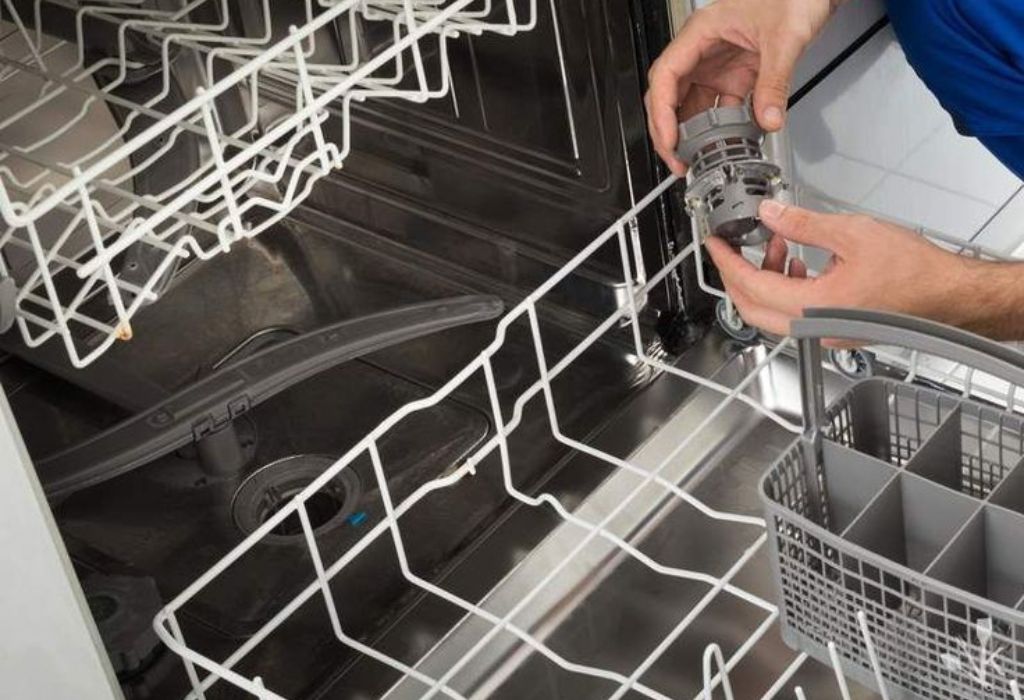
Some clogs are simple to repair, but certain situations require professional help. If water leaks from underneath the dishwasher, the problem may involve seals or internal hoses that are difficult to access. A technician can identify these hidden issues safely.
If the dishwasher shuts off repeatedly during the drain cycle, the motor may be overheating. Diagnosing electrical or mechanical pump failures requires specialized tools. A professional can test each component accurately.
Dishwashers with advanced sensors or multiple drain pathways also benefit from expert repair. Complex internal structures make troubleshooting difficult without experience. Technicians understand how these systems interact during draining.
If you detect burning smells or visible electrical damage, stop using the dishwasher immediately. Electrical failures can worsen quickly and create safety risks. A qualified technician should inspect the control board in these cases.
When multiple components fail at the same time, the root cause may be deeper than a simple clog. Technicians trace issues that are not obvious to homeowners. Their expertise ensures correct and long lasting repairs.
Calling a professional prevents accidental damage caused by incorrect repairs. It also protects warranties on newer dishwashers. Knowing when to seek help saves time and reduces stress.
Conclusion
Repairing a clogged dishwasher becomes much easier once you understand how water flows through the appliance and how small blockages can affect multiple components at the same time.
Most clogs begin with simple issues such as filter buildup, sump obstruction or debris stuck in the drain hose.
By checking each part carefully, you can diagnose the cause accurately and restore normal draining without unnecessary replacements.
A clogged dishwasher often shows early signs long before a full failure occurs. Slow draining, gurgling noises and standing water indicate that the system is struggling to move water through its pathways.
Acting quickly when these symptoms appear prevents further damage to the pump and reduces the risk of electrical strain.
Cleaning the filters, pump, hose and air gap removes the most common sources of blockage. These simple steps allow water to move freely through the dishwasher and help the pump operate without resistance.
In many cases, clearing these areas fully resolves the issue and prevents future clogs from forming.
Some problems go beyond physical blockages and involve electrical or mechanical faults. Weak voltage, faulty relays or a failing control board can mimic clog symptoms and cause repeated draining failures.
Testing these components ensures that the dishwasher receives stable power and responds correctly to drain commands.
When the clog is fixed and the dishwasher drains smoothly again, the entire appliance performs better. Strong water flow improves cleaning results, prevents odors and keeps internal parts working efficiently.
With regular maintenance and early attention to warning signs, you can keep your dishwasher running reliably and avoid major repairs.

I’m Emma J. Caldwell, the founder, lead writer, and home-cooking enthusiast behind KitchenGuideCo.com. With a background in culinary arts and over a decade of cooking experience in both professional and personal kitchens, I created this platform to demystify recipes, offer smart kitchen gadget reviews, and guide readers through meal prep with confidence and clarity.