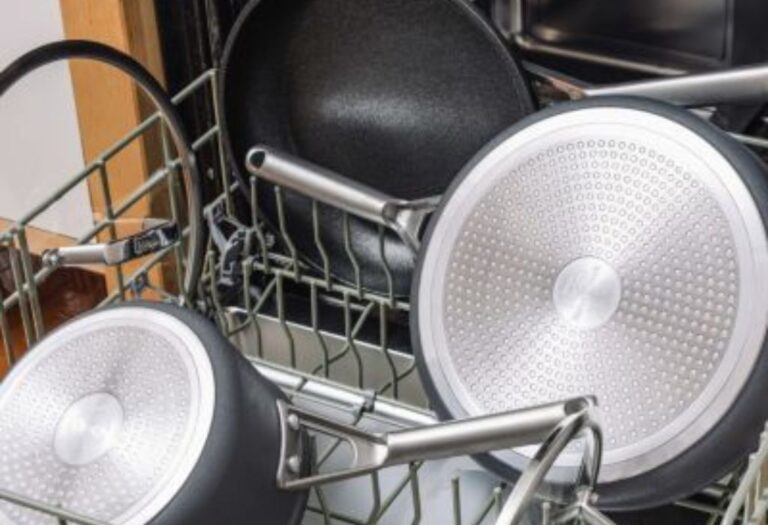
Opening your dishwasher after a cycle should release a burst of fresh, clean steam — not a sour smell or cloudy residue. Yet, even the most advanced dishwashers can develop odors, buildup, and bacterial growth over time.
This happens because grease, detergent residue, and food particles accumulate in hidden corners, forming layers that ordinary wash cycles can’t reach.
Many homeowners assume that because a dishwasher uses hot water, it cleans itself. Unfortunately, that’s a common misconception.
While high temperatures help clean dishes, the machine’s interior, especially its filters, spray arms, and rubber seals, often traps moisture and leftover grime. Over time, this creates the perfect breeding ground for bacteria and mold.
Sanitizing your dishwasher isn’t just about making it look clean; it’s about ensuring it stays hygienic, odor-free, and efficient.
A sanitized dishwasher improves water flow, boosts temperature accuracy, and prevents unpleasant smells from transferring to your dishes. It also extends the life of the appliance by reducing strain on the heating element and pumps.
With a few simple cleaning ingredients like vinegar and baking soda, you can eliminate germs and restore freshness naturally. Proper sanitization combines high heat, thorough scrubbing, and regular maintenance to ensure your dishwasher runs at its best.
This guide will show you exactly how to sanitize your dishwasher step-by-step, from deep cleaning hidden parts to maintaining long-term hygiene.
Whether you’re dealing with bad smells, cloudy buildup, or lingering bacteria, these techniques will help your machine sparkle like new again.
How to Sanitize a Dishwasher
Opening your dishwasher after a wash should feel refreshing, not unpleasant. But if you smell a sour, musty odor or see cloudy buildup, your dishwasher is due for a deep clean.
Despite handling hot water daily, food particles, grease, and soap residue often collect in hidden areas over time.
This buildup becomes a breeding ground for bacteria and mold, affecting both hygiene and performance. Sanitizing your dishwasher removes these contaminants, keeping the machine fresh and your dishes spotless.
Many homeowners skip this maintenance, thinking high temperatures alone handle the job, but that’s only half true.
Heat helps sterilize dishes during a wash, but it doesn’t always clean the inner components. Filters, seals, and spray arms trap moisture and debris that can breed odor-causing microbes. Over time, this can reduce cleaning efficiency and shorten your dishwasher’s lifespan.
Learning how to sanitize your dishwasher ensures it runs efficiently and safely. You don’t need professional tools or harsh chemicals, just consistency and a few simple household items. The process restores performance, prevents odor, and keeps your kitchen hygienic year-round.
Let’s explore why sanitizing matters, how to do it step by step, and what mistakes to avoid for a sparkling clean machine that smells as fresh as it looks.
Why Sanitizing Your Dishwasher Matters
Even though your dishwasher is designed to clean, it’s not self-sanitizing. After repeated cycles, grease, detergent residue, and food scraps accumulate inside. This buildup creates the perfect environment for bacteria, mold, and mildew growth.
The heat and moisture that make your dishwasher effective for cleaning also make it ideal for microbial growth. When the temperature drops after a cycle, damp surfaces allow bacteria to multiply. That’s often why odors return even when dishes appear clean.
Sanitizing eliminates these contaminants by using hot water, natural acids, or sanitizing agents to disinfect every surface. The U.S. Environmental Protection Agency recommends disinfecting moist kitchen areas regularly, and your dishwasher is no exception.
Cleanliness isn’t just about aesthetics; it affects your health and appliance performance. Residue on the filter or heating element can block proper water flow, preventing heat from reaching sanitizing levels. This means even if the cycle runs, the results won’t meet hygiene standards.
Regular sanitizing also prevents mineral scale from forming on heating components. When limescale builds up, it acts as insulation, making your dishwasher use more energy to reach the same temperature. This increases utility costs and shortens heater lifespan.
Keeping your dishwasher sanitized ensures your plates, glasses, and utensils truly come out germ-free. It’s a small habit that makes a big difference in both cleanliness and efficiency.
Can a dishwasher clean itself during normal use?
Not completely. While hot water helps, food residue and grease still cling to filters and corners.
Why does my dishwasher smell bad even after a wash?
Bacteria and mold thrive in damp crevices that normal cycles don’t reach.
Is sanitizing the same as cleaning?
No, cleaning removes debris, while sanitizing kills germs and microbes that cause odors.
How often should I sanitize the dishwasher?
At least once a month, or more often if you notice unpleasant smells.
Does sanitizing help prevent limescale?
Yes, sanitizing with vinegar or a descaler dissolves mineral deposits before they harden.
Step-by-Step Guide to Sanitizing Your Dishwasher
Sanitizing your dishwasher is easier than it sounds, but the steps must be done in the right order. Following a simple monthly routine can keep your appliance running like new. Let’s go through each step in detail to ensure deep and lasting cleanliness.
Step 1: Empty the Dishwasher
Start by removing all dishes, racks, and utensil holders. Sanitizing should always be done with an empty machine so cleaning agents reach every corner. If racks are detachable, wash them separately with warm water and mild soap.
Step 2: Clean the Filter
Remove the filter from the bottom of the tub and rinse it under hot water. Use a soft brush or old toothbrush to scrub away grease and leftover debris. A clean filter allows better water flow and improves heat circulation during washes.
Step 3: Wipe the Interior
Mix warm water with a few drops of dish soap and use a microfiber cloth to wipe down the door, walls, and gasket seals. Grease tends to hide along the door edges and under the detergent dispenser. Regular wiping prevents buildup and keeps mold from forming.
Step 4: Run a Vinegar Cycle
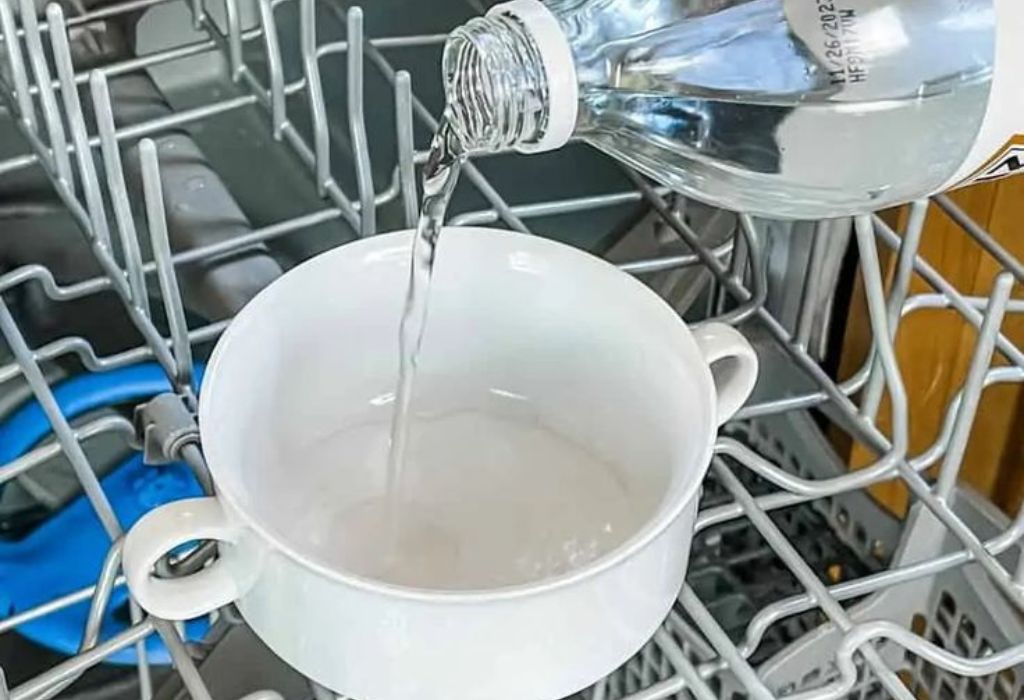
Place a cup of white vinegar in a dishwasher-safe bowl on the top rack. Run a complete hot-water cycle without detergent. Vinegar naturally kills bacteria, dissolves grease, and eliminates musty odors while being safe for your machine.
Step 5: Add a Baking Soda Rinse
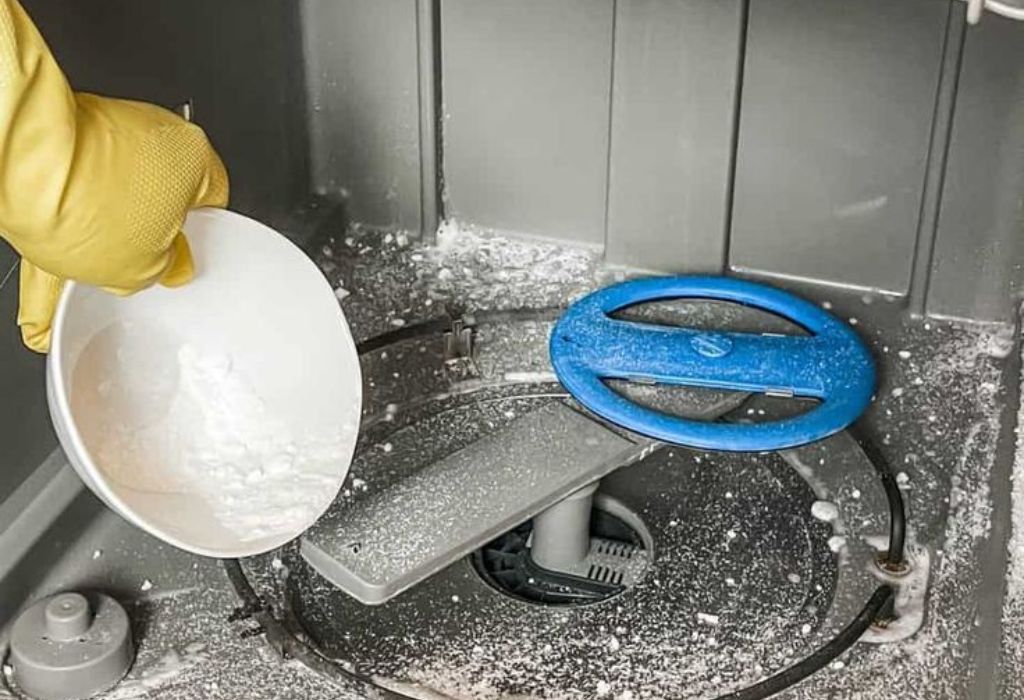
After the vinegar cycle, sprinkle one cup of baking soda evenly on the bottom of the tub. Run a short hot rinse. Baking soda neutralizes odors, removes stains, and polishes the stainless steel interior to a bright shine.
Step 6: Optional Bleach or Sanitizer Cycle
If your dishwasher has heavy mold or mildew, use a tablespoon of bleach mixed with a gallon of water for a separate cycle — but only if the interior is white. Never use bleach on stainless steel; it can corrode metal surfaces.
By following these steps monthly, you’ll prevent odor, bacterial growth, and mineral accumulation, keeping your dishwasher in perfect condition.
Best Temperature and Cycle for Sanitization
The ideal sanitizing temperature for dishwashers ranges from 150°F to 160°F (65°C–71°C). At this level, nearly all bacteria are destroyed, ensuring true sterilization. Most modern dishwashers feature a Sanitize or Hygiene setting that automatically reaches this temperature.
If your dishwasher doesn’t have a dedicated sanitize mode, running the hottest cycle with vinegar achieves similar results. It’s an eco-friendly and chemical-free alternative for homes aiming to stay green.
Maintaining proper water heater settings is equally important. Your home water heater should be at least 120°F, ensuring the dishwasher can raise it to the required level. Lower temperatures may fail to sanitize, while excessively high temperatures can damage delicate items.
Energy-efficient dishwashers often include sensors that adjust heating based on water temperature and soil level. This smart technology guarantees that heat is distributed effectively during every wash.
Running one high-heat cycle each month prevents bacteria buildup in hidden parts like spray arms and drains. It also helps the internal heating element stay free of residue, preserving long-term performance.
Sanitization isn’t just about hygiene—it’s about maximizing efficiency. When your dishwasher maintains the correct temperature, it uses less detergent and energy to achieve cleaner results.
What temperature kills bacteria inside the dishwasher?
Around 150°F is considered the most effective for eliminating 99.9% of germs.
Can I rely on the sanitize setting every day?
No, frequent use wastes energy and stresses parts. Use it once or twice a month.
Is vinegar enough to sanitize the dishwasher?
Yes, vinegar is a natural disinfectant and removes grease effectively.
Does hot water improve drying too?
Yes, hotter rinse water evaporates faster, leaving dishes spotless and dry.
What happens if the dishwasher runs too cool?
Cooler water won’t dissolve detergent properly or eliminate germs effectively.
Key Areas People Often Miss While Sanitizing
Even with regular cleaning, several hidden spots in your dishwasher often escape attention. These overlooked areas accumulate grease, food particles, and moisture, becoming the source of bad odors and bacterial growth.
Sanitizing only the visible surfaces gives partial results; true hygiene requires cleaning every hidden crevice.
The spray arms are one of the most neglected components. They spin rapidly during cycles to distribute hot water evenly, but over time, small food particles or mineral deposits can clog their tiny nozzles.
When this happens, the water spray becomes weaker, leaving dishes dirty. Removing the arms periodically and cleaning the holes with a toothpick or soft brush restores full water pressure.
Another overlooked area is the utensil basket, which often traps grease and residue from cutlery. Although it’s constantly exposed to hot water, grime can still cling to the mesh or plastic grid.
Soak the basket in a mixture of warm water and white vinegar for fifteen minutes, then rinse it thoroughly to remove buildup.
The door gasket, or rubber seal, is also a hotspot for mold growth. This seal traps moisture and detergent foam, creating a damp environment where mold and mildew thrive. Wipe it down with a cloth soaked in vinegar or baking soda paste weekly to prevent discoloration and odor.
Few people check the detergent dispenser, but residue often collects around its edges and hinges. This residue can harden and prevent the dispenser door from opening properly during a cycle. Clean it gently with a soft brush to maintain proper detergent flow.
Lastly, the drain area at the bottom of the tub tends to collect food particles that don’t wash away. If left unchecked, this can lead to clogs and stagnant water. Remove visible debris with a paper towel and rinse with boiling water to dissolve grease and soap film.
By paying attention to these small but critical areas, you’ll improve your dishwasher’s efficiency, eliminate recurring odors, and ensure each sanitization effort works completely.
How do I unclog the spray arm holes?
Remove the arms and use a toothpick or soft brush to clear the blocked nozzles, then rinse thoroughly.
Why does my dishwasher still smell after cleaning?
Hidden residue in the filter, door gasket, or drain is likely the cause; clean those areas separately.
Can mold grow inside the door gasket?
Yes, constant moisture makes it a perfect breeding ground; wipe it with vinegar weekly.
Should I remove the utensil basket before sanitizing?
Yes, soaking it separately ensures grease and trapped food particles are completely removed.
Is cleaning the drain necessary every time I sanitize?
It’s best to check it monthly, especially if you use your dishwasher daily.
Maintenance Tips After Sanitizing
Once your dishwasher is fully sanitized, a few simple habits will keep it cleaner for longer. Maintenance doesn’t take much time but ensures the interior stays fresh and bacteria-free between deep cleaning sessions.
First, leave the door slightly open after each cycle. This allows air circulation, drying the interior quickly and preventing mold growth. A closed, damp environment is where unpleasant odors usually begin to form.
Second, wipe the interior walls and seals once a week with a microfiber cloth. Even light residue or soap film can encourage bacteria to grow if left alone. Keeping surfaces dry and clean improves both hygiene and appearance.
Avoid using too much detergent. Excess soap doesn’t clean better; instead, it leaves behind sticky residue that traps debris. Follow the manufacturer’s dosing recommendations or consider using detergent pods for consistent results.
For households with hard water, use a descaling solution or dishwasher cleaner every two months. Hard water leaves calcium deposits on heating elements, reducing their ability to reach sanitizing temperatures efficiently. Descaling ensures optimal performance and energy savings.
If your dishwasher has a self-clean cycle, run it once a month with vinegar or a specialized cleaner. This feature flushes out hidden debris and sanitizes internal parts automatically, reducing manual effort.
Finally, keep an eye on the filter and drain area. Rinse the filter weekly and check the drain for trapped food or grease. A clean filter allows hot water to circulate evenly, maintaining consistent heat distribution during every wash.
By following these habits, you’ll preserve your dishwasher’s sanitization and efficiency for years. It will not only clean better but also run quieter, smell fresher, and consume less power.
Conclusion
A sanitized dishwasher means healthier dishes, cleaner air, and a longer-lasting appliance. Though it might seem like extra work, monthly sanitization keeps your machine performing at its peak. It removes hidden bacteria, prevents bad odors, and ensures spotless results every time.
Using natural agents like vinegar and baking soda is a safe, affordable, and eco-friendly way to disinfect thoroughly.
These ingredients break down grease and residue while neutralizing unpleasant smells. Combined with high-heat cycles, they create a powerful yet gentle cleaning routine.
By understanding where dirt hides and maintaining proper temperature levels, you can extend the lifespan of both your dishwasher and your dishes. A clean machine operates more efficiently, uses less energy, and keeps your kitchen healthier.
Every time you open that steaming dishwasher door and see sparkling dishes, remember — that freshness comes from consistent care and regular sanitizing. The effort is small, but the reward is a spotless kitchen and peace of mind that every plate and glass is truly clean.

I’m Emma J. Caldwell, the founder, lead writer, and home-cooking enthusiast behind KitchenGuideCo.com. With a background in culinary arts and over a decade of cooking experience in both professional and personal kitchens, I created this platform to demystify recipes, offer smart kitchen gadget reviews, and guide readers through meal prep with confidence and clarity.