Food processor blades become dull over time because they cut through vegetables, nuts, fruits, and other tough ingredients.
When the blades lose sharpness, the machine stops performing well and starts turning food mushy instead of chopping cleanly. Many people think replacing the blades is the only solution, but sharpening them can restore performance easily.
A sharp blade helps the food processor work faster and more evenly. It gives consistent cuts and reduces strain on the motor. Sharpening the blades also improves safety because a dull blade forces you to push harder, increasing the chance of slipping.
Metal blades naturally lose edges after long use. Luckily, they can be sharpened using simple tools at home. With proper technique and patience, you can extend the life of your blades for months or even years.
This guide explains how to sharpen food processor blades safely and effectively. It covers preparation, sharpening methods, step by step instructions, and mistakes to avoid. Once you follow the steps, your food processor will work like new again.
Why Food Processor Blades Become Dull
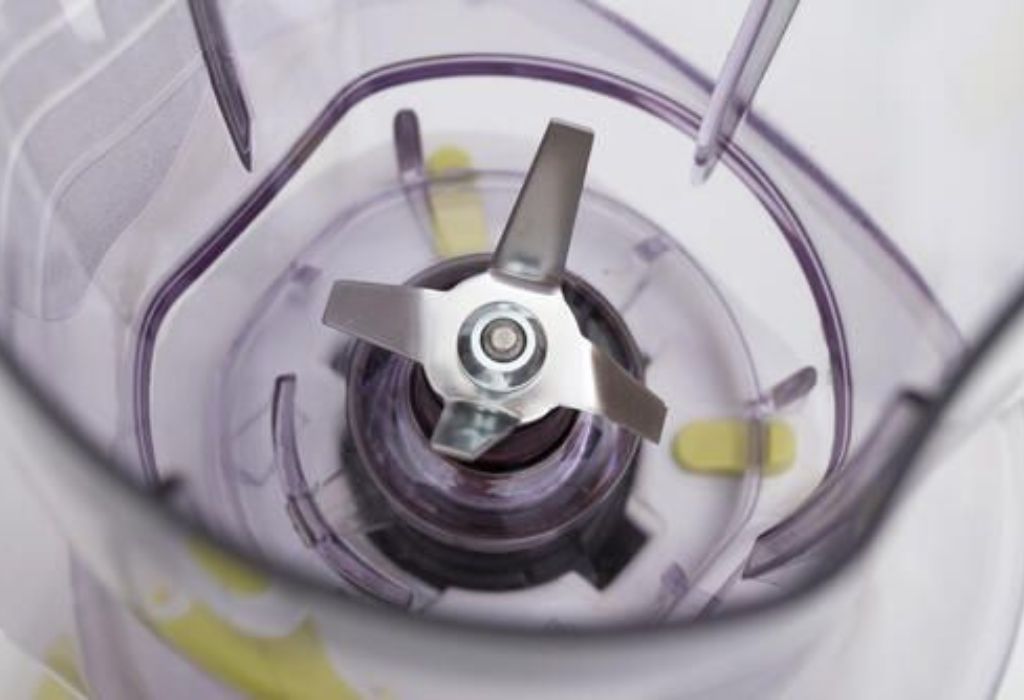
Food processor blades dull because they cut through hard and soft ingredients repeatedly. Every time they hit vegetables, nuts, or frozen items, the edges wear down. This constant impact reduces sharpness over time.
Blades also become dull when food acids or moisture cause small surface corrosion. A thin layer of oxidation builds up, which reduces cutting efficiency. Cleaning and drying blades properly prevents this.
Some people use the processor for tasks it is not designed for. Crushing ice or grinding bones damages the edge quickly. These tasks require stronger, reinforced blades.
Regular friction between ingredients and the blade reduces sharpness gradually. Even soft foods contribute to long-term wear. Using the processor frequently speeds up this process.
Improper storage can also dull the blade. When the blade rubs against other metal tools, it loses its edge. Keeping it separate from utensils protects the cutting surface.
Dishwasher use sometimes causes blade degradation. Strong detergents and heat slowly weaken the blade edge. Hand washing preserves sharpness longer.
Blades dull naturally, but proper sharpening restores performance without replacement.
Tools You Need to Sharpen Food Processor Blades
A sharpening stone is one of the best tools for restoring blade edges. It provides even sharpening and removes tiny imperfections. Stones work well for most metal blades.
A fine grit diamond file is useful for polishing edges. Diamond files work quickly and remove minimal metal. They create a smooth and sharp finishing edge.
Sandpaper with fine grit can also sharpen blades effectively. It helps smooth out small burrs and minor dull spots. Sandpaper works well for beginners.
A honing rod is useful for maintaining already sharp edges. It straightens the blade rather than removing metal. This helps preserve sharpness for longer.
Safety gloves are essential when sharpening blades. Food processor blades are sharp even when dull. Gloves prevent accidental cuts.
A clean towel or microfiber cloth helps with drying and wiping the blade. Keeping the blade clean ensures more effective sharpening.
Rubbing alcohol removes food residue and oils before sharpening. Cleaning the blade makes the sharpening process smoother.
How to Prepare Food Processor Blades Before Sharpening
Start by unplugging the food processor completely. Removing power ensures safety during blade handling. Working with blades requires full attention.
Carefully detach the blade assembly from the food processor. Most blades lift out easily when the bowl is removed. Handle the blade from the center hub to avoid cuts.
Wash the blade thoroughly with warm soapy water. Cleaning removes leftover food that interferes with sharpening. Dry the blade completely afterward.
Inspect the blade for deep chips or bends. Severe damage may not be fixable at home. These cases require replacement rather than sharpening.
Place the blade on a stable surface before sharpening. A steady work area keeps the blade secure. Stability helps you sharpen evenly.
Clean the blade with rubbing alcohol. This removes oils and increases friction during sharpening. A clean metal surface sharpens more effectively.
Wear gloves before beginning the sharpening process. Gloves protect your hands and help you grip the blade safely.
Step by Step Method to Sharpen Food Processor Blades
Hold the blade securely from the center hub and position it against the sharpening stone. Make sure the sharp edge meets the surface at the correct angle. Keeping a steady angle is important for sharp results.
Slide the blade along the stone using long, smooth strokes. Each stroke should follow the curve of the blade. Applying consistent pressure prevents uneven sharpening.
Flip the blade and sharpen the other side. Both sides need equal attention to maintain balance. Uneven sharpening affects chopping performance.
Continue sharpening until the edge feels smooth and sharp. You can test sharpness by lightly brushing a piece of paper. A sharp blade cuts easily without tearing.
Use a diamond file to refine the edge. The file polishes the blade and removes tiny burrs. Burr removal increases sharpness and safety.
Wipe the blade clean with a cloth. Removing metal dust improves hygiene. A clean blade maintains better performance.
Reattach the blade to the food processor after sharpening. Make sure it clicks securely. A properly installed blade ensures safe operation.
How often should I sharpen the blades?
Sharpen them every few months depending on usage.
Can all food processor blades be sharpened?
Most metal blades can be sharpened, but plastic ones cannot.
Is a sharpening stone necessary?
No, fine sandpaper or a diamond file works well.
Do I need to remove the blade to sharpen it?
Yes, sharpening while attached is unsafe.
Can sharpening fix bent blades?
No, bent blades must be replaced.
How to Maintain Sharpness After Sharpening
Always wash the blade by hand after each use. Dishwashers reduce sharpness faster. Hand washing protects the edge longer.
Dry the blade completely before storing it. Moisture causes rust that dulls edges. Dry blades maintain cutting power.
Avoid processing extremely hard items. Ice, bones, or frozen blocks damage the edge quickly. Use tools designed for those tasks.
Store blades in a protective cover or separate compartment. Contact with other utensils dulls the edge. Proper storage preserves sharpness.
Use a honing rod occasionally to straighten the blade. Honing keeps the blade aligned and sharp. This reduces the need for frequent sharpening.
Check the blade regularly for wear and tear. Early detection of dullness makes sharpening easier. Maintaining sharpness prevents performance loss.
Sharpen lightly rather than aggressively. Removing too much metal shortens blade life. Gentle sharpening is best.
Why does my blade dull so quickly?
Hard foods and dishwasher cycles dull blades fast.
Can I sharpen serrated food processor blades?
No, serrated blades must be replaced.
Is sharpening safe for beginners?
Yes, if gloves and proper tools are used.
Will sharpening make the processor stronger?
It improves cutting but does not affect motor power.
How do I know when the blade is sharp?
It cuts paper cleanly and feels smooth.
Common Mistakes When Sharpening Food Processor Blades
Applying too much pressure on the sharpening stone removes too much metal. This weakens the blade edge. Gentle pressure gives better results.
Sharpening at the wrong angle makes the blade uneven. Each blade has a natural edge angle you must follow. Incorrect angles reduce cutting performance.
Skipping cleaning before sharpening causes debris to scratch the blade. Dirt interferes with sharpening strokes. Clean surfaces sharpen faster.
Sharpening only one side leads to imbalance. Both sides must be equally sharpened. This keeps the blade centered and effective.
Using coarse grit sandpaper removes metal aggressively. Fine grit is safer for delicate food processor blades. Coarse grit may damage the edge.
Not checking the blade for cracks before sharpening is risky. Cracked blades can break during sharpening. Always inspect first.
Rushing the process causes uneven sharpening. Taking time produces a smooth, strong edge.
Can sharpening damage the blade?
Only if too much pressure or coarse grit is used.
Do new blades need sharpening?
No, new blades are already factory-sharp.
How long does home sharpening take?
Usually five to ten minutes.
Is it better to sharpen or replace?
Sharpen if edges are dull, replace if damaged.
Do food processor brands affect sharpening?
No, sharpening works the same for all brands.
Safety Tips When Sharpening Food Processor Blades
Wear cut-resistant gloves before handling the blade. Even dull blades can cut skin easily. Gloves provide strong protection.
Always unplug the food processor before removing the blade. This prevents accidental activation. Safety starts with power control.
Sharpen the blade on a stable surface. Shaky tables increase risk of slipping. Stability ensures safe sharpening strokes.
Keep your fingers away from the sharp edges. Hold the blade by the center hub only. This grip reduces the chance of cuts.
Do not rush while sharpening. Slow, controlled movements prevent accidents. Rushing increases risk of slipping.
Avoid sharpening when tired or distracted. Focus is important for handling sharp tools. A calm state ensures safer sharpening.
Clean up metal shavings after sharpening. Shavings can be sharp and harmful. Proper cleanup keeps the area safe.
Conclusion
Sharpening food processor blades is an effective way to restore cutting power and improve performance.
With simple tools like sharpening stones or diamond files, you can bring dull blades back to life quickly. Proper sharpening creates cleaner cuts, faster processing, and more consistent results.
Following preparation steps ensures the blade is safe and ready for sharpening. Cleaning, inspecting, and securing the blade helps avoid mistakes. Taking time to sharpen both sides evenly produces the strongest edge.
Regular maintenance keeps the blade sharper for longer. Hand washing, proper storage, and avoiding hard foods prevent dulling. With consistent care, your food processor continues working efficiently for years.

I’m Emma J. Caldwell, the founder, lead writer, and home-cooking enthusiast behind KitchenGuideCo.com. With a background in culinary arts and over a decade of cooking experience in both professional and personal kitchens, I created this platform to demystify recipes, offer smart kitchen gadget reviews, and guide readers through meal prep with confidence and clarity.