Steam baking is a technique that introduces moisture into the oven during the early stages of baking. This moisture changes how heat interacts with the surface of food, especially dough based recipes. The result is better rise, improved texture, and a more controlled crust formation.
Many home ovens do not include a built-in steam function. Despite this, steam baking can still be achieved using simple tools and controlled methods. Understanding how steam works inside the oven is the key to applying it safely and effectively.
This guide explains how to steam bake in an oven using practical methods suitable for home kitchens. It covers the science of steam, equipment options, safety rules, and preparation steps. Mastering steam baking allows consistent results across bread, pastry, and roasted foods.
What Steam Baking Means and Why It Works
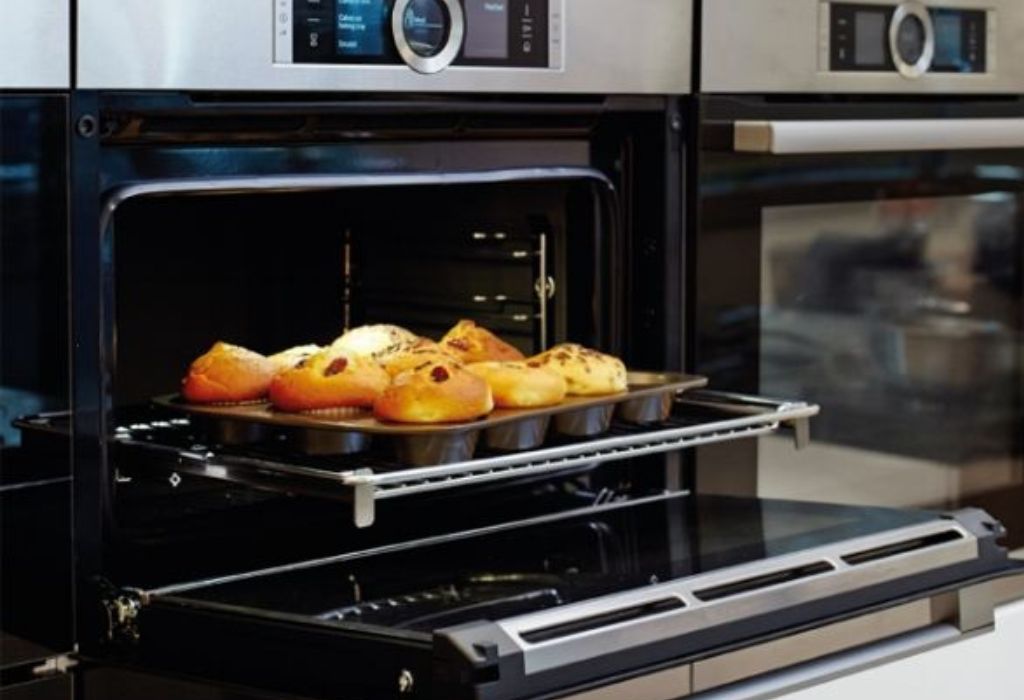
Steam baking refers to the controlled introduction of water vapor into the oven during the initial baking phase. This vapor raises surface humidity and delays crust formation. Delayed crust allows dough to expand more freely during oven spring.
Steam also improves heat transfer at the surface of food. Moist air transfers heat more efficiently than dry air alone. This leads to faster initial energy absorption by the outer layer of dough.
As steam condenses on the food surface, it releases latent heat. This additional heat boost improves expansion and internal structure development. The result is a lighter crumb with more open cell structure.
Steam also affects starch gelatinization on the surface of baked goods. This creates a thin, flexible outer layer early in the bake. Once steam dissipates, the crust hardens more evenly.
Without steam, crust forms too quickly and restricts expansion. This leads to dense internal texture and dull surface color. Steam baking solves this limitation by controlling surface timing.
Understanding this interaction explains why professional bakeries rely heavily on steam. Home ovens can replicate these effects with proper technique. Steam baking transforms heat behavior rather than simply adding moisture.
What is the main purpose of adding steam in baking?
Steam delays crust formation and allows better dough expansion.
Does steam increase bread volume?
Yes, steam supports stronger oven spring during early baking.
Is steam useful for every type of baked item?
No, crackers and dry biscuits do not benefit from steam.
Does steam change internal crumb texture?
Yes, it helps create a softer and more open crumb structure.
Can steam improve crust shine naturally?
Yes, steam gelatinizes surface starch and improves natural glaze.
Foods That Benefit Most From Steam Baking
Bread is the primary food that benefits from steam baking. Artisan loaves require steam for proper expansion before crust setting. Steam creates glossy crusts and enhanced volume.
Crusty rolls and baguettes depend heavily on steam during early baking. Steam allows the outer layer to stretch without tearing. This produces thin yet crisp crusts once moisture evaporates.
Pastries such as croissants also benefit from light steam. Steam improves lift and flakiness without causing sogginess. It supports better layer separation during lamination.
Certain roasted foods also benefit slightly from steam. Steam helps prevent surface drying during early roasting. This keeps interior moisture locked in for meats and vegetables.
Pizza dough benefits indirectly from controlled steam exposure. Initial steam supports oven spring before high heat sets the crust. This enhances crumb structure without softening final texture.
Foods that rely on crisp dry crusts at the start do not benefit from steam. Crackers and dry biscuits require immediate humidity removal. Knowing which foods benefit ensures correct steam application.
Understanding Moisture, Heat, and Crust Formation
Crust formation begins when surface moisture evaporates and starches gelatinize. High surface humidity delays evaporation during early baking. This delay is critical for allowing expansion.
Moist heat transfers energy more quickly into the dough surface. This improves initial gas expansion within the dough matrix. Rapid internal expansion increases loaf height and volume.
As steam dissipates, surface moisture leaves and crust begins to harden. This transition controls final crust thickness and texture. Proper timing of this transition is essential.
If steam lasts too long, crust may remain soft and pale. If steam is absent, crust sets too early and restricts rise. Balance between moisture and dry heat is necessary.
Steam also influences enzymatic activity at the dough surface. Surface enzymes remain active longer in humid conditions. This enhances browning reactions later in the bake.
This interaction between moisture and heat defines successful steam baking. Every method seeks to control this balance precisely. Proper moisture timing is the foundation of professional bake quality.
Built-In Steam Ovens vs Manual Steam Baking
Some modern ovens include built-in steam injection systems. These ovens release measured bursts of steam directly into the baking chamber. This provides accurate humidity control.
Built-in steam ovens allow programmable humidity levels. The user can select steam percentages for different recipes. This ensures consistent results across multiple bakes.
Most home ovens do not include built-in steam systems. Manual steam baking methods are used instead. These methods rely on external water sources introduced during baking.
Manual steam methods require careful timing and safety precautions. Water must never contact heating elements directly. Improper water placement can cause equipment damage.
Built-in steam provides convenience and precision but increases appliance cost. Manual methods require more attention but produce excellent results when done correctly. Both approaches rely on the same moisture principles.
Choosing between built-in and manual steam depends on budget and baking frequency. Home bakers can achieve near professional results using manual methods with proper technique. Built-in systems simply automate the process.
Tools and Equipment Needed for Steam Baking
A heat safe metal tray is the most common steam generating tool. This tray holds water and produces instant steam when heated. It must withstand high thermal shock.
A cast iron pan is ideal for high steam output. Cast iron retains heat and flashes water into steam quickly. This creates dense vapor in seconds.
A spray bottle is used for light surface misting. It provides controlled moisture on dough surfaces before baking. Spray usage must avoid direct contact with oven light and elements.
Oven gloves are mandatory during steam handling. Steam burns skin faster than dry heat at the same temperature. Thick insulated gloves prevent serious injury.
A kettle or heat safe measuring cup helps pour water precisely. Controlled water placement prevents splashing. Accurate pouring also improves steam timing.
These tools form the basic steam baking setup. No special equipment is strictly required. Proper tool selection improves safety and consistency.
Basic Safety Rules Before Introducing Steam
Steam baking introduces both heat and moisture hazards. Water expands rapidly into vapor at baking temperatures. This expansion creates pressure and severe burn risk.
Never pour water directly onto the oven door glass. Rapid temperature change can shatter glass instantly. Always aim water into preheated metal vessels.
Never reach into the oven during active steam release. Facial exposure to steam causes immediate burns. Always stand back when adding water.
Use only heat safe containers for steam generation. Glass and thin ceramic containers may crack under thermal shock. Heavy metal is always safer.
Never allow water to pool on the oven floor near heating elements. Water contacting active elements causes electrical failure and popping hazards. Controlled placement prevents this risk.
Following safety rules is essential for steam baking success. Burn injuries occur faster from steam than dry heat. Safe water handling protects both the user and the appliance.
Can direct steam contact cause instant skin burns?
Yes, steam burns skin faster than dry oven heat.
Is it dangerous to pour water directly on heating elements?
Yes, it can cause electrical failure and popping hazards.
Can steam baking crack a glass oven door?
Yes, if cold water touches hot glass suddenly.
Should oven gloves always be used during steam baking?
Yes, gloves protect against both heat and steam burns.
Can repeated steam baking cause rust inside the oven?
Yes, if moisture is not vented and dried properly.
Preparing the Oven for Steam Baking
The oven must be fully preheated before steam is introduced. Proper preheating ensures immediate vaporization of water. Cold ovens cannot generate effective steam quickly.
Place the steam tray on the lowest rack during preheating. This location keeps moisture away from rising dough. Rising dough requires dry upper heat for proper structure.
Upper racks should remain free for baking trays. Proper rack positioning ensures even exposure to humid air. Air circulation must remain unrestricted.
Allow at least twenty minutes for full thermal saturation. Metal walls and trays must reach stable temperature. Saturated metal produces stronger steam yields.
Remove all unnecessary cookware during preheating. Extra mass absorbs heat and weakens steam output. Clean oven interior improves moisture distribution.
Preparation defines steam quality before baking begins. Proper oven setup ensures predictable moisture behavior. Inconsistent preparation leads to weak or delayed steam generation.
When to Add Steam During the Baking Process
Steam should be added during the first five to ten minutes of baking. This window controls crust development and oven spring. Late steam application interferes with browning.
Early steam softens the dough surface during rapid expansion. This prevents tearing of the outer structure. Once expansion completes, steam should dissipate.
For most bread types, steam is unnecessary after the initial phase. Removing moisture allows crust to harden properly. Continued steam traps moisture and softens the crust.
Steam should never be added during the final baking phase. Dry heat is required for full color development. Late steam dulls crust appearance.
Timing must align with dough structure and hydration level. High hydration dough benefits from slightly longer steam exposure. Lower hydration dough requires shorter steam duration.
Mastering steam timing defines the success of steam baking. Early moisture supports rise while dry finish controls texture. Precise timing creates professional results.
When is steam supposed to be added in baking?
Steam should be added only during the first few minutes of baking.
Is it bad to add steam near the end of baking?
Yes, late steam prevents proper crust hardening and browning.
How long should steam stay inside the oven?
Usually five to ten minutes based on dough hydration.
Does high hydration dough need more steam time?
Yes, it benefits from slightly longer early steam exposure.
Can steam be added multiple times during one bake?
No, repeated steam disrupts crust formation and texture.
Manual Steam Baking Methods for Home Ovens
One of the most common manual steam methods uses a preheated metal tray filled with boiling water. When water contacts the hot tray, it instantly converts into dense steam. This steam spreads throughout the oven cavity and raises humidity rapidly.
Another method uses a cast iron pan placed on the lowest rack during preheating. Water is poured into the pan immediately after loading the dough. Cast iron produces stronger initial steam due to superior heat retention.
A third method involves spraying the oven walls lightly with water using a spray bottle. This technique must be used with caution to avoid electrical components. It produces light surface steam rather than chamber saturated steam.
Ice cube steaming is also used by some bakers. A few ice cubes placed in a hot pan release steam gradually. This method is slower but reduces splash hazards.
Each manual method has different steam intensity and duration. Strong initial steam benefits artisan bread most. Light misting works better for pastries and rolls.
Is boiling water better than cold water for steam baking?
Yes, boiling water flashes into steam faster and more effectively.
Can I use ice cubes instead of hot water?
Yes, but ice creates slower and weaker steam than boiling water.
Is spraying oven walls safe for steam?
Yes, if electrical parts and oven light are avoided carefully.
Does cast iron create stronger steam than metal trays?
Yes, cast iron retains more heat and generates dense steam quickly.
Can steam be created without any tray or pan?
Only light surface moisture is possible without a steam container.
Step by Step Steam Baking Process for Bread
The oven must be fully preheated with a metal steam tray inside. Bread dough should be scored and loaded onto the baking surface quickly. Immediate steam introduction is required after loading.
Boiling water is poured into the steam tray using a heat safe cup. The oven door is closed instantly to trap moisture. This creates a high humidity environment for early oven spring.
After five to ten minutes, excess steam should be released. The steam tray can be removed carefully using thick gloves. Dry heat continues the remainder of the bake.
This transition allows crust to harden gradually. The outer surface becomes crisp while the interior structure sets properly. Proper timing prevents leathery or pale crusts.
Internal bread temperature determines doneness after steam removal. Most artisan loaves finish baking without additional moisture. Controlled early steam defines final loaf volume and appearance.
Steam Baking for Pastry and Laminated Dough
Pastry dough benefits from lighter steam than bread dough. Steam enhances layer separation and lift during initial baking. Excess steam causes butter leakage and soggy layers.
Light surface misting works best for croissants and puff pastry. Mist is applied just before placing trays into the oven. No internal steam tray is usually needed.
Steam softens outer layers briefly and allows rapid expansion. Once butter melts and layers separate, moisture must dissipate quickly. Dry heat then creates crisp flaky texture.
Manual tray steaming can be used at very low intensity for large pastry batches. Only a small amount of water should be used. Heavy steam damages lamination structure.
Pastry requires faster moisture removal than bread. Controlled light steam supports lift without trapping interior moisture. Timing control is more sensitive for pastry work.
Steam Baking for Pizza Dough and Flatbreads
Pizza dough benefits from steam only during its first moments in the oven. Initial steam promotes oven spring in thick crust styles. Thin crust pizzas usually do not require steam.
A light spray of the oven walls at loading time is sufficient. Moisture loosens surface tension and supports crust expansion. Heavy steam softens the crust excessively.
Steam is eliminated after the first two to three minutes. High dry heat then creates crisp blistered surfaces. Continued steam ruins the desired pizza texture.
Flatbreads such as naan and pita benefit from brief steam exposure. Steam supports bubble formation and interior pocket expansion. These breads require very short steam duration.
Steam use for pizza is optional and style dependent. Pan pizza and focaccia benefit more than thin crust styles. Technique selection depends on dough hydration and thickness.
Controlling Steam Release and Oven Venting
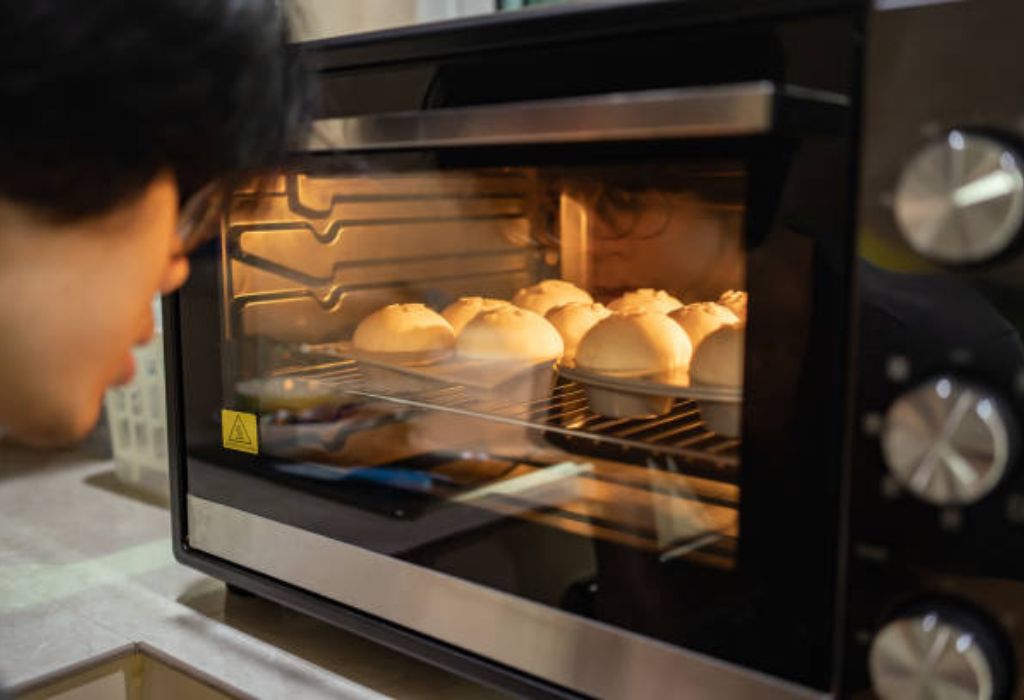
Steam must escape after the initial baking stage. Most home ovens naturally vent steam through door gaps. Manual venting can be assisted by briefly cracking the door.
Excess moisture must be removed for proper crust color development. Trapped humidity keeps surfaces pale and soft. Dry heat restores browning reactions.
Steam trays should be removed carefully after the steam phase. This prevents continued moisture evaporation. Removing water also stabilizes internal oven temperature.
Opening the door briefly allows fast vapor release. This must be done carefully to avoid burns. Maintaining safety distance is essential during venting.
Effective steam control requires both introduction and removal. Moisture timing shapes final crust texture. Proper venting completes the steam baking cycle.
Common Steam Baking Mistakes and How to Fix Them
Adding too much water is the most common steam baking mistake. Excess steam causes soggy crusts and delayed browning. Reducing water quantity improves control.
Adding steam too late interferes with dough expansion. Steam must happen during early baking only. Late steam traps moisture and prevents proper crust formation.
Pouring water onto glass surfaces causes thermal shock. This dangerous mistake can shatter oven glass instantly. Water must contact only heat safe metal.
Failing to preheat steam trays produces weak steam. Cold metal cannot flash water effectively. Proper preheating ensures immediate vapor production.
Over steaming pastry causes butter leakage and collapsed layers. Light misting is sufficient for laminated dough. Adjusting steam intensity fixes texture issues.
Conclusion
Steam baking is a powerful technique that transforms how heat and moisture interact during the early stages of baking. Properly applied steam improves oven spring, surface elasticity, crumb structure, and final crust quality for a wide range of baked goods.
Mastering moisture control allows home bakers to achieve professional level results using standard kitchen equipment.
Successful steam baking depends on correct timing, controlled water placement, and safe handling practices.
Too much steam causes soggy crusts, while too little steam restricts expansion and dulls surface texture. Balanced moisture introduction followed by dry heat creates optimal baking conditions.
Understanding steam behavior builds confidence and consistency in bread, pastry, and specialty baking. Each dough type responds differently to moisture and heat. Controlled steam application becomes a foundational skill for achieving superior oven performance and baked food quality.

I’m Emma J. Caldwell, the founder, lead writer, and home-cooking enthusiast behind KitchenGuideCo.com. With a background in culinary arts and over a decade of cooking experience in both professional and personal kitchens, I created this platform to demystify recipes, offer smart kitchen gadget reviews, and guide readers through meal prep with confidence and clarity.