Learning how to steam vegetables in a rice cooker might seem tricky at first. It can be a little confusing if you’ve never done it before, or maybe you worry about getting the timing right. But don’t fret! Steaming veggies is super easy, and rice cookers are perfect for the job. This guide will walk you through the whole process, step by step, making sure your vegetables come out perfectly cooked every time. Let’s get started, and I’ll show you how simple it can be.
Getting Started Steaming Vegetables
Before you begin steaming, you need to gather a few things. First, you’ll need fresh vegetables. Think about what you like, like broccoli florets, sliced carrots, green beans, or even a mix! Wash your veggies well and chop them into similar sizes. This helps them cook evenly. You’ll also need your rice cooker and some water. Make sure your rice cooker is clean and ready to go. The process is simple, but getting the hang of it can require some practice before you find your preferred timing.
Choosing Your Vegetables
When choosing vegetables for steaming, consider which ones you enjoy and those that cook well with this method. Leafy greens like spinach or kale can be steamed, but they cook very quickly, so they need less time. Root vegetables like carrots and potatoes take longer. It’s a good idea to cut them into similar sizes, so they cook at the same rate. You can also experiment with a combination of vegetables to add variety to your meals.
- Quick-Cooking Vegetables: Vegetables like spinach, snap peas, and asparagus cook quickly and need just a few minutes of steaming. Be careful not to overcook them.
- Medium-Cooking Vegetables: Broccoli, cauliflower, and sliced carrots fall into this category. They will take a little longer than leafy greens. Aim for tender-crisp results.
- Longer-Cooking Vegetables: Potatoes, sweet potatoes, and root vegetables require more time. You may need to chop them smaller to ensure they cook completely.
- Vegetable Combinations: Mix and match! A blend of quick, medium, and longer-cooking vegetables can create a balanced and flavorful side dish.
Consider the texture you want. If you like your vegetables firm, shorten the steaming time. If you prefer them softer, steam them a little longer. It’s really about personal taste.
Preparing Your Rice Cooker
Preparing your rice cooker for steaming is easy. First, make sure the inner pot is clean. If you use it for rice, remove any leftover grains or residue. Next, add water to the pot. The amount of water depends on how many vegetables you are steaming and how long it takes them to cook. Start with about an inch of water in the bottom. You can add more later if needed, but it’s important to not use too much. Too much water will boil over.
- Clean the Inner Pot: Before steaming, rinse and dry the inner pot to remove any rice residue or previous food particles.
- Add Water: Pour about 1-2 cups of water into the pot. This amount will vary depending on your cooker and the amount of vegetables you plan to steam.
- Use a Steaming Basket (Optional): If your rice cooker has a steaming basket or tray, place it inside the pot. This keeps the vegetables out of the water, promoting even steaming.
- Preheat the Cooker (Optional): Some people find that preheating the water before adding the vegetables helps speed up the cooking process.
Proper preparation is key to successful steaming. This small step sets up the conditions to make sure your vegetables are steamed to perfection. Don’t rush this step!
Steps for Steaming Vegetables in a Rice Cooker
Now, let’s explore how to steam vegetables in a rice cooker. The process is very direct. From washing your veggies to seasoning them, each step plays a key role. It’s a quick and efficient way to cook healthy meals. As you get comfortable with the process, you can change the cooking duration to fit your preferences. You’ll soon see how versatile this method is for adding a healthy touch to your meals.
Adding Vegetables to the Rice Cooker
Once you’ve prepped your vegetables and prepared your rice cooker, it’s time to add the vegetables. If you have a steaming basket, arrange the vegetables in the basket in a single layer if possible. This helps them cook more evenly. If you do not have a basket, carefully place the vegetables directly into the inner pot, making sure they are not submerged in water. Add the vegetables in a way that allows the steam to circulate around them.
- Arrange Vegetables Evenly: Spread the vegetables in a single layer in the steaming basket or pot for even cooking. Overcrowding can lead to uneven results.
- Consider Vegetable Density: Add denser vegetables, like potatoes or carrots, first, if you’re using multiple types, as they may require more cooking time.
- Avoid Overfilling: Don’t overfill the basket or pot, as this can affect the circulation of steam and the cooking time.
- Layering Technique (Optional): If you have many vegetables, you can carefully layer them, with the ones that need the most cooking time at the bottom.
Arrange your vegetables nicely for even cooking. Make sure to not overcrowd the cooker.
Cooking Time and Settings
The cooking time for steaming vegetables in a rice cooker depends on the type of vegetables and how you want them cooked. Most rice cookers have a “Steam” function, which is ideal. If yours does not, the “Cook” setting works well, too. For quick-cooking vegetables like spinach or asparagus, start with 3-5 minutes. For carrots and broccoli, you might need 8-12 minutes. Check your vegetables periodically to make sure they don’t get overcooked. You can also vary the cooking time based on your preference for how cooked you like the vegetables.
- Using the Steam Function: Select the “Steam” function if your rice cooker has one. This function is designed specifically for steaming and usually offers pre-set cooking times.
- Using the Cook Function: If there is no Steam function, you can use the “Cook” function. Monitor the cooking closely to prevent overcooking.
- Timing Guide:
- Leafy Greens: 3-5 minutes
- Broccoli/Carrots: 8-12 minutes
- Potatoes: 15-20 minutes
- Checking for Doneness: Use a fork to check the doneness of your vegetables. They should be tender-crisp, not mushy.
Experimenting with different cooking times will help you determine the best times for the vegetables you like. Don’t be afraid to test them at intervals!
Flavoring and Seasoning Your Steamed Vegetables
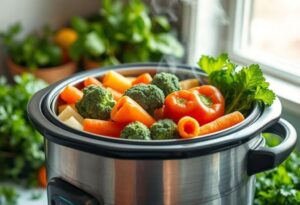
Steaming vegetables is one thing, but making them taste fantastic is another. Seasoning is essential. You can add flavor during the steaming process or after. Try fresh herbs, spices, or a little bit of salt and pepper. Using different seasonings can help make your meals more exciting and allow you to find your go-to flavor combinations. Experimenting with different flavor combinations is part of the fun.
Adding Flavor During Steaming
Adding flavor during the steaming process is a great way to infuse your vegetables with taste. You can add herbs like thyme or rosemary to the water. Some people put a bay leaf in the water to give a subtle savory note. You can also add a squeeze of lemon juice or a splash of white wine vinegar to the water. These can boost the flavors. Keep in mind that these additions will only slightly impact the taste of the vegetables.
- Herbs: Add fresh or dried herbs to the water before steaming. Rosemary, thyme, and oregano can add complexity.
- Citrus: A squeeze of lemon or lime juice can brighten the flavor of steamed vegetables. Add to the water before steaming.
- Spices: A pinch of red pepper flakes can add a little heat. Use cautiously, as the heat intensifies during steaming.
- Aromatic Liquids: Some people like to add a splash of broth or white wine to the water for extra flavor.
Adding flavor in the water is a simple way to boost the overall taste of your meal. It’s very simple and easy to do.
Seasoning After Steaming
Seasoning after steaming gives you more control over the flavors. Once the vegetables are cooked, transfer them to a bowl. Season with salt and pepper to taste. You can also add a drizzle of olive oil, a knob of butter, or a splash of balsamic vinegar. Try different spice blends, like garlic powder, onion powder, or Italian seasoning. Another option is a sprinkle of toasted sesame seeds. This gives a nice texture. Be creative and change it up.
- Salt and Pepper: A simple combination of salt and freshly ground pepper can enhance the natural flavors of the vegetables.
- Olive Oil: A drizzle of extra virgin olive oil can add richness and a healthy dose of flavor.
- Lemon Juice: A squeeze of fresh lemon juice brightens the taste and adds a touch of acidity.
- Spice Blends: Experiment with pre-made spice blends or create your own mix.
Seasoning after steaming gives you a better opportunity to find your favorite taste combinations. It is the final step to make your meals perfect.
Advanced Techniques for Steaming Vegetables in a Rice Cooker
After you have mastered the basics of how to steam vegetables in a rice cooker, you can explore more advanced techniques. You can add other elements to your steaming and find ways to save time when cooking. These are simple ways to further make your meals even better. You may discover a new favorite method of cooking. This can take your meals to the next level.
Steaming with Other Ingredients
Your rice cooker can be used to steam vegetables with other ingredients. For example, you can add a piece of fish or chicken to the steaming basket along with the vegetables. This allows you to cook a complete meal at once. You can also include grains like quinoa or rice in the water below the steaming basket. As the vegetables steam, the grains cook and absorb the flavors of the vegetables. You can find several combinations that allow you to make a more balanced meal.
- Steaming Fish or Chicken: Place fish fillets or chicken breasts in the steaming basket with your vegetables. The steam cooks both items simultaneously.
- Steaming Grains: Place rice, quinoa, or other grains in the water below the steaming basket. The steam will cook the grains.
- Adding Aromatics: Add herbs, garlic, or onions to the water below the steaming basket to infuse the entire meal with flavor.
- One-Pot Meals: Combine vegetables, proteins, and grains for easy one-pot meals. This saves time and minimizes cleanup.
Steaming your vegetables with other ingredients is an easy and convenient way to make healthy meals. Experiment with different combinations to find your favorite meals.
Tips and Tricks for Perfect Results
There are a few more tips and tricks that will improve your steaming experience. First, don’t overcrowd the rice cooker. Overcrowding can result in unevenly cooked vegetables. You should also watch the water level. Make sure the water does not boil dry, or your rice cooker may switch off. Finally, always check the vegetables before they are done. You can use a fork to check the doneness. The timing can change depending on the type of vegetables. So make the time to test.
- Don’t Overcrowd: Arrange the vegetables in a single layer to ensure even cooking. If you have too many, cook them in batches.
- Monitor Water Level: Check the water level periodically. Add more water if needed to prevent the cooker from running dry.
- Check for Doneness: Use a fork or knife to check if the vegetables are tender-crisp. Adjust the cooking time based on your preference.
- Experiment with Spices: Try different spice combinations to find what you like. Don’t be afraid to experiment to find the best flavors.
These tips can help you enhance your cooking skills. With a bit of practice, you’ll be steaming like a pro. This method is the way to cook a healthy meal.
Frequently Asked Questions
Question: Can I steam frozen vegetables in a rice cooker?
Answer: Yes, you can steam frozen vegetables in your rice cooker. You might need to add a few extra minutes to the cooking time compared to fresh vegetables. Make sure to check them for doneness.
Question: What’s the best way to prevent mushy vegetables?
Answer: To prevent mushy vegetables, avoid overcooking. Check the vegetables frequently towards the end of the cooking time and remove them as soon as they reach your desired level of tenderness. The ideal texture is “tender-crisp”.
Question: Can I steam a whole meal in my rice cooker?
Answer: Absolutely! You can steam vegetables, cook grains like rice or quinoa, and even steam proteins like fish or chicken all in your rice cooker. This makes it a great appliance for making complete, healthy meals.
Question: How do I clean my rice cooker after steaming vegetables?
Answer: After steaming, let the rice cooker cool down. Remove the inner pot and steaming basket and wash them with warm, soapy water. Rinse well and dry thoroughly before storing. Wipe the exterior of the rice cooker with a damp cloth.
Question: Is it safe to steam vegetables in a rice cooker?
Answer: Yes, it is very safe to steam vegetables in a rice cooker. Just make sure to follow the instructions and be careful when opening the lid to avoid the steam. Always ensure the cooker is clean before using it.
Final Thoughts
Learning how to steam vegetables in a rice cooker is a great way to cook healthy and flavorful meals. It’s simple, efficient, and versatile. You have the freedom to select a wide range of vegetables. You can also customize your meals with spices, herbs, and seasonings to match your taste. Rice cookers offer a convenient solution for anyone looking to incorporate more steamed vegetables into their diet. The easy cleanup and straightforward process make this method perfect for busy individuals and families. The best way to learn is to practice. So, go ahead and explore the world of steamed vegetables. Start cooking today and experience the benefits of this easy method!

I’m Emma J. Caldwell, the founder, lead writer, and home-cooking enthusiast behind KitchenGuideCo.com. With a background in culinary arts and over a decade of cooking experience in both professional and personal kitchens, I created this platform to demystify recipes, offer smart kitchen gadget reviews, and guide readers through meal prep with confidence and clarity.