Excessive pressure cooker hissing signals an underlying issue, moving beyond normal operation and requiring your attention. To resolve it, systematically inspect your lid seal, gasket, and vent valve for any misalignment, wear, or blockages, ensuring you haven’t overfilled the pot. Simple checks and adjustments can swiftly restore your cooker’s efficiency and safe pressure, preventing potential cooking mishaps.
Ultimate Guide How to Stop Pressure Cooker Hissing
Ever been in the kitchen, trying to whip up a quick meal, and your pressure cooker starts making a ruckus? That distinct hiss can be a bit alarming, especially if it’s louder or more constant than usual. You’re not alone! Many of us have faced that noisy culinary challenge.
The good news is, most times, you can stop pressure cooker hissing by simply checking a few key components. We’re talking about making sure the lid seal is perfect, the vent is clear, and everything is properly locked and pressurized. Let’s dive into how to quiet down your trusty kitchen companion.
How do I stop my pressure cooker from hissing excessively or unexpectedly?
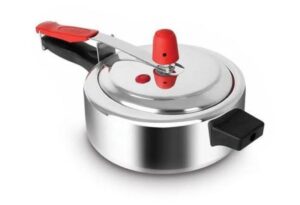
Learning how to stop pressure cooker hissing often comes down to understanding what’s normal and what’s not. A gentle, rhythmic hiss from your pressure cooker’s steam release valve is perfectly normal. It means the cooker is releasing excess steam to maintain the right pressure level inside. Think of it as your cooker breathing! But if you hear a loud, continuous hiss from somewhere other than the vent, or it just sounds “wrong,” it’s time for a quick check-up.
Based on my own kitchen adventures, here are the most common culprits and how to tackle them:
- The Lid Gasket (Sealing Ring) is Your First Stop: This rubber or silicone ring is the unsung hero of pressure cooking. It creates the airtight seal. If your pressure cooker is hissing, always check this first.
- Placement: Is it seated correctly in the lid groove? I once rushed and didn’t quite get it in right, and my cooker hissed like a snake! A quick reposition fixed it instantly.
- Cleanliness: Food debris stuck to the gasket or the rim of the pot can break the seal. Make sure both are sparkling clean.
- Damage: Over time, gaskets can get dry, cracked, or stretched. If it looks worn, it’s time for a replacement. I usually replace mine every 1-2 years, depending on how often I cook.
- Ensure the Lid is Securely Locked: This might sound obvious, but we all get distracted! Double-check that the lid is properly aligned and locked into place according to your cooker’s instructions. A slightly misaligned lid will definitely cause hissing.
- Inspect the Vent Pipe and Steam Release Valve: These are critical for regulating pressure.
- Blockage: Food particles can easily block the vent. This is a super common reason for hissing from the valve area. Always clean the vent pipe and pressure regulator/weight after each use. A small brush or toothpick works wonders for clearing any gunk.
- Proper Seating: Make sure the pressure regulator or weight is correctly placed on the vent pipe. If it’s wobbling or looks tilted, it’s not sealed right.
- Don’t Overfill Your Cooker: We’ve all been tempted to add “just a little more.” However, overfilling can cause liquids or frothy foods to block the vent pipe as they expand, leading to excessive hissing. As a general rule, never fill your pressure cooker more than two-thirds full, and only half full for foods that expand or froth, like beans or grains.
- Adjust Your Heat Level: Sometimes, the issue isn’t a faulty part but simply too much heat. Once your pressure cooker reaches full pressure (and starts that normal, gentle hiss from the vent), reduce the heat to the lowest setting that maintains pressure. High heat can cause the cooker to release steam more aggressively than necessary, creating louder hissing. I learned this the hard way – cranking up the heat doesn’t make things cook faster; it just makes more noise and wastes energy!
- Check for Dents or Damage: Give your pressure cooker pot and lid a quick visual inspection. Dents or warping, especially around the rim, can prevent a proper seal and lead to steam leaks and hissing.
If you notice excessive hissing, the safest thing to do is to turn off the heat immediately. Let the pressure release naturally, or use the quick release method if it’s safe for your food and cooker. Then, carefully inspect all the components mentioned above. Once you’ve identified and fixed the issue, you can try again.
Remember, always refer to your specific pressure cooker’s manual for detailed instructions and troubleshooting tips. Every model is a little different!
In conclusion, while some pressure cooker hissing is perfectly normal, persistent or loud hissing usually points to a simple fix. Most often, it’s about giving your gasket a little love, ensuring your lid is locked tight, and keeping those vents sparkling clean. With a bit of routine maintenance and attention, you’ll have that pressure cooker purring, not hissing, in no time, making your kitchen a quieter, more enjoyable place to cook!