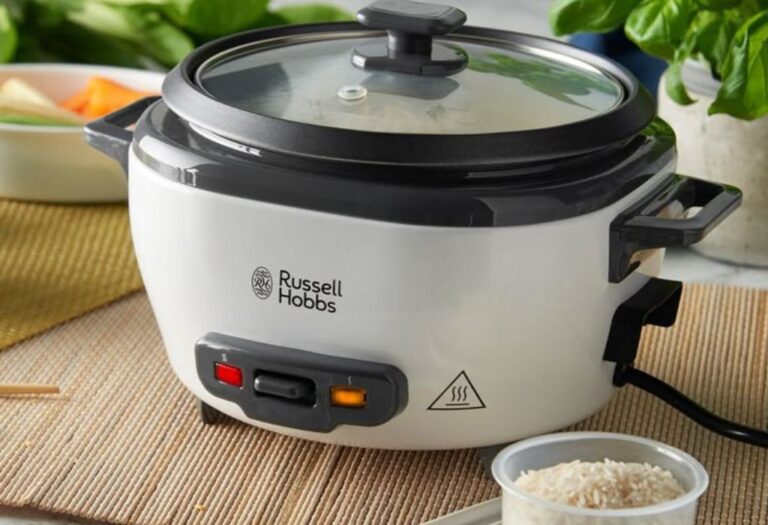
Cooking rice seems simple, but getting it just right can be tricky! A common issue for anyone new to the kitchen is how to stop rice sticking in rice cooker. This happens to the best of us. But don’t worry, it’s totally fixable! This guide will break down the steps, making it easy to cook perfect rice every time. We’ll explore some simple tricks and adjustments to help you say goodbye to sticky messes. Ready to learn how to achieve fluffy, delicious rice?
Understanding Why Rice Sticks
Before we explore the solutions, it’s helpful to explore why rice sticks in the first place. This problem often stems from the interaction between the rice grains, the water, and the heat inside the rice cooker. Different rice varieties, like long-grain or short-grain, behave differently. Even the type of rice cooker you use impacts the final result. Overcooking is another major factor, as it allows the starches in the rice to break down and become sticky. There are a few things that come into play, and by looking at those items, you can get a better handle on the situation.
The Role of Starch in Rice
Rice is mainly composed of starch, a complex carbohydrate. When rice is cooked, the starch absorbs water, causing the grains to soften and swell. There are two main types of starch in rice: amylose and amylopectin. Amylose is responsible for creating firmer, less sticky rice grains. Amylopectin, on the other hand, makes rice sticky. The ratio of these starches varies depending on the rice variety, influencing how sticky the cooked rice will be. If the starch content is very high, the rice will become sticky. If there is less starch, it will be less sticky. Knowing this is the first step in learning how to stop rice sticking in rice cooker.
- Amylose Characteristics: Amylose creates a more separated grain, and the more amylose present, the less sticky the rice will be after cooking. This results in individual grains that hold their shape. Think of basmati or jasmine rice.
- Amylopectin Characteristics: Amylopectin contributes to the stickiness of the rice. Short-grain rice, like sushi rice, has a higher amylopectin content, which is why it becomes sticky and holds together when cooked. This can be great if you want to make sushi rolls.
- Starch and Water: The amount of water and the cooking time also play a huge role. Too much water or overcooking can cause the starches to break down and make the rice stick together.
Let’s look at a real-life example. Imagine you’re making risotto, a creamy Italian dish. Risotto uses Arborio rice, which is known for its high amylopectin content. This makes the rice sticky and perfect for creating a creamy texture. Now, if you wanted to make a pilaf, you would use a long-grain rice like basmati. Basmati has a lower amylopectin content, resulting in grains that are fluffy and separate.
Heat and Water Interactions
The heat inside the rice cooker, combined with the amount of water, is also important. If the heat is too high or the water evaporates too quickly, the rice may burn and stick to the bottom. Conversely, too much water can lead to mushy, sticky rice. The key is balance: the correct water-to-rice ratio and controlled heating. It is important to know the right water to rice ratio for your type of rice cooker. Different rice cookers may require different measurements.
- Water-to-Rice Ratio: This ratio is key. Most rice cookers come with a measuring cup, and you should use the one that comes with your cooker to measure the rice and water.
- Cooking Time: Always follow the instructions for your type of rice. Overcooking will lead to sticking and mushiness.
- Rice Cooker Type: Some rice cookers have specific settings for different types of rice. If your cooker has these settings, use them!
Consider two different cooking scenarios: one with too much water and one with not enough. If you add too much water, the rice will absorb all the water and get mushy. If you do not add enough water, the rice will not cook properly. The bottom layer of rice may become hard and stick to the cooker. When it comes to how to stop rice sticking in rice cooker, this is one of the most common issues.
The Impact of Rice Variety
Not all rice is created equal. Different types of rice have different starch levels. They also cook differently. Long-grain rice, like basmati or jasmine, has less starch and tends to cook up fluffy and less sticky. Short-grain rice, such as sushi rice or Arborio, has more starch, resulting in a stickier texture. You will need to treat each variety differently to get the best results. It is important to remember what kind of rice you are dealing with before starting.
- Long-Grain Rice: This is generally less sticky. Make sure you use the correct water ratio and cooking time.
- Short-Grain Rice: This is naturally stickier. You might need to adjust the water ratio slightly, or soak it first, as many sushi chefs do.
- Brown Rice: Brown rice is a whole grain. It has a different texture and requires more water and longer cooking times.
For example, if you are planning to make a stir-fry, long-grain rice is better, as it cooks up with separate grains. If you are making sushi, short-grain rice will be perfect. The stickiness helps the sushi hold its shape. The variety of rice will have a direct effect on how to stop rice sticking in rice cooker.
Essential Steps to Prevent Sticking
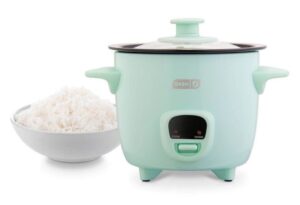
Now that we have explored the basics, it’s time to learn the steps. By putting these methods into action, you can fix your rice problems. These actions are simple, but they will make a huge difference in your cooking. The goal is to consistently get delicious, non-sticky rice. Let’s explore these important steps.
Proper Rice Preparation
Before putting the rice in the cooker, preparation can make a big difference. Rinsing the rice removes excess starch from the surface of the grains. This reduces the stickiness. The rinsing process helps clean the rice of any dust or impurities. Pre-soaking is a technique that can work wonders for some types of rice. It helps the rice cook more evenly and reduces cooking time. The goal is to optimize the conditions before cooking.
- Rinsing Rice: Place the rice in a bowl and cover it with cold water. Gently swirl the rice with your hand. The water will become cloudy.
- Rinsing Technique: Pour off the cloudy water. Repeat this process until the water runs clear.
- Pre-Soaking: Soak the rinsed rice in water for 30 minutes before cooking. This is great for brown rice.
Consider this: if you skip rinsing and pre-soaking, you might end up with extra-sticky rice. Let’s compare two scenarios. In the first scenario, you rinse the rice, which removes extra starch. In the second scenario, you do not rinse the rice, which can lead to starchiness. By rinsing, you’ve improved the chances of getting nice fluffy rice. Another factor is how to properly measure the rice to avoid over or undercooking.
Mastering the Water-to-Rice Ratio
The correct water-to-rice ratio is the most important factor when it comes to cooking rice. Too much water, and your rice will be mushy and sticky. Not enough water, and your rice will be dry and hard. Always use the measuring cup that came with your rice cooker for consistent results. Even different brands of rice cookers may vary the amount of water needed. Using the right ratio makes it easier on how to stop rice sticking in rice cooker.
- General Ratio: A common starting point is a 1:1 ratio for white rice. Experiment with what works best for your rice and cooker.
- Brown Rice: Brown rice generally requires more water, perhaps a 1:1.25 or 1:1.5 ratio.
- Using the Rice Cooker: Many rice cookers have lines inside the bowl to indicate water levels for different rice types. This removes guesswork!
You can use a simple table to compare different water ratios for the type of rice you use. For white rice, try a one-to-one ratio, but for brown rice, you will need more water. The exact amount will depend on your cooker and the rice. This comparison helps you visualize the impact of water.
| Rice Type | Water Ratio (Rice:Water) | Notes |
|---|---|---|
| White Rice | 1:1 | Use the measuring cup that came with your rice cooker. |
| Brown Rice | 1:1.25 or 1:1.5 | Experiment, because it varies. |
| Sushi Rice | 1:1 | Some people soak sushi rice for best results. |
Using Non-Stick Features
Most modern rice cookers have a non-stick coating on the inner pot. This coating can prevent the rice from sticking. If your rice is sticking, ensure the coating is in good condition. Avoid using metal utensils, as they can scratch the coating and make the problem worse. Using the correct utensils will ensure the coating will not be damaged and makes it easier on how to stop rice sticking in rice cooker.
- Check the Pot: Always check the inner pot for scratches or damage.
- Gentle Utensils: Use the plastic or silicone spatula that comes with the cooker. These won’t scratch the pot.
- Replacement: If the coating is damaged, consider replacing the inner pot.
Let’s consider two different scenarios. In one scenario, you use metal utensils. This damages the non-stick coating. In the other scenario, you only use the plastic spatula. This prevents damage to the coating. This simple difference will greatly affect whether your rice sticks. Protecting the non-stick pot, and other accessories, will guarantee good results.
Troubleshooting Common Issues
Even when following all the steps, things can still go wrong. It’s time to examine some typical problems and how to solve them. By identifying the root cause, you can find the right solution. Do not get frustrated, as you can troubleshoot your way to perfect rice! This section tackles the most common things people ask about how to stop rice sticking in rice cooker.
Sticky Rice: Why and How to Fix It
Sticky rice is often the result of too much starch or too much water. The first step is to assess the situation. Is the rice mushy or just slightly sticky? Identifying the exact problem helps you to know what to do. Small adjustments can make a big difference. You may be able to rescue the batch with a bit of effort.
- Too Much Starch: Always rinse the rice thoroughly before cooking.
- Too Much Water: Use the correct water-to-rice ratio. You may want to decrease the water next time.
- Overcooking: If the rice has been cooking too long, it might be ruined. Next time, try shortening the cooking time.
If your rice is too sticky, don’t worry. There may be a solution! First, try fluffing the rice gently with a fork. This helps to separate the grains. You can also let the rice rest in the cooker for a few minutes. That can help to steam off some of the extra moisture. Also, if you know the type of rice and the water ratio, you can adjust it for the next time.
Burnt Rice: Preventing and Addressing It
Burnt rice often results from not enough water or from the rice cooker overheating. If the rice burns, it will stick to the bottom of the pot. Sometimes, the issue is with the rice cooker itself. It may have a faulty heating element. Addressing the issue is important so that it does not happen again. The goal is to always produce quality rice.
- Not Enough Water: Always make sure you add the right amount of water. Check the water level before you begin.
- Overheating: Make sure your rice cooker is clean and working correctly.
- Rice Cooker Malfunction: If the rice continues to burn, your cooker may need repairs or replacement.
If you have burnt rice, you might try these steps to save it. First, remove the rice from the cooker as quickly as possible. The next step is to remove the burnt layer at the bottom of the pot. If the burning is minor, the rest of the rice might be salvageable. Consider the state of your rice cooker, as it may be the source of the problem.
Unevenly Cooked Rice: Addressing the Issue
Unevenly cooked rice means some grains are hard, while others are mushy. This is a sign of inconsistent heat distribution or improper water absorption. To solve this, you need to ensure the rice is cooked evenly. Make sure that the water and rice are distributed equally. The goal is to cook the rice evenly every time, so you have perfect rice.
- Uneven Water Distribution: Make sure you level the rice and water before you begin cooking.
- Insufficient Mixing: Mix the rice and water gently to ensure it’s evenly distributed.
- Rice Cooker Performance: Sometimes, the rice cooker itself might be the issue. If it is old, it may not cook the rice evenly.
If you encounter unevenly cooked rice, try stirring the rice gently. Do this halfway through the cooking process. You might want to experiment with different water levels. You also need to consider the type of rice you are using. Also, check the bottom of the cooker for any issues.
Advanced Techniques and Tips
Now, let’s look at more advanced techniques to improve your rice. These tricks will help you fine-tune your rice-cooking skills. By using these ideas, you will improve your results. This goes beyond the basics to help you create truly amazing rice. These techniques include some tips on how to stop rice sticking in rice cooker.
Adding Flavor and Texture
You can improve your rice by adding flavors and textures. This includes adding different ingredients, which can change the outcome of the rice. Adding spices, herbs, or even broth will bring delicious results. These tips take your rice from ordinary to extraordinary. Let’s see some interesting ideas.
- Herbs and Spices: Add bay leaves, garlic cloves, or a pinch of salt to the water.
- Broth Instead of Water: Use chicken, vegetable, or beef broth instead of water for richer flavor.
- Toasted Rice: Before cooking, toast the rice lightly in a pan with a little oil for a nutty flavor.
If you are thinking of adding broth, experiment with different flavors. Chicken broth will go great with chicken and vegetables. Vegetable broth is wonderful with vegetarian dishes. Toasting the rice can give your rice a lovely texture. By mixing and matching ingredients, you can make your own tasty creations.
Using Different Liquids
Besides water, you can use a variety of liquids to cook your rice. These can include broths, milk, or even coconut milk. Using a different liquid will change the texture and flavor. It is a simple way to create interesting dishes. Let’s see how you can upgrade your rice.
- Broth Benefits: Broth adds flavor and complexity to the rice.
- Coconut Milk: Coconut milk is perfect for making creamy rice dishes, especially Thai or Indian-inspired meals.
- Dairy: Using milk or cream creates a richer texture, which is great for desserts.
If you want to use coconut milk, consider using it with jasmine rice. You can use this with your favorite Asian dishes. Another idea is to try using broth for a savory dish, such as a mushroom risotto. Dairy can also add a nice flavor to dessert rice. You can always experiment and find new combinations.
Soaking and Resting Techniques
Both soaking and resting can enhance your rice. Soaking helps the grains absorb water before cooking. Resting the rice allows the steam to redistribute throughout the rice. This step can affect the texture of the rice. Both of these techniques provide a better outcome. It is a good idea to remember these simple steps when it comes to how to stop rice sticking in rice cooker.
- Soaking: Soaking the rice for 30 minutes before cooking can give you more even results.
- Resting: Once the cooker switches off, let the rice rest for about 10 minutes before fluffing.
- Purpose of Resting: This allows the steam to redistribute, resulting in fluffier rice.
Let’s say you are making brown rice. By soaking the rice, you can reduce cooking time and improve texture. After cooking, letting the rice rest allows the grains to finish cooking gently. This creates light and fluffy rice. Also, these tips will help to reduce the chances of sticking. Try these techniques for amazing results.
Frequently Asked Questions
Question: How much water should I use?
Answer: It depends on the rice and the rice cooker. Usually, the ratio for white rice is 1:1, but brown rice may need more water. Always use the measuring cup that came with your cooker.
Question: Why is my rice always sticking to the bottom?
Answer: It can happen because of not enough water, or the rice cooker is getting too hot. Always make sure you add the right amount of water. Check that your cooker is clean and working correctly.
Question: Can I use tap water?
Answer: Yes, tap water is fine. However, filtered water may produce better results. Experiment with both to see what you prefer!
Question: What’s the best way to clean my rice cooker?
Answer: Always unplug the cooker and let it cool. Take out the inner pot and wash it with warm, soapy water. Use a soft sponge or cloth to avoid scratching the non-stick surface. Dry all parts thoroughly before putting them back together.
Question: Is there a way to save overcooked rice?
Answer: Gently fluff the rice with a fork to separate the grains. You can also let the rice rest in the cooker for a few minutes to steam off excess moisture. It might not be perfect, but it can often be salvaged!
Final Thoughts
You have now explored the main techniques on how to stop rice sticking in rice cooker. From proper rice preparation and water ratios to troubleshooting and advanced techniques, we’ve covered many areas. Remember, getting perfect rice comes down to a few key things: rinsing the rice, using the correct water-to-rice ratio, and knowing your rice cooker. If your rice sticks, don’t worry! Try adjusting the water or the cooking time next time. Enjoy the process and don’t be afraid to experiment. With a little practice, you’ll be cooking amazing rice every single time. Now, go forth and cook some delicious, non-sticky rice!

I’m Emma J. Caldwell, the founder, lead writer, and home-cooking enthusiast behind KitchenGuideCo.com. With a background in culinary arts and over a decade of cooking experience in both professional and personal kitchens, I created this platform to demystify recipes, offer smart kitchen gadget reviews, and guide readers through meal prep with confidence and clarity.