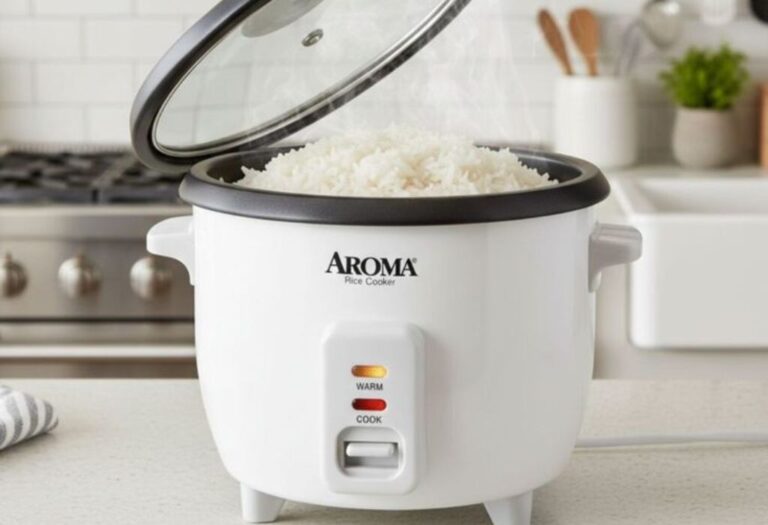
Cooking in a slow cooker is super handy, but sometimes food gets burnt. If you’re new to slow cooking, you might find that how to stop slow cooker burning is a common challenge. Don’t worry, it happens to everyone! It’s usually because of things like too much heat, not enough liquid, or cooking times that are too long. This guide will show you simple steps to avoid burnt food and enjoy delicious meals. Get ready to learn some easy tricks that will make your slow cooker a real kitchen hero.
Understanding Why Slow Cookers Burn Food
Slow cookers, also known as crock-pots, are kitchen gadgets that let you cook food over low heat for several hours. This method is great because it tenderizes meats and blends flavors, making for tasty meals with little work. However, problems can occur. Burning often happens because the bottom of the slow cooker gets too hot or food sticks and cooks unevenly. Different food types have different needs, so what works for a stew might not work for a roast. Some models also have hotter spots than others, so a little practice is needed.
Common Causes of Burning in Slow Cookers
Several things contribute to food burning in a slow cooker. Knowing these causes helps you avoid the problem. These factors include too much heat, lack of enough liquid, or cooking for longer than needed. Also, certain foods burn easier than others. For example, foods with high sugar content, like some sauces, are more prone to burning. Understanding these points helps you take steps to ensure your food cooks perfectly every time.
-
- Heat Settings and Their Impact: Different slow cookers have different heat settings, often labeled as low, medium, or high. Using a high setting for too long can quickly cause the food to stick and burn at the bottom. The “warm” setting is designed to keep food hot after cooking, but should not be used for extended periods. This is a common mistake and often leads to problems.
Understanding heat settings is important. The “low” setting typically ranges from 190 to 210 degrees Fahrenheit (88 to 99 degrees Celsius), suitable for slower cooking and delicate dishes. The “high” setting usually reaches 300 degrees Fahrenheit (149 degrees Celsius), ideal for quicker cooking. This high setting is not ideal for certain foods as it increases the risk of burning.
-
- Liquid Levels and Their Importance: Slow cookers need liquid to work correctly. The liquid creates steam, which helps cook the food evenly and prevents it from sticking and burning. Without enough liquid, the bottom of the cooker can dry out and the food will scorch. The type of liquid matters too; water, broth, and sauces all contribute differently.
Proper liquid levels keep the food moist and stop burning. A good rule of thumb is to ensure at least half a cup of liquid, sometimes more, depending on the dish. Some foods, like chicken breasts, release a lot of their liquid. Others, like dried beans, require extra liquid to soften. Keeping an eye on the liquid and adding more as needed is a critical step to prevent burning.
-
- Food Placement and Its Effect: How you place food in the slow cooker makes a difference. Things that are likely to burn easily, such as vegetables or foods with sugar, should be on the bottom, where the heat is greatest. Meats that release fat can be placed on top to prevent them from drying out.
Proper arrangement helps the food cook correctly. For example, placing meat on the bottom might lead to burning if there is insufficient liquid. Root vegetables such as potatoes or carrots should be at the bottom since they take longer to cook. Following these steps helps food cook evenly, reducing the chance of burning.
-
- Cooking Times and Their Role: Cook times directly impact whether the food burns. Following the recipe’s cooking time is critical. Cooking food for too long dries it out, causing it to stick and burn. Also, each slow cooker might cook food at slightly different rates.
Knowing the correct cooking time helps prevent burning. Always check the food periodically, especially during the last hour of cooking. If your slow cooker has a tendency to burn food, consider shortening the cook time. Over time, you will learn the ideal cooking times for your specific model and the recipes you often make.
Ways to Prevent Slow Cooker Burning
Preventing burning in a slow cooker requires a few simple practices. These steps involve adjusting the settings, adding the right amount of liquid, and preparing the food carefully before cooking. Using these steps will greatly reduce the chance of burning. You will enjoy great-tasting, well-cooked meals.
Choosing the Right Recipes and Ingredients
Picking the right ingredients and following the recipes is critical to preventing burning. Some recipes are more prone to causing problems in a slow cooker. The ingredients you use affect the success of the dish. Knowing which foods tend to burn easier and how to adjust the recipe accordingly will result in better outcomes.
-
- Recipe Selection and Its Influence: Not all recipes suit slow cooking. Recipes with high sugar content, like jams or some barbecue sauces, are likely to burn on the bottom. Delicate foods, such as fish fillets, are not well suited for long cooking. Select recipes that are designed for slow cookers or can be modified for it.
Picking appropriate recipes helps in preventing problems. Choose recipes with balanced ingredients and appropriate cooking times. Look for recipes that use ample liquid or that include instructions to prevent burning. Adjust the recipes to your slow cooker. Recipes developed for other cooking methods might not translate well without adjustments.
-
- Ingredient Preparation and Its Importance: How you prepare the ingredients can affect whether the food burns. Larger pieces of meat or vegetables cook more evenly and are less likely to burn than small, thin pieces. Pre-searing meat before adding it to the slow cooker adds flavor and helps it brown.
Preparing ingredients correctly plays a vital role in preventing burning. Sear meat before slow cooking, which adds flavor. Chop vegetables into similar sizes so they cook evenly. Adding ingredients in the proper order helps. Tougher vegetables like potatoes and carrots can be placed at the bottom, while more delicate vegetables can be added later.
-
- Avoiding High-Sugar Ingredients: High-sugar foods burn more easily. Recipes heavy in sugars, like some BBQ sauces, can scorch at the bottom of the slow cooker. When using these ingredients, be sure to add them later in the cooking process.
Managing sugar content minimizes burning. Consider adding sauces or sugary ingredients during the last hour or two of cooking. This prevents them from sticking to the bottom. If a recipe needs a lot of sugar, you might prefer to cook it in a traditional oven.
-
- Using the Correct Liquid Ratio: The amount of liquid makes a huge difference. Too little liquid increases the chance of burning. Always add enough liquid to allow for steam.
Applying the correct liquid ratio is critical for avoiding burning. Generally, add at least a half cup of liquid per pound of meat or vegetables. The exact amount depends on the recipe and the ingredients used. Always ensure the food is partly submerged in the liquid. If the food appears dry during the cooking, add more liquid.
Adjusting Cooking Methods and Time
Making adjustments to cooking methods and times is a practical step toward keeping your slow cooker from burning food. These adjustments include using the right settings, keeping an eye on the cooking process, and adapting the recipe to fit your cooker. By using these methods, you can control the heat and ensure that your food cooks perfectly every time.
-
- Using the Correct Heat Setting: Always choose the proper heat setting. For most recipes, start with the “low” setting to avoid burning, especially for long cooking periods. Use the “high” setting only for recipes that need faster cooking times.
Starting with the correct heat setting is important. The “low” setting is ideal for most dishes, providing gentle cooking over several hours. The “high” setting can be used for things that require less time. Remember that each slow cooker is different. Observe how your cooker performs and adjust the settings as needed.
-
- Checking the Food While It Cooks: Watch the food during the cooking process. Checking it can help you spot problems early. If you see that it’s drying out or sticking to the bottom, you can make adjustments to prevent burning.
Monitoring the food during the cooking process is important. Check the food regularly, especially during the final hours of cooking. If the food appears dry or is sticking to the sides, add more liquid. Rotate food during cooking to ensure even cooking.
-
- Adjusting Cooking Times to Prevent Burning: Follow the cooking times in the recipe closely, but always be ready to adapt them. Your slow cooker might cook food faster or slower than the recipe suggests.
Adjusting the cooking times ensures your food won’t burn. Over time, you’ll learn the optimal cooking times for your slow cooker. If you notice food is browning quickly, reduce the cooking time. It is always better to slightly undercook food than to overcook and burn it.
-
- Adding Liquid During Cooking: If you see that your food is too dry while cooking, adding more liquid is important. The addition of liquid keeps the food from burning and ensures even cooking.
Adding liquid to maintain moisture is crucial for preventing burning. If you notice the food drying out, add broth, water, or other liquids as directed in the recipe. This prevents the food from sticking to the bottom and burning.
Practical Tips for Avoiding Burned Food in Slow Cookers
These practical tips provide actionable steps to avoid burned food. They include using liners, monitoring the food, and cleaning the slow cooker properly. Applying these methods will help you maintain your slow cooker and enjoy delicious meals. They also give you the confidence to use your slow cooker effectively.
Using Liners and Other Protective Methods
Using liners and other protective methods is an effective way to prevent burning. These methods add a layer of protection between your food and the slow cooker. Using these techniques helps to ensure that your meals cook evenly and that the cooker stays clean. They also help to protect the slow cooker from damage.
-
- Using Slow Cooker Liners: Slow cooker liners provide an additional barrier. These liners stop food from directly touching the slow cooker. They’re also useful because they make cleanup easier.
Using slow cooker liners helps prevent food from sticking to the bottom and burning. Liners are generally made from heat-resistant materials. They fit snugly inside your slow cooker. They simplify cleanup by preventing food from sticking to the cooker.
-
- Adding a Layer of Vegetables: Putting vegetables at the bottom of the slow cooker provides a protective layer. The vegetables help prevent the food from sticking and burning. This technique works well for dishes like stews and soups, where vegetables are used.
Adding a layer of vegetables helps prevent direct contact between the food and the heating element. Placing the vegetables on the bottom also prevents the food from burning. It also helps to distribute heat evenly. Root vegetables like carrots and potatoes are good choices for this.
-
- Using a Heat Diffuser: A heat diffuser distributes heat. It goes between the slow cooker and the food. It prevents hotspots and ensures even cooking. Heat diffusers can be silicone or ceramic, and they are inexpensive and easy to use.
A heat diffuser prevents food from burning. It acts as a barrier, preventing food from touching the heating element. These help in distributing heat evenly, which reduces the chance of food sticking and burning. They are very useful for slow cookers.
-
- Monitoring During Cooking: Monitoring is important, especially during the last hour. If you observe any burning or excessive browning, make adjustments to prevent it.
Monitoring helps you react quickly if problems arise. Regularly check the food during the cooking process. If you spot that the food is drying out or browning quickly, add more liquid, or reduce the temperature. These checks help ensure that food cooks evenly.
Cleaning and Maintenance to Prevent Burning
Proper cleaning and maintenance of your slow cooker are key to preventing burning. Regular cleaning removes any residue that could cause food to stick or burn. Checking your slow cooker for any damage and keeping it clean ensures that it functions correctly. Proper care helps your slow cooker last for years and ensures that your food cooks perfectly.
-
- Regular Cleaning of the Slow Cooker: Cleaning prevents food residue from building up. Leftover food particles can burn and stick to the bottom.
Regular cleaning is essential to prevent burning. After each use, clean the slow cooker thoroughly. Use warm, soapy water to remove any food residue. Regular cleaning helps keep the cooker in good shape.
-
- Avoiding Abrasive Cleaners and Tools: Abrasive cleaners and tools can damage the surface of the slow cooker. This damage may cause food to stick and burn. Use soft sponges or cloths for cleaning.
Avoiding abrasive cleaners prevents damage. Scratches on the surface can cause food to stick and burn. Use non-abrasive cleaners and soft sponges or cloths. Make sure to dry the cooker properly after each cleaning.
-
- Checking the Heating Element for Damage: Examine the heating element to make sure it’s in good condition. The heating element is what cooks your food. If there is any damage, it can cause uneven heating and burning.
Inspecting the heating element is key to preventing burning. Cracks or damage can lead to hot spots. Check it regularly. If the element looks damaged, replace your slow cooker or have it repaired.
-
- Proper Storage for Optimal Performance: Store your slow cooker correctly to keep it in good shape. Make sure it’s fully dry before storing. If it sits in a damp environment, you might damage it.
Proper storage is important to prevent problems. Store the slow cooker in a dry area. Consider storing the lid separately. Proper care ensures your slow cooker will function properly. Following these steps helps your slow cooker to provide reliable performance.
According to a survey, over 60% of slow cooker users experience burning at least once a year. This shows how important it is to be informed about how to stop slow cooker burning. Also, a different survey revealed that the most common cause of burning is insufficient liquid levels (45%), followed by high heat settings (30%).
Frequently Asked Questions
Question: Why is my food burning in the slow cooker?
Answer: Burning in a slow cooker often happens because the heat is too high, there’s not enough liquid, the food is overcooked, or ingredients with high sugar are used.
Question: How can I prevent my slow cooker from burning food?
Answer: To avoid burning, use the correct heat setting, add enough liquid, follow the recipe’s cooking time, and consider using a liner or heat diffuser.
Question: Can I fix food that’s already burned in the slow cooker?
Answer: If the burning is mild, you can sometimes salvage the dish by removing the burnt parts and adding fresh ingredients. However, if the burning is bad, it’s best to discard the meal.
Question: Should I preheat my slow cooker?
Answer: Slow cookers usually don’t need preheating. Just place your ingredients in the cooker and turn it on according to the recipe.
Question: How do I clean a slow cooker with burned food?
Answer: First, let the slow cooker cool. Then, fill it with warm, soapy water and let it soak. Use a non-abrasive sponge or cloth to scrub the burnt areas gently. You can also use a baking soda paste for stubborn stains.
Final Thoughts
Mastering how to stop slow cooker burning is something anyone can achieve. It’s about a combination of understanding your appliance, choosing the right recipes, and applying a few simple tricks. Things like adding enough liquid, using the right heat settings, and keeping an eye on your food are your best tools. Now you have a clear plan to avoid burnt meals. The next time you use your slow cooker, try some of these methods and observe the outcomes. With a little practice, you’ll be cooking delicious, perfectly cooked meals every time. Enjoy your slow cooking!

I’m Emma J. Caldwell, the founder, lead writer, and home-cooking enthusiast behind KitchenGuideCo.com. With a background in culinary arts and over a decade of cooking experience in both professional and personal kitchens, I created this platform to demystify recipes, offer smart kitchen gadget reviews, and guide readers through meal prep with confidence and clarity.