If you’re new to using a pressure cooker, knowing how to test pressure cooker valve can feel like a tricky task. Many people find it a little confusing at first. Don’t worry, it’s simpler than you might think! This guide will break down the process into easy-to-follow steps, so you can cook with confidence. We’ll explore everything you need to know to keep your pressure cooker working safely and efficiently. Ready to get started?
Checking Your Pressure Cooker for Safe Use
Before you even think about cooking, making sure your pressure cooker is safe is critical. Think of it like checking the tires on your bike before a ride. Regular checks help prevent any problems. This includes looking over the body of the cooker for any dents or damage. It also involves knowing where all the parts are located. Knowing about all the parts is also a great first step when learning how to test pressure cooker valve, which is the focus of the whole article. A well-maintained cooker will last longer and keep you and your family safe while you make delicious meals.
Inspecting the Cooker Body
The first thing to do is a visual inspection. Carefully look over the entire pressure cooker. Check for any dents, cracks, or damage to the body. Even small imperfections can affect how the cooker holds pressure. Remember, this pressure is what makes your food cook quickly. A damaged cooker might leak steam and not cook your food properly, or worse, become unsafe. Look especially closely around the rim and the base. These areas are most prone to wear and tear. Make sure your handles are secure and not loose. Never use a cooker if it’s damaged. If you find a problem, it’s best to replace it.
- Check for Dents: Small dents can change how the cooker seals.
- Look for Cracks: Cracks mean the cooker might fail under pressure.
- Inspect the Rim: Make sure the rim is smooth and even.
- Examine the Base: Ensure the base is flat and stable.
Consider the story of Sarah. Sarah had a pressure cooker that she didn’t check often. One day, she noticed a small dent on the side. While cooking, the cooker released steam from the dent and it did not cook her meal properly. Luckily, she was in the kitchen, but it could have been much worse. She replaced the cooker after that experience.
Checking the Gasket
The gasket, or sealing ring, is a key component. This ring creates an airtight seal between the lid and the pot. Without a good seal, the cooker won’t build up pressure. Inspect the gasket before each use. Look for cracks, tears, or hardening. A hardened gasket will not seal properly. Also, make sure it is still flexible. Clean the gasket gently with warm, soapy water. Then, rinse and dry it thoroughly. If the gasket looks worn, it’s time to replace it. Most manufacturers recommend replacing it every year or two, depending on how often you cook. Keeping this component in good working order is an essential part of knowing how to test pressure cooker valve.
- Look for Cracks: Small cracks can prevent a good seal.
- Check for Tears: Tears mean the gasket needs replacement.
- Test Flexibility: A stiff gasket won’t seal correctly.
- Clean Regularly: Clean the gasket to remove food particles.
Here’s a sample scenario: Let’s imagine you’re cooking a large batch of stew. If the gasket isn’t sealing properly, steam will leak out. This means the pressure won’t build up enough, and your stew will take much longer to cook, and the results could be a tough or undercooked meal. Or, imagine you are preparing to cook and you notice a tear in your gasket. Do not use your cooker until you replace it.
Understanding Pressure Cooker Valves
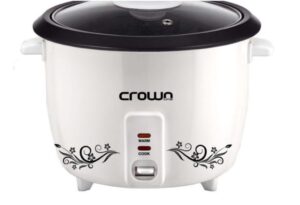
The pressure cooker valve is the safety mechanism that controls the pressure inside your cooker. It’s the most important part when you are learning how to test pressure cooker valve. There are different types of valves, but they all serve the same function. The valve releases excess pressure to prevent the cooker from exploding. There are usually two main types: a weighted valve and a spring valve. Understanding how these work is important for knowing how to keep your pressure cooker working properly.
Weighted Valves Explained
A weighted valve is a simple, effective design. It consists of a weight placed on a vent. As pressure builds inside the cooker, it lifts the weight slightly. This releases steam in small bursts. The weight determines the pressure level. You can sometimes adjust the pressure by using different weights that come with your cooker. Weighted valves often “jiggle” or “rock” gently during cooking. This is a sign that the valve is working correctly and releasing pressure. The gentle movement is a good visual indicator. If the valve is not moving, then it could be blocked and you need to pay attention to your pressure cooker.
- Simple Design: Easy to understand and use.
- Pressure Control: Maintains a constant pressure level.
- Visual Indicator: The jiggling sound lets you know it’s working.
- Easy to Clean: Requires simple cleaning after use.
Here’s an example: Suppose you’re cooking beans. The weighted valve is designed to release excess pressure slowly and steadily, preventing the cooker from over-pressurizing. This ensures the beans cook evenly without exploding or becoming mushy. If the valve does not function properly, then the beans can explode or not cook.
Spring Valves Explained
Spring valves use a spring to regulate pressure. The spring holds the valve closed until the pressure inside the cooker reaches a specific level. Once that level is reached, the spring compresses, and the valve opens to release steam. These valves often have a more precise pressure control. You might see a small pin that pops up when the pressure is at the correct level. This pin is an additional safety feature. If you are learning how to test pressure cooker valve, knowing how this specific valve works is important. Spring valves are usually more complex than weighted valves. They need more careful cleaning to prevent food particles from clogging the mechanism.
- Precise Control: Maintains exact pressure settings.
- Pin Indicator: Shows when pressure is reached.
- More Complex: Requires careful cleaning.
- Quiet Operation: Generally quieter than weighted valves.
Think about cooking chicken. The spring valve ensures the cooker stays at the right pressure for perfectly cooked chicken. The pin will pop up when the pressure is right, signaling that the cooking process has reached the right level. If the valve is not working, then the chicken could be overcooked or undercooked.
How to Test Pressure Cooker Valve
Testing your pressure cooker valve is a quick but important step to make sure your cooker is working correctly. It only takes a few minutes, but it can save you from problems. First, check the valve visually for any obvious damage or blockages. Next, you can perform a simple function test to ensure the valve releases pressure when it should. Then, make sure you know how to clean and maintain the valve so it stays in good shape. Mastering how to test pressure cooker valve means you’re taking a vital step toward safer cooking.
Visual Inspection of the Valve
The first step is a simple visual inspection. Take the valve off of your pressure cooker and look at it closely. Check for any visible blockages, such as food particles or debris. These can prevent the valve from functioning properly. Also, look for any signs of damage. A damaged valve will not be able to do its job, and you will not have pressure. Examine the valve for cracks or wear. These issues can compromise the safety of the cooker. For a weighted valve, make sure the weight moves freely. For a spring valve, make sure the spring isn’t rusted or bent. Give it a good look before each use. A visual check should be done every time you use the cooker.
- Check for Blockages: Remove any food particles.
- Look for Damage: Inspect for cracks or wear.
- Free Movement: Ensure weighted valves move freely.
- Spring Condition: Check spring valves for rust.
Imagine you’re preparing to cook rice. Before you close the lid, you do a quick visual check. You see a small piece of rice blocking the valve. You remove it before you start. Now, the valve can function properly, and you can cook your meal without issues. This is a simple step, but it makes a huge difference. If you skip this step and there is a blockage, the cooker might not release pressure properly.
Function Test for the Valve
To perform a function test, you’ll need to simulate the pressure-building process. Fill your pressure cooker with a small amount of water. Close the lid and make sure the valve is correctly in place. Now, heat the cooker on the stovetop over medium heat. As the water heats up, steam will build inside the cooker. Watch the valve closely. For a weighted valve, you should see it start to jiggle or rock gently. For a spring valve, you should see the pin pop up, indicating that pressure has been reached. When learning how to test pressure cooker valve, this is the main function. If the valve doesn’t move or release steam, it may be blocked or faulty. This test helps confirm that the valve is working. Never open the lid while the cooker is hot and under pressure.
- Add Water: Use a small amount of water.
- Heat on Stove: Heat over medium heat.
- Watch Valve: Observe how the valve moves.
- Check for Steam: Make sure steam is released.
Consider a scenario where you’re making a batch of chili. You set the cooker on the stove, and as it heats up, you watch the valve. If it’s a weighted valve, you should see it jiggle. If it is a spring valve, the pin should pop up. If nothing happens, turn off the heat immediately. Let the cooker cool down completely. Once cool, investigate and find out why the valve did not function properly. If it doesn’t, there might be a blockage or a problem with the valve. Don’t use the cooker again until you can resolve the issue.
Cleaning and Maintenance of the Valve
Proper cleaning and maintenance is key for a functional valve. After each use, let the pressure cooker cool down completely. Then, remove the valve and disassemble it. Most valves can be taken apart easily. Wash all parts with warm, soapy water. Use a small brush to get rid of food particles. Rinse all parts thoroughly and let them air dry. Check the valve regularly for any signs of wear. If you notice any damage, such as cracks or corrosion,
- Cool Down: Let the cooker cool before cleaning.
- Disassemble: Take the valve apart for cleaning.
- Wash Parts: Use warm, soapy water.
- Check for Wear: Look for any signs of damage.
Here’s an example: You cook a hearty soup. After letting the cooker cool, you disassemble the valve. You use a small brush to remove any food particles that might be stuck. This process will make sure the valve is in good working condition for your next use. Proper cleaning is a simple, yet essential step. If you do not clean the valve, food particles can build up and lead to blockages or other issues. Taking care of your valve will ensure it lasts longer and functions effectively.
Addressing Common Valve Issues
Sometimes, even with the best care, pressure cooker valves can have problems. Knowing how to handle these issues can save you a lot of trouble. This can include issues like valves getting blocked or leaking steam. Here’s a look at common problems you may encounter when you are using and learning how to test pressure cooker valve.
Dealing with Blocked Valves
A blocked valve is one of the most common issues. It usually happens when food particles get trapped in the valve. When the valve is blocked, steam can’t be released. This can cause the pressure to build up too much. It’s important to know what to do if a valve gets blocked. First, remove the pressure cooker from the heat source and let it cool completely. Once it is cool, remove the valve and carefully disassemble it. Then, clean all the parts with warm, soapy water. Use a small brush to remove any blockage. Rinse all parts thoroughly and reassemble the valve. Make sure the valve moves freely. Always check the valve before each use to prevent this issue. A blocked valve is a serious issue, but it can be fixed.
- Remove Heat: Take the cooker off the stove.
- Cool Down: Let the cooker cool completely.
- Disassemble Valve: Take the valve apart.
- Clean Thoroughly: Remove any food particles.
Consider this example: While cooking, you notice that the valve is not releasing steam. Turn off the heat and let the cooker cool. After it has cooled, you remove the valve and find a small piece of food blocking it. After you carefully remove the food, the valve should now function properly. Without taking this step, the cooker might not work safely.
Solving Steam Leakage Issues
If your pressure cooker is leaking steam, that means the pressure is not being maintained inside the cooker. This can lead to uneven cooking and can reduce pressure. Often, steam leaks can be caused by a faulty gasket or a damaged valve. If you notice steam leaking around the lid, check the gasket for damage or proper placement. If steam is leaking from the valve, inspect the valve for any blockages or damage. In some cases, you might need to replace the valve or gasket. Make sure all parts are clean and properly installed. Also, make sure you’re using the correct amount of water in your recipes. A pressure cooker that is leaking steam is not safe and it will not cook food properly. If you are learning how to test pressure cooker valve, you will need to pay close attention to this.
- Check Gasket: Ensure the gasket is in good condition.
- Inspect Valve: Look for blockages or damage.
- Proper Assembly: Make sure everything is correctly in place.
- Water Levels: Use the right amount of water.
Here’s a scenario: You are making a pot roast and notice steam escaping around the lid. You check the gasket and find it is damaged. Replacing the gasket will solve the issue, and you will be able to make the pot roast as planned. This small step can make a big difference in how well your pressure cooker works.
Choosing the Right Valve Replacement
If you need to
Identifying Your Cooker Model
The first step is to identify the model of your pressure cooker. This information is important for finding the right
- Check the Bottom: Look for a sticker or marking.
- Inside the Lid: The model number may be there.
- User Manual: The manual often lists the model.
- Write It Down: Keep the model number handy.
Here’s a sample example: You’re shopping for a new valve. You know the model number of your cooker. Knowing the model number allows you to look online or in a store and quickly find the right replacement. If you do not have the model number, you will have to guess, and the valve might not work.
Selecting Safe and Durable Valves
When selecting a
- Quality Materials: Choose stainless steel or similar.
- Safety Design: Ensures proper pressure release.
- Check Certifications: Look for safety standards.
- Read Reviews: See what others say.
Think about a real-life situation. Suppose you’re choosing a valve online. You’ve found a valve made of stainless steel with good reviews. This valve is likely a good choice. If you had chosen a valve made of plastic that has no safety certifications and has negative reviews, it would be a poor choice. A safe and durable valve will last longer and keep your pressure cooker in good working order. The right valve ensures the safety of everyone in your family.
Frequently Asked Questions
Question: How often should I test my pressure cooker valve?
Answer: It’s a good practice to check the valve before each use and give it a more thorough inspection every few months.
Question: What do I do if my valve doesn’t release steam?
Answer: Immediately turn off the heat, let the cooker cool completely, and check for blockages or damage to the valve.
Question: How can I tell if my gasket needs to be replaced?
Answer: Look for cracks, tears, or hardening of the gasket. Replace it if it shows any of these signs.
Question: What is the difference between a weighted valve and a spring valve?
Answer: A weighted valve has a weight that releases steam, while a spring valve uses a spring to control pressure release.
Question: Can I use any replacement valve for my pressure cooker?
Answer: No, you need to use a replacement valve that is designed for your specific pressure cooker model.
Final Thoughts
Learning how to test pressure cooker valve is a crucial part of using your pressure cooker safely and effectively. We’ve explored the main steps: from a visual inspection to the function test, and finally, to regular cleaning and maintenance. Remember that a properly functioning valve is important for safety and the quality of your meals. Taking a few minutes to check your valve before each use can prevent many problems, while also making sure your food cooks at the right pressure. By following these steps and addressing any issues promptly, you’ll be cooking delicious and safe meals for years to come. Now, go ahead and confidently enjoy the ease and speed of pressure cooking!

I’m Emma J. Caldwell, the founder, lead writer, and home-cooking enthusiast behind KitchenGuideCo.com. With a background in culinary arts and over a decade of cooking experience in both professional and personal kitchens, I created this platform to demystify recipes, offer smart kitchen gadget reviews, and guide readers through meal prep with confidence and clarity.