Figuring out how to use a rice cooker can seem tricky at first. Many people find it confusing because they aren’t sure about water ratios or cooking times. Don’t worry, though! It’s much easier than you think. This guide breaks down the process step-by-step, making it simple for anyone to cook perfect rice every time. We’ll go over everything from measuring ingredients to cleaning up, so you can enjoy delicious rice with ease. Let’s get started!
What is a Rice Cooker and Why Use One?
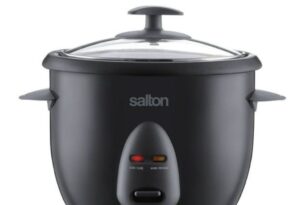
A rice cooker is a kitchen appliance designed specifically for cooking rice. It simplifies the process, making it virtually foolproof compared to using a stovetop pot. These cookers come in various sizes and types, from basic models to advanced versions with multiple settings and features. They typically consist of a non-stick inner pot, a heating element, and a lid.
The primary advantage of a rice cooker is its convenience. You simply add the rice and water, and the cooker handles the rest. It automatically monitors the cooking process and switches to a “warm” setting once the rice is done, preventing overcooking. This makes it a great option for busy individuals and families. Plus, you’ll find that the rice is consistently cooked perfectly, with a fluffy texture that is easy to enjoy. Let’s look at the elements that make up a rice cooker and how they all function together.
Key Components of a Rice Cooker
Understanding the different parts of a rice cooker helps you use it effectively. Each component serves a specific purpose, contributing to the overall cooking process. Learning the function of each element will also make it easier for you to perform maintenance and prevent potential issues. Here’s what you need to know:
- Inner Pot: The inner pot is where you place the rice and water. It’s usually made of a non-stick material to prevent the rice from sticking and to make cleaning easier. It is typically marked with measurements to help you get the proper rice-to-water ratio. Always ensure the inner pot is properly seated within the cooker before you start the cooking process.
- Heating Element: This is the part that heats the water and cooks the rice. It’s located at the bottom of the cooker and provides the heat needed for the cooking process. The heating element is the engine of the rice cooker, converting electricity into the heat necessary to cook your rice. Over time, residue can build up, so clean it according to the manufacturer’s instructions.
- Lid: The lid traps steam, which is essential for cooking the rice evenly. It usually has a vent to release excess steam and pressure. The lid is also important for maintaining the temperature inside the cooker, and preventing heat loss. Most lids are removable, making them easy to clean.
- Control Panel: This is where you select the cooking settings, if your cooker has them. It might include buttons for different types of rice (white, brown, etc.) and a “keep warm” function. Some models have simple on/off switches, while others have more advanced digital displays. Understanding the control panel is essential for operating the rice cooker.
Types of Rice Cookers
Several types of rice cookers are available, each offering different features and benefits. The type you choose depends on your cooking needs and preferences. From the basic models to advanced units, there’s a rice cooker for every kitchen. Let’s explore the common types to help you make the best choice.
- Basic Rice Cookers: These are the simplest and most affordable models. They usually have a single on/off switch and a “keep warm” function. They are easy to use and perfect for beginners. The basic models are great for consistently producing perfect rice every time, but they lack advanced features.
- Advanced Rice Cookers: These cookers have multiple settings for different types of rice (white, brown, sushi, etc.) and often include a delay timer. Some models use induction heating technology for more even cooking. Advanced models offer precise control over the cooking process and additional features like steaming vegetables. They’re ideal for those who cook rice frequently and want more flexibility.
- Pressure Rice Cookers: These cookers use pressure to cook rice faster and more evenly. They also tend to produce fluffier rice. This type is generally more expensive. They are often used in commercial settings and for cooking specific rice varieties that benefit from this method.
- Multi-Cookers: These are versatile appliances that can cook rice, steam vegetables, and even slow cook other dishes. They combine the functionality of a rice cooker with other kitchen appliances. Multi-cookers are great for people who want to save space and have an all-in-one cooking solution.
Getting Ready: Measuring and Washing Your Rice
Before you even plug in your rice cooker, the most important steps are getting your rice ready and measuring the correct amounts of rice and water. This is where most people get tripped up. Proper measurements and a quick wash can make all the difference in the final product. Let’s explore this crucial stage.
The type of rice you use, and how you prepare it, will affect the final texture and taste. Using the right techniques ensures that you are starting with the right foundations. This can be the difference between rice that’s delicious and rice that is sticky. Whether you’re a beginner or have some experience, getting the fundamentals of measuring and washing right is essential for success.
Measuring Rice and Water
Accurate measurement is key to achieving perfectly cooked rice. Most rice cookers come with a measuring cup, which is not the same as a standard US cup. Use the cup provided with your cooker to measure the rice. As a general rule, a 1:1 or 1:2 ratio of rice to water is used, depending on the type of rice. Using the wrong amounts can result in rice that is too hard or too mushy.
- Rice-to-Water Ratio: Follow the instructions in your rice cooker’s manual. As a general starting point, use the ratio of 1 cup of white rice to 1 or 1 1/2 cups of water. For brown rice, you usually need a higher water-to-rice ratio, often around 1:1.5 or 1:2.
- Using the Measuring Cup: Fill the measuring cup level with the rice. Don’t pack the rice down. For water, use the lines in your rice cooker’s inner pot or follow the same ratio as the rice (e.g., if you’re using 2 cups of rice, add 3 cups of water).
- Water Level Marks: Most rice cookers have water level marks inside the inner pot. These marks are typically calibrated for specific ratios of rice to water. For example, the pot may have a line marked “1 cup rice / 1 cup water.” Follow these lines as they take the guesswork out of measuring.
Washing the Rice
Washing rice removes excess starch, which can make the cooked rice sticky. It also cleans off any dust or debris from processing. Washing rice before cooking is especially important for varieties like sushi rice or jasmine rice, where a separate texture is desired.
- The Washing Process: Place the rice in a bowl and cover it with cold water. Gently swirl the rice with your hands. The water will become cloudy.
- Rinsing: Drain the cloudy water. Repeat the rinsing process until the water runs clear. This usually takes 2-3 rinses. This step is particularly important for removing extra starch that can make the rice gummy.
- Allowing the Rice to Drain: After washing, let the rice drain in a strainer for a few minutes before putting it into the rice cooker. This helps remove any excess water and prevents the rice from being too wet.
Operating Your Rice Cooker: Step-by-Step Guide
Now comes the fun part: actually cooking the rice! This process is straightforward, but it’s important to follow the steps to ensure perfect results. You’ve already done the prep work, so now it’s time to put your rice cooker to work.
This section is a comprehensive overview of the steps involved in operating your rice cooker. From placing your rice and water into the cooker, to selecting the right settings, we’ll go through everything. If you follow these instructions, you’ll be well on your way to perfectly cooked rice with every single use.
Step-by-Step Cooking Instructions
Following these simple steps will help you achieve perfectly cooked rice every single time. It’s a quick and efficient process. You’ll be enjoying delicious rice in no time!
- Prepare the Rice: Measure and wash the rice, as described in the previous section. Make sure the rice is drained.
- Add Rice and Water to the Inner Pot: Place the washed rice into the inner pot of your rice cooker. Add the appropriate amount of water, following the ratio recommended for the type of rice you’re using. Use the measuring lines in the pot if your cooker has them.
- Close the Lid: Place the inner pot inside the rice cooker, and close the lid tightly. This helps trap the steam, which is essential for cooking the rice evenly.
- Turn On the Rice Cooker: Plug in the rice cooker and turn it on. If your cooker has different settings, select the appropriate one for the type of rice you’re cooking (white rice, brown rice, etc.). If it’s a basic model, simply press the “cook” button or turn the switch to the “on” position.
- Allow the Rice to Cook: Let the rice cooker do its job. It will automatically cook the rice until the water is absorbed. Once the rice is cooked, the cooker will either switch to a “keep warm” setting or turn off automatically.
- Let the Rice Rest (Optional): After the cooking cycle is complete, let the rice sit in the cooker for about 10-15 minutes with the lid closed. This allows the steam to redistribute and helps the rice finish cooking evenly.
- Fluff and Serve: Use a rice paddle or fork to fluff the rice before serving. This separates the grains and prevents them from clumping together. Serve your perfectly cooked rice immediately!
Troubleshooting Common Issues
Even with a rice cooker, things don’t always go as planned. Here’s how to address a few common issues. By knowing these common problems, you’ll be able to quickly fix them.
- Rice is Too Mushy: This usually means there was too much water. Try reducing the amount of water next time. You can also let the rice sit in the “keep warm” setting for a longer period to dry it out.
- Rice is Too Dry: If the rice is dry, there was not enough water. Add a little more water next time, or consider adding a tablespoon of water after cooking, then fluff the rice to moisten it.
- Rice is Sticking to the Bottom: If the rice is sticking, the inner pot may not be non-stick. Ensure you’re using enough water. Also, gently rinse the pot with warm water after use to prevent rice from getting crusted on.
- Rice Isn’t Cooked Evenly: This can happen if the rice wasn’t properly measured or if the rice cooker isn’t working correctly. Make sure you use the right rice-to-water ratio. Also, ensure the heating element is clean and that the rice cooker is level.
Cleaning and Maintenance of Your Rice Cooker
Proper cleaning and maintenance are essential for extending the life of your rice cooker and ensuring it cooks rice perfectly every time. Simple, regular cleaning will keep your appliance working at its best. Taking care of your rice cooker is an easy way to enjoy perfectly cooked rice for years to come.
Cleaning your rice cooker regularly will keep it in great condition. Just a few minutes after each use will prevent issues. Here’s a comprehensive guide to cleaning and maintaining your rice cooker.
Cleaning Your Rice Cooker
Regular cleaning prevents food residue buildup, which can affect the taste and performance of your rice cooker. Most of these steps take very little time to complete, but they’re important.
- Unplug and Cool: Always unplug the rice cooker and allow it to cool completely before cleaning. This prevents burns and ensures safety.
- Remove the Inner Pot and Lid: Take out the inner pot and the lid. These are typically the parts that need the most cleaning.
- Wash the Inner Pot: Wash the inner pot with warm, soapy water. Use a non-abrasive sponge or cloth to avoid scratching the non-stick surface. Rinse thoroughly and dry completely before placing it back in the rice cooker.
- Clean the Lid: Wash the lid with warm, soapy water. Pay special attention to the vent, as it can trap steam and food particles. Rinse and dry thoroughly.
- Wipe the Exterior: Wipe the exterior of the rice cooker with a damp cloth to remove any spills or splatters. Dry the exterior with a clean cloth.
- Clean the Heating Plate: The heating plate is at the bottom of the rice cooker. Wipe it with a damp cloth to remove any rice residue. Ensure the heating plate is completely dry before placing the inner pot back in.
Maintaining Your Rice Cooker
Along with regular cleaning, there are a few simple maintenance steps that will keep your rice cooker in good condition. These tips will help extend the life of your appliance.
- Check for Damage: Inspect the power cord and the inner pot regularly for any signs of damage. Replace any damaged parts immediately.
- Store Properly: Store the rice cooker in a clean, dry place when not in use. Keep it away from extreme temperatures and direct sunlight.
- Avoid Harsh Chemicals: Do not use harsh chemicals or abrasive cleaners on your rice cooker. These can damage the non-stick surface and other components.
- Use the Correct Utensils: Always use the rice paddle or a non-metal utensil to stir the rice. This prevents scratches on the inner pot.
- Follow the Manufacturer’s Instructions: Always refer to your rice cooker’s manual for specific cleaning and maintenance instructions. Each model might have unique requirements.
It’s estimated that the average lifespan of a rice cooker is between 3 to 10 years, depending on the model and how well it is cared for. With proper cleaning and care, you can expect your rice cooker to provide you with years of delicious rice.
Advanced Techniques and Uses for Your Rice Cooker
Beyond simply cooking rice, a rice cooker can be used for a wide range of recipes and cooking methods. Whether you’re a beginner or an experienced cook, there are many ways to get creative with your rice cooker. You might be surprised at the versatility of your rice cooker.
Explore different methods to expand your cooking skills. This section explores how to use your rice cooker for preparing delicious dishes. From steaming vegetables to making porridge, the possibilities are vast.
Cooking Different Types of Rice
Different types of rice require slightly different cooking techniques. Once you master the basics, you can experiment with various rice varieties, each offering its own texture and flavor. Try these ideas.
- White Rice: Use a 1:1 or 1:1.5 rice-to-water ratio. Follow the instructions on your cooker. After cooking, let it rest for 10 minutes.
- Brown Rice: Brown rice needs more water and a longer cooking time. Start with a ratio of 1:1.5 or 1:2. Use the “brown rice” setting if your cooker has it.
- Jasmine Rice: Jasmine rice is fragrant and slightly sticky. A 1:1.25 rice-to-water ratio works well. Follow the regular white rice settings.
- Sushi Rice: Sushi rice requires a special preparation for that sticky texture. It’s often washed more rigorously. Cook it with a 1:1 or 1:1.25 ratio. Consider adding rice vinegar and sugar after cooking.
- Wild Rice: Wild rice takes longer to cook than white rice. Use a 1:3 rice-to-water ratio. Cook it using the brown rice or long-grain rice setting.
Other Dishes You Can Cook
Your rice cooker can prepare much more than just rice! It’s a versatile appliance for many different types of dishes. Using your rice cooker for more than rice might surprise you.
- Steamed Vegetables: Place vegetables in a steamer basket inside the rice cooker while the rice is cooking. This is a quick and healthy way to prepare a side dish.
- Oatmeal and Porridge: You can make oatmeal and other types of porridge directly in the rice cooker. Use the appropriate ratio of oats to liquid. It is usually around 1:2.
- Soups and Stews: Some rice cookers have a “soup” setting. You can use it to cook soups and stews. Add your ingredients, set the timer, and let it simmer.
- Quinoa: Quinoa is another grain you can cook in a rice cooker. Use a 1:2 quinoa-to-water ratio. Cook it using the “white rice” or “multi-grain” setting.
- Beans: You can also cook beans in your rice cooker, saving time and energy. Soak the beans overnight, and then cook them with water or broth.
Tips for Perfect Results
Even when using your rice cooker for different dishes, a few tips can help you achieve perfect results. These simple methods will make all the difference, so you will make the most of your appliance.
- Use the Right Water: Always use filtered water for the best taste. The quality of your water can affect the final result.
- Don’t Open the Lid: Avoid opening the lid during cooking, as this releases steam and can affect the cooking process.
- Seasoning: Add seasonings and flavors to the water or rice during cooking for extra flavor. Consider adding herbs, spices, or broth.
- Experiment with Recipes: Try different recipes and ingredients to find your favorites. You can find many recipes online for your rice cooker.
- Read the Manual: Always refer to your rice cooker’s manual for specific instructions and cooking times.
According to recent market research, the rice cooker market is expected to grow by 4.5% annually. This growth demonstrates the appliance’s continued popularity and value in kitchens around the world.
| Feature | Basic Rice Cooker | Advanced Rice Cooker |
|---|---|---|
| Settings | On/Off, Keep Warm | Multiple settings (white, brown, etc.), Delay Timer |
| Price | Lower | Higher |
| Complexity | Simple | More Complex |
Frequently Asked Questions
Question: What is the correct rice-to-water ratio?
Answer: For white rice, a good starting point is usually a 1:1 or 1:1.5 ratio of rice to water. For brown rice, it’s often 1:1.5 or 1:2. However, always refer to your rice cooker’s manual for specific instructions.
Question: Can I cook brown rice in a rice cooker?
Answer: Yes, you can cook brown rice in a rice cooker. Use the “brown rice” setting if your cooker has one, and use the appropriate water-to-rice ratio, usually a little more water than for white rice.
Question: How do I clean my rice cooker?
Answer: Unplug and allow the cooker to cool. Remove the inner pot and lid, wash them with warm, soapy water, and dry them thoroughly. Wipe the exterior of the cooker with a damp cloth.
Question: Can I cook other things besides rice in a rice cooker?
Answer: Yes! Rice cookers can also be used to steam vegetables, cook oatmeal, quinoa, and even soups and stews, depending on the model and settings.
Question: What should I do if my rice is too mushy?
Answer: If your rice is too mushy, it likely means there was too much water. Try reducing the amount of water the next time. You can also let the rice sit in the “keep warm” setting for a longer period to dry it out.
Final Thoughts
How to use a rice cooker is something that becomes easy with a bit of practice. The key is understanding the basics of measurement, knowing how to clean and maintain the appliance, and knowing how to troubleshoot any issues. With a few simple steps, you can start making perfect rice, plus expand your culinary horizons. This can greatly enhance your meal preparation in the kitchen. Learning the tips and tricks for getting perfect results is not too difficult.
Now that you’ve explored this guide, you have the know-how to cook amazing rice! So, grab your rice cooker, gather your ingredients, and begin cooking. Be sure to explore different rice types and recipes to find what you enjoy. Remember, practice makes perfect. Have fun in the kitchen and enjoy the delicious results of your efforts. You’ll soon discover the joy of perfectly cooked rice, every single time!

I’m Emma J. Caldwell, the founder, lead writer, and home-cooking enthusiast behind KitchenGuideCo.com. With a background in culinary arts and over a decade of cooking experience in both professional and personal kitchens, I created this platform to demystify recipes, offer smart kitchen gadget reviews, and guide readers through meal prep with confidence and clarity.