Getting started with cooking can be fun, but figuring out how to use a slow cooker can seem tricky at first. Many people find it difficult to know the right settings, food combinations, and safety tips. But don’t worry! This guide is here to help you. We’ll break down the process step by step, making it super easy. Get ready to enjoy delicious, home-cooked meals with minimal effort. Let’s start!
Choosing the Right Slow Cooker for You
The first step in your slow cooker adventure is selecting the right appliance. There are many different models available, and it’s important to choose one that fits your needs. Consider the size, features, and your cooking habits. A smaller cooker might be ideal for singles or couples, while larger ones are better for families or gatherings. Look for features like programmable timers and different heat settings for added convenience. Think about what you plan to cook most often to make the best decision for your needs. This initial choice sets the stage for all your future slow-cooked culinary creations.
Size Matters: Choosing the Right Capacity
The capacity of your slow cooker is a significant factor. It determines how much food you can prepare at once. Slow cookers come in various sizes, from small, personal-sized cookers to large ones designed for big families or parties. A 1.5-quart slow cooker is excellent for single servings or small side dishes. A 6-quart cooker is a versatile size that works well for families, easily accommodating a whole chicken or a large roast. When choosing the size, consider the number of people you regularly cook for and the types of dishes you like to make. Remember, it’s generally better to have a slightly larger cooker than you need, allowing for more flexibility in your cooking.
- Small (1.5-3 Quarts): Good for dips, small meals, or side dishes.
- Medium (3-6 Quarts): Suitable for families or preparing meals for meal prep.
- Large (6+ Quarts): Ideal for large families, gatherings, or cooking in bulk.
Choosing the appropriate size prevents under- or over-filling, leading to uneven cooking. A cooker that’s too small might not cook food thoroughly. Too large, and you risk burning the food by cooking it at too high a temperature. Think about your meal preparation routines to make the right choice.
Features to Consider: Digital vs. Manual
Slow cookers have two main types: digital and manual. Manual slow cookers are straightforward, with basic settings like low, high, and sometimes a keep-warm function. They are easy to use and generally more affordable. Digital slow cookers offer more advanced features, such as programmable timers that allow you to set a specific cooking duration and then automatically switch to warm. Some even have a delay-start function, letting you set the cooker to begin at a later time. Digital cookers often have more precise temperature control and may offer additional features like probes for monitoring the internal temperature of the food. Think about your needs and the level of convenience you prefer when deciding between digital and manual options.
- Manual Slow Cookers: Simple operation, fewer features, budget-friendly.
- Digital Slow Cookers: Programmable timers, temperature control, often with a delay start.
- Keep-Warm Function: A useful feature in both types, ideal for holding food at serving temperature.
Consider your daily schedule and cooking preferences. If you want more control and flexibility, a digital slow cooker might be better. If you need a straightforward, easy-to-use option, a manual model will work just fine. Both offer the ease of slow cooking, but with different levels of automation.
Materials and Construction: Ceramic vs. Metal
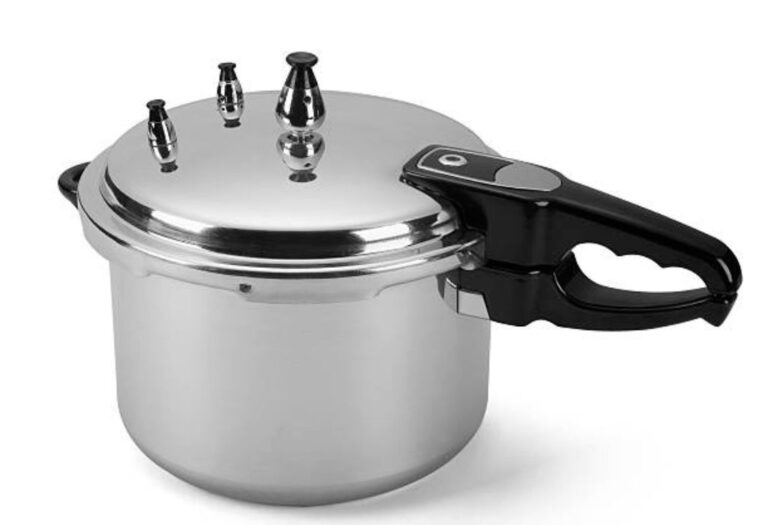
The materials and construction of a slow cooker directly affect how well it cooks and how long it lasts. The cooking pot can be made of ceramic, stoneware, or metal, with ceramic and stoneware being the most common. These materials distribute heat evenly. They also provide good insulation, which helps to maintain a consistent cooking temperature. Metal pots, often found in electric pressure cookers with slow cooking functions, heat up faster but may not distribute heat as evenly. The outer casing of the slow cooker can be made of various materials, including stainless steel or plastic. The construction quality affects durability and how well the cooker retains heat. A sturdy, well-made cooker will last longer and cook more effectively.
- Ceramic/Stoneware Pots: Even heat distribution, good insulation.
- Metal Pots: Heat up faster, can be found in multi-cookers.
- Outer Casing: Look for durable materials like stainless steel.
Always check that the lid fits snugly to retain heat and moisture. Look at the handles, and ensure they are heat-resistant for safe handling. Choosing quality materials and construction will ensure your slow cooker performs well and lasts for years.
Getting Started with Slow Cooking: Basic Tips
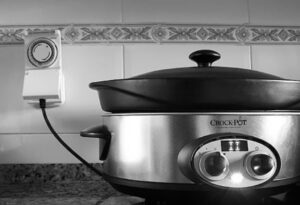
Once you have your slow cooker, getting started is easy. It involves a few basic steps: gathering your ingredients, preparing them, loading the slow cooker, setting the temperature and time, and waiting for a delicious meal. The key is to understand the basics and follow a few simple tips to get great results. Don’t worry if it seems daunting at first. With practice, you’ll become a pro at slow cooking. The simplicity of this cooking method is one of its best features.
Ingredient Preparation: Chop and Prep
Before you even turn on the slow cooker, properly preparing your ingredients is key. Wash all fresh produce thoroughly to remove any dirt or residue. Chop vegetables into similar sizes so they cook evenly. Larger pieces of meat often become more tender over time, but it’s best to trim excess fat, which can make the finished dish greasy. For recipes with meat, consider browning it in a pan before adding it to the slow cooker. This adds flavor and can seal in juices. When using dried herbs and spices, you can add them directly to the cooker. Fresh herbs are best added toward the end of the cooking time to maintain their flavor. Preparing your ingredients properly will ensure that your meal cooks perfectly.
- Wash and Chop Vegetables: Even sizes for even cooking.
- Trim Excess Fat: Helps to prevent greasy dishes.
- Brown Meat (Optional): Adds flavor and seals in juices.
- Add Herbs and Spices: Adjust for fresh vs. dried to maintain flavor.
The preparation stage is an important element. Spend a little time on this step, and it will pay off in the final dish. Properly prepared ingredients lead to better texture and taste in your final meal.
Loading the Slow Cooker: Order Matters
The order in which you layer ingredients in your slow cooker makes a difference. Typically, place vegetables at the bottom. They take longer to cook and create a bed for the meat, which helps prevent it from drying out. Add your meat on top of the vegetables. Pour in any liquids like broth, sauce, or water, ensuring that the ingredients are partially or fully submerged. It’s important not to overfill the slow cooker. Aim to fill it between half and three-quarters full. This allows the food to cook evenly. Always put the lid on securely to trap heat and moisture. Avoid lifting the lid during cooking, as this lets heat escape and extends cooking time. Following this layering order ensures that everything cooks properly.
- Vegetables First: Creates a base to prevent burning.
- Meat on Top: Allows for even cooking and tenderizing.
- Add Liquids: Ensures ingredients are submerged.
- Do Not Overfill: Maintains even cooking temperatures.
Correct loading prevents burning, promotes tenderness, and maximizes flavor. Follow this order, and you’ll get great results every time.
Setting the Temperature and Time: Low and Slow
One of the best features of using a slow cooker is the simplicity of setting the temperature and time. Most recipes suggest using either a low or high setting. Low is best for longer cooking times, typically 6-8 hours or even longer. High is perfect for shorter cooking times, often 3-4 hours. The “keep warm” setting is for holding food after it has finished cooking. The cook time varies depending on the recipe and the ingredients. Generally, tougher cuts of meat benefit from longer cooking times on low. Softer foods like vegetables cook faster. When setting the time, it’s always better to start with the lower end of the cooking range and check the food for doneness. If needed, you can add more time. With experience, you’ll become familiar with the optimal cooking times for different foods.
- Low Setting: Ideal for long cooking times, up to 10 hours.
- High Setting: Perfect for quicker cooking, usually 3-4 hours.
- Keep Warm Setting: Holds food at serving temperature.
It is important to remember that cooking times can vary depending on your slow cooker. Always refer to your recipe instructions and check the food during the cooking process to avoid overcooking. It’s easy to adjust your cooking time as you develop your skills.
Slow Cooker Recipes and Ideas
The beauty of a slow cooker is its versatility. You can prepare countless recipes. From hearty stews and tender roasts to flavorful soups and even desserts, the possibilities are endless. Many recipes are designed specifically for slow cookers, and these offer step-by-step instructions. But you can also adapt your favorite recipes for the slow cooker. This section explores a few recipe ideas to get you started, and offers some tips for transforming your current recipes into slow cooker masterpieces.
Hearty Soups and Stews: Comfort in a Bowl
Soups and stews are a perfect match for slow cooking. They benefit greatly from the long, gentle cooking process, which allows flavors to meld and develop. Start with a base of onions, carrots, and celery. Add your favorite proteins, such as beef, chicken, or beans. Pour in broth or water to cover the ingredients. Season with herbs, spices, and a bay leaf. Set the slow cooker to low for 6-8 hours, or high for 3-4 hours. The result is a flavorful, tender meal. Consider adding potatoes or pasta towards the end of the cooking time to prevent them from becoming too mushy. Soups and stews are excellent for meal prepping. You can make a large batch and enjoy leftovers throughout the week. The longer they sit, the better they taste.
- Classic Beef Stew: Beef, potatoes, carrots, onions, broth, and herbs.
- Chicken Noodle Soup: Chicken, noodles, vegetables, and chicken broth.
- Vegetable Soup: A medley of your favorite vegetables and vegetable broth.
Adding a dollop of sour cream or a sprinkle of fresh herbs just before serving can elevate the flavors. Soups and stews provide a warm, nourishing meal with minimal effort. Slow cooking turns simple ingredients into something special.
Tender Meats: Roasts and More
Slow cookers are perfect for making tender, juicy roasts. The low and slow cooking process breaks down tough cuts of meat. Use chuck roast, pork shoulder, or even chicken. Before placing the meat in the slow cooker, you can sear it in a pan to add flavor and texture. Place the meat on top of your favorite vegetables, like onions, carrots, and potatoes. Add your favorite seasonings, such as salt, pepper, garlic powder, and paprika. Pour in a liquid, such as broth or water. Cook on low for 6-8 hours or high for 3-4 hours. The meat will become incredibly tender. You can easily shred it with a fork. Serving options are limitless, from sandwiches to standalone meals. The results are worth the wait.
- Beef Roast: Chuck roast with carrots, potatoes, and gravy.
- Pulled Pork: Pork shoulder with barbecue sauce.
- Chicken: Whole chicken with vegetables and herbs.
Resting the meat after cooking allows the juices to redistribute, enhancing the tenderness and flavor. Properly cooked meats are a culinary highlight, and a slow cooker makes this easily achievable.
Adapt Recipes: Adapting Your Favorites
You can adjust many of your favorite recipes to suit a slow cooker. The main goal is to convert your cooking methods for low and slow. First, reduce the amount of liquid slightly. Slow cookers don’t lose as much moisture during the cooking process. For recipes that use a lot of liquid, reduce it by about half a cup. Second, adjust cooking times. Generally, recipes that bake in the oven for 1 hour can cook on high in the slow cooker for 3-4 hours or on low for 6-8 hours. For stovetop recipes, you may need to reduce the amount of liquid and adjust the cooking time. It’s often best to start with the lower end of the cooking time range and check for doneness. You can always cook the food longer. With a bit of practice, you’ll be able to adapt many recipes to your slow cooker.
- Reduce Liquid: Start with less liquid, as the slow cooker doesn’t lose much moisture.
- Adjust Cooking Times: Convert oven times to high or low settings.
- Add Dairy at the End: Dairy products can curdle if cooked for too long.
Adaptation allows you to enjoy familiar flavors with minimal effort. Embrace the low and slow method, and enjoy delicious meals with less active cooking time.
Slow Cooker Safety Tips and Common Mistakes
While slow cooking is generally safe, it’s vital to follow a few safety guidelines. Proper food handling and appliance maintenance are necessary to prevent potential issues. Being aware of common mistakes also helps you avoid them. This part details essential safety tips and helps you identify and avoid common pitfalls. By following these, you can ensure that your slow cooking experience is both safe and enjoyable. Always prioritize safety for peace of mind.
Food Safety: Handling and Temperature
Safe food handling is key to a positive slow cooking experience. Always start with fresh ingredients. Wash your hands thoroughly before preparing your food. Handle raw meat carefully. Prevent cross-contamination by using separate cutting boards and utensils for raw meat and other ingredients. When placing food in the slow cooker, ensure that the internal temperature reaches a safe level to kill bacteria. The USDA recommends cooking meat to a minimum internal temperature to ensure safety. Check the temperature of the cooked food with a food thermometer. When reheating leftovers, ensure they reach an internal temperature of 165°F (74°C). If you plan to leave food in the slow cooker for an extended time after cooking, switch it to the “keep warm” setting to maintain a safe temperature.
- Wash Hands and Surfaces: Before handling food.
- Use Separate Utensils: For raw and cooked foods.
- Cook to Safe Temperatures: Use a thermometer to verify.
- Reheat Leftovers Properly: To ensure food safety.
Good food handling habits are your defense against foodborne illnesses. Following these simple steps keeps you and your family safe.
Avoiding Common Mistakes: Overfilling and Under-Cooking
Several common mistakes can affect your slow cooking results. One is overfilling the slow cooker. Overfilling can prevent food from cooking evenly and potentially lead to under-cooking, especially with larger pieces of meat. Another common mistake is lifting the lid during cooking, which releases heat and extends the cooking time. Avoid this by resisting the urge to check on your food frequently. Under-cooking is another issue. Ensure you set the correct temperature and cooking time for the recipe. Always use a food thermometer to check the internal temperature. Finally, don’t forget to unplug the slow cooker when you’re not using it. Never place a hot slow cooker directly on a countertop or other surface that is not heat-resistant.
- Overfilling: Can lead to uneven cooking.
- Lifting the Lid: Releases heat and extends cooking time.
- Under-cooking: Ensure proper temperature and time.
- Improper Handling: Avoid unsafe practices.
Being aware of these common mistakes prevents cooking issues and helps you achieve the best results. A little care can go a long way in ensuring your meals are perfect every time.
Cleaning and Maintenance: Keeping It Fresh
Proper cleaning and maintenance extend the life of your slow cooker and keep it hygienic. Always unplug the slow cooker before cleaning. Remove the stoneware insert and lid. Wash the insert and lid with warm, soapy water. Use a non-abrasive sponge or cloth to prevent scratching the surface. For stubborn food residue, soak the insert in warm, soapy water before washing. The exterior of the slow cooker can be wiped with a damp cloth. Avoid submerging the entire appliance in water. Be sure the appliance is completely dry before storing it. Regular maintenance keeps your slow cooker clean and ready for your next culinary creation.
- Unplug Before Cleaning: Always prioritize safety.
- Wash the Insert and Lid: With warm, soapy water.
- Dry Thoroughly: Before storing.
- Avoid Abrasives: Prevents scratching.
Simple cleaning practices keep your slow cooker in good condition, and ensures it’s always ready to use. Maintenance preserves your appliance and protects your investment.
| Issue | Solution |
|---|---|
| Food is undercooked | Increase the cooking time or switch to a higher heat setting. |
| Food is overcooked | Reduce the cooking time or use the “keep warm” setting. |
| Food is dry | Add more liquid, such as broth or water. |
| Food is burning at the bottom | Ensure there is enough liquid and the ingredients are properly layered. |
Frequently Asked Questions
Question: Can I put frozen food directly into the slow cooker?
Answer: It’s best to thaw frozen food before adding it to your slow cooker. Frozen food can take longer to reach a safe internal temperature. This can increase the risk of bacterial growth.
Question: Do I need to add water to my slow cooker?
Answer: Yes, you usually need to add liquid, especially when cooking meat or vegetables. This can be water, broth, or other liquids. The amount depends on the recipe and the ingredients.
Question: How long can I leave food in the slow cooker on the “keep warm” setting?
Answer: You can leave food on the “keep warm” setting for up to 4 hours. However, it’s important to monitor the food’s temperature to ensure it stays above 140°F (60°C) to prevent bacterial growth.
Question: Can I use metal utensils in my slow cooker?
Answer: Avoid using metal utensils. They can scratch the stoneware insert of your slow cooker. Use wooden, silicone, or plastic utensils to stir and serve.
Question: What’s the best way to clean my slow cooker?
Answer: Always unplug the slow cooker and let it cool. Remove the stoneware insert and lid. Wash them with warm, soapy water. Wipe the exterior with a damp cloth. Never submerge the entire slow cooker in water.
Final Thoughts
You now have the basic information on how to use a slow cooker. We have explored the basics, from choosing the right model to essential safety tips and recipe ideas. Remember, slow cooking is an easy and convenient cooking method. Don’t be afraid to experiment with different recipes and ingredients. Practice and persistence are the keys. So, gather your ingredients, set the timer, and let the slow cooker work its magic. Enjoy the delicious meals and the ease of cooking that slow cookers bring to your table. Try a new recipe this week. Happy cooking!

I’m Emma J. Caldwell, the founder, lead writer, and home-cooking enthusiast behind KitchenGuideCo.com. With a background in culinary arts and over a decade of cooking experience in both professional and personal kitchens, I created this platform to demystify recipes, offer smart kitchen gadget reviews, and guide readers through meal prep with confidence and clarity.