The first time someone switches from liquid detergent to dishwasher pods, everything feels surprisingly quick and simple.
People expect that placing a pod inside the machine will automatically give spotless dishes, yet many still see cloudy glasses or half melted pods. This leaves them wondering what they are doing wrong.
Dishwasher pods look tiny, but each one is engineered to release detergent at the perfect time. If the water temperature is too low or the pod is placed in the wrong area, the cleaning cycle becomes less effective. This shows that even a simple product benefits from proper use.
Learning how pods react to heat, spray pressure and different washing cycles helps you get consistent results. Clean dishes, shiny glasses and a fresh smelling dishwasher become the new normal. When you understand the basics, every wash becomes easier and more efficient.
What Are Dishwasher Pods and How They Work

Dishwasher pods are compact cleaning units designed to dissolve at specific points during the wash cycle. They contain powdered or gel detergent wrapped in a water soluble film. When warm water touches the pod, the film melts and releases the cleaning agents.
Surfactants inside the pod loosen food and grease from plates. Enzymes break down starches, proteins and oily residues. Oxygen based cleaners help remove stains and sanitize surfaces.
The outer film dissolves properly only when the water temperature is high enough. This ensures the detergent enters the wash at the correct moment. Cold water slows the dissolving process and may leave powder behind.
Pods are pre measured so you do not use too much or too little detergent. Overusing detergent creates film on glasses while underusing reduces cleaning power. The fixed portion helps maintain consistency.
Dishwasher spray arms distribute water and help activate the pod’s ingredients. Water pressure pushes the detergent throughout the machine for even cleaning. A correctly placed pod supports this process.
Pods are formulated to handle a full load of dishes effectively. They remain strong even in homes with hard water. This makes them useful for different cleaning conditions.
Many pods include built in rinse aids that improve drying. These additives help water sheet off dishes smoothly and prevent spotting. They also enhance the final shine.
Knowing how pods function helps users avoid common issues. Proper placement and suitable water heat improve dissolving. This leads to cleaner and more reliable washing results.
Benefits of Using Dishwasher Pods Over Traditional Detergent
Dishwasher pods offer a cleaner and simpler dishwashing routine. They remove the mess caused by scooping or pouring loose detergent. This makes them easier for daily use.
Pods deliver consistent cleaning because each one contains the exact amount needed. Powders and liquids often lead to inaccurate dosing. Pods eliminate that problem instantly.
They dissolve more evenly during the wash when used correctly. The water soluble film releases detergent in stages for better results. This reduces spotting on plates and glasses.
Pods save time because no measuring is necessary before starting the dishwasher. Busy households enjoy this effortless workflow. It makes dishwashing faster and smoother.
Many pods include rinse aids and degreasers built into the formula. These additives improve shine and break down heavy grease. They give better results without needing extra products.
Pods are compact and easy to store in any kitchen space. Their sealed packaging keeps moisture out. This helps maintain freshness for longer.
People with sensitive skin prefer pods because they avoid direct contact with detergent. Handling powders or liquids can irritate certain users. Pods keep everything safely enclosed.
Overall, dishwasher pods offer a reliable and mess free cleaning solution. Their convenience and accuracy are ideal for modern kitchens. They consistently outperform traditional detergents in daily use.
How to Use Dishwasher Pods Step by Step
Using dishwasher pods correctly starts with choosing a clean and empty detergent dispenser. If the dispenser is blocked with old residue, the pod may not open properly. A quick wipe ensures smooth dissolving.
Place the dishwasher pod directly into the detergent compartment. This position allows water to hit the pod at the right stage of the wash cycle. If placed on the bottom of the dishwasher, the pod may dissolve too early.
Close the detergent compartment firmly before starting the dishwasher. A loose latch prevents the pod from releasing at the correct time. This can lead to poor cleaning results.
Select the appropriate wash cycle based on the load and soil level. Pods work best on standard or heavy cycles because they rely on sufficient water heat. Short cycles do not always give enough time for full dissolving.
Run the dishwasher with a full load but avoid overcrowding. Proper spacing allows water to reach every dish and activate the pod ingredients evenly. Overloading reduces the cleaning performance.
Check your water temperature to ensure it reaches a warm level for dissolving. Most pods require warm to hot water to break down fully. Cold water can leave behind undissolved detergent.
After the cycle finishes, open the dishwasher door and allow steam to escape slowly. This prevents sudden moisture buildup that can cause streaking. It also helps dishes dry more quickly.
If the pod did not dissolve, inspect the dispenser area for blockage. Hard water deposits or stuck food particles can stop the pod from releasing. Cleaning this area prevents future issues.
Can you put pods directly in the bottom of the dishwasher?
No, placing pods on the bottom causes early dissolving and weak cleaning.
Do dishwasher pods work in all dishwasher models?
Yes, they work in most modern models if placed correctly and used with warm water.
Why did my pod stay stuck in the dispenser?
A blocked or wet dispenser often prevents the pod from opening.
Should I use more than one pod for a heavy load?
One pod is usually enough because they are pre measured for full loads.
Do dishwasher pods expire?
Yes, they lose effectiveness over time, especially if exposed to moisture.
Where to Place a Dishwasher Pod Correctly
Correct placement of a dishwasher pod is essential for proper cleaning. The detergent compartment is designed to hold the pod until the right moment in the wash cycle. Using this compartment ensures accurate timing.
Make sure the compartment is dry before inserting the pod. A wet dispenser can cause the pod to start dissolving prematurely. This weakens its cleaning power.
Avoid leaving the pod loose inside the dishwasher. When placed on the bottom, the pod dissolves too early and never reaches full strength. This results in cloudy dishes and leftover debris.
Dishwashers rely on water spray from the arms to distribute detergent evenly. When the pod sits in the dispenser, it receives the correct flow at the right time. This guarantees even cleaning.
Some dishwashers have two detergent compartments for multi stage cleaning. In such cases, always use the primary dispenser unless the machine’s manual states otherwise. This prevents accidental overuse.
If your dishwasher has a sliding or spring loaded compartment, check that it opens freely. A sticky latch can trap the pod and stop it from dissolving. Regular cleaning helps maintain smooth operation.
Do not place the pod inside utensil baskets or on racks. These spots block water flow and restrict dissolving. Proper placement ensures every ingredient activates successfully.
If you notice pods often get stuck, inspect the spray arm direction. Misaligned spray arms do not deliver enough water to the dispenser. Adjusting or cleaning them improves performance.
Common Mistakes People Make With Dishwasher Pods
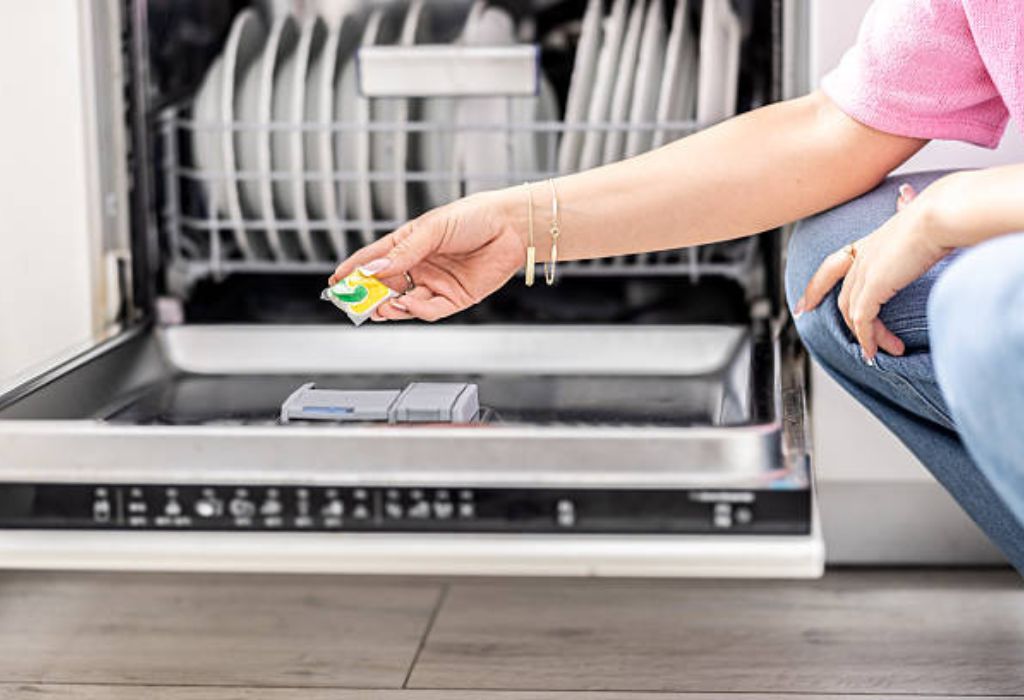
Many people make the mistake of placing pods in the bottom of the dishwasher. This causes the pod to dissolve too early and reduces its cleaning power. Correct placement always ensures better results.
Another common error is using cold water cycles. Cold water prevents the pod from dissolving completely and leaves behind detergent residue. Warm water helps the ingredients activate properly.
Some users overload the dishwasher, making it difficult for water to reach the pod. When spray arms are blocked, detergent does not circulate evenly. Overcrowding always weakens the cleaning performance.
Leaving plastic wrapping around certain older pod types is another mistake. Some older models came with non dissolvable wrappers that needed removal. Failing to remove them prevents full dissolving.
Using too many pods at once also causes issues. Since each pod is pre measured, adding extra pods creates excess suds and streaks. One pod is usually enough for a complete load.
Placing pods in wet dispensers can cause them to weaken early. Moisture makes the film stick and dissolve before the wash begins. Dry dispensers ensure proper timing.
Running very short cycles with pods often leads to partially dissolved detergent. Pods require enough time and heat to activate fully. Short cycles are not always compatible with them.
Storing pods in humid environments reduces their effectiveness. Moisture makes the outer layer sticky and clumpy. Keeping them in a dry place helps maintain their quality.
Why do my pods leave white residue on dishes?
Cold water or short cycles often prevent full dissolving.
Can using two pods clean better?
No, using extra pods usually causes streaks and leaves a filmy surface.
Why do pods smell weak after some months?
Moisture exposure reduces fragrance and detergent strength.
Can pods damage a dishwasher?
No, they are safe when used correctly and placed in the dispenser.
Do pods work with eco wash cycles?
Eco cycles may not always heat water enough for complete dissolving.
How Water Temperature Affects Dishwasher Pod Performance
Water temperature plays a major role in how well a pod dissolves. Pods need warm to hot water to release their ingredients fully. Cold water often leaves behind chunks of detergent.
Most dishwashers rely on incoming water temperature to start dissolving pods. When water enters the machine below the ideal level, dissolving becomes slow. The wash cycle then struggles to perform effectively.
Warm water activates cleaning enzymes inside the pod. These enzymes work best when exposed to consistent heat. Without proper heat, they remain inactive and deliver weak results.
High temperature water helps break down grease and tough food residues. Pods contain degreasers that rely on the right temperature to work efficiently. This combination improves the shine on plates and glasses.
Dishwashers often have heating elements, but they may not raise temperature quickly enough. If the initial water is too cold, the pod dissolves late in the cycle. This reduces the cleaning time available.
Hard water areas also affect temperature based performance. Mineral deposits make dissolving slower, and pods may need more heat to activate properly. Regular maintenance improves the overall process.
Choosing the right cycle ensures proper temperature flow throughout the wash. Heavy or normal cycles maintain warmer water longer. These cycles provide the best results when using pods.
Understanding the link between heat and dissolving helps users avoid common issues. Proper temperature settings lead to cleaner dishes and fewer detergent marks. This simple adjustment greatly improves performance.
Dishwasher Pod Safety Tips and Storage Guidelines
Dishwasher pods must be kept away from children and pets because their colorful appearance can attract attention. These pods contain concentrated detergent that can cause irritation if touched or swallowed. Safe storage prevents accidental exposure.
Always store pods in their original packaging to protect them from moisture. The packaging is designed to keep the pods dry and maintain their dissolving ability. Moving them to open containers increases the risk of clumping.
Keep pods in a cool and dry area to prevent damage. High humidity can cause the outer film to soften and stick together. Proper storage ensures each pod remains effective.
Avoid placing pods near the dishwasher’s steam vent. Heat and moisture from the vent can weaken the pod’s outer layer. This makes them dissolve unevenly during a wash cycle.
Do not place pods where they might accidentally get wet. Even small droplets can start the dissolving process prematurely. Dry environments keep the product stable.
When handling pods, make sure your hands are dry. Wet hands may cause the film to break or dissolve early. This reduces cleaning performance and wastes detergent.
Always seal the package tightly after taking out a pod. Air and moisture can enter an open package and affect the remaining pods. A secure closure keeps them fresh longer.
Follow your dishwasher’s safety instructions when using pods. The correct placement and recommended cycles help ensure safe and effective cleaning. This combination protects both the dishwasher and the user.
Troubleshooting When Pods Don’t Dissolve Properly
Pods often fail to dissolve due to incorrect placement inside the dishwasher. When the pod sits in the wrong area, water fails to reach it at the right time. Proper placement helps avoid this issue.
Cold water cycles are another common cause of undissolved pods. Pods need warm to hot water to activate their cleaning ingredients. Cold cycles weaken dissolving and leave behind detergent traces.
A blocked detergent dispenser can stop the pod from opening. Food particles and hardened detergent often clog the dispenser door. Cleaning it regularly allows the pod to release correctly.
Overloading the dishwasher prevents water from reaching the pod. When dishes block the spray arms, detergent does not circulate evenly. This leads to incomplete dissolving.
Low water pressure inside the dishwasher can also cause problems. Insufficient pressure reduces the force needed to open the detergent compartment. This slows or prevents pod activation.
A malfunctioning spray arm affects how water hits the pod. When the spray arm is clogged or misaligned, water flow becomes weak. Adjusting or cleaning the arms improves dissolving.
Hard water buildup can interfere with dissolving efficiency. Minerals collect around the dispenser area and limit water contact. Regular descaling helps prevent this problem.
Understanding the root cause helps users fix issues quickly. Adjusting water temperature, improving placement and cleaning the dishwasher usually solve dissolving problems. These simple steps restore consistent cleaning performance.
Why is my pod still in the dispenser after the cycle?
A blocked latch or low water pressure often prevents the dispenser from opening.
Why does my pod only dissolve halfway?
Cold water or short cycles reduce dissolving time and leave detergent behind.
Can spray arm problems stop pods from dissolving?
Yes, clogged or misaligned spray arms limit water flow to the dispenser.
Do pods dissolve in eco modes?
Eco modes sometimes use lower temperature, causing incomplete dissolving.
Why does my dishwasher leave pod residue on glasses?
Insufficient heat and incorrect placement usually cause leftover detergent.
Eco Friendly Options and How Pods Impact the Environment
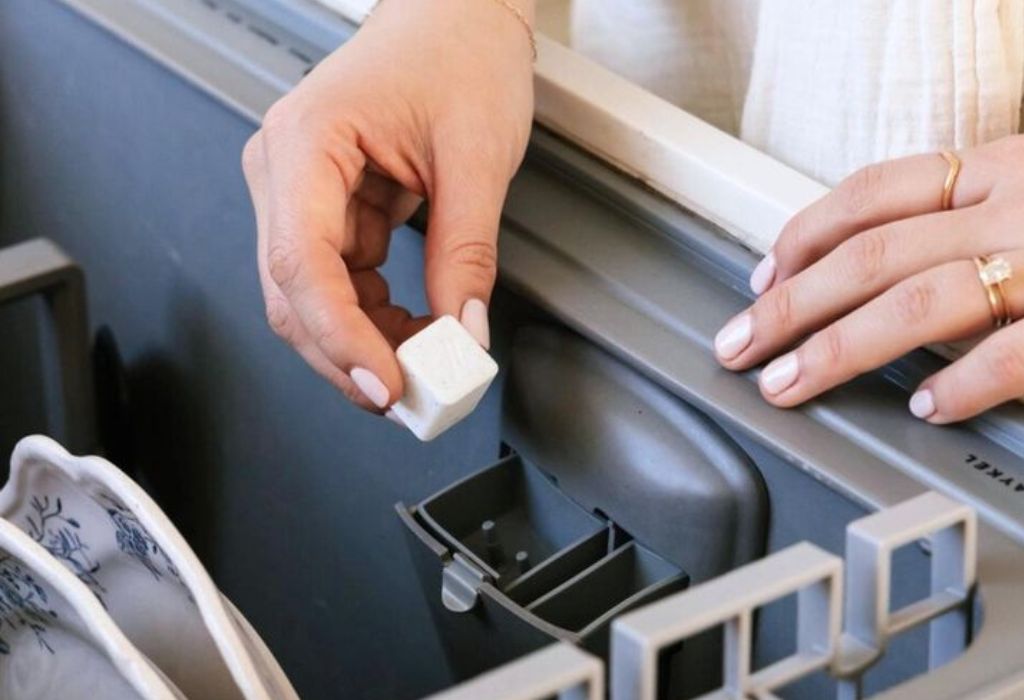
Eco friendly dishwasher pods have become popular as people look for safer and greener cleaning products. These pods use plant based ingredients instead of harsh chemicals. They reduce environmental harm while still providing strong cleaning power.
Many eco pods come in biodegradable or compostable film. This helps reduce plastic waste and lowers the environmental footprint. These materials break down naturally without leaving harmful residues.
Eco friendly options also focus on reducing water pollution. Traditional detergents sometimes contain phosphates that harm aquatic life. Eco pods remove these ingredients to protect rivers and oceans.
Manufacturers of green pods often use recyclable or minimal packaging. This reduces unnecessary waste in landfills. Simple packaging choices make a big environmental difference.
Plant based enzymes in eco pods break down food particles without harsh chemicals. These ingredients clean effectively while remaining gentle on the ecosystem. It creates a safer cycle for both homes and nature.
Eco pods are usually concentrated, meaning less product is needed. This reduces transportation impact by lowering the weight of shipments. Fewer trips help reduce carbon emissions.
People choosing eco pods often notice fewer skin irritations. The natural ingredients reduce allergic reactions compared to chemical heavy detergents. Safety improves along with environmental benefits.
Switching to eco pods is a practical step toward sustainable living. They offer strong cleaning performance while supporting environmental health. This makes them a good choice for the future.
Conclusion
Loading dishes correctly is one of the biggest factors in achieving good results. Plates and bowls should face the center where water sprays strongest. Proper spacing allows detergent to reach every surface.
Always remove excess food from dishes before loading them. While pods can handle typical residue, large food pieces block water flow. Pre scraping helps the dishwasher work smoothly.
Make sure spray arms are clean and free from clogs. When spray holes are blocked, water pressure decreases. Lower pressure weakens pod activation.
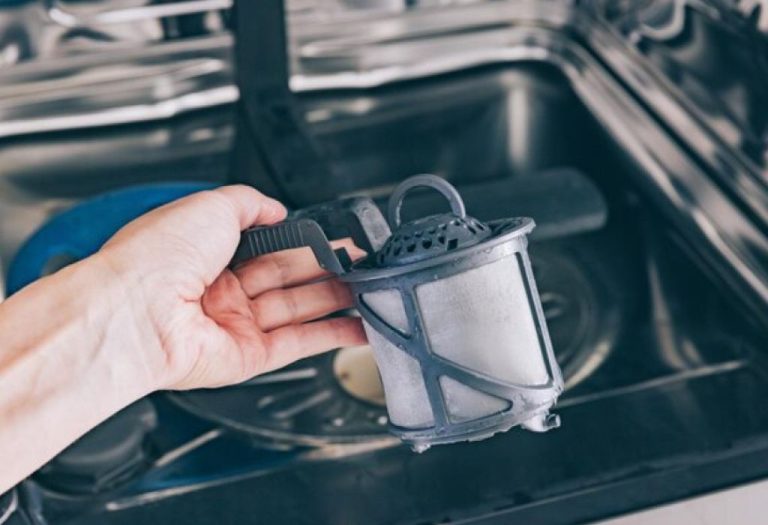
Check your dishwasher filter regularly to remove built up debris. A dirty filter slows drainage and affects overall cleaning performance. Regular maintenance ensures efficient washing.
Use the right wash cycle based on the load. Heavy cycles provide stronger cleaning for greasy items, while normal cycles suit everyday dishes. Choosing the correct cycle improves pod performance.
Monitor your dishwasher’s temperature settings to ensure optimal heat. Pods dissolve best when water reaches warm levels during the early washing stage. Heat consistency leads to spotless results.
Avoid overcrowding the racks because it restricts movement of water and detergent. Proper spacing helps pods activate and spread cleaning agents effectively. Balanced loading supports consistent washing.
Evaluate pod brand quality if results stay inconsistent. Some formulas work better with specific dishwasher models. Adjusting brands can improve long term performance.

I’m Emma J. Caldwell, the founder, lead writer, and home-cooking enthusiast behind KitchenGuideCo.com. With a background in culinary arts and over a decade of cooking experience in both professional and personal kitchens, I created this platform to demystify recipes, offer smart kitchen gadget reviews, and guide readers through meal prep with confidence and clarity.