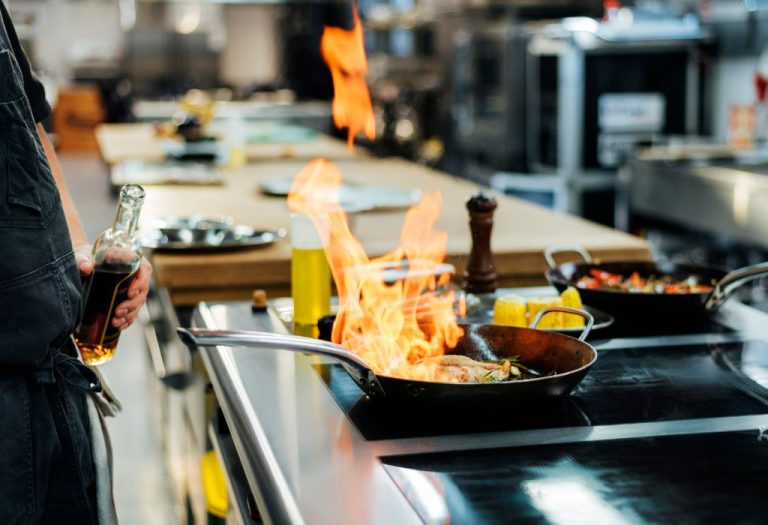
Figuring out how to use microwave convection mode can feel like learning a whole new kitchen language. Many people find it a little tricky at first because it combines two different ways of cooking. Don’t worry, it’s really not as hard as it seems! In this guide, we’ll break down the process into easy-to-follow steps. We’ll show you how to get the most from this feature so you can cook like a pro. Let’s get started!
Key Takeaways
- Microwave convection mode combines microwave and oven features.
- You can bake, roast, and brown food using convection mode.
- Setting the right temperature and time is important for good results.
- Understand the differences between modes to cook successfully.
- Preheating is often required for even cooking.
- Safety tips help prevent accidents.
Understanding Microwave Convection Mode
Microwave convection mode is a clever combination of two cooking technologies. It mixes the speed of a microwave with the even heating of a convection oven. This lets you do things like bake a cake, roast a chicken, or brown a casserole. It’s like having two appliances in one! This mode usually has a heating element and a fan, similar to a regular oven. The fan circulates hot air around the food, cooking it more evenly than a regular microwave. This also helps to crisp the outside of foods, which a standard microwave can’t do. By carefully using both modes, you open up many new cooking possibilities.
How Convection Works
Convection cooking uses a fan to move hot air around your food. This ensures heat reaches every side of the food at the same time. This is different from a regular oven, where heat comes from a bottom element and can be uneven. This even cooking allows for browning and crisping on the outside of foods while cooking the inside fully. The benefit is more uniform and efficient heat distribution, resulting in faster cooking and more consistent results. The fan helps reduce “hot spots” that can occur in some ovens. This makes it possible to get professional-looking results in your home kitchen. For optimal performance, always ensure the oven is preheated to the correct temperature.
- Even Heat Distribution: The fan ensures heat is evenly distributed, preventing undercooked or overcooked spots.
- Faster Cooking Times: Convection often reduces cooking times compared to traditional ovens.
- Crispier Results: The circulating hot air helps to brown and crisp the outside of foods like roasted vegetables or baked goods.
- Temperature Consistency: The fan maintains a consistent temperature throughout the cooking process.
- Energy Efficiency: Convection ovens can sometimes be more energy-efficient because they cook faster.
A study by Consumer Reports showed that convection ovens can cook food up to 25% faster than conventional ovens. The findings suggest that convection ovens are more energy efficient, saving consumers both time and money. For example, a whole chicken could cook in approximately 1 hour and 15 minutes in a convection oven, compared to 1 hour and 45 minutes in a standard oven.
Microwave vs. Convection: The Difference
Microwaves cook food by using electromagnetic radiation to heat water molecules. This heats the food from the inside out. It’s fast and perfect for reheating leftovers or cooking certain dishes quickly. On the other hand, convection uses heated air circulated by a fan. This cooks food from the outside in. Convection is great for baking, roasting, and browning food because it provides even heat. Many microwaves combine both functions, giving you more options in your kitchen. Knowing these differences helps you choose the best cooking method for your meal. In a single appliance, you have access to quick and thorough cooking techniques.
- Microwave: Uses electromagnetic waves to heat food quickly, great for reheating and simple cooking.
- Convection: Uses heated air circulated by a fan, ideal for baking, roasting, and browning.
- Cooking Speed: Microwaves are generally faster for individual food items. Convection ovens may take longer.
- Cooking Results: Microwaves heat from the inside out, while convection cooks food evenly and browns the surface.
- Food Types: Microwaves are perfect for reheating and simple dishes; convection is better for more complex cooking.
A comparison test showed that microwaving a potato took about 8 minutes, while roasting it in a convection mode took around 40 minutes, but with improved texture and browning.
Setting Up Your Microwave Convection Oven
Setting up your microwave convection oven for the first time is easy. Find the manual, this will give you the specific details for your model. It can tell you all about the various buttons, settings, and functions your model offers. This helps avoid confusion during the cooking process. Get familiar with the control panel. Look for the “Convection” button, “Temperature” control, and “Time” settings. These are key for using the mode correctly. Also, make sure you know if the turntable is needed for convection cooking. Proper setup ensures that you cook food efficiently and enjoy the result.
Initial Preparations
Before you cook, make sure you remove any microwave-safe dishes or accessories that are not designed for convection cooking. Check your user manual for details. Always use oven-safe cookware when using the convection mode. This includes items like baking sheets, oven-safe glass dishes, and metal pans. Preheating the oven is another important step. Like a regular oven, your microwave convection oven often needs to be preheated to the right temperature before you place your food inside. This makes sure it cooks evenly. Finally, place your food inside the oven. Place it in the center of the oven, allowing space around it for even airflow.
- Read the Manual: Familiarize yourself with the features and functions.
- Use Appropriate Cookware: Only use oven-safe dishes; microwave-safe dishes may not be suitable.
- Preheat the Oven: Just like a regular oven, preheating is required.
- Position the Food: Place food in the center of the oven for even cooking.
- Check the Turntable: Ensure the turntable is correctly positioned for convection use.
Temperature and Time Settings
Getting the temperature and time right is important for good results. Your microwave convection oven may have pre-set programs, or you might need to enter the settings manually. For baking, follow the recipe instructions. If you’re adapting a recipe for a regular oven, you can often lower the temperature by 25°F and reduce the cooking time slightly. For roasting, choose a temperature that suits the type of food. Keep an eye on the food as it cooks, and use a food thermometer to check for doneness. Adjust the time as needed, depending on the results. Understanding temperature and time can make the cooking process smooth and the outcome enjoyable.
- Follow Recipes: Start with recipes designed for convection cooking.
- Temperature Conversion: If converting from a conventional oven recipe, often reduce the temperature.
- Cooking Time Adjustment: Decrease cooking time slightly when using convection.
- Use a Food Thermometer: Check for doneness with a meat thermometer to ensure accuracy.
- Watch and Adjust: Keep an eye on the food, and adjust the time as needed.
Cooking with Convection Mode: Techniques and Tips
Cooking with convection mode lets you explore many culinary possibilities. It’s a versatile way to cook, offering results similar to a conventional oven, but with added convenience. From baking a perfect pie to roasting a flavorful chicken, the microwave convection oven is an invaluable tool. Understanding the best techniques and some simple tips can enhance your cooking skills. Experiment with different recipes and methods, finding the right way to use your oven.
Baking Techniques
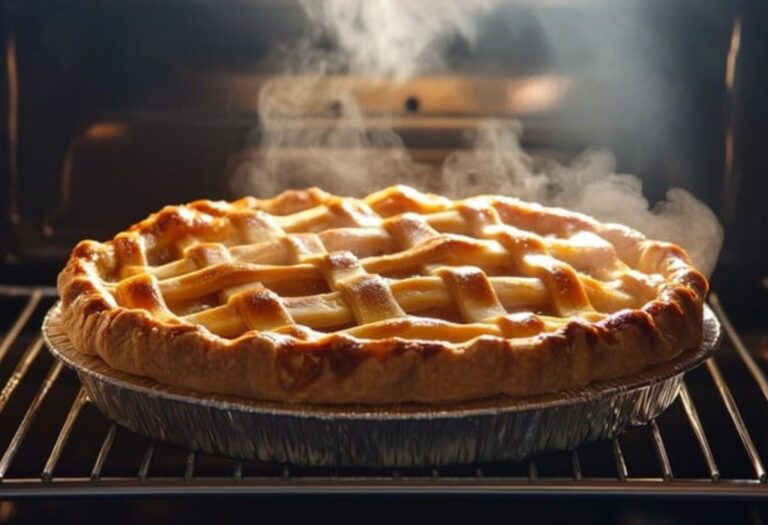
Baking in convection mode provides even heat and helps with browning. Preheat the oven to the temperature listed in your recipe, as this gives the best results. Place the baking dish on a rack in the center of the oven for even baking. Check the food often, as convection cooking often cooks food faster. For cakes and cookies, you can usually reduce the baking temperature by 25°F from the conventional oven instructions. This keeps the outside from browning too quickly, while the inside cooks through. Experimenting with these methods will lead to delicious results. Proper techniques allow the baker to utilize their kitchen tools with confidence.
- Preheat Properly: Always preheat to the recommended temperature.
- Position Baking Dishes: Place dishes in the center of the oven.
- Temperature Adjustment: Reduce temperature by 25°F.
- Check Frequently: Monitor your baked goods for doneness.
- Use Baking Sheets: Utilize baking sheets for even cooking.
A study of oven performance found that cakes baked in convection ovens had more uniform browning and slightly better texture compared to those baked in conventional ovens.
Roasting Techniques
Convection mode is great for roasting meats and vegetables. It gives a nice brown and crispy exterior. Start by preheating the oven. Place your food on a roasting pan. Make sure there’s some space around the food so the hot air can circulate. For meats, use a meat thermometer to check the internal temperature. This makes sure the meat is cooked to your liking. Vegetables roast best at higher temperatures, often around 400°F. Drizzle them with oil and season them before roasting. Turning the food halfway through the cooking time will help with even browning. With practice, you’ll produce delicious and beautifully roasted meals. These roasting methods can create flavorful, enjoyable meals.
- Preheating is Key: Always preheat before roasting.
- Use a Roasting Pan: Place your food in a roasting pan.
- Meat Thermometer: Use a meat thermometer to check internal temperature.
- Vegetable Preparation: Toss vegetables with oil and seasonings.
- Rotation: Turn food for even browning.
Browning and Crisp
One of the best features of convection cooking is its ability to brown and crisp food. This happens because the hot air circulates around the food, cooking it evenly. This is unlike a standard microwave, which doesn’t brown food. To get the best browning, make sure the oven is preheated to the right temperature. You might also need to use a high setting for the final few minutes of cooking. This gives your food a crispy outside. Foods like pizza, chicken, and some vegetables will benefit from browning. With a little practice, you can produce professional-quality dishes in your own home. Using these techniques enables the cook to prepare beautiful and attractive meals.
- Preheat: Essential for browning and crisping.
- High Temperature: Often needed for the final few minutes.
- Food Choice: Works well with pizza, chicken, and certain vegetables.
- Watch Carefully: Monitor the food closely during the browning process.
- Use Accessories: Consider using a baking sheet or crisper pan for best results.
Safety and Maintenance
Using a microwave convection oven safely and maintaining it properly ensures it lasts long. Always read the safety instructions in your owner’s manual. Never put metal objects in the microwave while using the convection mode, unless it’s specifically approved for oven use. Make sure the oven is clean. Clean it regularly to avoid food buildup and odors. Unplug the oven before cleaning. Be careful when removing hot dishes from the oven. Using safety measures and basic care helps protect your family and appliance. Following basic safety precautions is a smart practice for a cook in the kitchen.
Safety Precautions
Safety should always be the top priority. Never operate the microwave if it’s damaged. If you see sparks or hear unusual noises, stop using it immediately. Use oven mitts or pot holders when removing hot dishes. Avoid placing anything on top of the microwave. Keep the area around the microwave clear, so there’s enough space for airflow. Never leave the microwave unattended while it’s in use. Keep children away from the hot oven. By following these safety rules, you can enjoy your microwave convection oven for a long time.
- Inspect Regularly: Check for damage before each use.
- Use Protective Gear: Always use oven mitts or pot holders.
- Avoid Obstructions: Keep the area around the oven clear.
- Supervise Children: Keep children away from the hot oven.
- Never Use Damaged Appliances: Avoid using damaged microwaves.
Cleaning and Maintenance
Keeping your microwave convection oven clean will ensure it works efficiently. Clean up spills and splatters as soon as they happen. Always unplug the oven before cleaning. Use a damp cloth to wipe the inside and outside of the oven. Avoid using harsh chemicals or abrasive cleaners. Remove the turntable and wash it with warm, soapy water. Check the vents regularly and clean them if necessary. Following a cleaning schedule prevents food buildup, odors, and ensures optimal cooking performance. Maintaining the oven’s cleanliness can extend its life.
- Clean Regularly: Wipe up spills and splatters immediately.
- Unplug Before Cleaning: Always disconnect from power.
- Use Mild Cleaners: Avoid harsh chemicals or abrasive cleaners.
- Wash the Turntable: Remove and wash the turntable with warm, soapy water.
- Check the Vents: Clean the vents regularly.
Troubleshooting Common Issues
Even with careful use, you may experience issues. Understanding how to troubleshoot common problems can save you time. Common issues include food not cooking evenly, the oven not heating up, or strange noises. Start by checking the basics: Is the oven plugged in? Have you set the correct temperature and time? Consult your owner’s manual. Often, the solutions are simple and quick to resolve. By learning to troubleshoot, you can continue to cook without interruption.
Uneven Cooking
If food isn’t cooking evenly, try a few things. Make sure the food is placed in the center of the oven. This helps with even heat distribution. Ensure the turntable is working. It helps to rotate the food so all sides cook evenly. If you are cooking multiple items at once, space them apart. Overcrowding can block the airflow. If you still have trouble, check the door seal. A damaged seal can cause uneven cooking. Taking these steps can fix most uneven cooking problems.
- Center the Food: Place food in the center of the oven.
- Check the Turntable: Make sure the turntable is rotating properly.
- Space Items: Avoid overcrowding the oven.
- Check the Seal: Inspect the door seal for damage.
- Use Oven Thermometer: Verify that the temperature is correct.
Oven Not Heating
If the oven isn’t heating, there are several things to check. First, make sure the oven is plugged into a working outlet. Check your circuit breaker. It may have tripped. Check the settings. Ensure you have selected the correct mode and temperature. Try preheating the oven to see if that helps. If none of these steps work, it’s possible that there is a problem with the heating element. At this point, it’s best to consult the owner’s manual or call a professional repair service. These measures help to identify and solve this common problem.
- Check the Power: Ensure the oven is plugged in and the circuit breaker is working.
- Verify Settings: Make sure the mode and temperature are set correctly.
- Preheat: See if preheating resolves the issue.
- Consult the Manual: Check the troubleshooting section of your manual.
- Seek Professional Help: Contact a repair service if the problem persists.
Frequently Asked Questions
Question: Can I use metal cookware in convection mode?
Answer: Yes, you can usually use metal cookware like baking sheets and roasting pans in convection mode, but you should not use metal in microwave mode, unless it is specifically labeled as microwave-safe.
Question: How do I convert a regular oven recipe for a microwave convection oven?
Answer: You can often reduce the temperature by 25°F (about 14°C) and decrease the cooking time slightly. Always keep an eye on your food.
Question: What’s the difference between convection mode and microwave mode?
Answer: Convection mode uses a fan and heating element to circulate hot air, while microwave mode uses electromagnetic waves to heat food.
Question: Why is my food not browning in convection mode?
Answer: Make sure the oven is preheated, the temperature is high enough, and the food has enough exposure to the heat. Consider using a baking sheet or crisper pan.
Question: How do I clean my microwave convection oven?
Answer: Unplug the oven, and use a damp cloth to wipe the inside and outside. Wash the turntable with warm, soapy water.
Final Thoughts
Now you have a better idea of how to use microwave convection mode like a pro. From understanding the basics to cooking techniques and troubleshooting, you now have the tools to make it a key part of your cooking. Practice using different modes and recipes, experiment with various dishes, and you’ll quickly become familiar with your microwave convection oven. Remember to always prioritize safety and keep your appliance clean. By following these easy steps, you can create delicious meals and cook with confidence. Enjoy exploring all the new culinary possibilities that your microwave convection oven brings to your kitchen. Get cooking!

I’m Emma J. Caldwell, the founder, lead writer, and home-cooking enthusiast behind KitchenGuideCo.com. With a background in culinary arts and over a decade of cooking experience in both professional and personal kitchens, I created this platform to demystify recipes, offer smart kitchen gadget reviews, and guide readers through meal prep with confidence and clarity.