Most people buy a pizza stone expecting instant restaurant style results at home. At first the stone seems simple to use because it looks like a flat slab that only needs to heat up before baking.
The first surprise usually happens when the pizza sticks to the surface or the crust turns soft instead of crispy. Some users even crack the stone accidentally by placing it in a hot oven or cooling it too quickly after baking.
A pizza stone works differently from a metal baking sheet because it absorbs and distributes heat slowly. When used correctly the stone pulls moisture from the dough and creates a crisp evenly browned crust that is hard to achieve with regular pans.
Understanding how to handle the stone safely prevents common mistakes like thermal shock and uneven heating. With the right preparation and technique the stone becomes a reliable tool instead of a confusing kitchen accessory.
This guide explains step by step how to use a pizza stone in the oven for consistent results. Whether you are baking fresh dough frozen pizza or bread the process remains simple once the basics are mastered.
How a Pizza Stone Works in the Oven
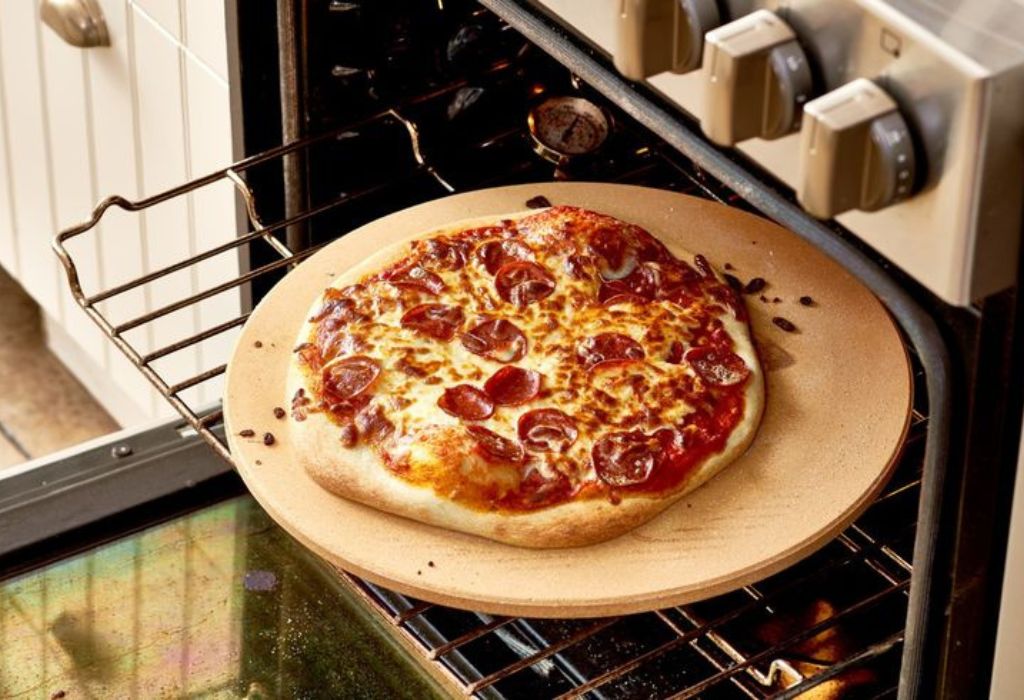
A pizza stone is made from ceramic cordierite or natural stone that absorbs heat gradually. When preheated it stores thermal energy and releases it evenly into the dough. This creates a crisp bottom crust similar to baking in a traditional brick oven.
The porous surface of the stone draws moisture away from the pizza dough. Removing excess moisture prevents a soggy base and allows faster browning. This drying effect is the main reason a stone improves texture compared to metal trays.
Heat retention ensures the crust cooks quickly when the pizza is placed on the stone. Rapid heat transfer helps the dough rise while keeping toppings from overcooking. The stone maintains temperature even when the oven door opens.
The stone distributes heat evenly across its surface to prevent hot spots. Metal pans often create uneven browning but the stone provides uniform heat. This consistency produces better results for beginners and experienced bakers.
A pizza stone continues radiating heat after baking begins. This helps finish cooking the interior of the dough without burning the edges. The result is a balanced crust that is crisp on the outside and soft inside.
Understanding how the stone functions makes technique easier to apply. Proper heating and handling allow the stone to deliver consistent performance. This knowledge leads to better results and fewer baking problems.
How to Preheat a Pizza Stone Safely
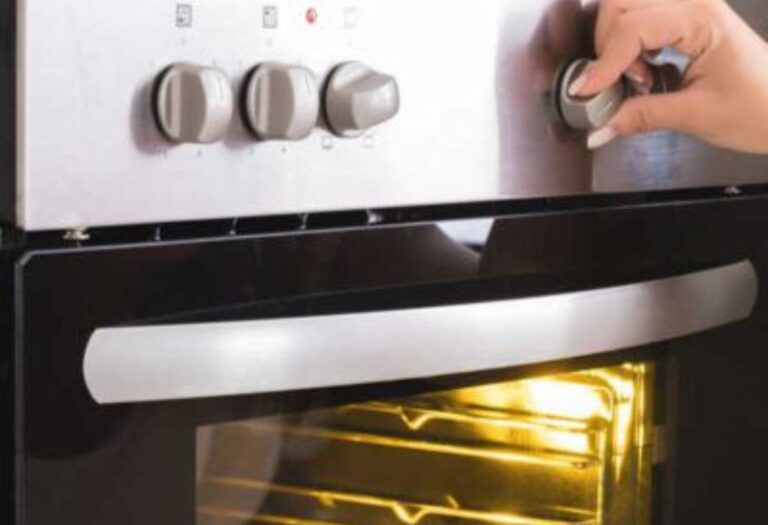
Place the pizza stone on a cold oven rack before turning the oven on. Heating the stone gradually prevents thermal shock which can cause cracking. Never place a cold stone into a hot oven because the sudden temperature change may break it.
Set the oven to the highest recommended temperature which is usually between 450 and 500 degrees Fahrenheit. Higher heat produces better crust formation and mimics brick oven conditions. Allow the stone to heat for at least thirty to sixty minutes depending on thickness.
Avoid placing the stone directly under a broiler element. Direct intense heat can create uneven expansion and weaken the material. Positioning the stone on the middle or lower rack ensures stable heating.
Do not apply oil to the stone before preheating because oil can smoke and create stains. The stone is designed to be used dry for best performance. Using oil also increases the chance of sticking instead of preventing it.
Keep the stone in place during heating and cooling. Moving it while hot increases the chance of cracking from sudden temperature changes. Stability protects both the stone and the oven rack.
Preheating correctly ensures the stone reaches consistent high heat. This temperature is essential for crisp crusts and even baking. Safe preparation prevents damage and improves long term durability.
Using a Pizza Stone in a Convection Oven
A convection oven uses a fan to circulate hot air which creates faster and more even baking conditions. When combined with a pizza stone the airflow helps remove moisture from the dough more efficiently. This results in a crisp crust that bakes more evenly than in a standard oven.
The stone should still be preheated inside a cold oven before turning it on. Convection cooking reduces overall baking time so pizzas may finish earlier than expected. Monitoring the crust closely prevents burning while maintaining texture.
Lowering the temperature by about twenty five degrees Fahrenheit is recommended. Convection heat transfers more quickly compared to traditional radiant heat. Reducing temperature helps achieve balanced browning without overcooking toppings.
Placement of the stone matters in a convection oven. The middle rack ensures air circulates evenly around the pizza. Placing the stone too high or low may create uneven heating and inconsistent crust development.
Avoid blocking airflow with oversized pans or foil near the stone. Proper circulation is essential for the convection system to work effectively. Keeping space around the stone improves performance and reduces heat concentration.
Using a pizza stone in a convection oven enhances crispiness and consistency. Understanding airflow and temperature adjustments ensures reliable results. With correct setup the stone performs even better under convection baking conditions.
How to Transfer and Bake Pizza on a Stone
Prepare the pizza on a well floured peel or parchment paper. Using flour cornmeal or semolina prevents sticking when sliding the pizza. Building the pizza directly on the hot stone is unsafe and increases the chance of burns.
Slide the pizza onto the stone with a quick confident motion. If using parchment paper place the entire sheet on the stone and remove it halfway through baking. This prevents sticking while allowing direct heat contact later.
Bake the pizza until the crust turns golden and the cheese bubbles evenly. Cooking time varies based on dough thickness and oven temperature. Avoid opening the oven repeatedly because heat loss slows baking and affects texture.
Rotate the pizza halfway through baking for even browning. Some ovens have hotter spots near the back or sides. Turning the pizza ensures a uniform crisp finish without burning one side.
Remove the pizza using the peel once fully baked. Allow it to rest for a few minutes before slicing to let toppings settle. Cutting immediately causes cheese to slide and crust to tear.
Correct transfer and baking techniques prevent sticking tearing and uneven cooking. Practicing smooth movements improves confidence and results. Consistent handling leads to better pizza every time.
Baking Bread and Other Foods on a Pizza Stone
A pizza stone is not limited to baking pizza and can be used for bread flatbreads and pastries. The stone mimics a bakery style hearth by delivering steady bottom heat. This creates better rise and crust formation for dough based foods.
Preheating the stone remains essential for bread baking. Placing dough on a cold stone prevents proper oven spring and results in dense texture. High initial heat supports rapid expansion and better crust structure.
Using parchment paper helps transfer dough safely. Sticky bread dough can be difficult to slide directly onto the stone. Parchment also prevents sticking without affecting browning when removed partway.
Steam can be added to the oven during bread baking. A small pan of hot water or misting creates humidity that improves crust shine and softness. Steam should never be poured directly onto the stone to avoid cracking.
Flatbreads such as naan pita and tortillas bake quickly on a hot stone. The intense bottom heat creates characteristic bubbles and light char. Timing is shorter compared to pizza because these breads are thinner.
A pizza stone expands baking possibilities beyond pizza alone. Understanding how dough behaves on the stone improves results for multiple recipes. This versatility makes the stone a valuable tool for home bakers.
How to Prevent Sticking and Dough Problems
Use enough flour or cornmeal on the peel before placing the dough. This creates a barrier that reduces friction and helps the pizza slide easily. Too little flour causes sticking and difficulty transferring to the stone.
Avoid letting the dough sit too long on the peel. Moisture from the dough absorbs into flour and removes slip. Building the pizza quickly prevents sticking problems and improves movement.
Do not overload toppings especially with wet ingredients. Excess moisture weighs down the dough and prevents proper crisping. Light balanced toppings cook better and reduce soggy results.
Check that the dough is not torn or thin in the center. Thin spots allow sauce to leak onto the peel and glue the pizza in place. Even thickness supports smooth transfer and baked texture.
Consider using parchment paper for beginners. Parchment reduces sticking and allows easier handling while learning technique. Remove it midway to allow direct contact with the stone.
Preventing sticking requires preparation rather than force. Understanding dough behavior leads to better handling and results. Simple adjustments make the process easier and more successful.
How to Care for and Clean a Pizza Stone
Allow the stone to cool completely before cleaning. Exposing a hot stone to cold water creates thermal shock and may cause cracking. Cooling naturally ensures safe handling and prevents damage.
Never use soap or detergent on the stone. The porous surface absorbs soap and releases flavor into future baking. Cleaning should focus on scraping rather than washing.
Remove stuck food using a plastic scraper or stiff brush. Gentle scraping lifts residue without scratching the surface. Avoid metal tools because they may chip or damage the stone.
Wipe the stone with a damp cloth after scraping. Excess water should be avoided because moisture can soak into the stone. Allow the stone to dry fully before storing to prevent mold or odor.
Do not season the stone with oil like a cast iron pan. Oil soaks into the surface and causes smoking during preheating. The stone naturally darkens with use and this is normal.
Proper care extends the lifespan of the pizza stone. Keeping it dry clean and stable ensures better performance. Routine maintenance prevents cracking and preserves baking quality.
Common Mistakes to Avoid When Using a Pizza Stone
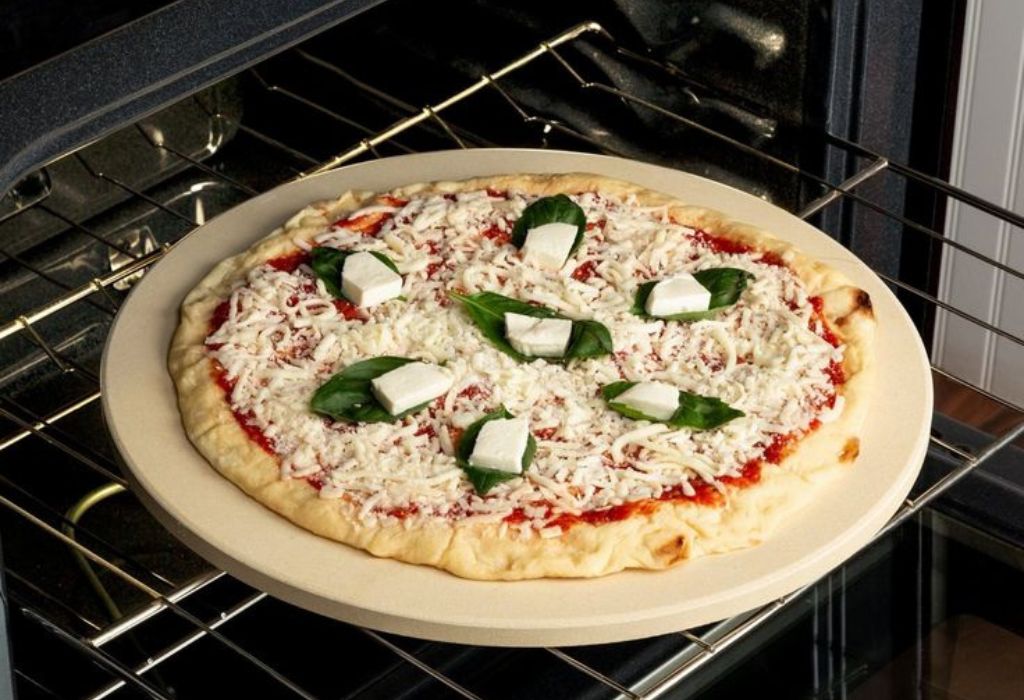
Placing a cold stone into a hot oven is one of the most frequent mistakes. The sudden temperature change creates thermal shock and may crack the stone immediately. Always heat the stone gradually from room temperature.
Using soap or detergent during cleaning is another common error. The porous surface absorbs soap which affects flavor during future baking. Cleaning should involve scraping and wiping only.
Applying oil to season the stone can cause smoke and unpleasant odors. Oil soaks into the material and burns during preheating. The stone naturally darkens over time without seasoning.
Cooling the stone under running water is unsafe. Sudden contact with cold liquid while hot can cause breakage and injury. Allowing the stone to cool slowly inside the oven is the safest approach.
Storing the stone where it can fall or strike hard surfaces increases risk of chipping. Heavy stones should remain on a stable shelf or inside the oven when not in use. Handling gently preserves durability and lifespan.
Avoiding these mistakes protects both the stone and the user. Understanding proper care ensures long term performance and consistent baking quality. Safe handling leads to better results every time.
Frequently Asked Pizza Stone Baking and Safety Questions
Can I put a cold pizza stone into a hot oven?
No sudden temperature change may crack the stone. Always heat gradually from a cold oven. Safety prevents breakage.
Should I preheat the pizza stone every time?
Yes preheating is required for crisp crust. A cold stone will not cook the base properly. Heating creates necessary surface temperature.
Can I use oil to prevent sticking on the stone?
No oil should never be applied. It soaks into the surface and smokes. Use flour or cornmeal instead.
Can I leave the stone in the oven permanently?
Yes many people store it inside to stabilize temperature. Just remove it for broiling. Continuous heating is safe.
Can I cut pizza directly on the stone?
No cutting damages both the stone and the blade. Transfer pizza before slicing. Use a board for safety.
Why did my pizza stone crack?
Thermal shock or sudden moisture likely caused it. Preheat gradually and avoid water on hot stone. Proper care prevents cracking.
Can I use parchment paper on a pizza stone?
Yes it helps prevent sticking. Remove midway for crisp results. Keep paper away from direct flame.
Is a pizza stone safe for frozen pizza?
Yes but preheat the stone fully. Place pizza carefully to avoid temperature shock. Baking time may vary.
Can I use a pizza stone on the grill?
Yes most stones work on gas or charcoal grills. Heat slowly and avoid direct flames. Check manufacturer guidelines.
Does a pizza stone need to be seasoned?
No seasoning is not required. Natural darkening happens over time. Using it improves performance naturally.
Conclusion
Using a pizza stone correctly transforms homemade pizza into a crisp evenly baked result. Preheating the stone gradually ensures proper surface temperature and prevents cracking from thermal shock.
Understanding the right transfer and handling technique prevents sticking tearing and uneven baking.
Avoiding common mistakes such as adding oil or placing a cold stone into a hot oven protects the stone from damage. Regular cleaning without soap maintains the surface and extends its lifespan. Proper care supports consistent performance for every baking session.
With the right preparation and patience a pizza stone becomes one of the most reliable tools in the kitchen.
Whether baking fresh dough frozen pizza or bread the stone delivers superior texture and flavor. Learning these steps ensures safer easier and more successful pizza making at home.

I’m Emma J. Caldwell, the founder, lead writer, and home-cooking enthusiast behind KitchenGuideCo.com. With a background in culinary arts and over a decade of cooking experience in both professional and personal kitchens, I created this platform to demystify recipes, offer smart kitchen gadget reviews, and guide readers through meal prep with confidence and clarity.