Imagine your favourite baseball cap looking dull, sweaty, and worn after weeks of use. You want to restore its shape and freshness but dread the idea of ruining it in the washing machine.
Surprisingly, the dishwasher, yes, the same one that cleans your plates, can do an incredible job of cleaning hats safely.
It might sound odd, but using a dishwasher to clean hats has become a popular hack among sports fans and collectors.
The steady water pressure, controlled heat, and gentle wash cycles can remove sweat, dirt, and oil without damaging the hat’s structure. When done correctly, it leaves your cap fresh, clean, and perfectly shaped.
However, not all hats are dishwasher-friendly, and a single mistake could warp the brim or fade the colours. Understanding the right process, temperature, and placement makes all the difference. It’s not just about throwing a hat on the top rack, it’s about precision and care.
In this detailed guide, you’ll learn the exact steps to safely wash your hat in a dishwasher, the types of hats suitable for this method, and the drying techniques to preserve shape.
We’ll also uncover common mistakes to avoid and alternative cleaning options if your hat needs a gentler touch.
Why People Use Dishwashers to Wash Hats
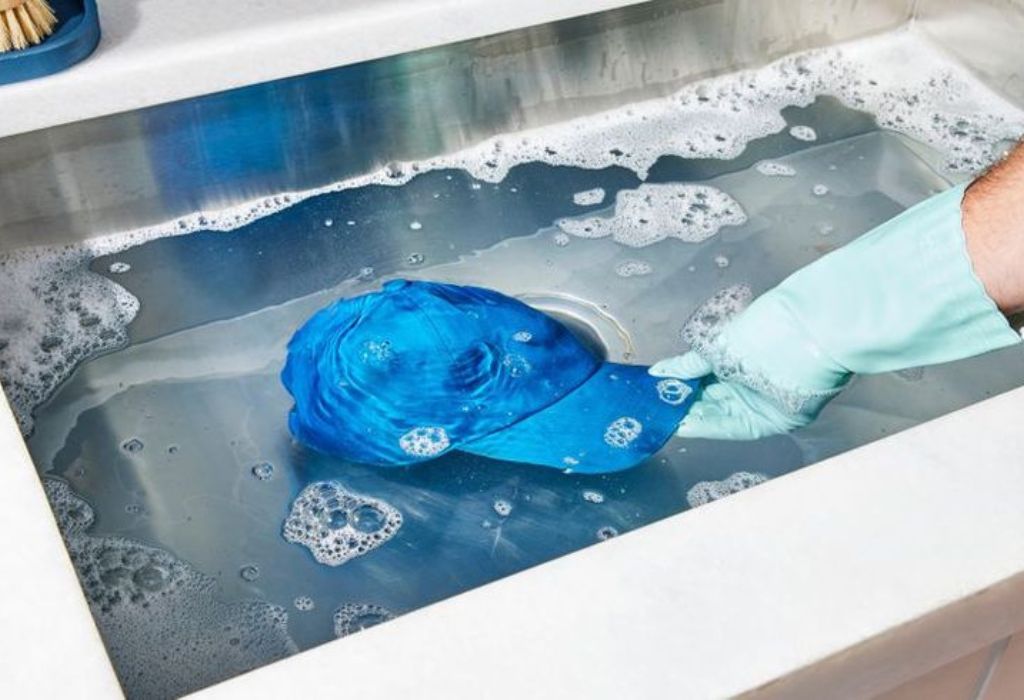
Washing a hat in the dishwasher might seem unconventional, but it offers several unique advantages.
Unlike a washing machine, a dishwasher uses gentler water flow and less agitation, making it ideal for maintaining shape and structure. This is particularly useful for hats with cardboard brims that can easily bend in rough cycles.
Another benefit is consistent temperature control. Dishwashers regulate water heat, ensuring even cleaning without hot spots that could damage fabric. This feature is especially valuable when dealing with sweat stains, which need warm water for removal but not extreme heat that causes shrinkage.
The top rack design of dishwashers also keeps hats in a stable position during cleaning. By securing the hat using a rack insert or hat cage, you can ensure it retains its original form while the water jets remove grime effectively. This hands-free process saves time and effort compared to manual scrubbing.
Using a dishwasher is also chemical-efficient. Instead of harsh detergents, you can use mild dishwashing capsules or natural cleaners like baking soda and vinegar. These break down sweat and oils gently without bleaching or fading fabric colours.
Moreover, dishwashers can handle multiple hats at once, making them ideal for families or collectors. You can clean two or three caps in a single cycle, saving water and energy compared to hand washing each individually.
For those who live in humid or hot climates, sweat stains and odours can build up quickly. A dishwasher deep cleans the inner bands and threads where sweat tends to accumulate, restoring freshness. It’s a clever, effective solution that gives hats a second life with minimal effort.
Materials and Hat Types Safe for Dishwasher Cleaning
Not every hat can withstand the dishwasher’s heat and water pressure. The first step is understanding which materials are safe to clean this way. Hats made from durable, synthetic, or colour-fast fabrics are usually the best candidates.
Polyester, cotton, and nylon caps tend to hold their shape well in dishwashers. These materials resist shrinking and can endure warm water cycles without fading. Sports caps, casual baseball hats, and structured cotton hats often fall into this category.
Avoid putting hats with cardboard brims or glued inserts in the dishwasher. These materials can warp, soften, or even dissolve when exposed to moisture and heat. Instead, look for hats with plastic brims, which are far more durable and water-resistant.
Wool or felt hats should never go into a dishwasher. These natural fibres can shrink or lose their texture completely. Similarly, leather or suede hats require special care and should only be cleaned by hand using dedicated products.
If your hat features embroidered logos or patches, check the manufacturer’s label first. High-quality embroidery generally survives dishwasher cycles, but delicate threads or iron-on designs might peel or fray.
To be safe, always perform a colour-fastness test before the first wash. Dampen a small, hidden area of the hat with warm water and dab it with a white cloth. If colour transfers, the hat isn’t dishwasher-safe and should be cleaned manually.
When in doubt, consult the label. Most modern caps specify whether they’re machine washable. Following these material guidelines ensures your hat comes out clean, fresh, and perfectly shaped every time.
Preparing Your Hat Before Washing
Preparation is key to a successful dishwasher wash. Before you even open the dishwasher door, a few simple steps can make a big difference in protecting your hat from damage.
First, check the hat’s care label for washing instructions. If it specifically warns against exposure to heat or water, choose another cleaning method. Ignoring the label could cause irreversible warping or fading.
Next, use a soft brush or lint roller to remove loose dust, dirt, or hair from the hat’s surface. This prevents debris from clogging your dishwasher’s filters and ensures a cleaner result.
Inspect the hat’s inner sweatband for visible stains or sweat buildup. You can pre-treat these areas with a gentle stain remover or a mix of baking soda and water. Lightly dab the mixture on the band and let it sit for five minutes before rinsing.
To protect your hat’s shape, place it in a hat cage or frame. These plastic holders are specifically designed to maintain the cap’s structure during cleaning. They keep the brim from bending and the crown from collapsing under water pressure.
Finally, remove all other dirty dishes from the dishwasher. You don’t want food residue or detergent particles to mix with your hat wash. Run an empty rinse cycle first if your dishwasher was recently used for dishes.
Proper preparation ensures the hat is clean, safe, and ready for a gentle but thorough wash. A few extra minutes spent here guarantee professional-quality results later.
Step-by-Step Guide to Washing a Hat in the Dishwasher
Now that your hat is prepped, it’s time to clean it safely in the dishwasher. Follow these steps carefully for the best outcome.
Start by placing your hat — inside its cage if possible — on the top rack of the dishwasher. The top position keeps it away from the heating element, preventing excessive heat exposure. If washing multiple hats, ensure they’re spaced apart for even cleaning.
Add a mild detergent or capsule, avoiding bleach or strong chemicals. A teaspoon of dishwashing detergent or a baking soda solution works well. Never use laundry soap, as it creates excess foam and residue.
Set the dishwasher to a gentle or normal wash cycle with warm water. Avoid high-heat or sanitizing settings, which can warp or shrink the hat. If your dishwasher has an “eco” mode, it’s usually the safest choice.
Do not activate the drying cycle, as it uses high heat that may distort the hat’s shape. Once the wash finishes, open the dishwasher door immediately to allow steam to escape. Prolonged heat inside the chamber can soften the hat’s structure.
After the cycle ends, carefully remove the hat and check for stains or residue. If needed, gently spot-clean remaining marks with a damp cloth and mild soap. Avoid scrubbing too hard, especially around stitched logos or seams.
Let the hat air-dry completely before wearing it again. Drying is just as important as washing, and the next section will explain how to do it properly.
Common Mistakes to Avoid When Using a Dishwasher
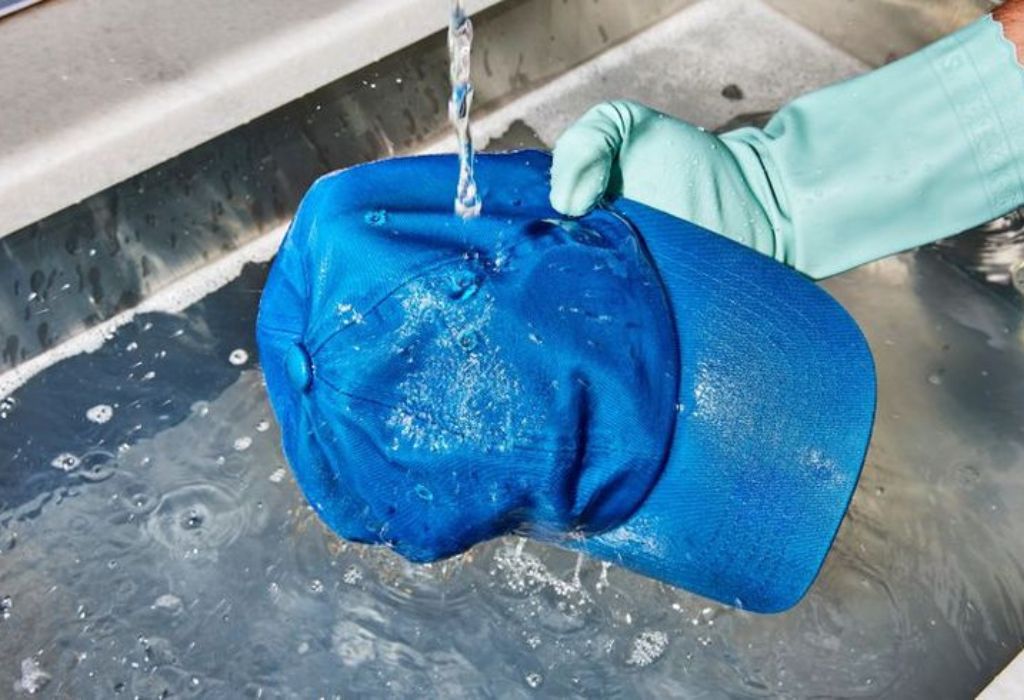
Even though washing a hat in the dishwasher is simple, several common mistakes can ruin your results. Avoiding these errors ensures your hat stays in great shape.
One of the biggest mistakes is using hot water or high-heat drying cycles. Excessive heat causes shrinkage, weakens adhesives, and warps plastic brims. Always use warm water and skip the drying phase entirely.
Another frequent error is placing the hat on the bottom rack. The bottom rack is closer to the heating element and gets stronger water jets, which can deform the hat. Always stick to the top rack for safety.
Avoid mixing dishes and hats in the same wash. Food residue, grease, or leftover detergent can stain the fabric or create odours. Wash hats separately using a clean dishwasher interior.
Many people forget to use a hat frame or cage, which helps maintain shape. Without it, the hat’s crown may collapse, and the brim could bend awkwardly. Investing in one ensures consistently perfect results.
Using bleach or strong detergent is another major mistake. These chemicals can fade colours and damage embroidery. Stick to mild, non-chlorine cleaners for best results.
Finally, avoid running multiple wash cycles in a row. If your hat isn’t fully clean after one cycle, spot-clean the remaining areas instead of re-washing. This reduces wear and tear from repeated water exposure.
By steering clear of these common missteps, you’ll preserve both the quality and shape of your favourite hat for years to come.
How to Prevent Damage When Washing Hats in the Dishwasher
Even though the dishwasher can safely clean many hats, it’s important to take extra precautions to prevent damage. Small missteps like incorrect detergent or high water temperature can permanently deform your hat. Following a few preventive steps ensures every wash ends with spotless and perfectly shaped results.
Always use the top rack when placing your hat inside the dishwasher. The bottom rack receives more direct water pressure and heat, which can warp the brim or loosen stitching. Keeping it on the top shelf reduces stress and maintains structure.
Avoid high-heat settings or “sanitize” cycles at all costs. These cycles reach temperatures that can soften glue and shrink materials. Choose a gentle or eco mode instead, which uses moderate heat and longer wash times for safe, thorough cleaning.
Never use harsh detergents or bleach, even if your hat is heavily stained. Chlorine and strong chemicals strip colours and weaken threads, especially on embroidered logos. Mild dishwashing capsules or a teaspoon of baking soda are safer alternatives.
When washing multiple hats, make sure they don’t overlap or press against each other. Contact between hats can cause creases and uneven cleaning. Leave enough space between them so water jets can reach every angle.
If your hat has decorative metal pieces or pins, remove them before washing. Metal can rust or tarnish during a cycle, leaving stains on fabric. Always inspect your hat carefully before loading it into the machine.
Finally, inspect the dishwasher interior for food particles or detergent residue before every hat wash. Running an empty rinse cycle first helps remove debris that could transfer onto fabric. Clean equipment leads to cleaner results and longer hat life.
How to Dry a Hat After Dishwasher Cleaning
Drying your hat correctly is crucial to maintaining its shape and fit. Improper drying can undo all the cleaning benefits of the dishwasher cycle.
After washing, gently shake off excess water without twisting or wringing the hat. Wringing can stretch the fabric and distort the brim. Instead, pat the hat with a clean towel to absorb surface moisture.
Place the hat back into the hat cage or onto a rounded object, such as an upside-down bowl or balled-up towel. This helps retain its natural shape while it dries. Keep it away from direct sunlight or heat sources, which can cause fading or shrinkage.
Air drying in a cool, ventilated area is the best option. A small fan can speed up drying while preventing odour buildup. Avoid dryers at all costs, as their heat is too intense for most hat materials.
If you need the hat to dry faster, gently stuff the inside with paper towels or soft cloths. Replace them periodically as they absorb moisture. This technique helps maintain the hat’s form while reducing drying time.
Check the brim periodically to ensure it hasn’t bent out of shape. If it starts to warp, lightly press it back into place while damp and allow it to continue drying naturally.
Once fully dry, your hat should look refreshed, clean, and perfectly structured — ready to wear again with pride.
How Often Should You Wash Your Hats in the Dishwasher
The frequency of washing your hats depends on how often you wear them and the conditions you expose them to. Overwashing can shorten a hat’s lifespan, while under-cleaning can lead to odour and bacterial buildup. Striking the right balance keeps your hats fresh and durable.
If you wear a hat daily, especially in hot weather, a dishwasher wash every two to three weeks is ideal. Sweat, oil, and dust accumulate quickly, and regular cleaning helps prevent deep stains from forming. For casual or occasional wearers, once every two months is usually sufficient.
You can extend the time between washes by spot cleaning the sweatband after every few uses. A damp cloth or baby wipe works well to remove surface grime before it hardens. This small maintenance step keeps the inside fresh without needing a full wash.
Avoid washing hats too frequently, as repeated exposure to warm water can weaken stitching or adhesives. Instead, alternate between dishwasher cleaning and gentle hand cleaning. This balanced approach keeps your hat clean and intact for longer.
If your hat is used for sports or outdoor work, consider rinsing it lightly after each use. Removing surface salt and sweat immediately prevents deeper stains. When it starts to look dull or feels sticky, that’s a clear sign it’s time for a dishwasher refresh.
For collectors or display hats that rarely get worn, an occasional dusting or deodorising treatment is enough. Use baking soda or activated charcoal to absorb odours instead of washing them frequently. Maintaining them this way helps preserve colour and shape for years.
In the end, how often you wash your hat in the dishwasher depends entirely on your habits. Regular but moderate cleaning, combined with proper drying, guarantees a hat that stays fresh, comfortable, and long-lasting.
Alternative Hat Cleaning Methods Compared
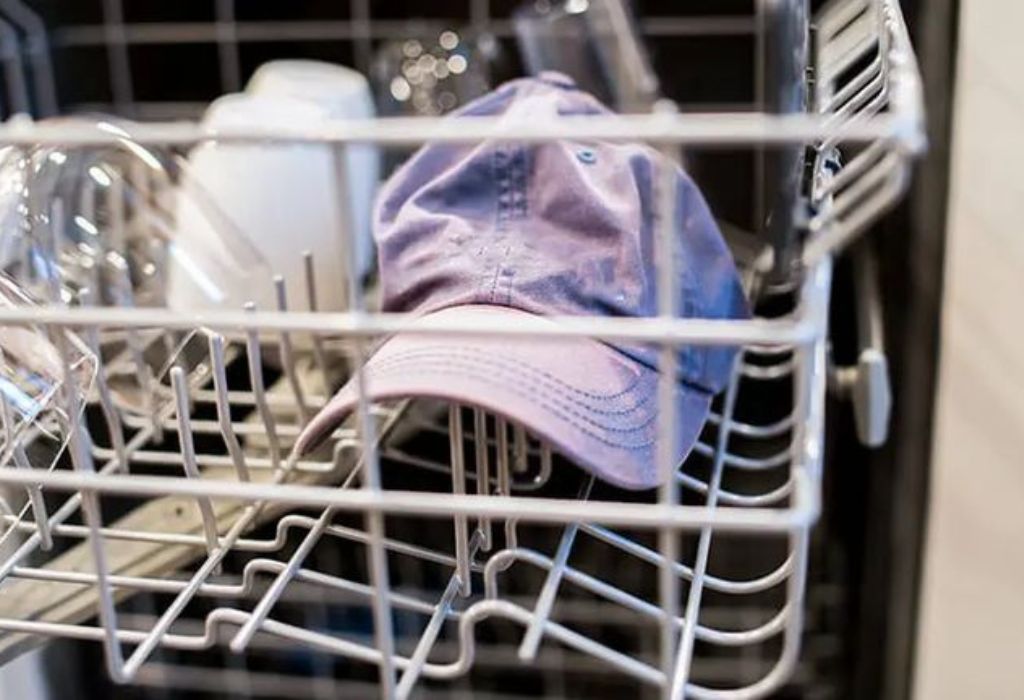
While dishwashers are convenient, they aren’t suitable for every hat. Depending on material and condition, alternative cleaning methods may work better.
Hand washing remains the safest option for delicate hats. Using a mild detergent and cold water, you can gently clean dirt and sweat with a soft brush or cloth. It’s time-consuming but eliminates the risk of heat damage.
For hats made of wool, felt, or leather, professional dry cleaning is recommended. These materials absorb moisture unevenly, leading to warping if cleaned at home. Dry cleaners use specialised solutions that preserve texture and shape.
Another method is spot cleaning, perfect for lightly soiled hats. Use a damp sponge or cloth with a small amount of detergent, focusing only on dirty areas. This prevents unnecessary water exposure and helps maintain structure.
If you’re dealing with persistent odours, sprinkle baking soda inside the hat and let it sit overnight. The powder absorbs moisture and smells naturally without chemicals. A light brush the next morning leaves the hat smelling fresh.
Some people also use hat-specific cleaning sprays, available at sporting goods stores. These sprays disinfect, deodorise, and clean hats quickly without submerging them in water. They’re ideal for collectors who want to protect vintage or signed caps.
While the dishwasher method is fast and effective, knowing these alternatives ensures you always have the right cleaning solution for every hat type.
Hat Cleaning FAQs for Every Material and Style
Can all hats be washed in a dishwasher?
No, only hats made of synthetic or cotton materials with plastic brims should be cleaned this way. Wool, leather, or cardboard-brim hats can warp or shrink.
What dishwasher setting should I use for hats?
Use a normal or gentle cycle with warm water and no heat drying. Avoid high-temperature or sanitising settings to prevent deformation.
Can I wash multiple hats at once?
Yes, you can wash two or three hats together if there’s enough space. Make sure they don’t overlap and are secured in separate frames or racks.
Do I need to use detergent when washing hats?
Yes, but use only mild dishwashing detergent or a teaspoon of baking soda. Avoid bleach, as it damages colours and embroidery.
Should I run the drying cycle afterward?
Never. The high heat from drying can cause shrinking and bending. Always air-dry your hat naturally after washing.
Will a dishwasher remove sweat stains from hats?
Yes, warm water and gentle detergent can remove sweat and oil buildup effectively. Pre-treating stains improves results.
Can I use a hat cage in any dishwasher?
Yes, hat cages fit most top racks and protect your cap’s shape during washing. They’re affordable and reusable for long-term care.
What should I do if my hat shrinks slightly?
While still damp, wear it for a few minutes to stretch it back gently. Avoid pulling too hard or exposing it to heat.
Can I wash vintage or signed hats this way?
No, it’s risky. Hand cleaning or spot treatment is safer to protect valuable or collectible caps.
Is it okay to add vinegar or baking soda to the cycle?
Yes, both are natural deodorisers that help remove odours and bacteria. Use small amounts to avoid residue buildup.
Can a dishwasher clean the inside sweatband properly?
Yes, the water jets and warm temperature clean sweatbands thoroughly. For heavy stains, pre-treat before loading.
What happens if my hat smells after washing?
Dry it completely and sprinkle baking soda inside overnight. Odours often come from moisture trapped in the band.
Can I wash beanies or winter hats in the dishwasher?
No, knitted or wool hats lose shape and texture in hot water. Hand wash them with mild soap instead.
Will washing my hat fade the logo?
If washed on gentle settings with mild detergent, most embroidered logos stay intact. Avoid harsh chemicals.
Can I wash a white hat with coloured hats together?
It’s better to separate them. Light colours can pick up dye from darker ones when exposed to warm water.
Conclusion
Washing a hat in the dishwasher might sound unconventional, but when done right, it’s one of the most effective ways to refresh your favourite caps. This method removes sweat, grime, and odour while maintaining shape — as long as you use the right materials and techniques.
The key lies in preparation, temperature control, and proper drying. Avoid hot water, skip the heat cycle, and always let your hat air-dry naturally. Using a hat cage adds an extra layer of protection, keeping the brim firm and the crown perfectly round.
While the dishwasher trick works wonders for cotton or polyester hats, it’s not suitable for every material. Knowing your hat’s construction helps you choose the safest cleaning method — whether that’s dishwashing, hand washing, or professional care.
Ultimately, this creative cleaning hack proves that innovation can make household chores easier. With the right care, your favourite hat can look as good as new and last for many more adventures ahead.

I’m Emma J. Caldwell, the founder, lead writer, and home-cooking enthusiast behind KitchenGuideCo.com. With a background in culinary arts and over a decade of cooking experience in both professional and personal kitchens, I created this platform to demystify recipes, offer smart kitchen gadget reviews, and guide readers through meal prep with confidence and clarity.