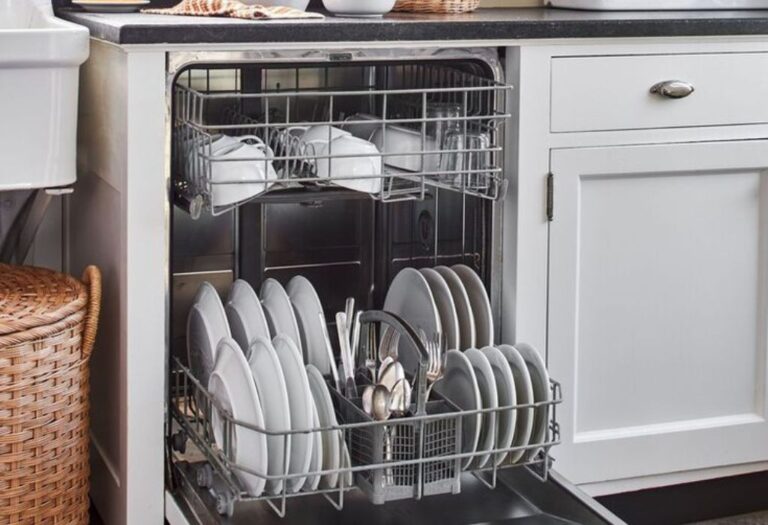
Wiring a dishwasher can seem intimidating for homeowners who have never worked with electrical connections before. Most dishwashers rely on a dedicated power line or junction box, and the idea of handling wires creates hesitation.
When people unbox a new appliance, they often expect a simple plug and play setup. But many dishwashers require direct wiring, especially in older kitchens that do not include a dedicated outlet.
This creates confusion because the appliance looks simple on the outside yet relies on careful electrical connection inside the cabinet. A single mistake can lead to blown fuses, tripped breakers or even electrical hazards.
The process becomes easier once you understand how dishwasher wiring works. Dishwashers typically use three wires that connect to a small metal junction box.
Knowing what each wire does and how to secure them safely makes installation much more manageable. Wiring a dishwasher becomes a straightforward task when done step by step.
This guide explains how to wire a dishwasher correctly, safely and confidently.
Understanding Dishwasher Electrical Requirements
Dishwashers typically operate on a standard 120 volt household circuit. They require a dedicated line to avoid overload from other appliances.
Most models use a 15 or 20 amp circuit to handle heating and pump functions. This prevents tripping during heavy cycles.
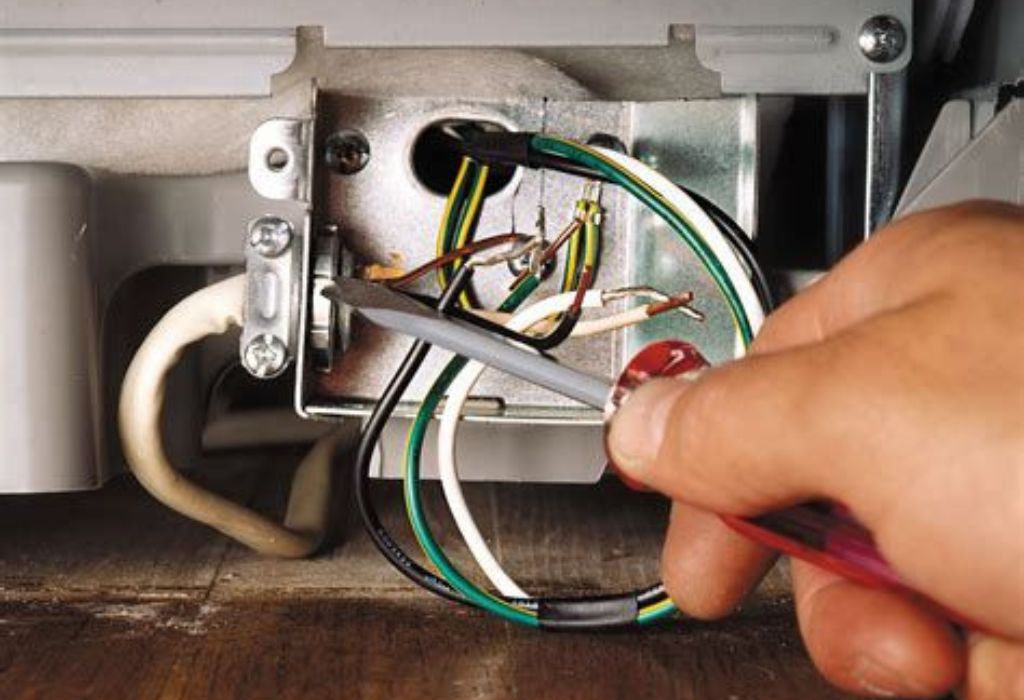
Dishwashers use three wires for electrical connection. These include a hot wire, a neutral wire and a ground wire.
The wiring connection usually occurs inside a built in junction box located near the bottom of the dishwasher. Accessing this box allows you to connect household wiring safely.
Knowing the correct wire type prevents electrical hazards.
Do dishwashers need a dedicated circuit
Yes, most dishwashers require their own circuit.
How many wires do they use
Dishwashers typically use three wires.
Is 120 volts standard
Yes, most home dishwashers use 120 volts.
Do all models need hardwiring
Some use plugs while others require direct wiring.
Is amperage important
Correct amperage protects the appliance.
Tools You Need For Wiring A Dishwasher
Before starting the wiring process, gather all necessary tools. These tools ensure a safe and clean installation.
You will need wire strippers to expose wire ends. A screwdriver is essential for opening the junction box and tightening wire nuts.
Electrical tape helps secure connections. Wire nuts keep wires joined safely.
A voltage tester confirms the power is off before touching any wires. Safety requires verifying this first.
Having all tools ready prevents interruptions during the process.
Preparing The Power Supply For Wiring
Start by turning off the circuit breaker that powers the dishwasher line. This prevents accidental shocks during installation.
Use a voltage tester to confirm there is no power in the wires. Testing ensures the breaker is fully off.
Pull the dishwasher out from the cabinet slightly. This provides space to access the wiring box.
Inspect the power cable or supply line to ensure it is in good condition. Damaged wires must be replaced before installation.
Preparing the power supply creates a safe working environment.
Should power be turned off
Yes, always shut off the breaker first.
Do you test wires before touching them
A voltage tester confirms safety.
Is pulling the dishwasher necessary
You need room to reach the junction box.
What if the cable is damaged
Replace damaged wiring immediately.
Does safety matter during prep
Proper preparation prevents accidents.
Accessing The Dishwasher Junction Box
The junction box is usually located near the front bottom right of the dishwasher. Removing a small cover panel reveals the box.
Once open, you will see wires inside the box. These include factory installed dishwasher wires and space for your home wiring.
Loosen the clamp that holds the household wiring in place. This allows the supply cable to enter the box.
Carefully feed the household cable into the junction box. Secure the clamp once the cable is inside.
Having the cable positioned correctly ensures clean wiring.
Connecting The Dishwasher Wires
Dishwashers use three main wires that must connect to your home wiring. These connections must match color to color.
Connect the black house wire to the dishwasher’s black wire. This carries the hot electrical current.
Connect the white house wire to the dishwasher’s white wire. This completes the neutral path.
Connect the green or bare copper wire to the dishwasher ground. Grounding protects against electrical faults.
Use wire nuts to twist and secure each pair tightly.
Is color matching required
Yes, wires must connect to matching colors.
What does the black wire do
The black wire carries power.
Is the ground wire important
The ground protects against shocks.
Do wire nuts matter
They secure and insulate connections.
Should wires be pulled to test tightness
Gently tug to ensure proper connection.
Securing And Closing The Junction Box
Once all wires are connected, fold them neatly back into the junction box. Excess wire should not interfere with the cover.
Tighten the clamp that holds the supply cable in place. This prevents movement that could loosen connections.
Replace the metal cover onto the junction box. A secure cover protects the wiring from moisture.
Return the toe kick or access panel if the dishwasher includes one. This restores the appliance’s appearance.
Cleaning up ensures the wiring remains safe for long term use.
Testing The Dishwasher After Wiring
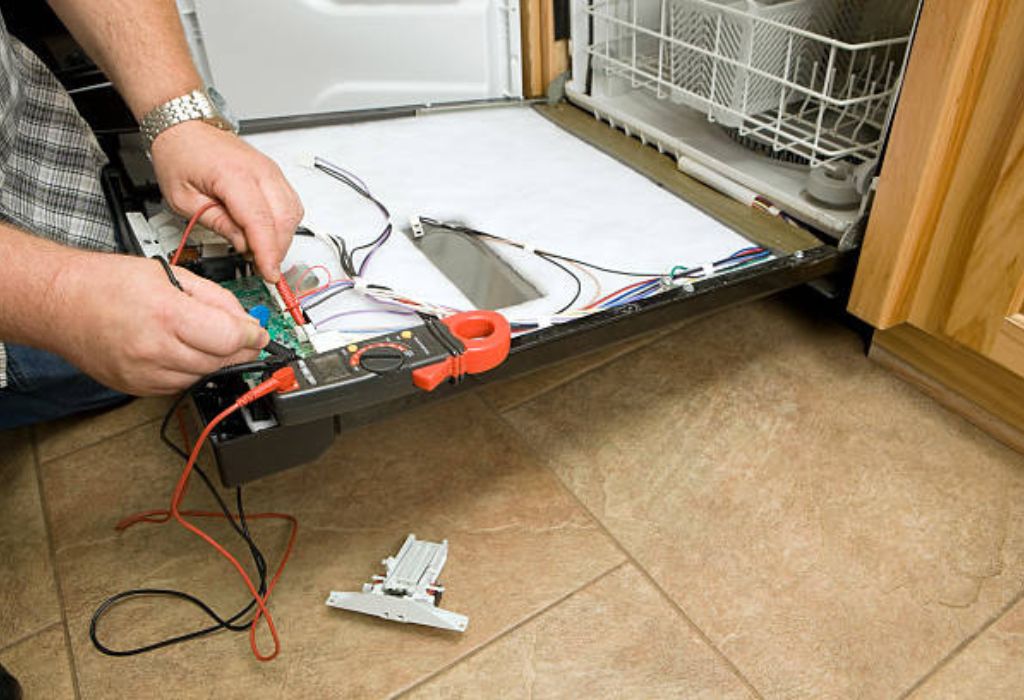
After completing wiring, restore power by turning on the circuit breaker. This provides electricity to the dishwasher.
Run a short cycle to confirm everything works properly. The dishwasher should start without tripping the breaker.
Listen for normal operation during the test cycle. Any unusual sounds may signal installation issues.
Check for leaks or loose wiring near the junction box area. Safety requires ensuring wires remain secure.
Proper testing confirms installation success.
Should you run a test cycle
Yes, testing ensures proper function.
What if the breaker trips
Recheck wiring connections.
Is noise important
Strange sounds may signal issues.
Should you inspect the box again
A quick check ensures safety.
Do leaks matter
Leaks must be fixed immediately.
Safety Tips For Wiring A Dishwasher
Always turn off power before handling wires. Never work on a live electrical line.
Use a voltage tester as an added precaution. Verification prevents harmful accidents.
Avoid loose wire connections. Loose connections create sparks and heat.
Do not substitute incorrect wire sizes. Correct gauges ensure proper current flow.
If unsure about any step, contact a professional.
When You Should Not Wire A Dishwasher Yourself
If your home wiring looks outdated or damaged, avoid DIY installation. Older wiring may not meet safety standards.
If your kitchen does not have a dedicated circuit, wiring becomes more complex. Professionals must handle new circuit installation.
If the dishwasher instructions seem overwhelming, it is safer to call a technician. Mistakes can cause costly damage.
If wires appear burned or melted, a licensed electrician must inspect the system. Heat damage indicates deeper issues.
DIY installation is only suitable when conditions are safe.
Should you hire a pro sometimes
Yes, complex wiring requires expertise.
Is new circuit installation DIY friendly
No, it requires professional work.
Are damaged wires dangerous
Burned wiring is a major hazard.
Does confusion matter
If unsure, choose professional help.
Is electrician help expensive
It prevents costly future repairs.
Conclusion
Wiring a dishwasher becomes simple once you understand the basic electrical connections and safety steps. Dishwashers use a three wire system that must be connected correctly inside the junction box.
Turning off the breaker, matching wire colors and securing everything with wire nuts ensures a safe installation. Proper preparation and testing confirm that the dishwasher operates smoothly.
Avoiding harsh chemicals, loose connections and incorrect wire types protects both the appliance and the home. When wiring conditions seem unsafe or confusing, hiring a professional avoids risk.
With the right approach, wiring a dishwasher becomes a secure and manageable project that restores your kitchen to full functionality.

I’m Emma J. Caldwell, the founder, lead writer, and home-cooking enthusiast behind KitchenGuideCo.com. With a background in culinary arts and over a decade of cooking experience in both professional and personal kitchens, I created this platform to demystify recipes, offer smart kitchen gadget reviews, and guide readers through meal prep with confidence and clarity.