Weeds spread quickly and compete with grass, flowers, and vegetables for space, water, and nutrients. Left unchecked, they weaken turf and disrupt the balance of garden beds.
Pulling weeds by hand is one option, but roots often snap, leaving fragments behind that sprout again within days. This is especially true for dandelions and thistles, whose taproots can extend 6–18 inches into the soil. [Source]
Herbicides provide another shortcut, but chemical treatments risk harming soil organisms, nearby plants, and even groundwater.
A manual tool like the fishtail weeder offers a precise and sustainable alternative. It removes the entire root while protecting the soil structure.
What Is a Fishtail Weeder—and Why Use It?
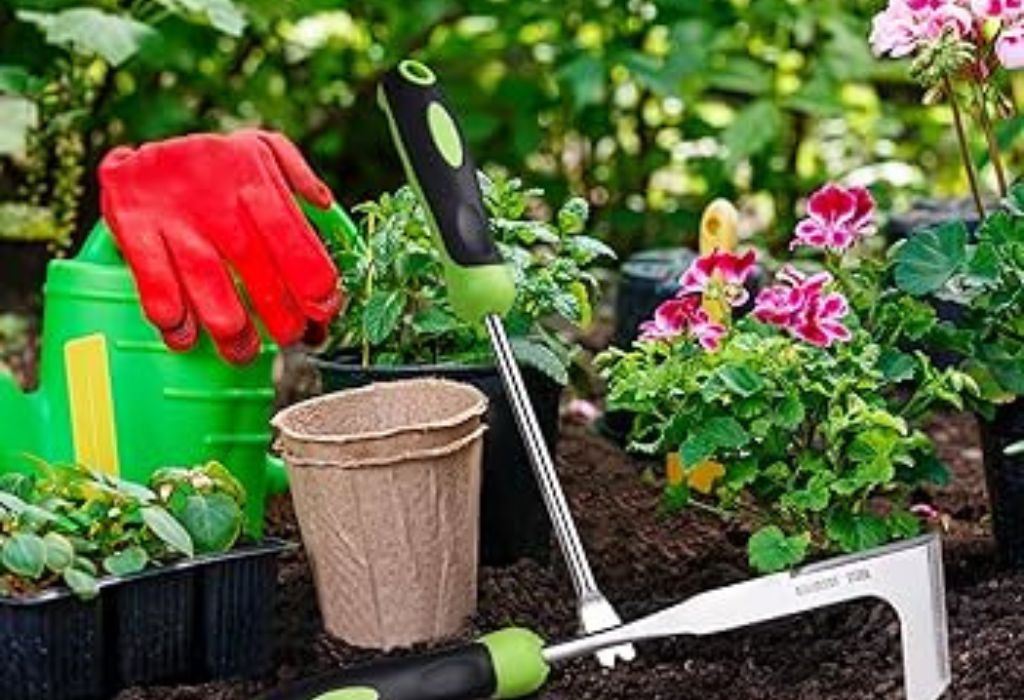
A fishtail weeder, also known as a dandelion weeder, is a compact garden tool with a narrow shaft and a V-shaped, forked tip. Its design allows gardeners to target weed crowns directly and pry roots upward with minimal disturbance.
Unlike hoes or cultivators that churn large areas, the fishtail weeder makes a precise incision into the soil. Its forked tip slides alongside the root, and the curved shaft provides leverage.
This controlled motion isolates the weed while keeping surrounding soil, grass, or ornamentals undisturbed.
This tool is especially valuable for spot weeding in lawns, garden beds, and tight planting areas. By pulling out roots mechanically, it reduces the need for chemicals and protects the soil’s microbial ecosystem.
How to Use a Fishtail Weeder (Core Technique)
Preparation: Moisture and Timing
The best time to use a fishtail weeder is when the soil is moist. After rainfall or light irrigation, soil softens, allowing the forked tip to penetrate smoothly. Working in dry conditions often causes roots to snap, leading to regrowth.
Visibility is also critical. Identify the weed crown clearly, and if seedheads have formed, cut them off before pulling. This prevents spreading viable seeds during extraction.
Insertion and Depth Control
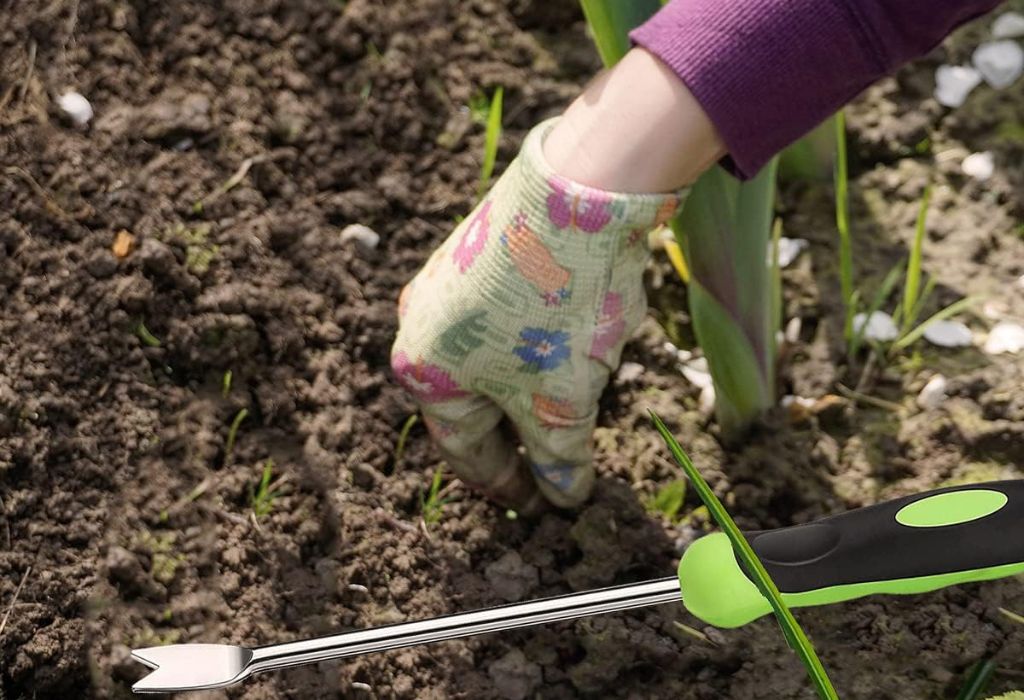
Place the fishtail tip next to the weed crown, angled slightly toward the root. Insert it gently into the soil, keeping the entry shallow at first to avoid disturbing turf roots. As the tip moves downward, trace the root column carefully.
This method is especially useful for perennial weeds with deep taproots. By following the root’s direction, the weeder captures more of the underground structure in one motion.
Leverage and Removal
Once the weeder is in place, use the curved shaft as a fulcrum. Apply steady downward pressure on the handle, which lifts the root vertically. Small, incremental lifts loosen the soil and free the weed without tearing large chunks of earth.
After the weed is pulled, shake excess soil back into the hole. This keeps nutrients in place and reduces waste.
Restoration
Press surrounding soil lightly into the opening to restore structure. If the hole is larger than expected, add a small pinch of compost. This prevents air pockets, supports microbial recovery, and discourages weed re-infestation.
Weed Biology and Why Technique Matters
Taprooted Perennials
Dandelions, thistles, and dock are notorious for their deep taproots. Even a small piece left behind can regenerate a new plant. A fishtail weeder, when used carefully, captures the root from crown to depth, reducing the chance of regrowth.
Rosette Broadleafs
Weeds like plantain form flat, spreading rosettes that hug the soil surface. A shallow entry beside the crown followed by a slight tilt of the tool severs lateral roots and lifts the weed with minimal turf damage.
Annual Weeds
Crabgrass and other annuals have shallow fibrous roots. These are easy to remove, but the key is timing. Pulling them before flowering prevents “seed rain,” which is the main source of next year’s infestations.
By tailoring technique to weed type, gardeners improve efficiency while protecting soil integrity.
Soil-Safe Micro-Techniques
Surface Skimming for Seedlings
When weeds are tiny, deep digging is unnecessary. Skimming the fishtail blade just under the surface severs stems without disturbing soil aggregates. Regular shallow passes during germination season prevent seedlings from establishing.
Wiggle and Lift for Established Plants
For larger weeds, insert the weeder beside the crown and wiggle gently to create a narrow channel. Then lift vertically in small increments. This keeps soil clumps intact and avoids creating wide gaps.
Adjustments for Compacted Soil
In compacted or clay-heavy areas, leverage can create divots. Placing a flat stone or board under the tool’s shaft distributes pressure and protects the soil. Pre-watering also softens hard ground, making the process smoother.
These small adjustments make weeding more effective while keeping soil healthy and undisturbed.
Seasonal Timing and Strategy
Moisture is the gardener’s ally. Rainfall or irrigation softens soil, making roots easier to extract. Attempting weed pulls in hot, dry soil almost guarantees root breakage.
Spring is the prime season for broad weeding sessions because plants are small and the soil is naturally moist. Late summer spot-checks catch weeds before seed production.
A short weeding session after mowing is another effective strategy, as crowns are easier to see in freshly cut turf.
Mulching garden beds with 1–3 inches of organic material reduces germination, shades the soil, and complements manual weeding. Dense planting also creates competition, making it harder for weeds to take hold.
Troubleshooting Common Weed Types
Dandelions
The fishtail weeder is especially effective against dandelions. By inserting the tip beside the crown and tracing the root downward, the entire taproot can be lifted in one motion. Consistency is important, as even a one-inch fragment can resprout.
Plantain and Thistle
Plantain forms wide leaves that spread across turf. Using a shallow entry, the fishtail weeder slides beneath the crown, lifting the root cleanly. Thistles require the same method, though care must be taken with gloves to avoid spines.
Crabgrass
Annual grasses like crabgrass are easiest to pull before seed production. Because they are shallow-rooted, the fishtail weeder lifts them quickly with minimal soil disturbance. Removing them before seed rain prevents thousands of new seedlings the following year.
Ergonomics and Safety in Weeding
Repetitive tasks like weeding can strain joints if not done properly. The wrist should remain neutral during use, relying on the tool’s curved shaft for leverage rather than excessive force.
Soft or ergonomic grips reduce hand fatigue. Gloves provide additional comfort and prevent blisters. When working for long periods, alternating between kneeling and squatting helps protect the back.
Awareness of irrigation lines or nearby plant roots is essential. Insert the weeder slowly and adjust the angle when working close to delicate systems. This ensures clean removal without causing unintended damage.
Post-Pull Recovery and Soil Health
Backfilling holes immediately is critical to maintaining soil integrity. Open voids dry out quickly and invite new weed seeds to settle. By pressing soil back into place, the structure remains intact and the lawn or bed looks even.
Adding compost to larger holes improves fertility and introduces beneficial microbes. In garden beds, replacing mulch after pulling shades the soil and prevents new germination.
Long-term studies confirm that consistent prevention of seed rain reduces soil seed banks significantly. Over a few seasons, weed populations drop dramatically when germination is blocked and roots are consistently removed. [Source]
Tool Care and Maintenance
A fishtail weeder is durable, but proper care extends its lifespan. After each session, soil should be brushed or rinsed off, and the tool should be dried thoroughly. A light coat of oil prevents rust.
The forked tip can dull over time, especially in rocky soils. A few strokes with a metal file restore sharpness and make future entries smoother. Handles should also be checked for wear or looseness.
For storage, hanging the tool keeps edges sharp and prevents damage. Keeping it in a dry area avoids corrosion and ensures it is ready for the next session.
Integrating Weeding with Long-Term Management

Manual weeding alone is effective but works best when paired with broader strategies. Preventing seed rain shrinks the seed bank year after year, making each season easier. Studies show reductions of up to 95% in seed banks when weeds are consistently removed before flowering. [Source]
Dense turf and mulched beds further suppress weeds. Overseeding thin patches strengthens lawns, while balanced fertilization ensures plants outcompete intruders.
In vegetable or flower beds, close spacing and drip irrigation reduce open soil and make weeds less likely to thrive.
Mapping problem areas and checking them weekly prevents small issues from becoming infestations. Just 10–15 minutes after rainfall is often enough to keep problem zones under control.
Conclusion
Weeds may seem relentless, but the right tool and technique transform them from a nuisance into a manageable task. Learning how to use a fishtail weeder ensures weeds are removed completely and soil remains protected.
By working in moist conditions, inserting the tool beside the crown, and lifting roots steadily, gardeners achieve clean removals with minimal disturbance.
Backfilling and composting restore structure, while mulch and dense planting reduce new growth.
Consistency is key. Short, regular weeding sessions combined with soil-friendly practices shrink the weed seed bank and strengthen turf and beds.
With patience and proper technique, a fishtail weeder becomes a powerful ally in achieving a healthier, weed-free landscape.

I’m Emma J. Caldwell, the founder, lead writer, and home-cooking enthusiast behind KitchenGuideCo.com. With a background in culinary arts and over a decade of cooking experience in both professional and personal kitchens, I created this platform to demystify recipes, offer smart kitchen gadget reviews, and guide readers through meal prep with confidence and clarity.