Many home cooks buy stainless steel cookware expecting restaurant-quality results, only to face sticking food and stubborn cleanup. The frustration often leaves pans unused in the cupboard.
The truth is that stainless steel is one of the most versatile and durable cookware materials. When used correctly, it delivers superior browning, heat retention, and long-lasting performance.
Curiosity grows when recipes mention stainless steel pans for searing and deglazing. What makes them so different from non-stick or cast iron, and why do chefs swear by them?
The benefit is clear. Learning how to use stainless steel cookware properly transforms everyday meals into dishes with rich flavor and professional presentation.
A survey by Consumer Reports found that stainless steel pans can last decades with proper care, compared to only a few years for many non-stick alternatives (source). This makes them a valuable long-term investment for any kitchen.
Another report from Cook’s Illustrated highlights that stainless steel with multi-ply construction distributes heat more evenly than low-cost single-ply pans (source). Even heating prevents hot spots and reduces sticking, two of the most common complaints.
Stainless steel cookware is not difficult to master once the science of preheating, oil selection, and temperature control is understood. Small adjustments in technique unlock the full potential of these pans.
What Makes Stainless Steel Cookware Unique
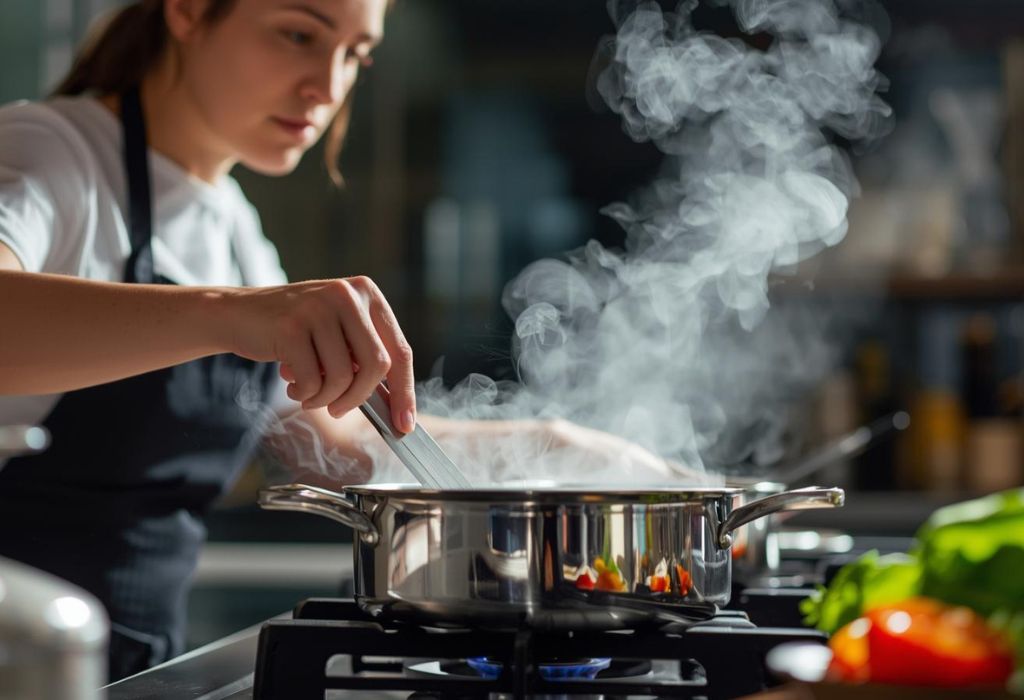
Stainless steel cookware has become a staple in both professional and home kitchens. Its reputation for durability and versatility sets it apart from other cookware materials.
At its core, stainless steel is an alloy of iron mixed with chromium, and often nickel. Chromium creates a natural resistance to rust, while nickel improves shine and corrosion resistance.
Cookware marked with grades such as 18/10 or 304 is especially valued. These numbers indicate chromium and nickel content, giving a clear sign of quality and performance.
Unlike non-stick pans that rely on coatings, stainless steel offers a naturally non-reactive surface. This means it does not interact with acidic foods like tomatoes or wine, keeping flavors clean and unaltered.
The structure of stainless steel cookware also plays a major role in its uniqueness. Many premium options use multi-ply or tri-ply construction, where layers of stainless steel are bonded with aluminum or copper cores.
This bonded design ensures heat is distributed evenly across the cooking surface. As a result, food cooks consistently, and hot spots that cause sticking or burning are reduced.
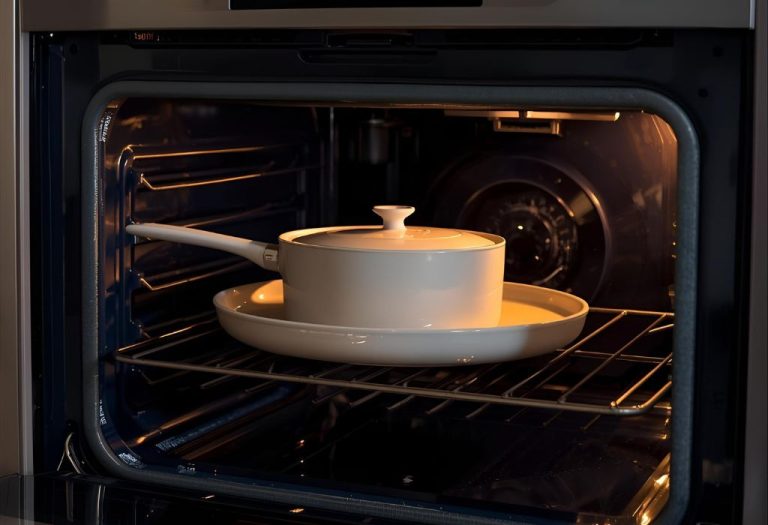
Another advantage is oven safety. Most stainless steel cookware can withstand high oven temperatures, though safe limits depend on handle and lid materials.
Durability is perhaps its greatest strength. With proper care, stainless steel cookware can last decades, outliving cheaper alternatives like non-stick or aluminum pans.
Its resilience comes with a learning curve. Improper heating, poor oil choice, or overcrowding can cause sticking, but with correct technique, it becomes one of the most reliable tools in the kitchen.
What is stainless steel cookware made of?
It is crafted from an alloy of steel and chromium, often enhanced with nickel for shine and corrosion resistance.
What does non-reactive surface mean?
It means the pan does not chemically interact with foods, especially acidic ingredients, preserving flavor and safety.
Why is multi-ply or bonded construction important?
It provides even heat distribution, prevents hot spots, and increases durability compared to single-ply pans.
Is stainless steel cookware oven safe?
Yes, most are oven safe, but maximum temperatures depend on handles and lids, with metal being the most heat resistant.
What drawbacks should be considered?
Food may stick without proper preheating, and overheating can cause warping or rainbow discoloration.
Common Mistakes When Using Stainless Steel Cookware
Stainless steel cookware is trusted by chefs worldwide, but many home cooks struggle with it. The most common issues come from small mistakes that can easily be avoided.
One major mistake is failing to preheat the pan properly. Cold stainless steel causes food to bond tightly to the surface, making release almost impossible.
The water drop test is a reliable method to prevent this. When a drop of water beads and glides across the pan, it is ready for oil and food.
Cooking with heat that is too high is another frequent error. Excessive temperatures can burn oil, create stubborn residue, and even cause warping in thinner pans.
Using the wrong type of oil contributes to the problem. Low smoke point oils break down quickly, leaving unpleasant flavors and sticky residue.
Placing cold food directly from the refrigerator into the pan is another overlooked mistake. Sudden temperature drops reduce surface heat, which leads to sticking and uneven cooking.
Overcrowding the pan is equally harmful. When food is packed too tightly, moisture builds up, creating steam that prevents proper browning.
Even cleaning mistakes can reduce performance. Abrasive pads scratch the surface, and plunging a hot pan into cold water risks thermal shock and permanent warping.
Learning to avoid these mistakes is essential. With the right approach, stainless steel becomes one of the most reliable and long-lasting cookware choices.
Why does food stick to stainless steel so often?
Food sticks when the pan is not preheated, oil is cold, or ingredients are added too early.
Is using high heat always best for cooking?
No, medium or medium-high heat is ideal for most tasks and prevents burning or warping.
Does adding cold food affect results?
Yes, it lowers the pan’s temperature, which causes sticking and uneven browning.
Why is overcrowding the pan a mistake?
Too much food traps steam, stopping the searing process and leaving food pale and soggy.
What happens if stainless steel is cooled too quickly?
Thermal shock can warp the base, damage handles, and reduce the lifespan of the pan.
Step-by-Step Guide: How to Use Stainless Steel Cookware for Perfect Results
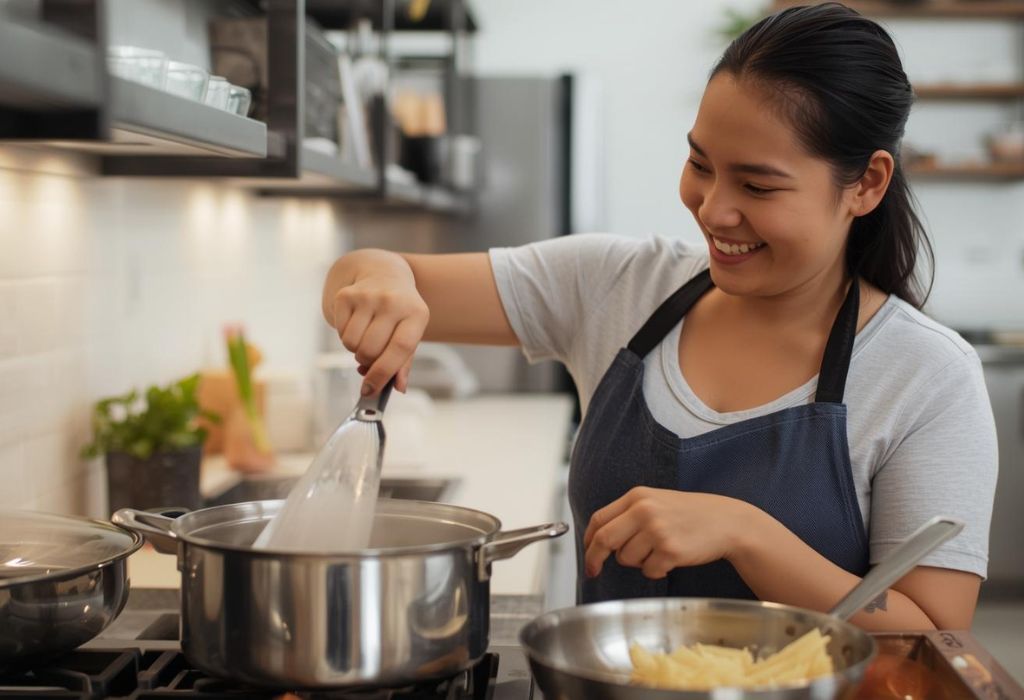
Learning how to use stainless steel cookware the right way transforms the cooking experience. With proper technique, food releases easily, flavors deepen, and pans stay in top condition for years.
The first step is preheating the pan. Heat it gently on medium for a few minutes until the surface is evenly warmed.
The water drop test helps confirm readiness. When droplets bead and roll across the surface, the pan is at the correct temperature.
Next comes adding the right cooking oil or fat. High smoke point oils such as grapeseed, avocado, or canola are ideal for searing, while butter adds flavor at moderate heat.
Wait until the oil shimmers before adding food. This shimmering signals the oil is hot enough to form a natural barrier between the food and steel.
Always dry proteins such as chicken, steak, or fish before placing them in the pan. Excess water creates steam and increases sticking.
Patience is essential once food is in the pan. Proteins will naturally release when they are seared properly, so moving them too soon can cause tearing.
Vegetables require slightly different handling. Moderate heat, less crowding, and occasional stirring allow them to caramelize without burning.
Deglazing is another vital step in stainless steel cooking. Adding a splash of wine, stock, or water after cooking lifts fond, prevents sticking, and creates flavorful sauces.
Finishing in the oven is also possible with most stainless steel pans. Always check handle and lid materials before transferring to high heat.
How do you preheat stainless steel cookware properly?
Heat on medium until the water test shows droplets dancing across the surface.
Which oils are best for stainless steel cooking?
High smoke point oils like grapeseed, avocado, or canola work well, while butter is best at lower heat.
When should food be flipped or moved?
When it naturally releases from the pan and edges are golden brown.
What is deglazing and why is it useful?
It lifts browned bits, creates rich sauces, and makes cleaning easier.
How should vegetables and proteins be cooked differently?
Proteins need higher, dry heat for searing, while vegetables benefit from moderate heat and space in the pan.
Heat, Temperature Control and Choosing the Right Cookware
Stainless steel cookware performs best when heat is managed carefully. Proper temperature control prevents sticking, protects the pan, and ensures consistent results.
Medium heat is the sweet spot for most tasks. It provides enough energy for searing and sautéing without burning oil or damaging the surface.
High heat is rarely necessary. Overheating can cause warping, stubborn discoloration, and food that burns on the outside while remaining raw inside.
Low heat is useful for simmering sauces or delicate dishes. Stainless steel retains heat well, so once the pan is warmed, lower settings are often enough to maintain temperature.
Construction plays a vital role in heat performance. Tri-ply or multi-ply cookware with aluminum or copper cores distributes heat evenly and minimizes hot spots.
Single-ply stainless steel often struggles with uneven heating. While cheaper, it increases the risk of sticking and requires more attention during cooking.
Handles and lids also influence heat tolerance. Metal handles and stainless steel lids withstand oven use, while plastic or silicone reduce maximum safe temperatures.
Induction compatibility is another factor. Magnetic stainless steel bases allow cookware to work efficiently on induction stoves, adding to versatility.
Investing in high-grade stainless steel like 18/10 or 304 ensures better temperature stability. These grades resist corrosion and handle high heat more reliably.
What temperature ranges are best for stainless steel cookware?
Medium to medium-high heat, roughly 300–450°F, works for most cooking.
How can you test if the pan is hot enough?
Use the water drop test or look for oil shimmering before adding food.
Does tri-ply or multi-ply cookware make a difference?
Yes, it improves heat distribution, prevents hot spots, and reduces sticking.
Do handles and lids affect oven safety?
Yes, metal designs are oven safe, while glass, silicone, or plastic limit maximum temperature.
Which stainless steel grades perform best under heat?
18/10 and 304 grades are durable, non-reactive, and resist warping at higher temperatures.
Cleaning, Maintenance and Longevity Tips

Stainless steel cookware is designed to last for decades, but only if it is maintained correctly. Proper cleaning techniques preserve its shine, prevent damage, and extend its lifespan.
Always let the pan cool naturally before washing. Plunging hot stainless steel into cold water can trigger thermal shock, leading to warping or cracked surfaces.
Daily cleaning should be gentle. Warm water, mild detergent, and a soft sponge are usually enough to remove residue without harming the finish.
For stubborn stuck-on food, deglazing is highly effective. Adding warm water while the pan is still hot loosens fond and makes cleanup easier.
Baking soda is another safe solution for tough spots. A simple paste works to lift residue without scratching the surface.
Vinegar is ideal for removing discoloration and water spots. It restores shine and prevents dulling over time.
Rainbow tints are common after cooking at high heat. These cosmetic marks do not affect performance but can be polished away with stainless steel cleaners.
Utensil choice also affects longevity. Wooden or silicone tools prevent scratches, while sharp metal utensils can gouge the cooking surface.
Storage practices matter as much as cleaning. Stacking pans with cloth or protective pads prevents scratches and keeps bases flat for even heating.
With regular care, stainless steel cookware remains safe, attractive, and high-performing. Proper maintenance turns it into a lifetime investment rather than a short-term purchase.
How should stainless steel cookware be cleaned after cooking?
Wash with mild soap, warm water, and a non-abrasive sponge for daily use.
What is the best method for removing stuck-on food?
Soak the pan, deglaze with water, or use a baking soda paste for stubborn residue.
How can discoloration or rainbow stains be treated?
Vinegar or specialized stainless steel polish removes tints and restores shine.
Which utensils are safest for stainless steel pans?
Wooden, silicone, or soft-edged tools prevent scratches and preserve the surface.
What are the best practices for storing cookware?
Dry thoroughly and use cloth protectors between pans to avoid scratches and dents.
Choosing Quality Stainless Steel Cookware
Not all stainless steel cookware delivers the same performance. Quality varies by grade, construction, and design, making it important to know what features truly matter.
The steel grade is the first factor to check. Cookware made with 18/10 or 304 stainless steel resists corrosion and provides a polished, non-reactive surface.
Lower grades such as 18/0 or 430 are less resistant to rust. While often cheaper, they may not perform as well under constant high-heat use.
Construction also plays a critical role in durability and performance. Tri-ply and multi-ply cookware bond layers of stainless steel with aluminum or copper cores for superior heat distribution.
Thicker bases reduce hot spots and minimize warping. A heavy, fully clad pan ensures consistent cooking across the entire surface.
Handles and lids are equally important. Riveted stainless steel handles provide strength and oven safety, while tempered glass lids are convenient but usually limit maximum oven temperature.
Ergonomic design adds comfort. Well-balanced handles and flared rims make pouring and handling easier during everyday cooking.
Induction compatibility is another factor to consider. Magnetic stainless steel bases allow cookware to function efficiently on induction stoves.
Price and warranty also signal quality. Premium brands often back their cookware with lifetime guarantees, offering better value in the long run.
When choosing, it is worth investing in trusted names. Brands like All-Clad, Demeyere, and Made In consistently receive high ratings for durability and performance.
What steel grades are considered the best?
18/10 and 304 stainless steel are most durable and resistant to corrosion.
Is tri-ply or multi-ply cookware worth the cost?
Yes, it distributes heat evenly, prevents hot spots, and resists warping.
Do handle and lid designs affect oven safety?
Yes, all-metal handles and lids withstand high heat better than plastic or glass.
How can induction compatibility be checked?
Test with a magnet; if it sticks to the base, the pan is induction ready.
Which brands are most reliable for stainless steel cookware?
All-Clad, Demeyere, and Made In are highly rated for quality and longevity.
Conclusion
Stainless steel cookware is one of the most versatile and durable tools in the kitchen. When used correctly, it delivers excellent searing, even heating, and reliable results for a wide range of recipes.
The most common frustrations—food sticking, discoloration, and warping—are often the result of simple mistakes. Preheating, choosing the right oil, and avoiding sudden temperature changes are small adjustments that make a big difference.
Investing in quality stainless steel is equally important. Cookware made from 18/10 or 304 steel, with tri-ply or multi-ply construction, offers superior heat distribution and long-term durability compared to cheaper options.
Handles and lids also influence performance. All-metal handles and stainless steel lids expand cooking possibilities, including oven use, while plastic or glass limit maximum temperatures.
Cleaning and maintenance ensure stainless steel continues to perform at its best. Gentle washing, regular polishing, and proper storage prevent scratches, remove stains, and protect the finish.
Rainbow discoloration, water spots, or stuck-on food are common but manageable. With baking soda, vinegar, or deglazing, cookware can be restored to its original shine.
Another advantage is longevity. Unlike non-stick pans that often wear out in a few years, stainless steel can last for decades when properly cared for, making it a cost-effective investment.
Mastering how to use stainless steel cookware is not just about preventing problems. It is about unlocking the ability to cook with precision, flavor, and confidence. From perfect seared steaks to delicate sauces, stainless steel provides control that few other materials can match.
The key takeaway is simple. Learn the proper techniques, invest in quality cookware, and treat it with care. These steps ensure stainless steel remains a dependable partner in the kitchen for years to come.
Cooking should be enjoyable, not frustrating. With the right knowledge, stainless steel cookware transforms from a challenge into a trusted ally that elevates everyday meals into professional-quality dishes.

I’m Emma J. Caldwell, the founder, lead writer, and home-cooking enthusiast behind KitchenGuideCo.com. With a background in culinary arts and over a decade of cooking experience in both professional and personal kitchens, I created this platform to demystify recipes, offer smart kitchen gadget reviews, and guide readers through meal prep with confidence and clarity.